

Using eggshells in the garden is a common tip shared among gardeners looking for natural ways to improve their soil and deter pests. Eggshells are often touted for their calcium content and supposed ability to keep slugs and snails at bay. However, while this method may seem straightforward and eco-friendly, it has several drawbacks that may make you reconsider its effectiveness.
In this article, we’ll explore the reasons why eggshells might not be as beneficial as you think for your garden. From slow decomposition to questionable pest control capabilities, it’s essential to understand the potential limitations and pitfalls of using eggshells in your gardening practices.
Slow Decomposition
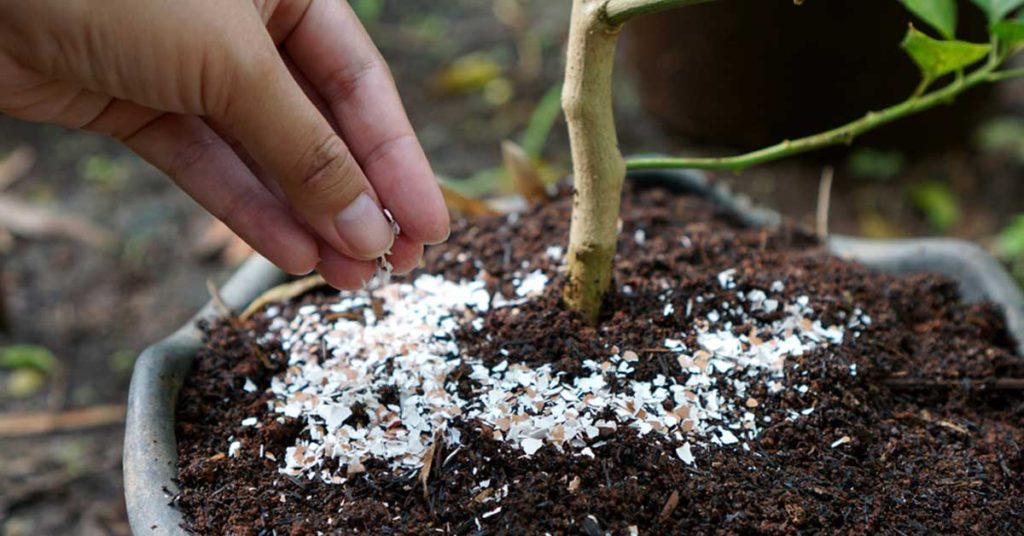
One of the primary reasons gardeners use eggshells is to add calcium to the soil, which is an essential nutrient for plant growth. However, eggshells decompose very slowly, which means the calcium they contain is not readily available to plants. In fact, it can take several years for eggshells to break down sufficiently and release their nutrients into the soil.
To speed up the process, you can crush eggshells into a fine powder before adding them to your garden. Even then, the impact on soil calcium levels will be minimal in the short term. If your plants are showing signs of calcium deficiency, it might be more effective to use a faster-acting calcium supplement, such as lime or gypsum, which will provide immediate benefits to your plants.
Questionable Pest Control

Another common belief is that eggshells can deter slugs and snails due to their sharp edges. The theory is that these pests will avoid crawling over the jagged pieces to reach your plants. However, in practice, this method is often less effective than expected. Slugs and snails can easily navigate around or over eggshell barriers, rendering them largely ineffective as a pest control measure.
For more reliable pest control, consider alternative methods such as copper tape, diatomaceous earth, or organic slug pellets. These options have proven to be more effective in protecting your plants from these persistent pests. Using eggshells alone may leave your garden vulnerable to damage and your plants struggling to thrive.
Attracting Unwanted Animals
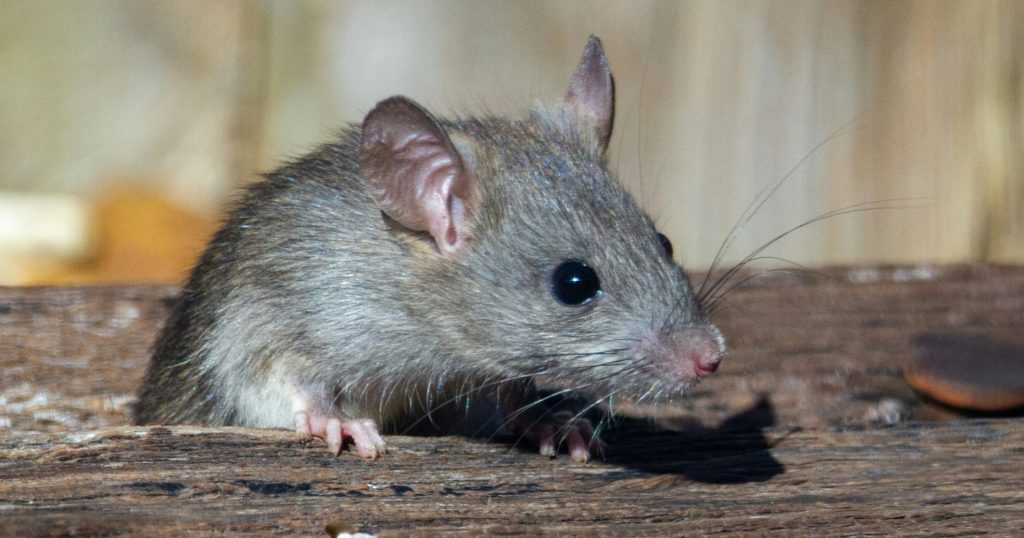
While eggshells might not effectively deter slugs and snails, they can attract other unwanted animals to your garden. The remnants of egg residue can attract rodents, raccoons, and other critters looking for an easy meal. These animals can cause significant damage to your garden, digging up plants and disturbing the soil in search of food.
To minimize this risk, ensure that eggshells are thoroughly rinsed and dried before adding them to your garden. However, even with careful preparation, the potential for attracting pests remains. It might be safer to compost eggshells fully before using them in your garden, reducing the likelihood of attracting unwanted visitors.
Limited Nutrient Contribution
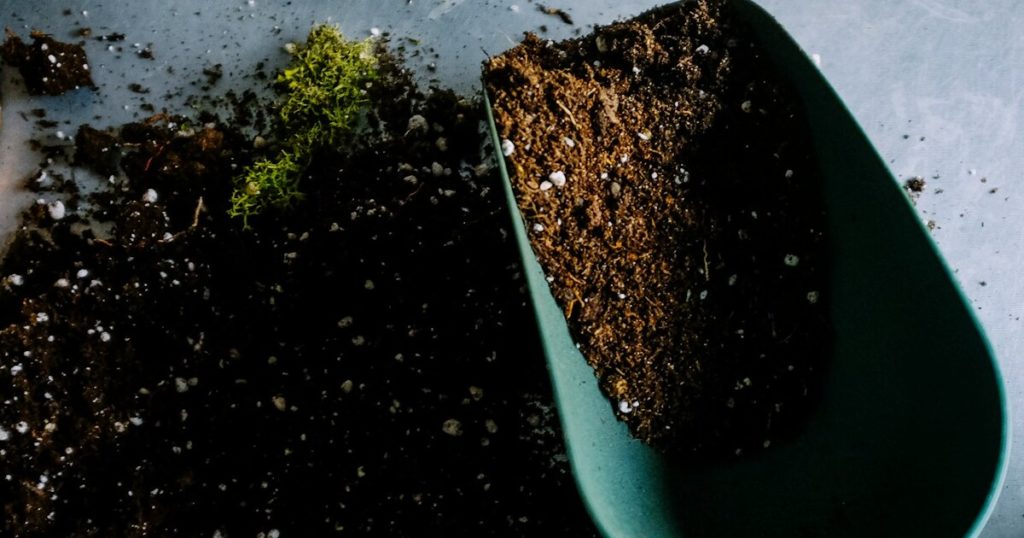
While eggshells do contain calcium, they lack other essential nutrients that plants need to thrive, such as nitrogen, phosphorus, and potassium. Relying on eggshells alone to improve soil fertility is insufficient and can lead to nutrient imbalances. To provide a well-rounded nutrient profile for your plants, it’s essential to use a comprehensive soil amendment or fertilizer.
Compost, aged manure, and organic fertilizers are excellent options that offer a broader range of nutrients. By incorporating these into your gardening routine, you can ensure that your plants receive all the nutrients they need for healthy growth. Eggshells can be a part of this mix, but they should not be the sole source of soil enrichment.
Risk of Contamination
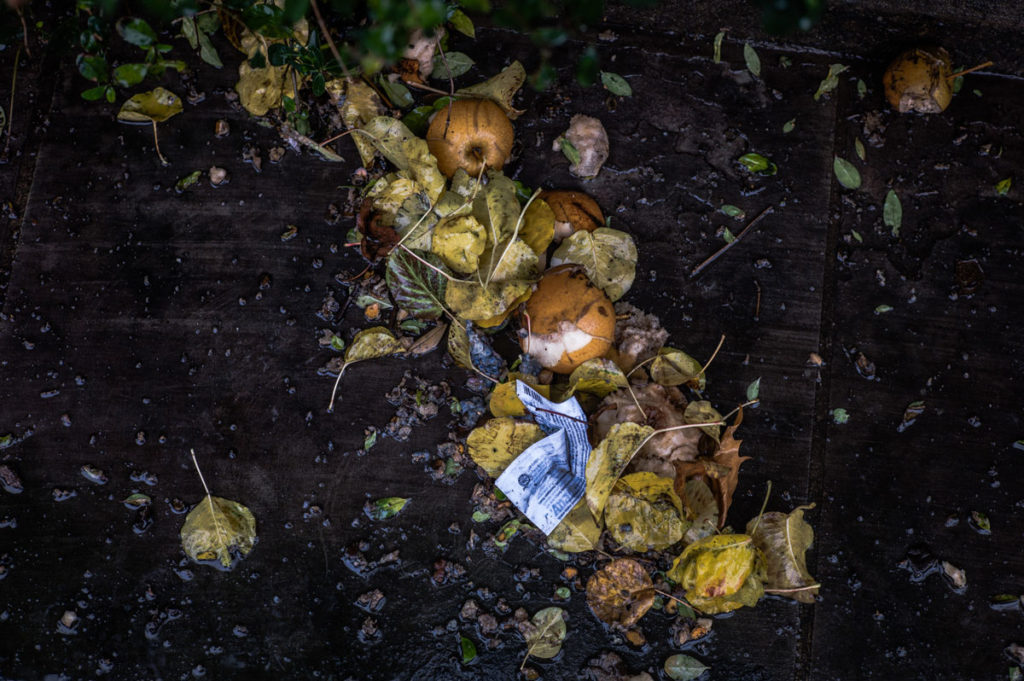
Using eggshells in the garden carries the risk of contamination, particularly if they are not properly cleaned. Raw eggs can harbor harmful bacteria such as Salmonella, which can be transferred to your soil and potentially to your plants. This contamination can pose a risk to human health, especially if you are growing edible crops.
To reduce this risk, it’s crucial to thoroughly wash and bake eggshells before adding them to your garden. Baking the shells at a high temperature will kill any lingering bacteria. However, this extra step can be time-consuming and might not completely eliminate the risk. Considering other safer soil amendments might be a more practical approach.
Inconsistent Results
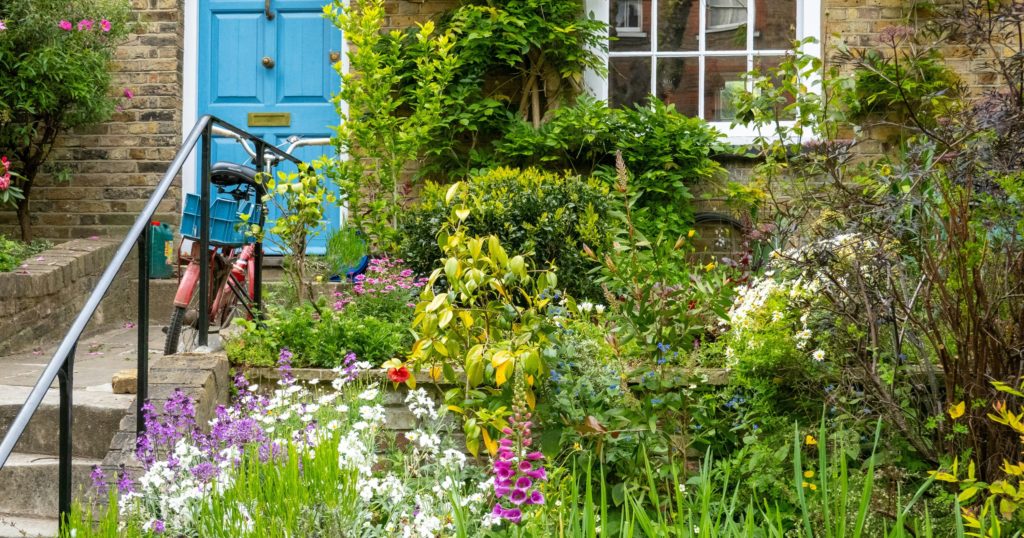
Many gardeners have reported inconsistent results when using eggshells in their gardens. While some swear by their benefits, others see little to no improvement in plant health or pest control. This inconsistency can be frustrating and may lead to wasted time and effort.
Gardening is often about experimenting to find what works best for your specific conditions, but relying on methods with mixed reviews can be discouraging. Instead, focus on tried-and-true practices that have consistently proven effective. By doing so, you can achieve more predictable and satisfactory results in your garden.
Better Alternatives
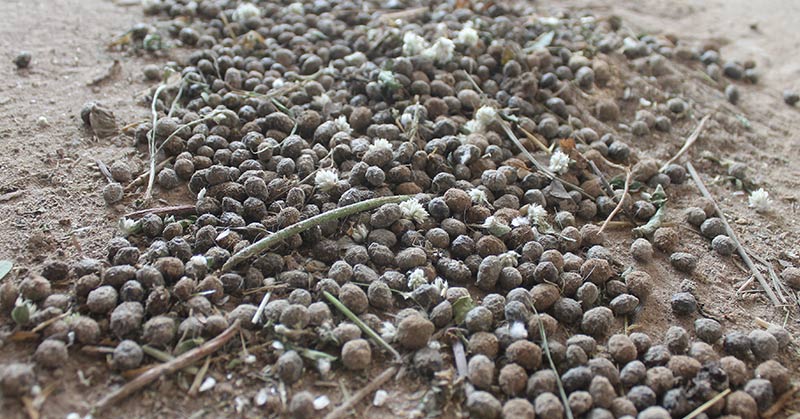
There are several better alternatives to using eggshells that can provide more immediate and noticeable benefits to your garden. For calcium supplementation, consider using lime or gypsum, which are readily available and quickly absorbed by plants. For pest control, copper barriers and diatomaceous earth have proven to be more reliable than eggshells.
Additionally, building healthy soil through composting and using organic fertilizers can create a more sustainable and productive garden environment. These methods ensure that your plants receive a balanced supply of nutrients and protection from pests, leading to healthier and more robust growth.
Composting Eggshells
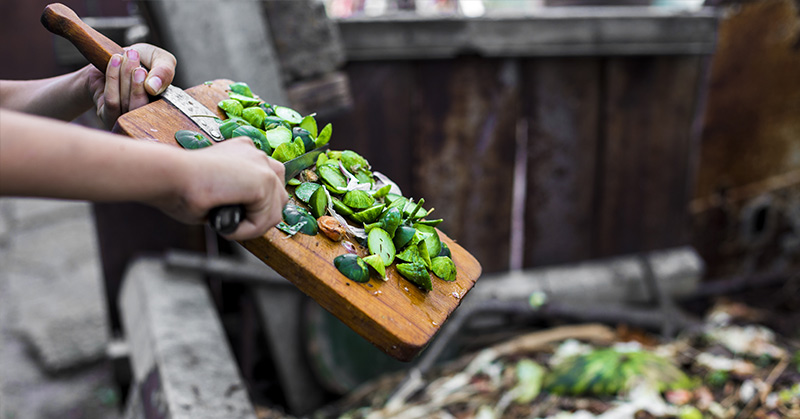
If you still want to use eggshells in your garden, the best approach is to compost them first. Adding eggshells to your compost pile allows them to break down more completely and mix with other organic materials, creating a nutrient-rich compost that can improve soil health. This method also reduces the risk of attracting pests and eliminates the potential for contamination.
By composting eggshells along with other kitchen scraps and yard waste, you can create a valuable soil amendment that supports plant growth more effectively. This integrated approach to soil management is more efficient and environmentally friendly, ensuring that all your gardening efforts contribute to a healthier ecosystem.
Final Thoughts

While eggshells can offer some benefits to the garden, they are not the miracle solution they are often made out to be. Their slow decomposition, limited nutrient contribution, and potential to attract pests make them a less-than-ideal choice for many gardeners. By understanding these limitations and exploring alternative methods, you can make more informed decisions that lead to a healthier and more productive garden.
Gardening is about finding the right balance and using a variety of tools and techniques to achieve the best results. By staying informed and open to new ideas, you can continually improve your gardening practices and enjoy a thriving, beautiful garden.