Gardening is an age-old practice that has been refined and perfected over centuries. Ancient civilizations developed innovative and effective techniques to grow abundant and healthy crops, many of which are still relevant today. By incorporating these time-tested methods into your garden, you can improve your harvest and connect with gardening traditions from around the world....
Gardening Tips
Having a garden is a key aspect of a sustainable lifestyle. When you go to the grocery store to buy produce like fruits and vegetables, as well as eggs, each of those items comes with a carbon footprint and other environmental complications. Unfortunately, a lot of industrial-level farming practices aren’t good for the environment and they aren’t sustainable either. Growing your own fruits and vegetables reduces the negative impact that industrial farming has.
We are strong proponents of living a sustainable lifestyle, both by having a garden and by making environmentally friendly choices that put you on a more sustainable path. That includes using less single-use plastic, conserving energy and water, gardening using organic methods, avoiding synthetic chemicals inside and outside of the home, driving less, living off the grid, and other sustainable efforts.
Sustainable living isn’t just good for the planet but it’s good for you too. Often times, living sustainably means simplifying your life – you get more out of life with less. Sustainable living helps avoid unnecessary consumerism, save money, save the earth, and save your sanity all along the way.
Our gardening tips will help guide you to a greener lifestyle that benefits the planet, your pocket, your community, and yourself too. If all of us did just a little bit to be more sustainable, we could have a massive positive impact and change our world.
So let’s explore these gardening tips together and work toward a greener future for our kids and grandkids.
Using salt to kill weeds in your garden might seem like a simple and natural solution, but this method can come with serious consequences. While it’s true that salt can be effective at eradicating unwanted plants, it also poses significant risks to your soil, surrounding plants, and local environment. As a gardener, it’s important to...
Growing your own vegetables is a rewarding experience that offers fresh, healthy produce right from your backyard. However, it’s important to be aware of potential contamination risks that can compromise the safety and quality of your harvest. Contaminated garden produce can pose serious health risks, including exposure to harmful bacteria, chemicals, and heavy metals. Understanding...
Artificial turf might seem like an attractive option for a low-maintenance, green lawn all year round. However, as appealing as it sounds, there are significant downsides to using synthetic grass in your yard or garden. From environmental concerns to practical issues, artificial turf can cause more problems than it solves. As a gardener, I understand...
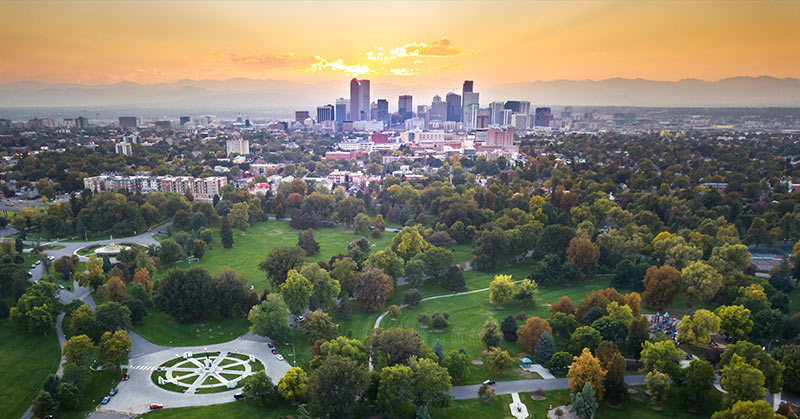
Gardening enthusiasts know that a supportive environment can make all the difference in nurturing a thriving garden. A city with a favorable climate and flexible gardening laws can transform a gardening hobby into a joyful and productive experience. As a passionate gardener, I’m thrilled to share with you some of the best US cities that...
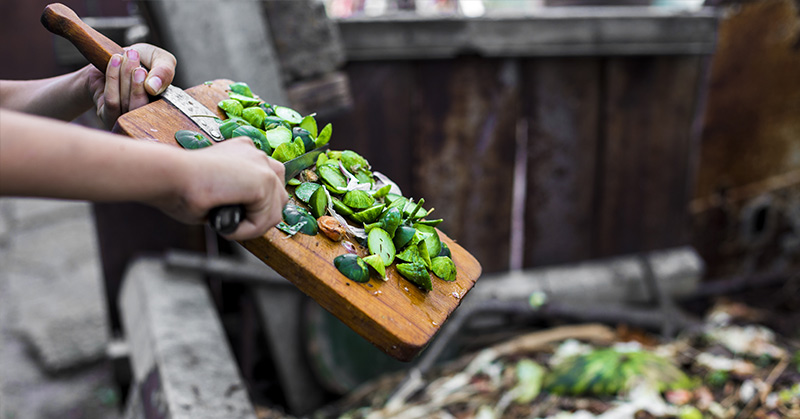
Composting is a fantastic way to recycle organic waste into nutrient-rich soil for your garden. However, the time it takes to produce finished compost can vary significantly depending on the climate. Different conditions can either speed up or slow down the composting process, so it’s essential to understand how your local climate affects composting. As...
Slugs can be a major nuisance in the garden, devouring plants and leaving behind a trail of destruction. Many gardeners, in their quest to protect their precious plants, resort to salting slugs as a quick fix. However, this method, while effective in killing slugs, is not only cruel but also detrimental to your garden and...
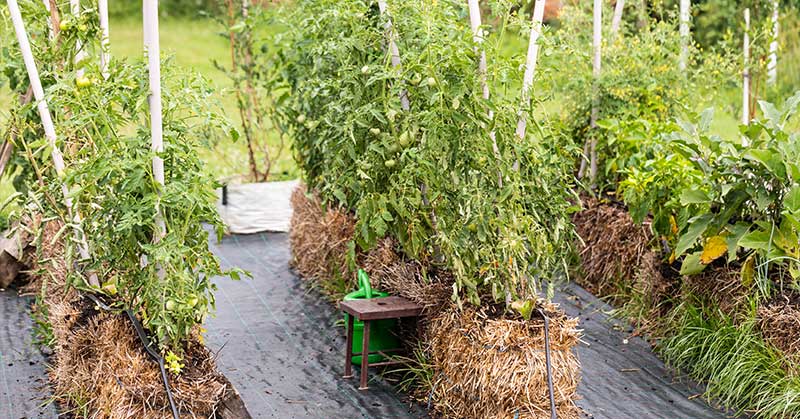
Straw bale gardening is an innovative and accessible way to grow vegetables and flowers, especially if you have poor soil conditions or limited space. This method involves planting directly into bales of straw, which provide excellent drainage and aeration for plant roots. While straw bale gardening can be incredibly rewarding, there are some common mistakes...
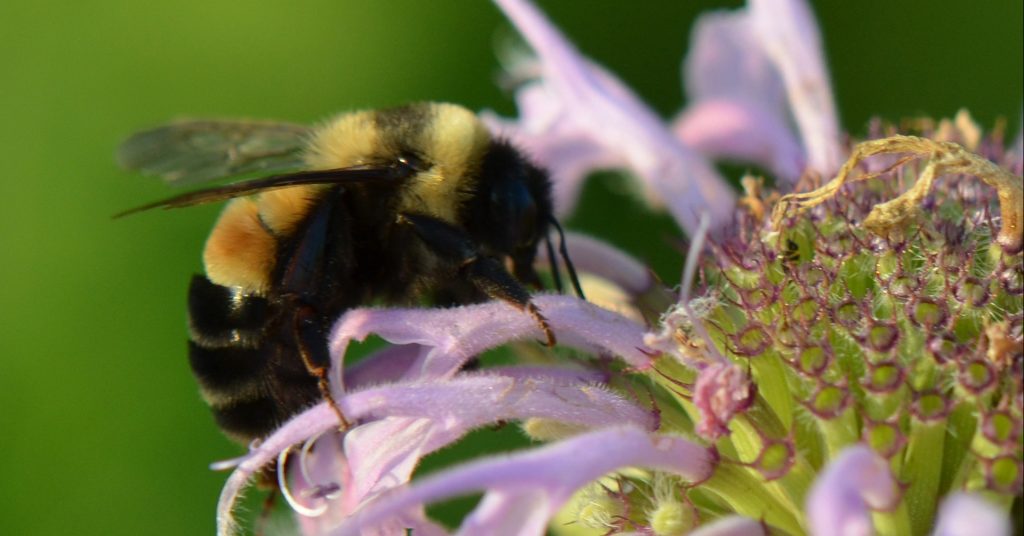
For decades, there has been concern about the status of bees, particularly non-native European honeybees. But the Rusty Patched Bumble Bee is an unsung hero among pollinators, working tirelessly behind the scenes. These pollinators, with their distinctive rusty patches, are not just another bee; they’re key players in pollinating the plants that feed us and...
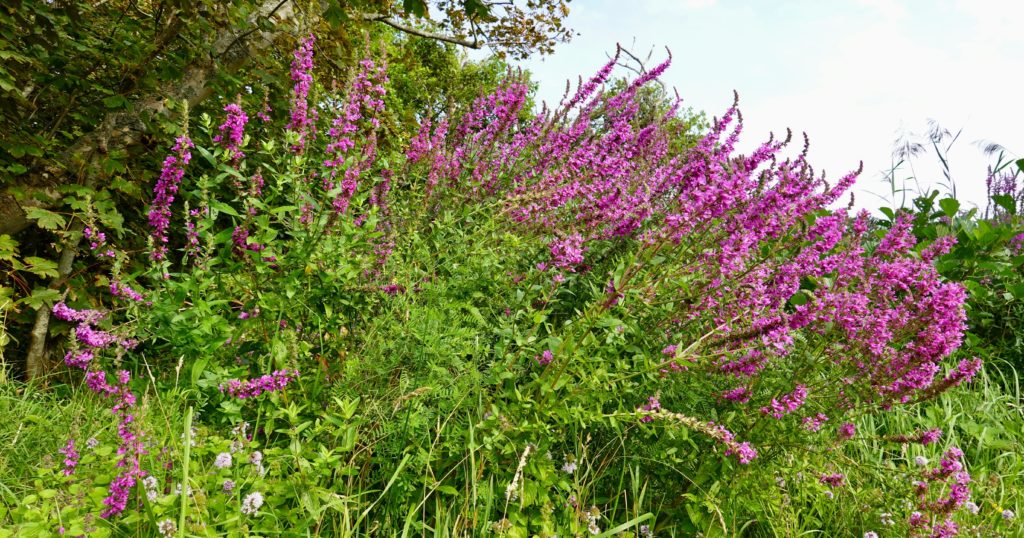
As gardeners, we are always on the lookout for beautiful plants to enhance our gardens. However, it’s crucial to be mindful of the potential impact some plants can have on our local ecosystems. One plant that stands out for its detrimental effects is Purple Loosestrife. While its vibrant purple spikes may look appealing, this invasive...
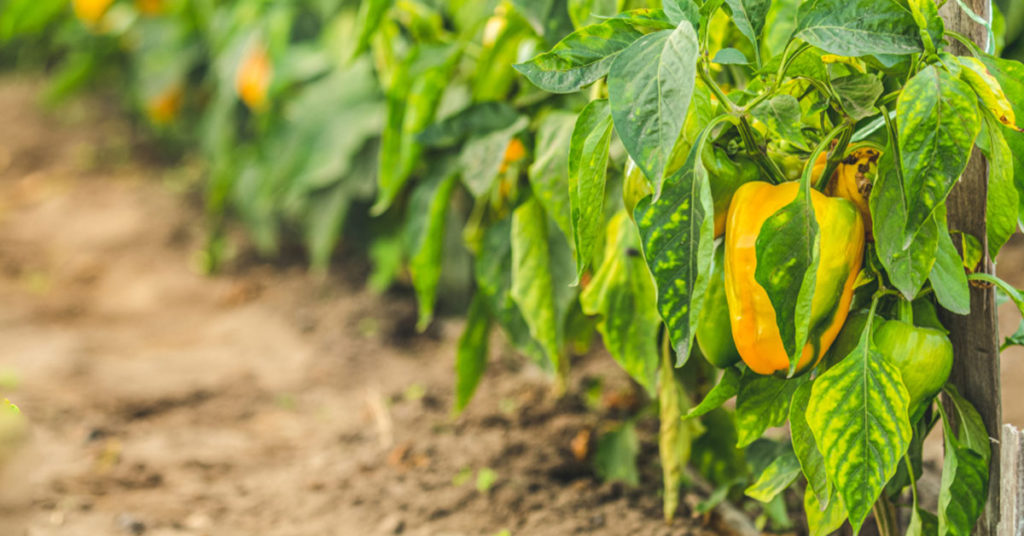
Growing peppers can be a delightful and rewarding experience for any gardener. Whether you’re interested in sweet bell peppers, spicy jalapeños, or exotic varieties, peppers bring vibrant color and exciting flavors to your garden and kitchen. However, growing peppers successfully can come with its own set of challenges and questions. Understanding the nuances of pepper...
Peppers are a delightful addition to any garden, offering a burst of color and flavor. However, getting a bountiful harvest requires some care and attention, especially as the summer heat intensifies in July. Whether you’re growing bell peppers, jalapeños, or sweet varieties, there are several strategies you can implement to maximize your yield during this...