
March is the month that separates the gardeners who’ll have a head start from everyone else scrambling to catch up in May. The difference between those two groups isn’t talent — it’s timing. What you do under lights, in cold frames, and in the ground right now determines how your whole season unfolds.
The challenge is that March is wildly different depending on where you live. In zone 9, you might be harvesting spring greens while simultaneously setting out tomato transplants. In zone 4, you’re still staring at frozen ground while starting seeds under grow lights on a table in your basement. Both are gardening, just very different versions of it.
Here’s what to plant in March, organized by what most actually needs to happen this month.
What to Start Indoors in March
March is prime seed-starting month for most of the US. The crucial calculation: count back 6 to 8 weeks from your last expected frost date, and that’s when to start tomatoes and peppers. For zones 5 through 7 — which covers a huge swath of the country — that window falls squarely in March.
Tomatoes and peppers are the March priority for most gardeners. Both are slow to establish, and both need to be good-sized transplants by the time outdoor conditions are ready for them. Start tomato seeds 6 to 8 weeks before last frost; peppers benefit from being started even earlier, 8 to 10 weeks out, since they’re slower to germinate and grow. Use a quality seed-starting mix, keep soil temperatures around 70 to 80°F with a heat mat for best germination rates, and get a grow light positioned close — 2 to 4 inches above seedling tops — to prevent leggy growth. Our guide to starting vegetable seeds indoors breaks this down by zone if you want the specifics.
Onions started from seed need a long runway — 10 to 12 weeks before transplanting outdoors. In many zones, March is the last reasonable moment to get onion seeds started before you’re behind schedule. They’re easy: surface sow in trays, keep moist, thin to an inch apart once sprouted. Our tips for starting vegetable seeds indoors covers the setup details if you’re newer to the process.
Celery and celeriac are often overlooked but both need 10 to 12 weeks of indoor time before outdoor planting — March starts are well-timed for most zones.
Annual flowers for summer — zinnias, marigolds, cosmos, and nasturtiums — don’t need quite as long indoors, but if you want a head start (and earlier blooms), starting them in late March gives you transplants ready to go out after last frost.
Eggplant joins tomatoes and peppers in needing significant indoor time — start it alongside peppers in March.
What to Direct Sow Outdoors in March
This depends heavily on your zone, but there’s more outdoor direct sowing in March than most gardeners take advantage of.
Cool-season vegetables can go directly in the ground as soon as soil is workable — not frozen solid, and not waterlogged from snowmelt. In zones 6 and warmer, that’s often possible in early to mid-March. In zones 4 and 5, it might be late March at the earliest.
Crops to direct sow outdoors in March when soil conditions allow:
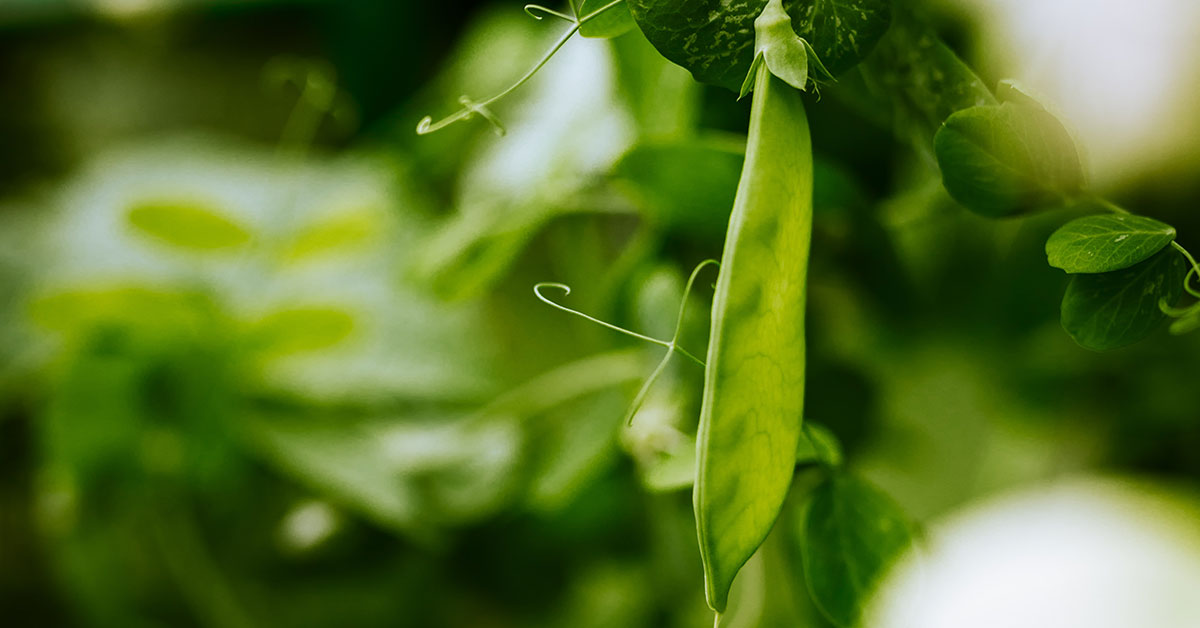
- Peas — one of the earliest crops to go out; soil temperatures of 40°F are enough for germination
- Spinach — germinates in cool soil and tolerates light frost well
- Lettuce — direct sow or transplant seedlings started indoors 4 to 6 weeks ago
- Radishes — fastest outdoor crop, ready in 25 days, excellent for impatient gardeners
- Kale and chard — can go out weeks before last frost
- Carrots — direct sow in early March in zones 7+, mid-to-late March in zones 5 and 6 once soil works
- Beets — prefer cool soil, direct sow 4 to 6 weeks before last frost
According to University of Illinois Extension, cool-season crops like peas and spinach can be sown as soon as the ground can be worked in spring and will benefit from the cool temperatures for germination and growth.
A common mistake is waiting for the garden to feel “ready” before sowing cool-season crops. If you can work a trowel in the soil, you can usually start sowing peas and spinach. They don’t need warmth — they need cool.
What to Plant Outdoors in March by Zone
Zones 3–4: Still indoor season. Focus on seed starting — tomatoes, peppers, onions, and cool-weather annuals under lights. Direct outdoor sowing is limited to late March at best, and only for the hardiest crops like spinach and peas if ground has thawed.
Zones 5–6: March is the window for outdoor cool-season crops in the second half of the month. Peas, spinach, lettuce, and kale can go directly in the ground by mid-to-late March. Continue indoor seed starting for tomatoes, peppers, and eggplant.
Zones 7–8: Direct sow cool-season vegetables — including carrots, beets, and radishes — through March. Transplant cool-season crops started indoors. Hardy perennials and bareroot trees and shrubs can go in the ground. In zone 8, first warm-season transplants (tomatoes) may be possible by late March if conditions have been mild.
Zones 9–10: March is full spring. Tomatoes and peppers can be transplanted outdoors in warmer areas. Plant warm-season crops (squash, beans, cucumbers) from seed in zone 10. Continue harvesting winter greens before heat arrives. Planning your spring garden layout now ensures succession planting is organized before things get busy.
Flowers Worth Planting in March
March is a good moment to plant perennial flowers and spring-blooming annuals outdoors, especially in zones 6 and warmer where soil is workable.
Hardy annuals — pansies, snapdragons, stock, and sweet peas — can all go out in March in zones 6+. They tolerate frost and actually prefer cool weather for establishment. In warmer zones, a wide range of spring-blooming flowers start showing their potential right now.
Perennials and shrubs can be planted or divided in March throughout zones 6 and above. Fall-planted perennials from last October have had all winter to root in and are waking up now — but there’s still time to plant new ones before the season accelerates.
March’s Most Overlooked Opportunity: Succession Planning
The gardeners who really maximize March aren’t just planting — they’re scheduling. Staggering your plantings by two to three weeks means you get continuous harvests rather than one overwhelming glut. Sow half your peas in early March, the rest in late March. Same with lettuce and spinach. By May and June, the earlier sowing is wrapping up just as the later one comes into stride.
It’s the kind of thinking that turns a good garden into an excellent one, and it requires almost no extra work.
If March has caught you slightly behind — maybe you didn’t start onions in February, or the seed order arrived late — adjust and proceed rather than writing off the season. Later starts produce later harvests, but they produce. Get the tomato seeds in this week. Sow the peas this weekend. The growing season is long enough for adjustments.
FAQ
Is it too early to plant vegetables in March? For most cool-season crops, March is actually the ideal time to start planting outdoors in zones 5 and above, as soon as soil can be worked. Warm-season crops like tomatoes and peppers should still be indoors under lights in most zones until after last frost.
What seeds should I start indoors in March? Tomatoes, peppers, eggplant, onions, celery, and summer annual flowers (zinnias, marigolds, cosmos) are all appropriate March indoor starts for zones 5 through 7, where last frost falls in late April to mid-May.
Can I plant peas in March? Yes — peas are one of the earliest outdoor crops and should go in as soon as soil can be worked. They prefer cool soil and tolerate light frost, making them ideal for March planting in zones 5 and warmer. In zones 3 and 4, late March is possible if soil has thawed.
What vegetables can I plant outside in March? In zones 6 and warmer: peas, spinach, lettuce, kale, chard, radishes, carrots, beets, and brassica seedlings. In zones 7 and above, onion sets and transplants can go out in March. In zones 9 and 10, warm-season planting begins.
When should I start tomatoes indoors for a June harvest? Start tomatoes 6 to 8 weeks before your last frost date. If your last frost is in mid-May, start seeds in late March. For a last frost in late April (zones 7–8), start seeds in late February to early March.
What flowers can I plant in March? In zones 6+, hardy annuals like pansies, snapdragons, sweet peas, and stock can go outdoors in March. Perennials can be planted or divided. Warmer zones can also direct sow hardy annuals and continue spring bulb succession planting.