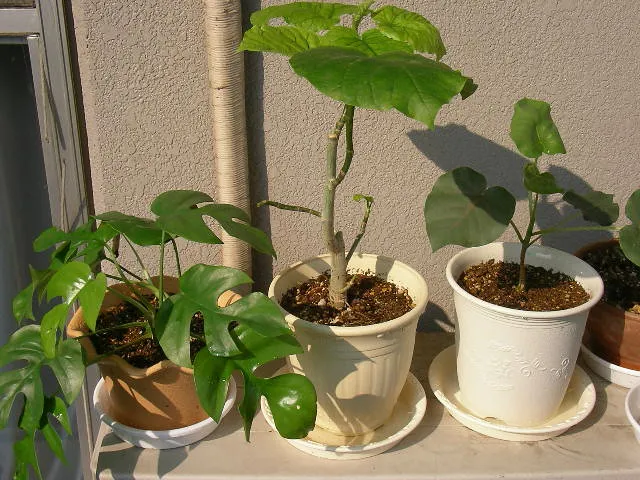
Walk into almost any apartment today and you’ll spot one of two plants before you spot the furniture. One is theatrical, with wide split leaves that seem to announce themselves. The other drapes quietly from a shelf, going about its day without asking for much attention. The Monstera and the Pothos have become the twin...
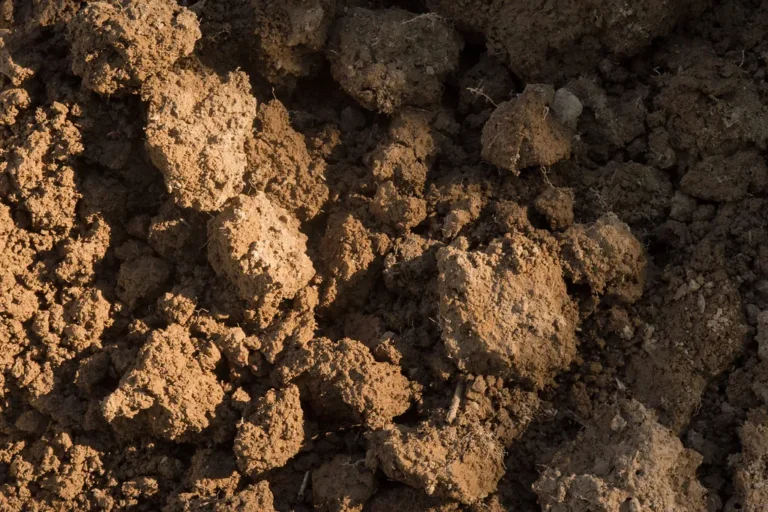
Most gardeners spend a fair amount of time worrying about fertilizers, watering schedules, and pests. The one thing that often goes unexamined, though, is what the soil itself is actually made of. Many problems with home vegetable gardens, fruit trees, shrubs, and flower gardens are caused not by pests, diseases, or a lack of nutrients,...
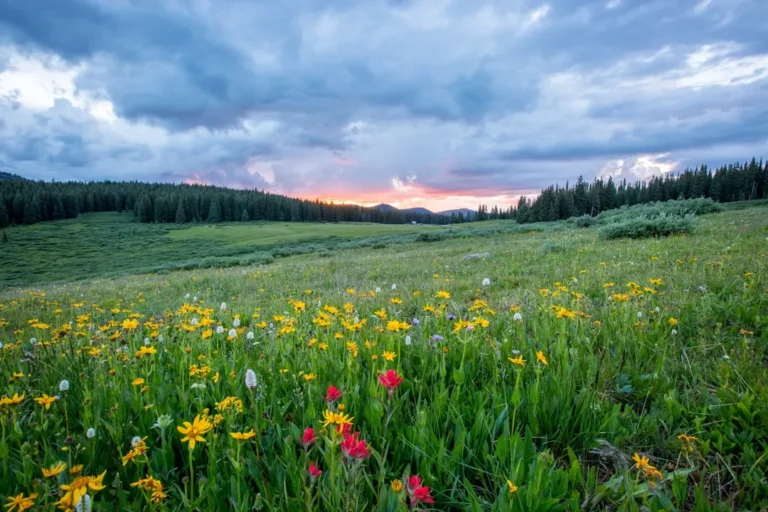
Most gardeners know the quiet disappointment of a garden that peaks in June and fades by August. The good news is that some perennials simply refuse to follow that script. While some perennials bloom for a few spectacular weeks before fading into the background, others keep producing flowers from spring through fall, providing the reliable...
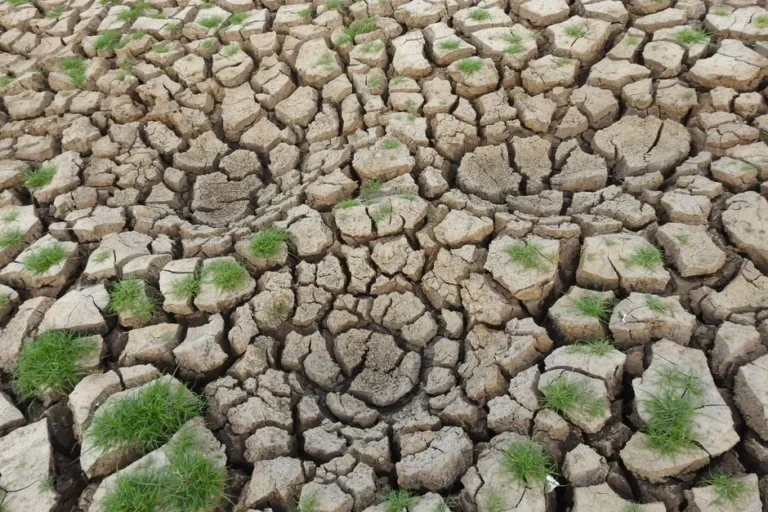
You pour water onto your garden bed and watch it bead up, slide off, and disappear into a nearby crack rather than soaking in. It’s one of those oddly frustrating moments that signals something has gone wrong beneath the surface. Hydrophobic soil, also known as water-repellent or non-wetting soil, occurs when a waxy coating develops...
Most people recycle with the best intentions. They rinse containers, flatten boxes, and sort plastics carefully – and then, when something feels borderline, they toss it in the blue bin and hope for the best. That act of optimistic recycling actually has a name: wishcycling. Wishcycling is the disposal of consumer waste in a recycling...
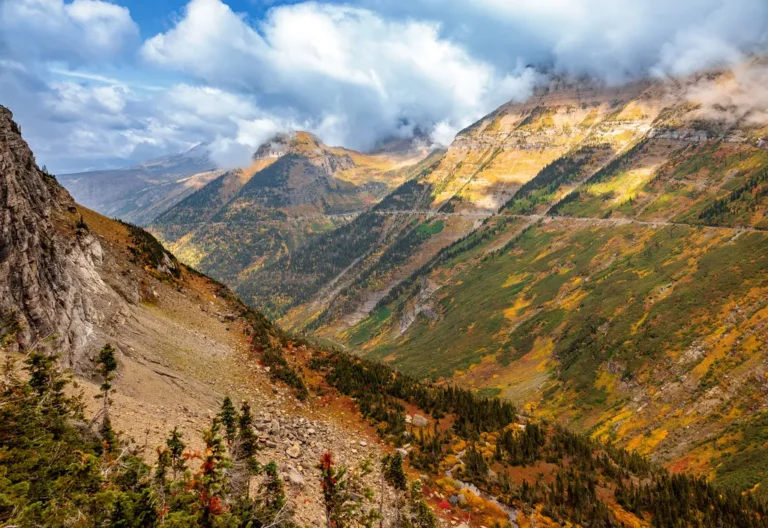
There is a place in northwest Montana where the mountains fold into each other so sharply they seem to have been pressed from above. Glacier National Park sits at that fold, and for generations it was defined by ice. Hundreds of glaciers stretched across its ridgelines, coloring every photograph in blue-white and carved stone. That...
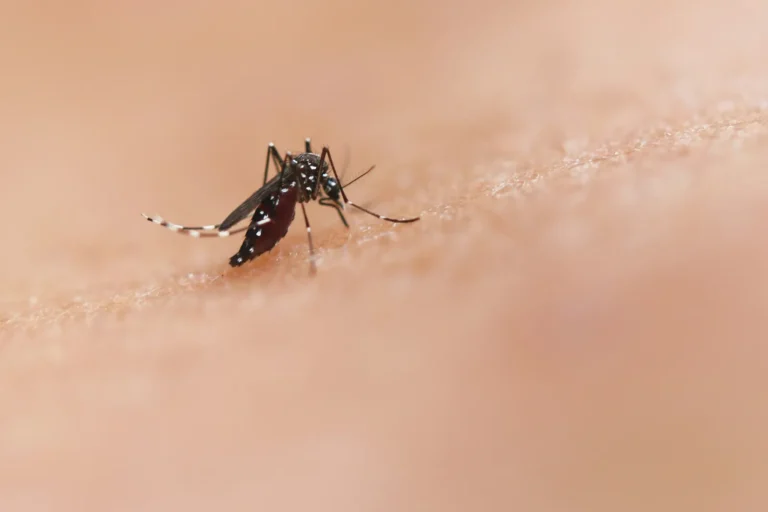
California stands at the center of a novel public health experiment that could reshape how mosquito-borne illnesses are managed in the United States. Google is requesting permission from federal regulators to release as many as 32 million specially treated mosquitoes across California and Florida during the next two years. The effort targets diseases carried by...
Gardeners across many regions turn to New Guinea impatiens each year for reliable color in containers, borders, and shaded beds. These plants deliver nonstop blooms through the warm months when given the right conditions from the start. With planting season underway in late spring, a few straightforward steps help ensure strong growth and abundant flowers...
Gardens offer more than visual appeal or fresh produce. Many plants cultivated at home contain compounds that may help the body manage everyday stresses and inflammatory responses. A bartender and herbalist has drawn on this connection to create a cocktail that pairs traditional mixology with botanicals often grown or foraged nearby. The Body’s Response to...
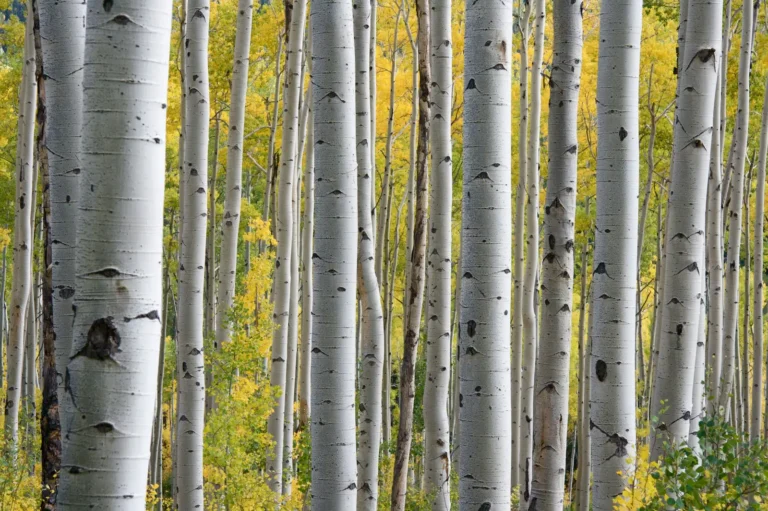
Across much of the United States, birch trees stand out in home landscapes for their striking presence in every season. Their light-colored bark peels away in thin sheets, while the foliage moves gently in the wind and shifts to rich gold tones each fall. Species range from the classic paper birch to more adaptable choices...
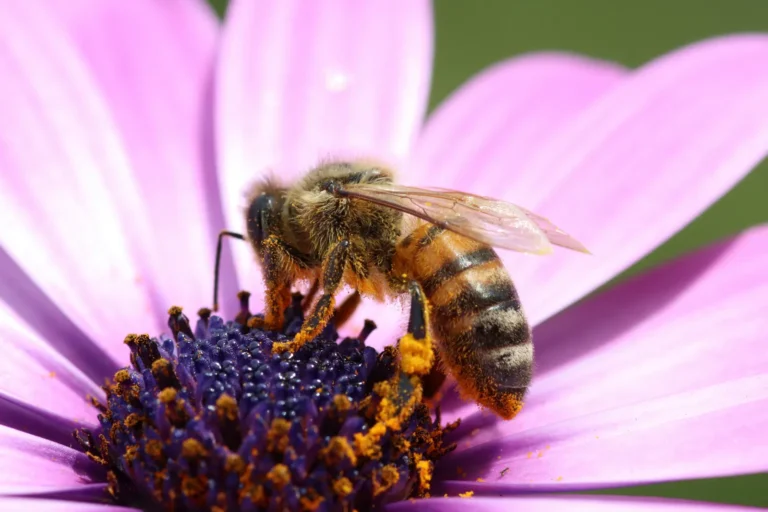
Home gardeners often wonder how their choices in the backyard can truly make a difference for bees, butterflies, and other pollinators. A virtual class led by Matthew Shepherd focuses on translating scientific findings into practical steps for residential landscapes. The session examines what studies reveal about effective ways to support these insects amid ongoing habitat...
Most gardeners spend more time in the greens bed than they need to. Leaves get scattered, stems slip between fingers, and what should take ten minutes stretches into a half-hour task. The rubber band trick changes that rhythm entirely, and it works best when you understand why the greens themselves are asking to be harvested...