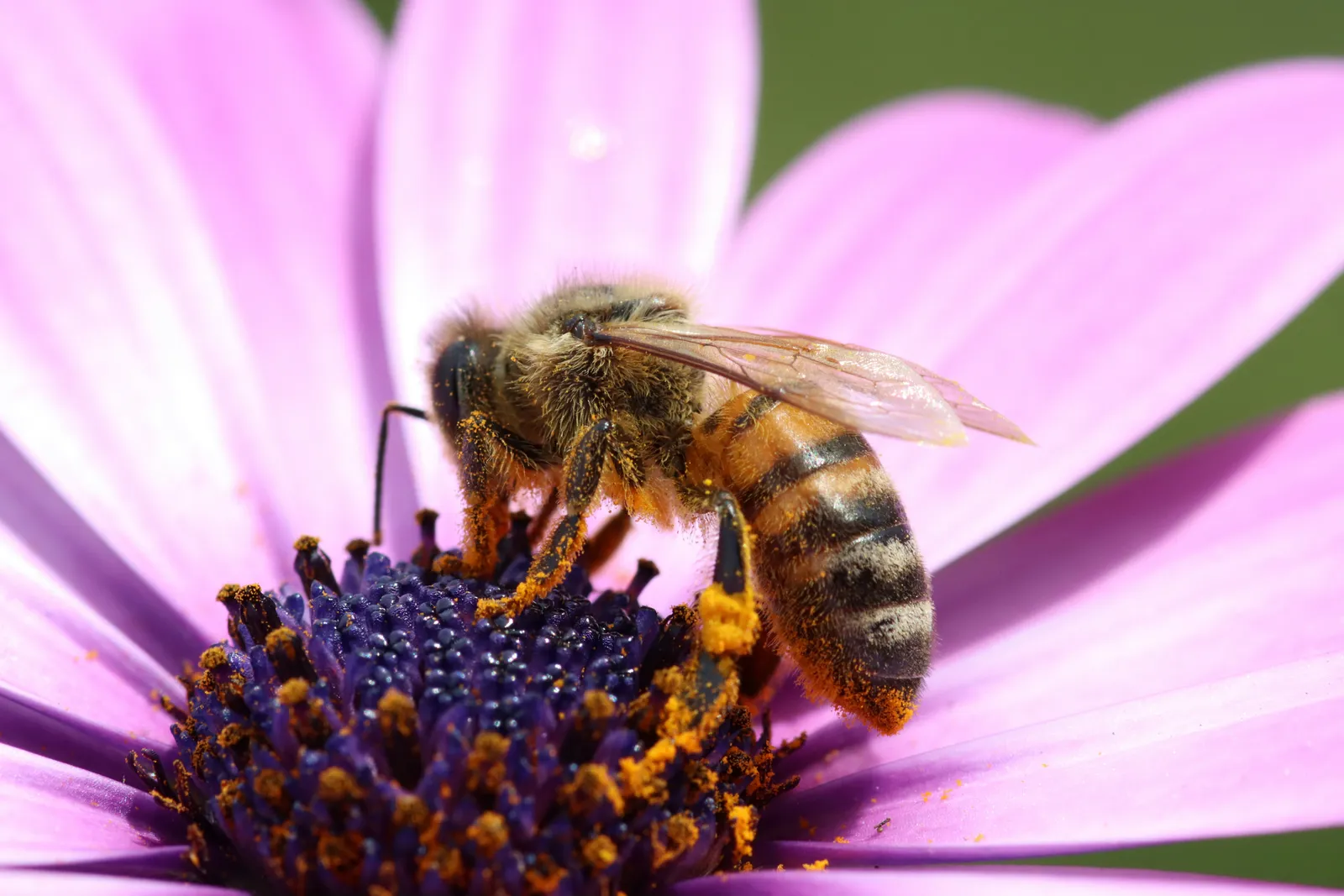

Home gardeners often wonder how their choices in the backyard can truly make a difference for bees, butterflies, and other pollinators. A virtual class led by Matthew Shepherd focuses on translating scientific findings into practical steps for residential landscapes. The session examines what studies reveal about effective ways to support these insects amid ongoing habitat pressures.
Translating Studies Into Everyday Garden Decisions
Research on pollinator behavior and habitat requirements continues to refine recommendations for home settings. Shepherd’s presentation draws directly from this body of work to clarify which landscape features deliver measurable benefits. Participants learn how site-specific conditions influence outcomes for different insect species.
The class emphasizes evidence over assumptions, helping gardeners distinguish between practices supported by data and those that show limited results. This approach matters for anyone managing a yard or small plot who wants their efforts to align with actual ecological needs.
Practical Consequences for Gardeners and Local Ecosystems
When home landscapes incorporate research-backed elements, pollinator activity can increase in measurable ways. This matters for gardeners who rely on these insects for fruit and vegetable production, as well as for broader biodiversity in residential areas. The virtual format allows wider access to the latest insights without travel.
Stakeholders include individual homeowners, community garden groups, and local extension services that often field questions about pollinator support. Clear guidance from studies helps reduce wasted effort on approaches that do not yield strong results.
Key Areas the Research Highlights
Discussions in the class cover habitat structure, plant selection timing, and seasonal considerations that studies have identified as influential. Gardeners receive frameworks for evaluating their own spaces against these findings.
Emphasis falls on long-term observation and adaptation rather than one-time changes. This method reflects how research tracks pollinator responses over multiple seasons and conditions.
Looking Ahead for Home Landscapes
As more gardeners apply these research-derived principles, residential areas can contribute more consistently to pollinator support. The virtual class provides one accessible entry point for staying current with evolving evidence. Continued attention to what studies confirm will shape how home gardens function within larger ecological networks.
AI Disclaimer: This article was created with the assistance of AI tools and reviewed by a human editor.