

Walk into almost any apartment today and you’ll spot one of two plants before you spot the furniture. One is theatrical, with wide split leaves that seem to announce themselves. The other drapes quietly from a shelf, going about its day without asking for much attention. The Monstera and the Pothos have become the twin emblems of modern plant parenthood, and the split between people who love one over the other turns out to be more revealing than it first appears.
Houseplants have become more than just décor; they’re a lifestyle choice, and few better illustrate that shift than these two. Whether you’ve spent years nurturing a dramatic Monstera deliciosa or simply reached for a Pothos because it seemed friendly and forgiving, your preference quietly says something about who you are.
The Numbers Behind the Rivalry
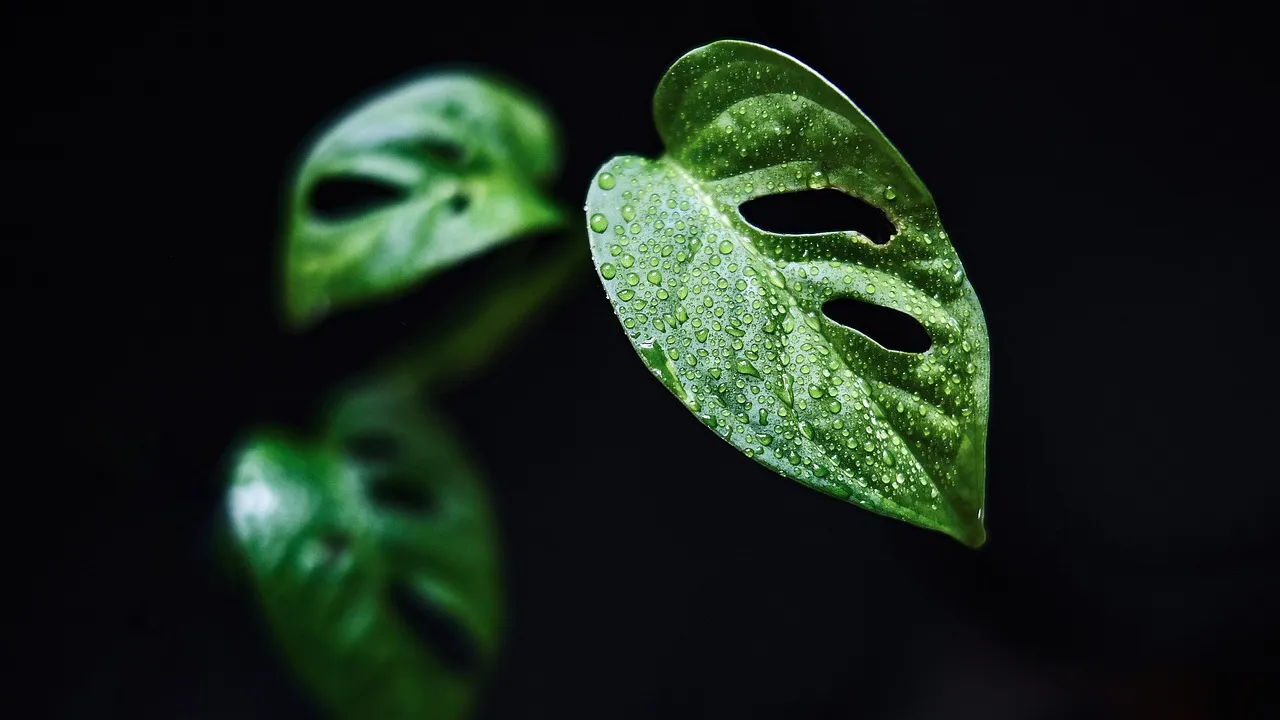
These two plants don’t just share shelf space in garden centers. Monstera deliciosa and Golden Pothos are essentially neck and neck in American search popularity, each generating roughly 1.9 million Google searches in a single recent twelve-month period. That statistical dead heat is striking.
Sales of pothos from one UK plant retailer increased forty-five times in just five years, which is an extraordinary run for a plant that many people consider ordinary. Meanwhile, Monstera and fiddle leaf fig saw roughly a forty percent increase in popularity on social media platforms like Instagram over the past three years.
Approximately 35 million households in the United States own houseplants, and both Monstera and Pothos consistently rank among the most searched and purchased species in that enormous market. The rivalry is genuinely evenly matched.
The Monstera Personality: Statement-Makers and Visual Thinkers
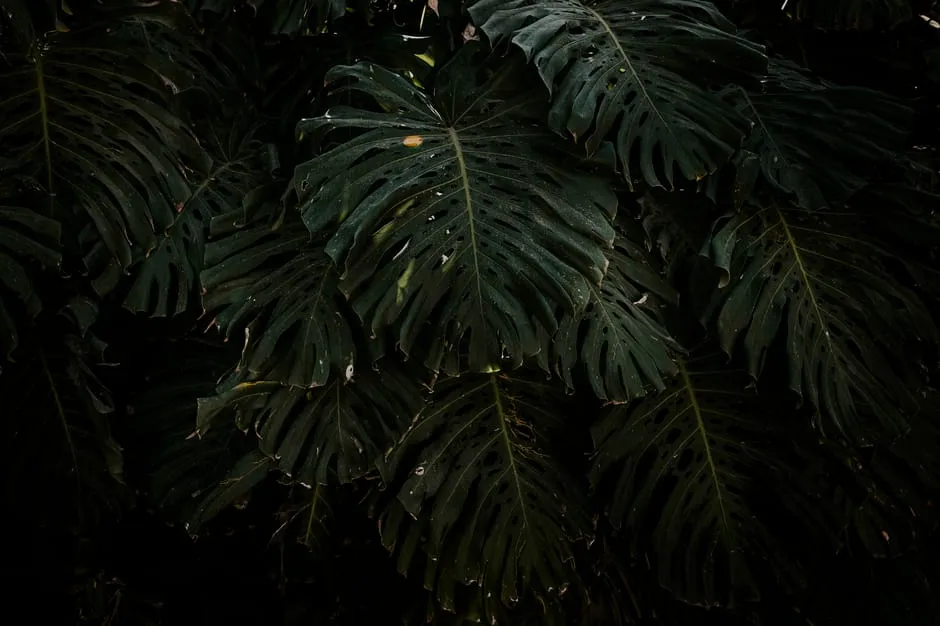
The Monstera plant has somehow graduated from being a mere houseplant to a popular aesthetic, with its leaves appearing in room wallpapers and generic art. People who gravitate toward it tend to be drawn to bold visual environments. They think in terms of composition.
The Monstera’s large, fenestrated leaves create a bold and tropical look, and many people are drawn to its ability to make a statement and add a touch of drama to their homes. If you chose a Monstera, you likely made a conscious decision about how your space should feel, not just look.
Monstera, with its bold split leaves, works best as a statement floor plant that instantly creates an indoor jungle vibe. Its upright, climbing nature fills empty corners with tropical flair. Choosing a plant that climbs and fills space suggests a certain territorial confidence in how one inhabits a room.
The Pothos Personality: Pragmatists Who Still Care Deeply
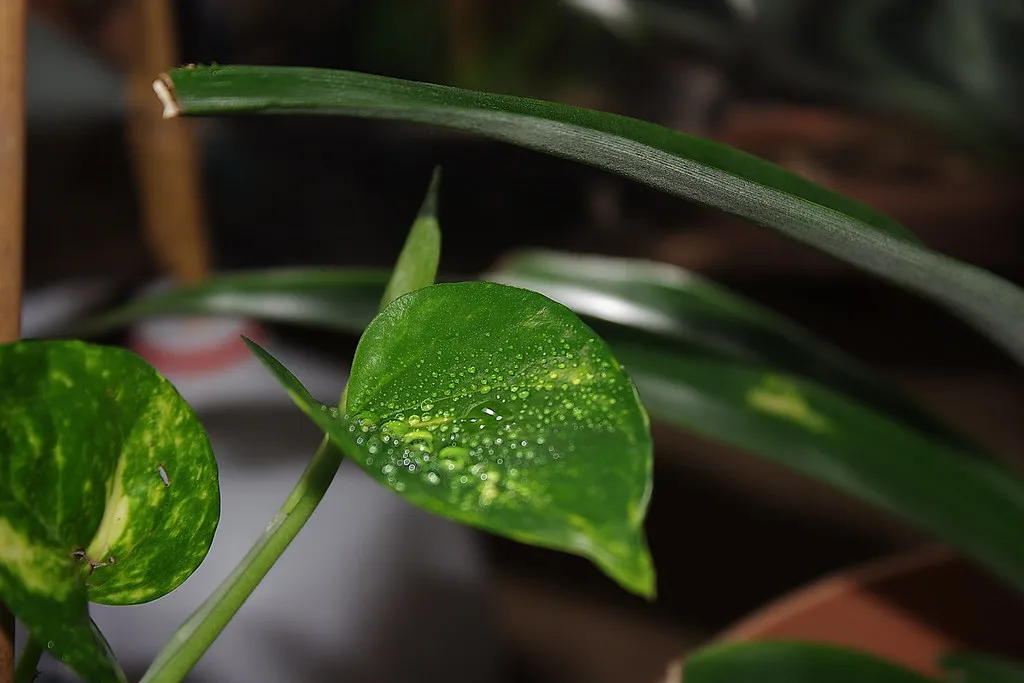
The pothos plant is considered by many to be a great way to get started caring for houseplants. Since pothos care is easy and undemanding, this lovely plant is an easy way to add some green to your home. But calling Pothos owners low-effort misses the point entirely.
Pothos, like the classic Golden Pothos or the Marble Queen, is known for its glossy heart-shaped leaves that trail beautifully from shelves or hanging baskets. It’s easy to train and looks great spilling over just about anything. People who love Pothos tend to appreciate quiet elegance over showmanship.
Pothos is better kept too dry than too wet, a valuable trait for busy offices, non-gardening friends, or just those busy times of the year. Pothos fans often lead full, active lives. They’re not less passionate about their plants; they just know how to prioritize without guilt.
What Psychology Research Actually Says
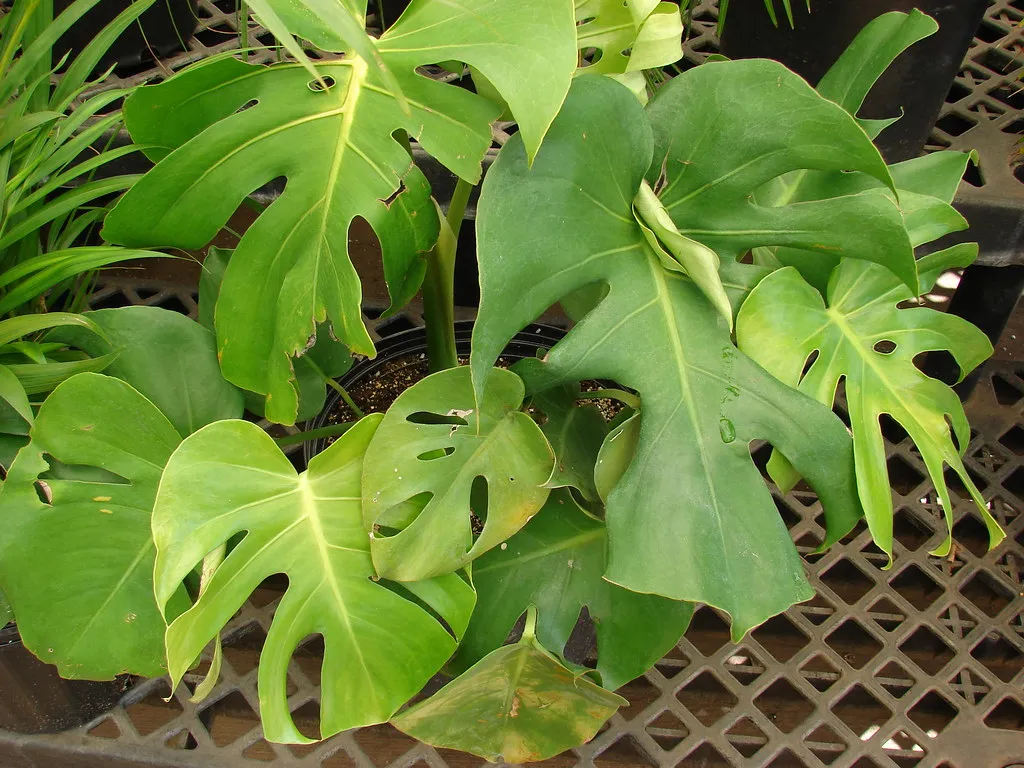
Researchers believe most of us fall somewhere on the scale of five Big Personality Traits, including agreeableness, extraversion, openness, conscientiousness, and neuroticism. Cinch Home Services surveyed more than 1,000 plant parents who also took a Big Five Personality test to determine if these qualities aligned with particular houseplants.
Overall, people who scored highly in extraversion and openness owned the highest number of houseplants on average. Monstera collectors, who tend to seek out rare varieties and invest meaningfully in their plant setups, track closely with those openness-to-experience scores.
Researchers found that avid plant parents tend to score much higher on the Big Five trait openness to experience, the curiosity-and-creativity factor, than people who don’t keep greenery. Both Monstera and Pothos people share this trait, though they express it differently: one through spectacle, one through quiet consistency.
Generational Patterns: Who’s Buying What
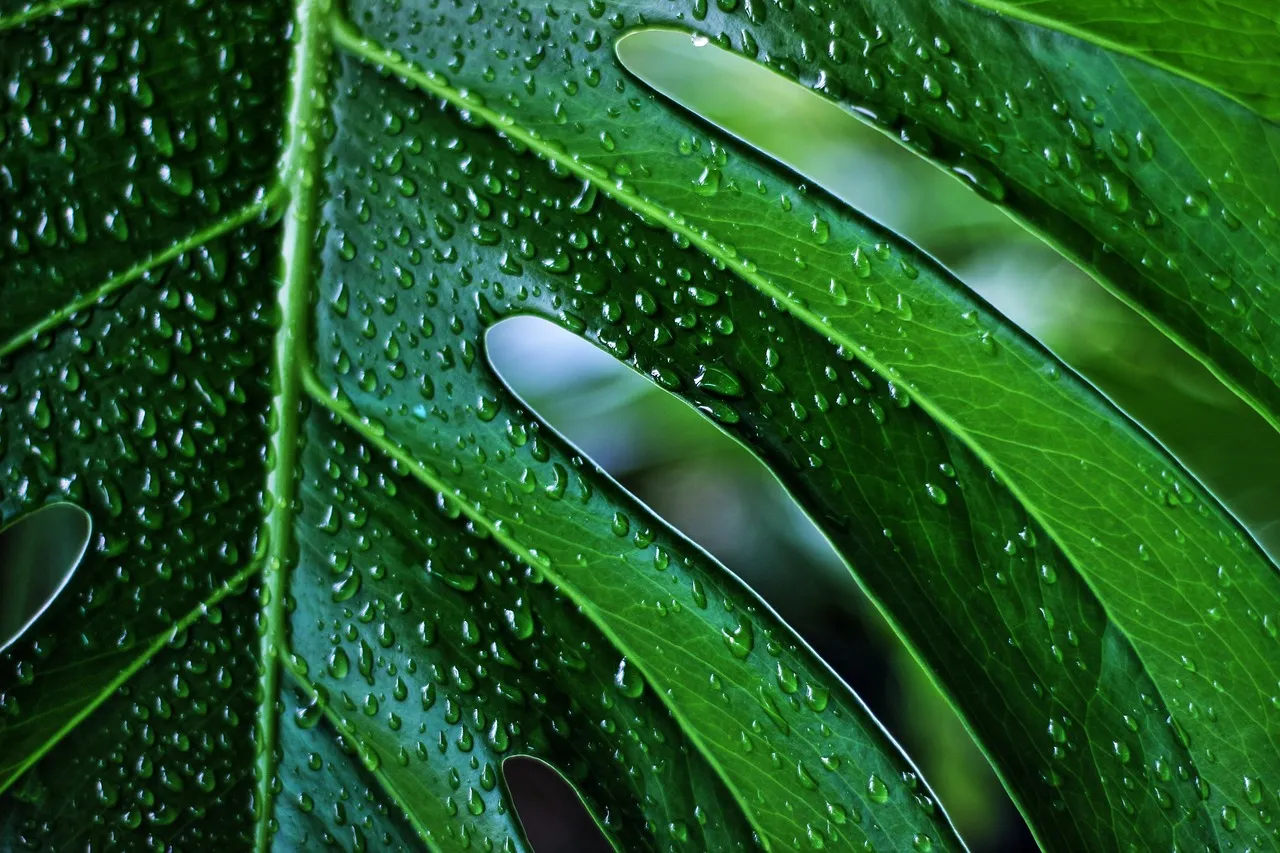
Millennials and Gen Z have been significant drivers of houseplant growth, as shown by the popularity of aesthetic plants like Monstera deliciosa on social media. The Monstera became shorthand for a certain kind of aspirational, design-conscious interior in the 2020s.
In 2020, over 20 million Americans, the majority under the age of 35, got into gardening for the first time, and many of them have stuck with it. Many of those first plants were Pothos, precisely because they forgive the learning curve that catches new plant parents off guard.
According to a study by Craftjack, one in three people under 40, meaning Millennials and Gen Z, consider themselves a plant parent. The Monstera captures the social media side of that identity; the Pothos sustains it day to day.
The Social Media Effect and What It Reveals
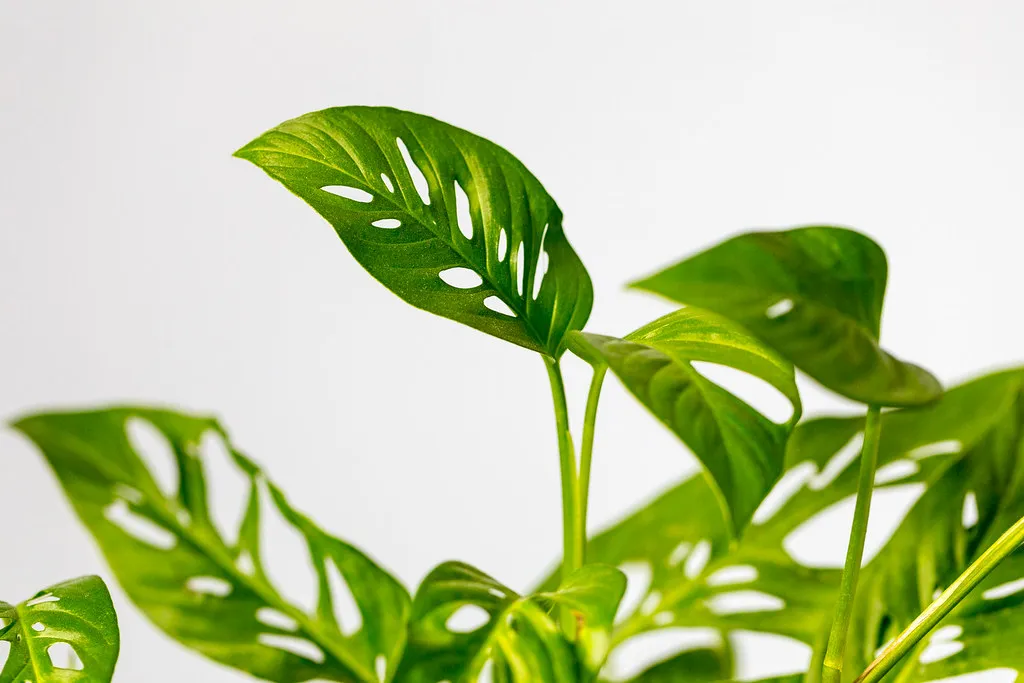
The hashtag “#plantmom” has been used 2.6 million times on social media, “#plantparenthood” 1.3 million times, and “#plantsoftiktok” has accumulated 3.4 billion video views. Much of that content features Monsteras prominently, and for good reason.
The Monstera plant has been popping up in influencers’ videos as part of their background, which tells you something about what it signals socially. It’s a plant that reads well on camera. People who pick it often think in images, consciously or not.
Pothos is one of the most popular houseplants, with over 1.5 million social media posts, yet it rarely dominates the frame the way Monstera does. Pothos people often show up in the comments, offering care tips and cuttings. Their engagement tends to be relational rather than performative.
What Care Routines Say About You
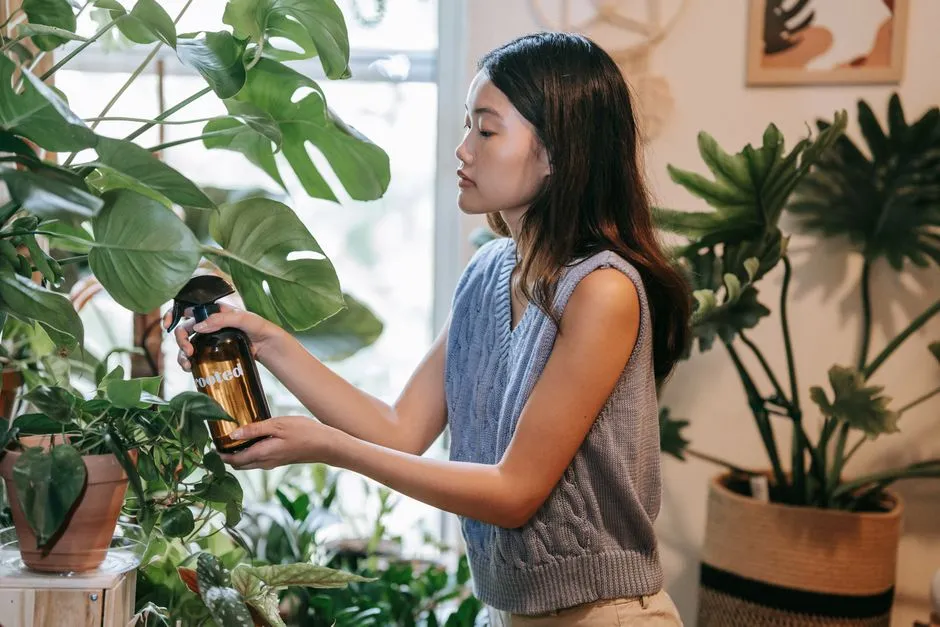
Monstera really shines in bright indirect light, which is where you’ll see those iconic tropical foliage splits flourish. Creating the right environment for a Monstera means thinking about your home’s light conditions deliberately. It’s a plant that rewards intentionality.
Pothos grows quickly, as much as 12 to 18 inches in length in a month. That rapid, reliable growth appeals to people who want to feel a return on their care. Pothos owners are often energized by visible progress rather than the slow reveal of a single new fenestrated leaf.
Monsteras are slow-growing plants. It is easy to propagate them, but one has to be patient for the Monstera to get to its full, glossy glory. Choosing patience as your primary plant relationship is itself a meaningful personality data point. Monstera people tend to play a longer game.
The Wellbeing Dimension
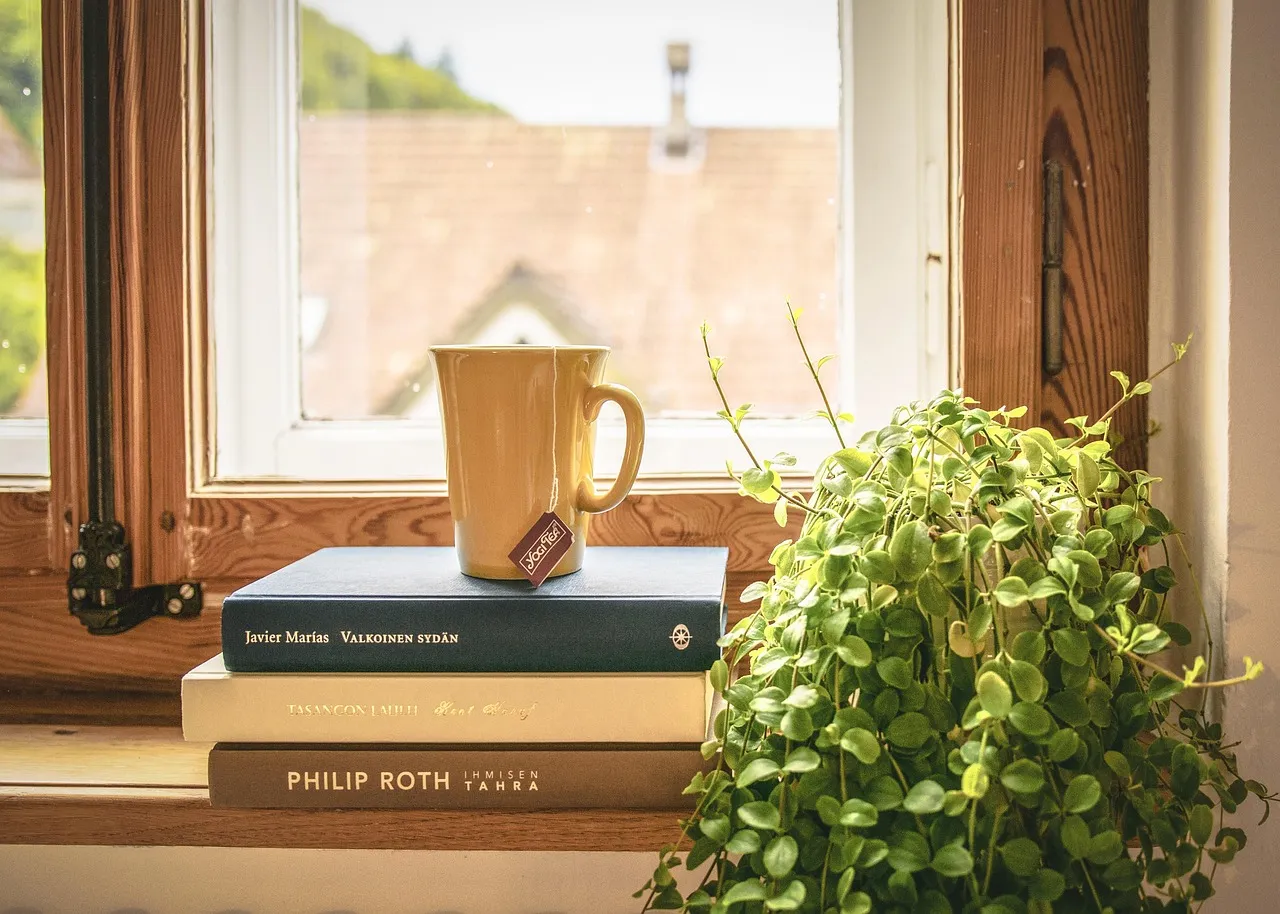
Participants who self-classified as houseplant carers reported higher levels of mental well-being compared with non-houseplant carers. Hours spent caring for houseplants, the number of houseplants owned, and the years of keeping houseplants were all positively associated with greater levels of mental well-being and mindfulness.
A 2014 study in the Journal of Experimental Psychology found that the presence of plants in the workplace led to increased productivity, energy, and higher levels of concentration. Whether your chosen plant is dramatic or understated, the benefit of simply having it there is real and measurable.
People who owned five or more plants were happier and more productive than those with fewer plants. Interestingly, this held regardless of which plants they owned, which suggests the psychological payoff comes from the act of caring itself, not from which species you chose.
When You Choose Both
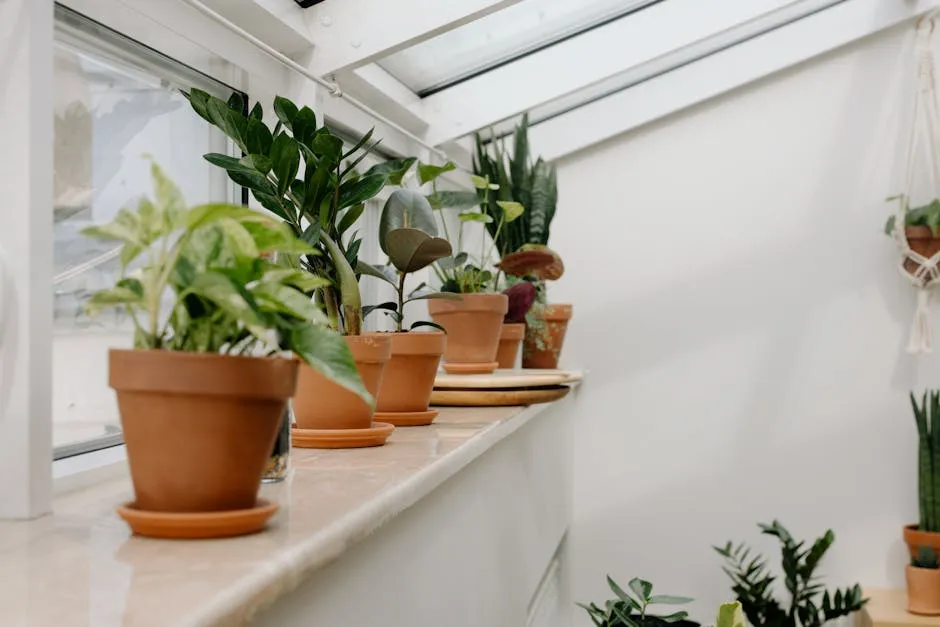
The houseplant market in 2025 is embracing a blend of nostalgia, practicality, and exotic appeal, with a strong emphasis on sustainability and ease of care. Increasingly, plant owners don’t choose between the Monstera and the Pothos. They choose both, and for good reason.
Both plants pair beautifully with other indoor jungle plants like Philodendrons and ferns, creating layers of texture and green. Having both often signals a plant owner who has moved past the beginner phase and now curates their collection with genuine intentionality, balancing the dramatic with the reliable.
Choosing the right houseplant in 2026 is less about following trends and more about finding plants that fit real life. Whether you’re a beginner, a pet parent, or simply short on time, the best indoor plants are the ones that match your space, light, and routine. The dual collector has simply made peace with that truth.
The Deeper Truth About Plant Preferences
A well-designed approach to matching plants to personality is a legitimate, evidence-informed tool that helps people align their daily routines, living conditions, and emotional capacity with plant species most likely to thrive under their care. It’s not astrology for houseplants; it’s behavioral horticulture.
As interest in indoor planting evolves, trending houseplants are increasingly shaped by lifestyle changes, space constraints, and a growing focus on sustainability. These shifts influence which plants become most popular, both among long-time plant lovers and those just starting their indoor plant journey.
The healthiest plants aren’t the ones we love most at first glance. They’re the ones whose biology quietly syncs with our daily rhythms. That might be the most honest thing plant culture has produced: the idea that choosing a plant well is actually an act of self-knowledge.
Conclusion: Your Plant Is a Mirror
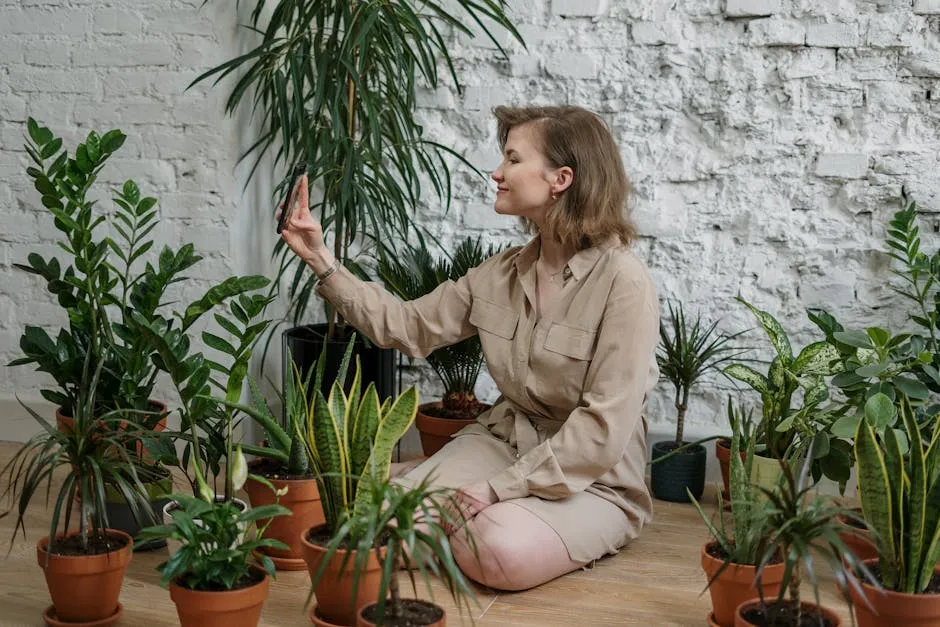
The Monstera and Pothos debate isn’t really about leaves. It’s about how you want to show up in a space, how much patience you’re willing to offer, and what kind of relationship you want with something living. Neither answer is wrong.
Monstera people tend to lead with vision and commit to the long payoff. Pothos people tend to find meaning in consistency, in the daily small act of showing up. Both approaches translate far outside the world of houseplants.
The most interesting plant owners, though, are usually the ones who started with one and quietly grew into needing both. Growth, it turns out, is rarely just about the plant.
AI Disclaimer: This article was created with the assistance of AI tools and reviewed by a human editor.