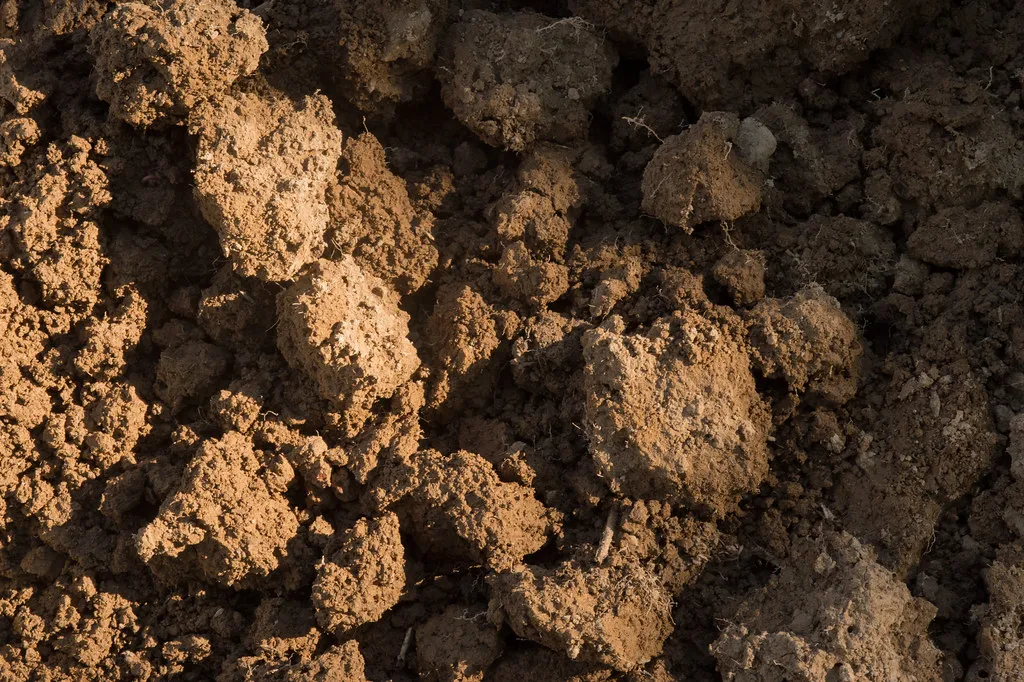

Most gardeners spend a fair amount of time worrying about fertilizers, watering schedules, and pests. The one thing that often goes unexamined, though, is what the soil itself is actually made of. Many problems with home vegetable gardens, fruit trees, shrubs, and flower gardens are caused not by pests, diseases, or a lack of nutrients, but by poor soil physical conditions.
Organic matter affects soil structure, drainage, aeration, water-holding capacity, pH, compaction, and overall plant growth. When it’s missing, the whole system starts to quietly unravel. Learning to spot the warning signs early is far easier than trying to rescue a garden bed that’s already struggling.
1. Your Soil Cracks and Hardens in Dry Weather
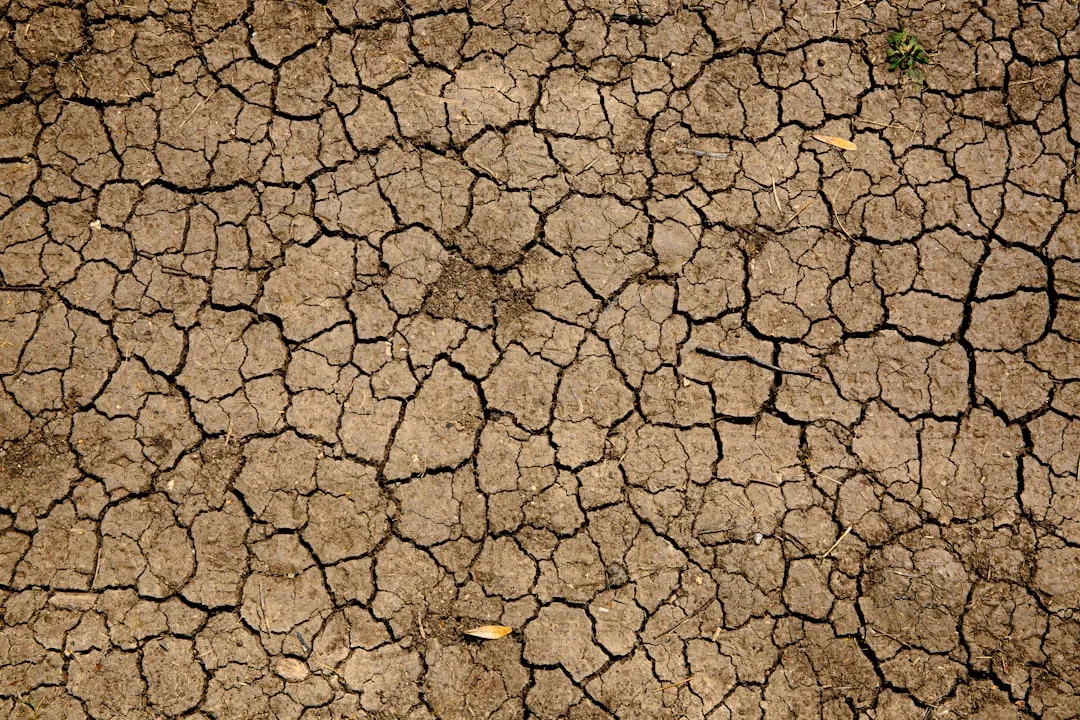
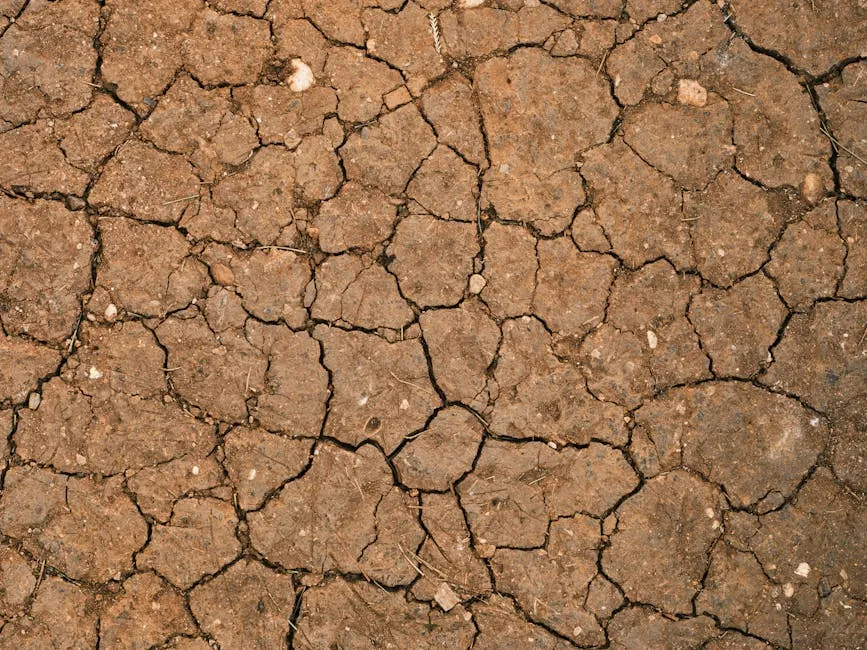
One of the most obvious early warnings is a soil surface that splits into jagged plates during a dry spell. Soil that is dried and cracked in summer is a recognised symptom of poor soil quality, and poor soil quality is almost always tied to a lack of organic matter. The cracking itself tells you that the soil has lost its ability to hold moisture and maintain a stable, open structure.
Increased soil organic matter improves water retention, creates more water-stable aggregates, improves air space in pore spaces, and improves water infiltration. Without it, the soil contracts aggressively as it dries, leaving those telltale surface fissures. A soil with adequate organic matter can be worked more easily and will also resist compaction more than a soil with low organic matter.
An ideal garden or landscape soil would contain a minimum of five percent organic matter. Most degraded urban and suburban garden soils fall well below that threshold, especially after years of bare-soil cultivation without amendment. The cracking pattern you see is essentially a soil in distress, signalling that its foundational chemistry has been stripped away.
2. Water Pools on the Surface or Runs Off Too Quickly
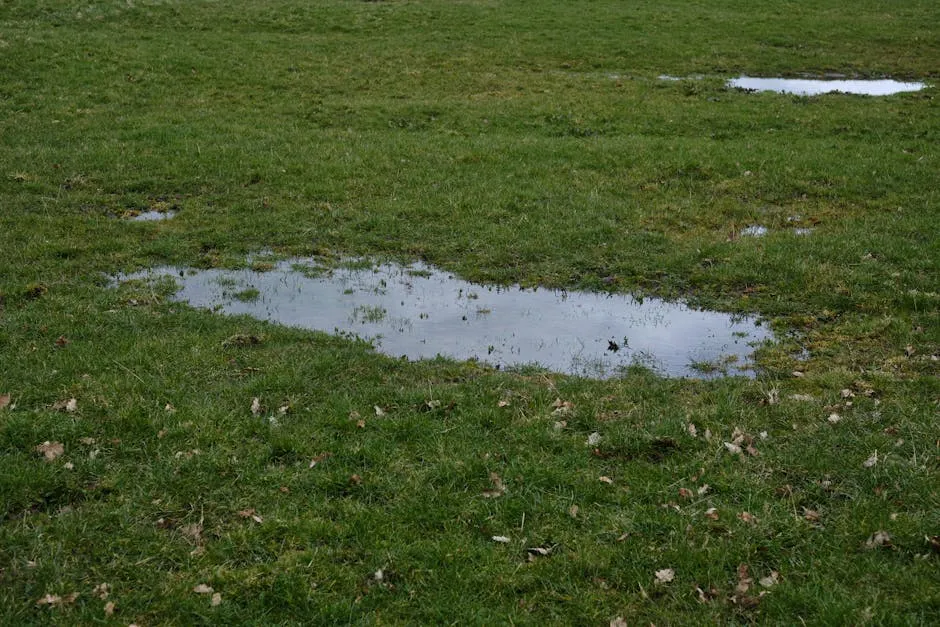
Water pooling on the soil surface and draining slowly, or running off the surface, is a recognised sign of poor soil quality. This happens because, without organic matter binding soil particles together, the structure collapses under rainfall pressure. The result is a hard, sealed surface layer that water simply cannot penetrate at a useful rate.
Organic matter promotes a loose, crumbly texture. It improves water-holding capacity in sandy soils and breaks up compaction in clay soils so that water and air can move through. Without organic matter, soil can become compacted and struggle to regulate water effectively.
Due to slower percolation of water in compacted soil, prolonged periods of saturated conditions can occur. In a garden context, this can suffocate roots, promote fungal problems, and make the entire bed unusable in wet weather. It’s a double problem: the same soil that floods in rain will bake rock-hard the moment things dry out.
3. No Earthworms When You Dig
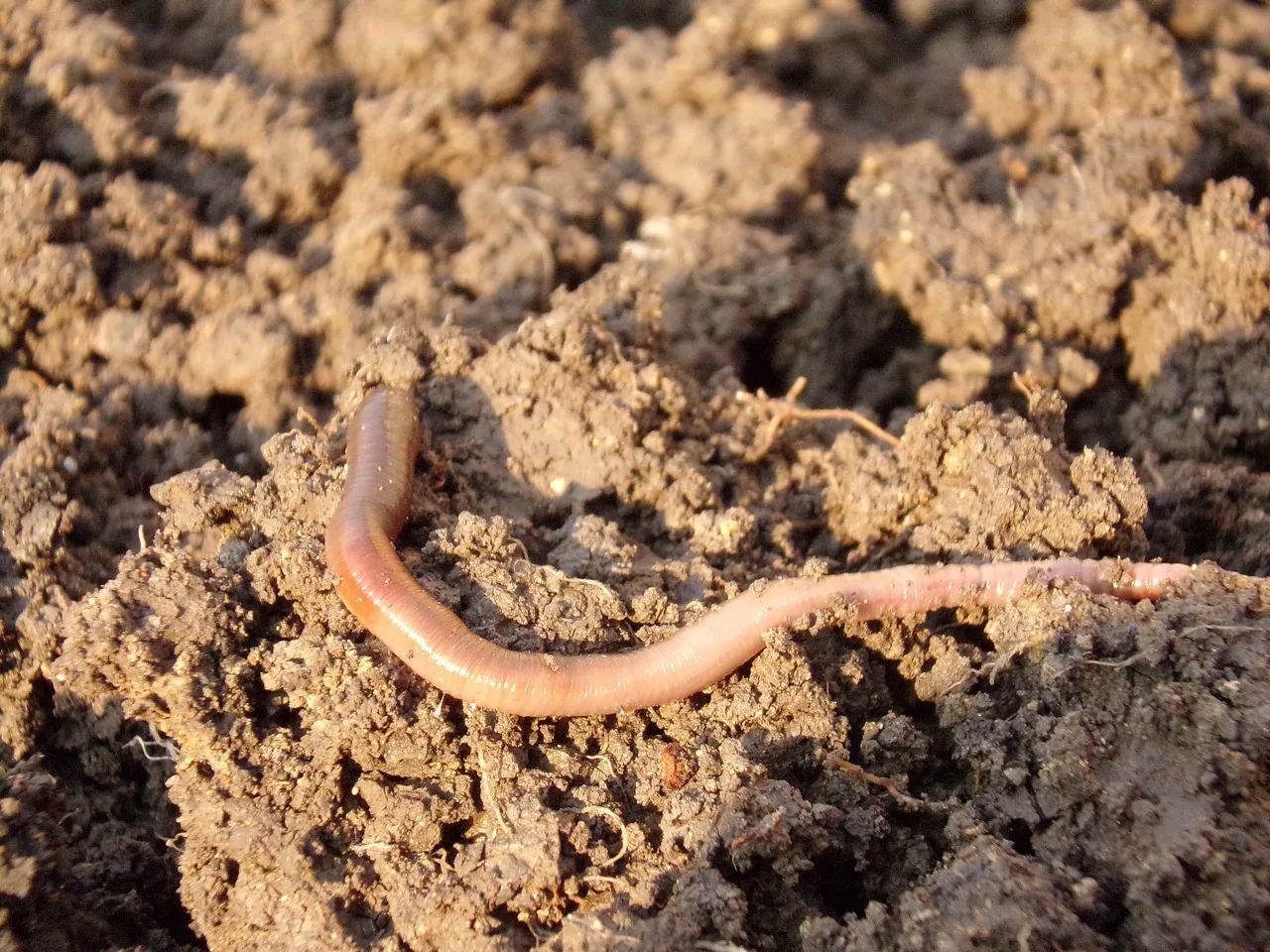
Dig a spade-depth hole in healthy garden soil and you should encounter earthworms within seconds. Their absence is a meaningful clue. The presence of earthworms is a strong indicator of nutrient-rich soil. These organisms aerate the soil and break down organic matter, enriching it with nutrients.
A lack of earthworms can indicate soil compaction, low organic content, or harmful chemical levels. Earthworms need organic matter to feed on; without it, there is simply nothing to sustain a population. Declining earthworm populations often signal soil degradation due to pollution, excessive tillage, compaction, or overuse of chemical inputs.
Earthworms are natural recyclers, consuming organic matter like dead plant material and animal waste, then breaking it down and excreting it in the form of nutrient-rich worm castings. When they disappear, you lose that entire biological recycling system. On farms using sustainable practices, the reappearance of earthworms often signals that soil restoration efforts are working.
4. Stunted Plant Growth and Yellowing Leaves
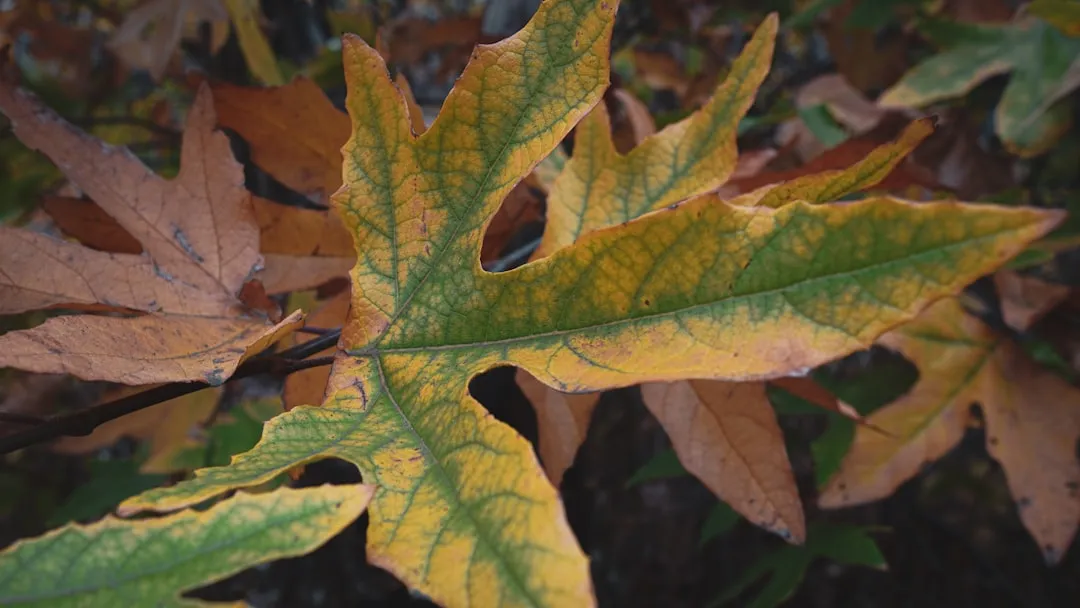
Plants growing in organic matter-depleted soil often look like they’re surviving rather than thriving. Leaves turn yellow, growth slows to a crawl, and the plants never quite reach the size they should. Symptoms of nitrogen deficiency usually appear as yellow leaves and stunted growth, with older foliage being affected first. This is because nitrogen is mobile in plants, meaning that as new leaves develop, they extract nutrients from the older leaves.
Soil organic matter improves water retention, cation exchange capacity, and serves as a reservoir for essential nutrients such as nitrogen, phosphorus, and sulfur. When organic matter is gone, that reservoir is gone too. A deficiency in nitrogen can lead to stunted growth and yellowing leaves. Phosphorus provides the energy plants need for root development and flowering. Without sufficient phosphorus, plants may struggle to establish strong roots and produce blooms.
In sandy and low organic matter soils, sulfur deficiency can also occur. Typical sulfur deficiency symptoms are reduced growth rate with plants becoming stunted and thin-stemmed. The important point is that these are not independent nutrient problems requiring individual solutions. They are often symptoms of a single underlying cause: soil stripped of its organic foundation.
5. Soil That Is Difficult to Dig, Wet or Dry
There’s a simple test that tells you a great deal about your soil: try pushing a spade into it. Digging holes in the soil is difficult, whether it is wet or dry. This is another classic sign of organic matter deficiency, and it’s one many gardeners dismiss as just the nature of their particular soil type. In reality, it’s a correctable condition.
Gardeners and landscapers commonly complain about hard and “sterile” soils. These problems are directly related to low soil organic matter levels. The hardness occurs because soil particles pack tightly together without the spongy, fibrous material of organic matter to keep them separated. In general, organic matter decomposition will be slower in compacted soils, and less biological activity will occur.
Soil organic matter can be depleted through repeated tillage or less organic material being returned to the soil. Rototilling, for example, will intensively break up the soil into fine particles and expose tremendous amounts of soil organic matter to oxidation, causing the soil to lose its precious organic carbon to the air as carbon dioxide. Many gardeners inadvertently accelerate this process every spring without realising it.
6. Pale or Washed-Out Soil Color

Healthy, organically rich soil has a deep, dark brown color that practically looks alive. When organic matter is low, that darkness fades to a pale, grey-brown or even sandy-grey tone. A pale color in soil indicates low organic matter and poor fertility.
The dark color of fertile soil comes largely from humus, the stable end product of decomposed organic material. When humus is depleted, the visual signal is immediate. Soil organic matter is a complex mixture of plant and animal tissues and plays an important role in the physical, chemical, and biological processes in the soil. Strip that mixture away and what remains is essentially mineral powder.
In some drier climates, soil organic matter levels can be as low as 0.25 to 1 percent, while regions with high rainfall can have soils with as much as 7 to 10 percent organic matter. The visual difference between those two extremes is dramatic and visible to the naked eye. If your soil looks pale and lifeless, trust what you’re seeing.
7. Plants Wilt Even After Watering

Watering your garden, walking away, and returning an hour later to find wilted plants is a profoundly frustrating experience. Rhododendrons, hydrangeas, and other shrubs wilt in hot weather even when watered, which is a recognised sign of poor soil conditions. The problem isn’t usually the amount of water you’re applying. It’s that the soil can’t hold onto it.
Proper moisture levels are crucial for nutrient-rich soil. Consistent moisture supports microbial activity and nutrient availability. Without sufficient organic matter, water passes straight through the soil profile before roots can absorb it. Soil organic matter promotes the cycling and transformation of soil nitrogen, phosphorus, sulfur, potassium, and other nutrients of critical importance for plant growth.
The wilting you observe is therefore a two-part failure: inadequate water retention and inadequate nutrient delivery happening simultaneously. Reaching for the watering can more often isn’t the fix. Adding back the organic matter that makes water retention possible in the first place is.
8. Frequent Blossom End Rot on Tomatoes and Peppers
If you grow tomatoes or peppers, blossom end rot is an unpleasant and all-too-common sight. That dark, sunken patch at the base of the fruit is a calcium uptake failure. Tomatoes and peppers developing blossom-end rot, even when fertilised with calcium, is a recognised symptom of poor soil quality. Adding more calcium is often the wrong response if the underlying soil structure can’t deliver it to the roots consistently.
In tomatoes, calcium deficiency can lead to blossom end rot. The solution involves checking soil pH to rule out soil acidity. Adding organic matter to the soil helps improve moisture retention. Consistent moisture is the key, because calcium moves to the fruit through the plant’s water stream. Any interruption in that flow causes the deficiency.
Organic matter is the mechanism that keeps moisture available and steady between waterings. Without it, even a well-fertilised soil delivers nutrients in erratic pulses rather than a steady supply. This is why blossom end rot can appear even when soil tests show adequate calcium levels.
9. Weeds That Struggle But So Does Everything Else
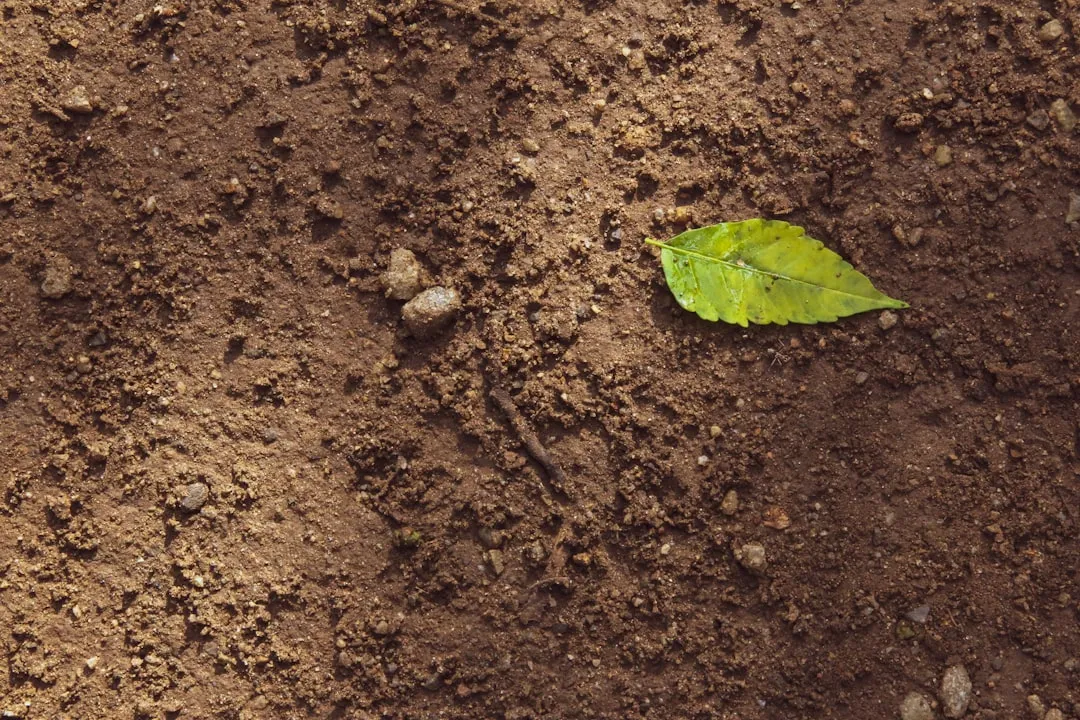
A counterintuitive sign worth noting is a garden where even weeds look sickly. Truly depleted soil suppresses plant growth across the board. Soil health indicators such as organic matter content and enzymatic activity are critical for assessing the sustainability of mineral soils. When those indicators collapse, very little grows well, regardless of what you plant.
The whole soil ecology depends heavily on soil organic matter, which also helps with nitrogen fixation, carbon sequestration, and plant nutrient retention. A thriving weed population can actually indicate a baseline of soil life. A garden where nothing establishes easily points to something more fundamentally wrong. Sparse, thin, struggling weeds on pale, rock-hard ground is a clear composite picture of serious organic matter depletion.
Building soil organic matter and improving soil health is a long-term investment and requires consistent practices like having well-timed and purposeful tillage, planting cover crops, and implementing crop rotation and diversity. Recognising the problem is the necessary first step before any of those practices can begin to help.
10. Leaves Showing Multiple Nutrient Deficiency Symptoms at Once
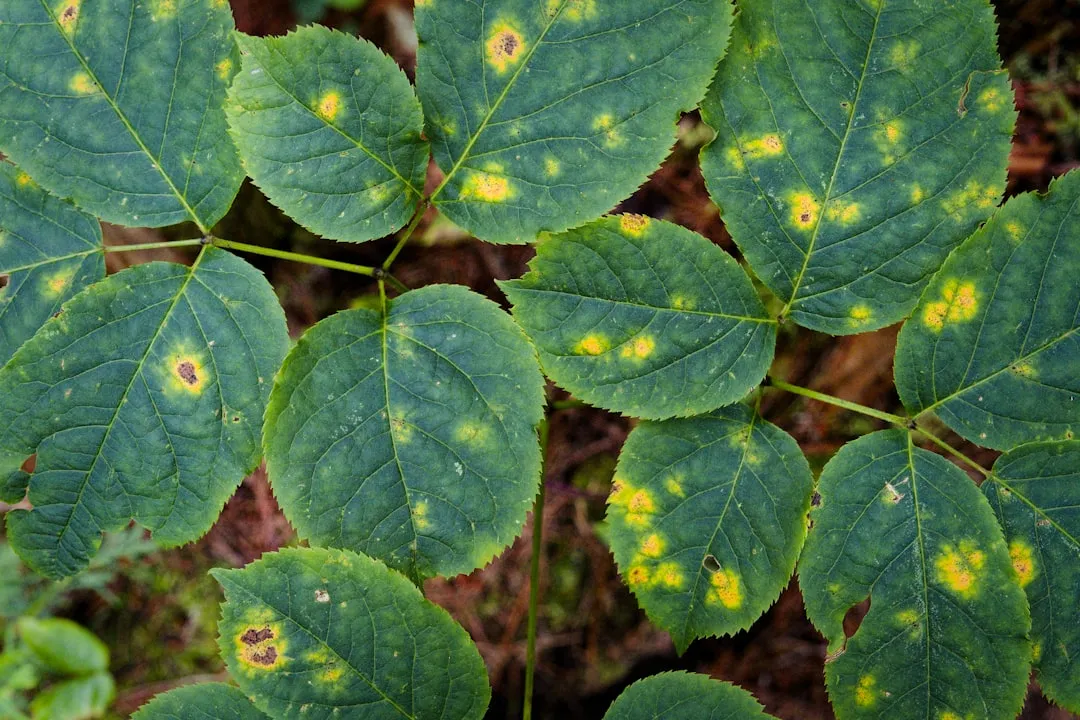
When your plants display a confusing combination of symptoms, such as yellowing between leaf veins, browning at leaf edges, and stunted new growth all at once, the instinct is to diagnose each symptom separately. Often, the real explanation is simpler. It is not always easy to identify nutrient deficiencies just by looking at a plant because the symptoms of several deficiencies are similar in appearance. More than one nutrient may also be deficient.
Soil organic matter is an important indicator of soil quality and fertility, and is the main source of mineral and organic nutrients for plants. When the organic matter is gone, multiple nutrient pathways fail simultaneously, producing that bewildering mix of symptoms. Organic matter is essential and is the single most important amendment that can be added to improve plant growth.
Incorporating organic matter to rehabilitate nutrient-poor soil is effective, as organic materials like compost or aged manure can serve as a slow-release reservoir of essential nutrients while gradually improving soil texture and promoting water retention. No single-nutrient fertilizer addresses the underlying deficit in the way a sustained program of organic matter addition does. The symptoms point to the system, not just the individual elements.
What to Do Next
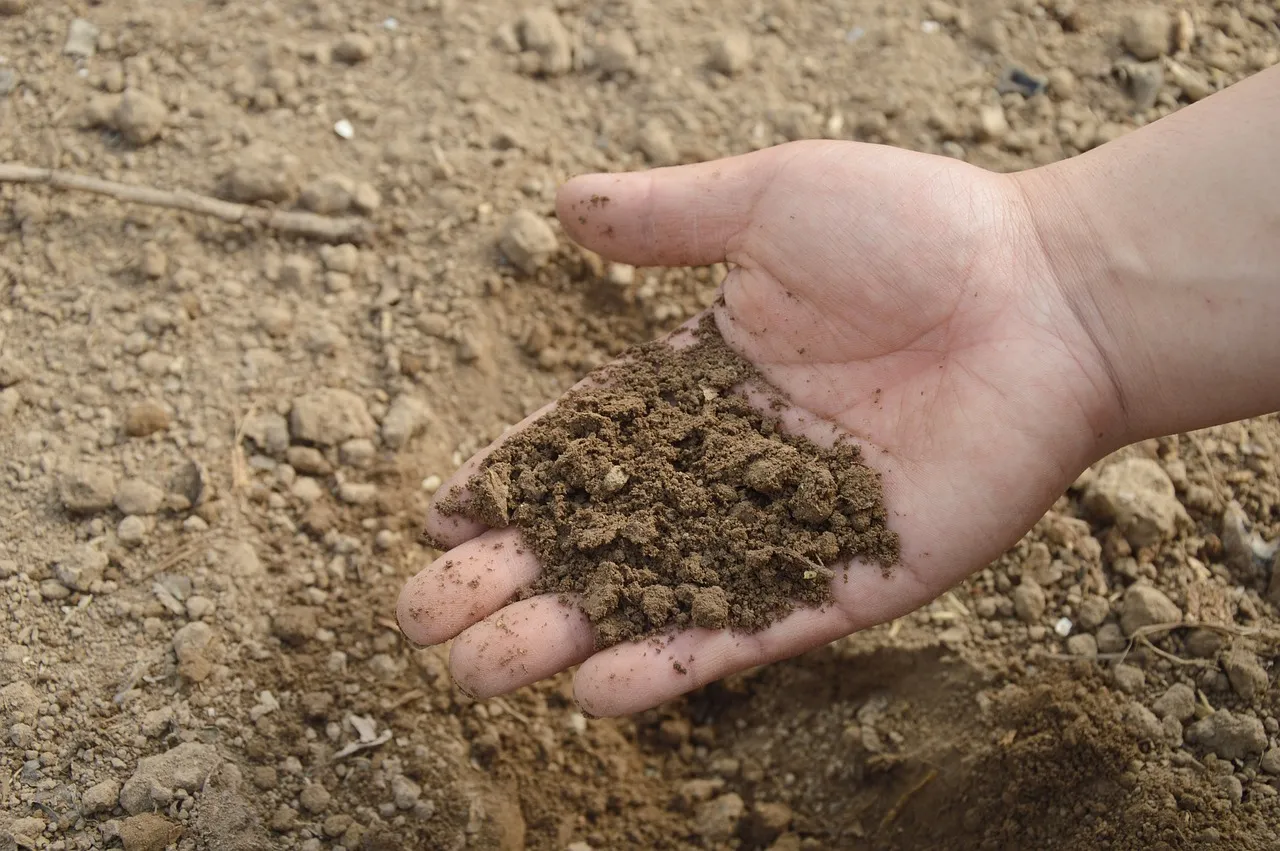
The good news is that depleted garden soil is not permanently ruined. In most cases, the best alternative is to amend the existing soil with organic matter, then bring in topsoil for areas of the landscape where added soil will have the most benefit, such as a raised-bed garden. Compost, aged manure, leaf mould, and cover crops are all proven routes back to fertility.
The levels of organic matter in any soil are a result of the equilibrium between the inputs of organic matter and the decomposition of organic matter by soil organisms. Tip the balance consistently in favour of inputs and the soil responds. The RHS notes that no-dig gardening improves soil health, often means less work, and can be started in late winter with a thick layer of organic matter placed on existing beds.
The signs covered here are not complicated to spot once you know what you’re looking for. Pale cracked soil, absent earthworms, wilting plants, pooling water, and cascading nutrient deficiencies are all telling the same story. Soil that has lost its organic matter has lost its ability to function as a living system, and no amount of watering or fertilising fully compensates for that. The soil itself needs to be rebuilt, and the sooner that work begins, the faster the garden responds.
AI Disclaimer: This article was created with the assistance of AI tools and reviewed by a human editor.