
Most gardeners spend more time in the greens bed than they need to. Leaves get scattered, stems slip between fingers, and what should take ten minutes stretches into a half-hour task. The rubber band trick changes that rhythm entirely, and it works best when you understand why the greens themselves are asking to be harvested a certain way.
The key isn’t just speed for its own sake. It’s building a smarter system that protects the plants, keeps the harvest clean, and gets you back inside with a full bowl before the morning dew has dried.
What the Rubber Band Trick Actually Is
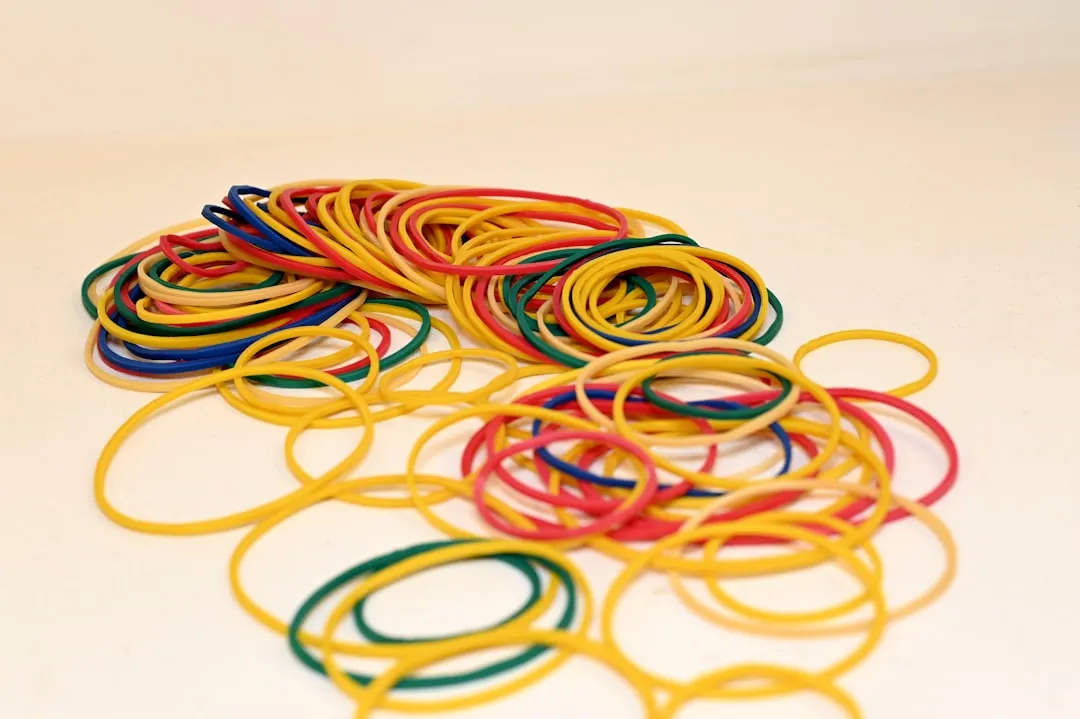
The rubber band trick is a simple harvest technique used by experienced market gardeners and home growers alike. Before you cut, you loop a rubber band around a cluster of stems, gather them into a loose bundle, then make a single clean cut below the band. You end up with a ready-to-wash bunch in one motion, with no second handling needed.
Whole plants or individual leaves may be harvested, and rubber bands or ties can be used to group loose leaves. That single step, grouping before cutting rather than after, is what removes the fiddly back-and-forth that eats up time at the harvest basket.
Why Speed Matters More Than You Think
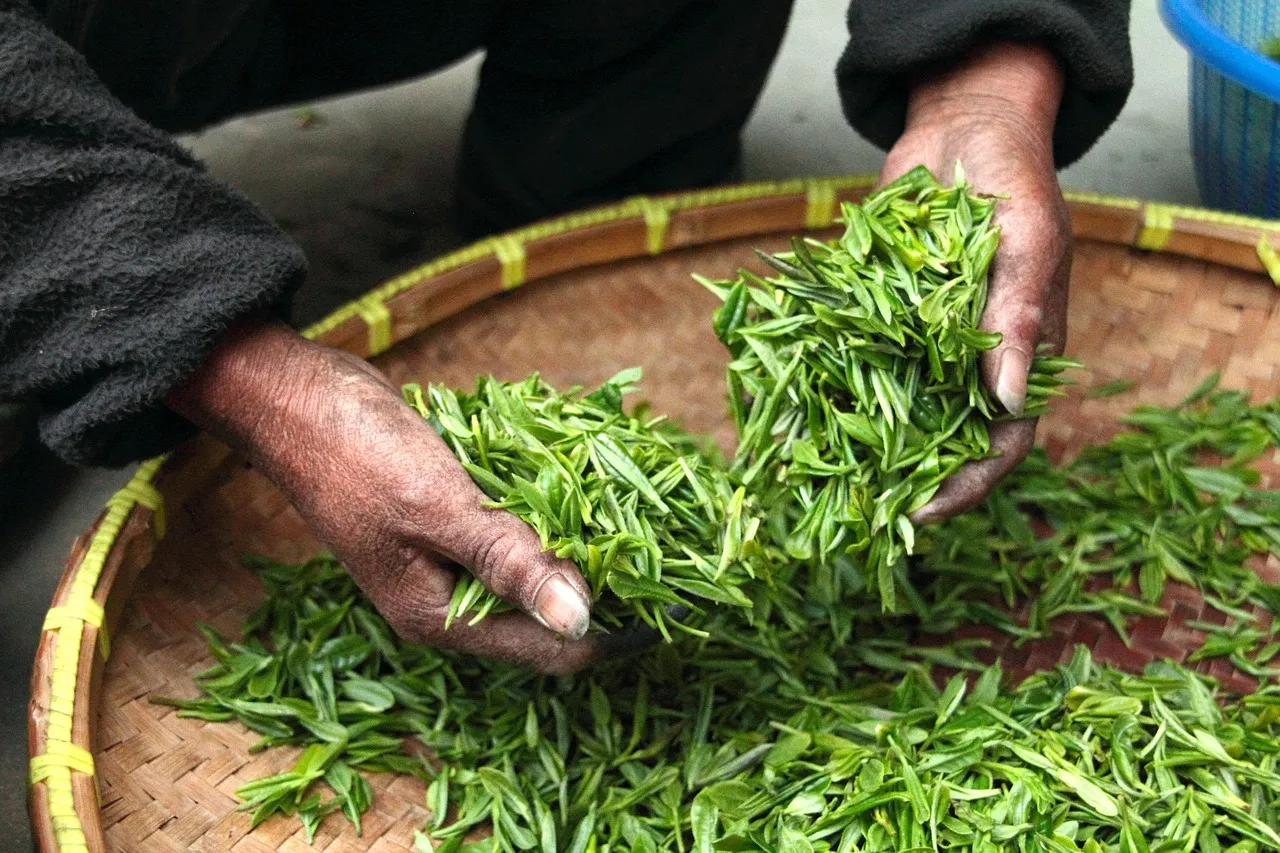
For best quality and longevity of leafy and heading crops, it is important to reduce respiration and water loss from crops immediately after harvest. Harvest is best done in the early morning when field heat is lowest. The longer leaves sit loose in warm air, the faster they wilt and lose quality.
Bundling with a rubber band before cutting means you handle each leaf cluster exactly once. That means greens go from stem to container in a single fluid motion, preserving crispness and minimizing bruising. Speed, in this case, is really just good plant science.
The Cut-and-Come-Again Method Is the Foundation
Instead of harvesting the entire plant, you remove just the outer leaves while leaving the center, or crown, intact. The plant continues to grow new leaves from the middle, giving you multiple harvests. The rubber band technique pairs perfectly with this approach because you’re gathering outer leaves in clusters anyway.
This method of perpetual harvesting promotes new growth, and vastly extends the time the plant gets to live in your garden. When you bundle before you cut, you work row by row without disrupting inner growth, which keeps both your workflow and your plants in better shape.
The One-Third Rule You Must Follow
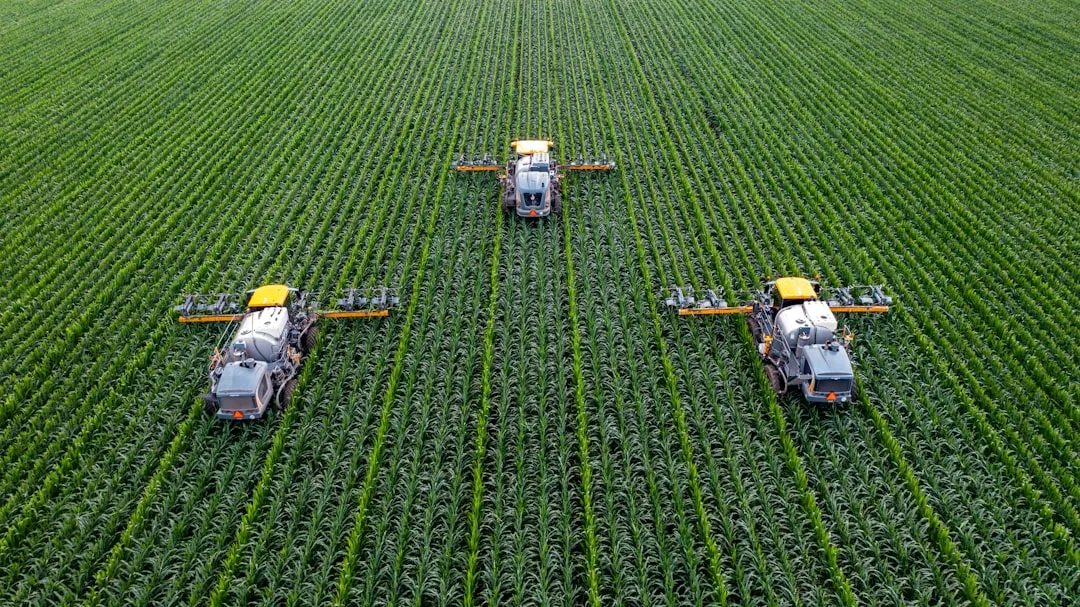
A good rule of thumb is to harvest no more than one-third of the plant at a time. This allows the plant to recover and regrow quickly. This is the boundary that separates a thriving plant from a stressed one, and it directly affects how often you can return to the same row.
Each leaf is essentially a solar panel, capturing sunlight to fuel continued growth. Harvest too aggressively, and the plant lacks the energy to recover. On the other hand, if you harvest properly, the plant can regenerate, often producing more tender and flavorful leaves than before. The rubber band approach helps you eyeball the right volume naturally because you’re building defined bunches rather than stripping leaves at random.
Protect the Terminal Bud at All Costs
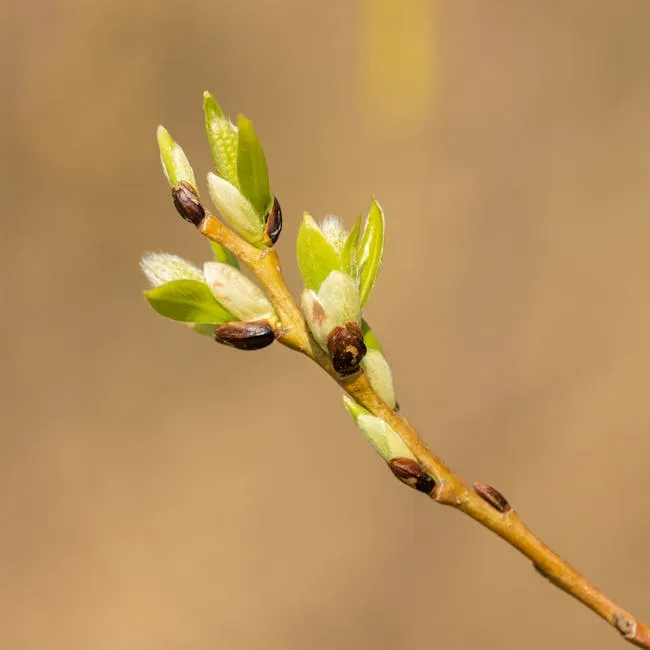
Don’t cut from the center top portion of the plant. That is where all the new growth is coming from, called the terminal bud. If it is removed, the plant will stop producing new leaves. This is the most common and most damaging harvesting mistake home growers make.
The rubber band trick naturally steers you away from the center because you’re gathering outer stems into bundles. You work from the periphery inward, stopping well before the crown. It’s a technique that enforces good practice almost automatically.
Clean Cuts Make Plants Recover Faster
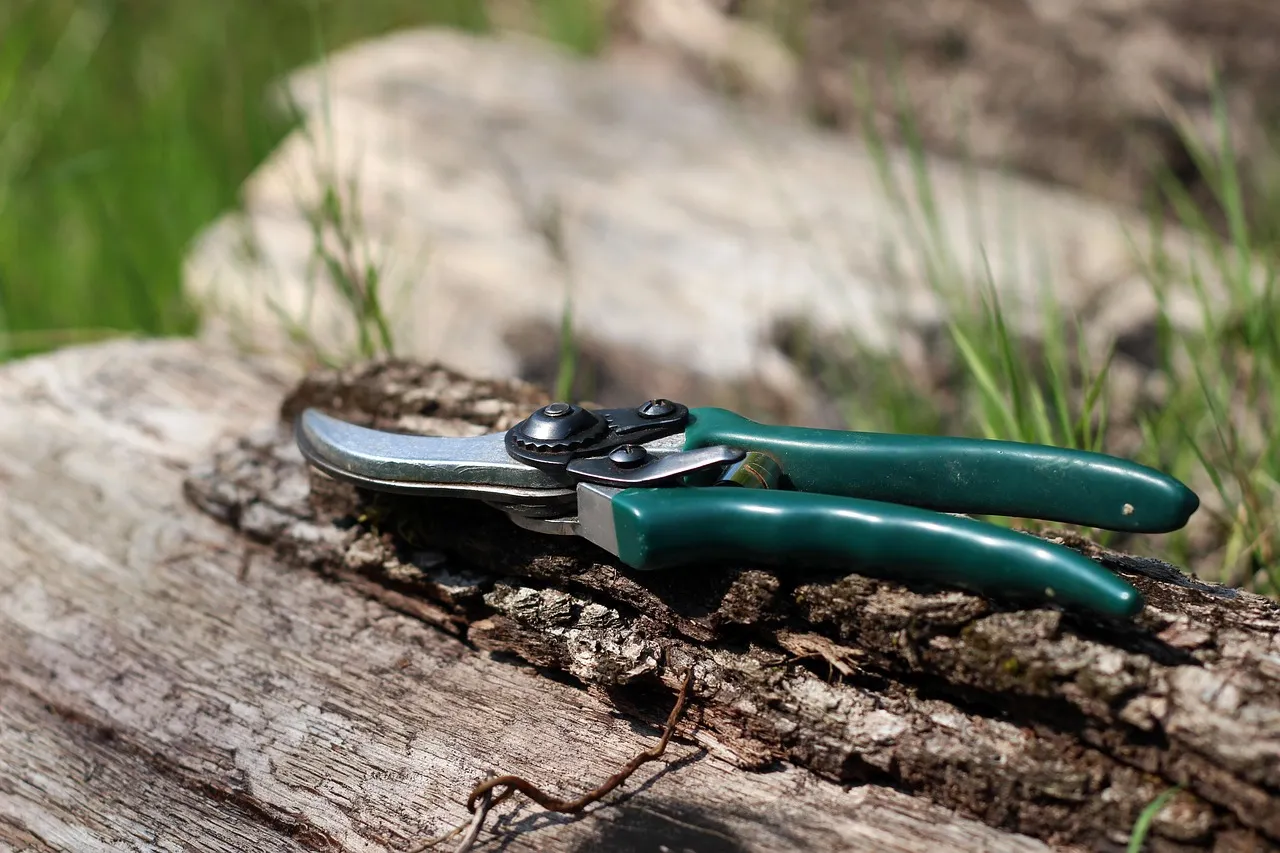
When removing a leaf, make sure to cut or tear it all the way down to the base where it is attached to the main stem. Leaving a little nub behind may hinder the plant’s growth or increase the risk of disease. A rubber-banded bundle held firm means your scissors meet the stems at a consistent angle, which results in cleaner cuts across the whole cluster.
Sharp scissors work perfectly for delicate lettuce and spinach, while harvest shears handle tougher kale stems. Your cutting techniques should create clean cuts that heal quickly and encourage regrowth. The combined effect of bundling and sharp tools is a noticeably cleaner cut surface on every stem in the row.
Which Greens Respond Best
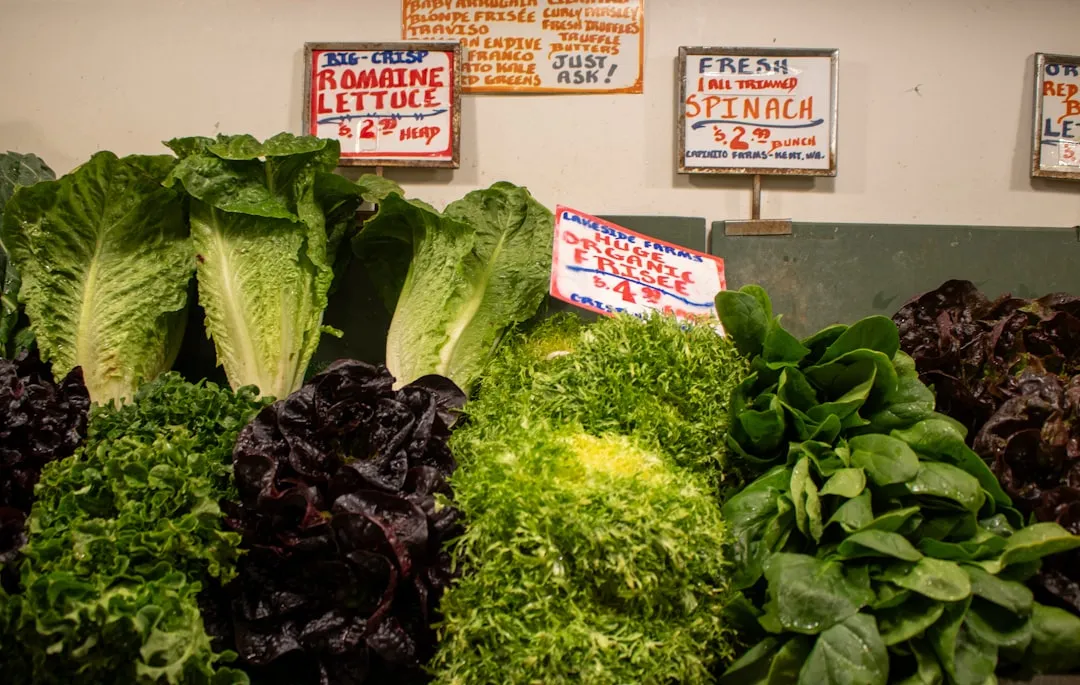
Continuing harvesting this way works well for swiss chard, mustard greens, bok choy, collard greens, lettuce, arugula, and many types of Asian greens. Loose-leaf varieties with open, spreading growth habits are the most efficient to bundle because the outer stems splay outward naturally.
While some lettuces are not suitable for cut-and-come-again harvesting, loose-leaf varieties like Red Leaf and Green Leaf are perfect for this method. Tight heading types like iceberg or full romaine don’t bundle well for this trick, but they’re also harvested as whole heads anyway, so the technique simply doesn’t apply there.
How Rubber Bands Help With Post-Harvest Handling
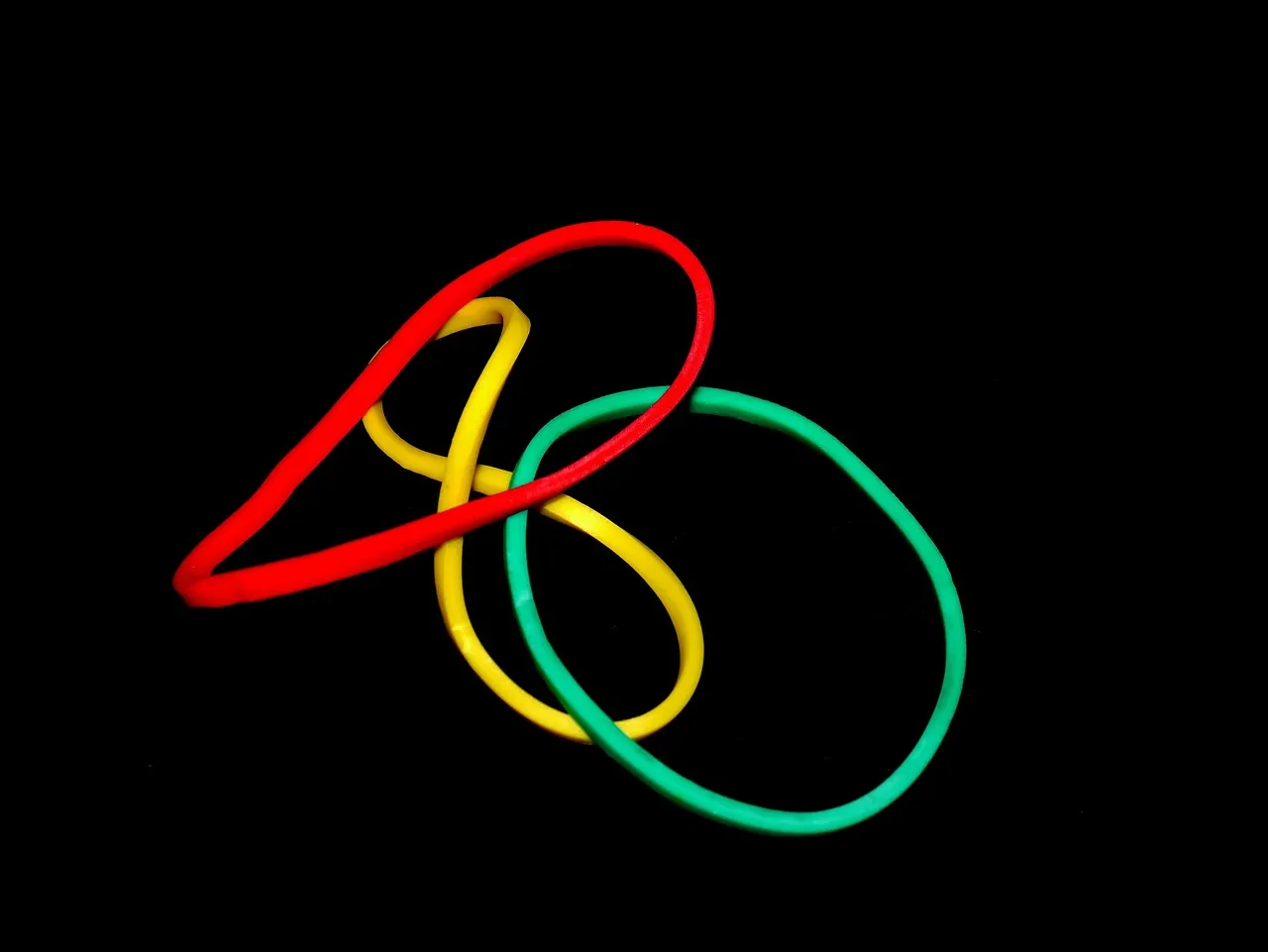
Rubber bands or ties can be used to group loose leaves. Leaves are bunched, three to five stalks per bunch, prior to washing and cooling. The bundle you created in the field is the same bundle you rinse, dry, and store, which means you’re not re-sorting at the kitchen sink.
Bundle greens with rubber bands, avoiding tight compression that damages leaves. That detail matters. A band snugged too tightly crushes stems and bruises leaves at the contact point. Loose enough to hold the cluster together, firm enough to keep them from splaying, is the right tension.
Harvesting at the Right Time Doubles the Payoff
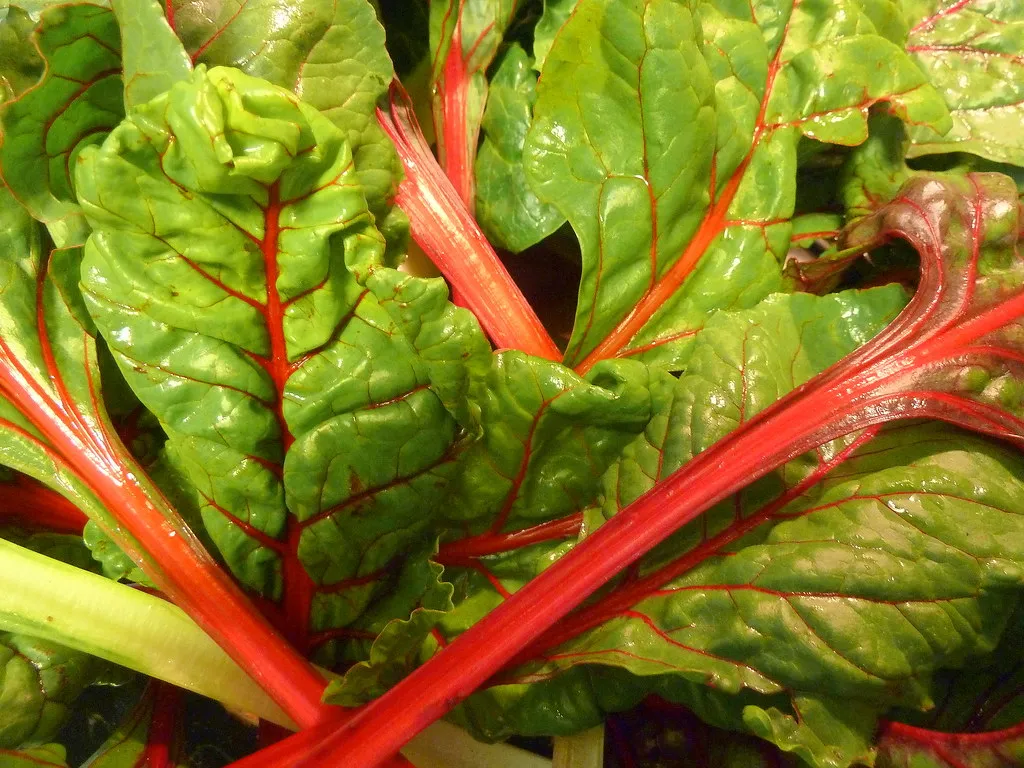
Early mornings are your window for harvesting, when plants are hydrated and at their best. Midday heat saps the greens, making them wilt faster in the bag. Combine that timing with the rubber band method and you’re working with leaves at their firmest and crispest, which also makes bundling easier since stiff stems hold together better than limp ones.
Leaves are susceptible to bruising, so handle gently, wash in very cold water, and dry using salad spinners before storing at 32 to 35 degrees Fahrenheit with 98 to 100 percent relative humidity. Because bundling reduces the number of times each leaf is touched, cold-water washing of intact bunches is faster and more thorough than washing loose handfuls.
Consistency and Succession Keep the System Running
Harvest the leaves once a week or as often as necessary. Just make sure to leave enough leaves on the plant for it to regrow and thrive. A weekly rubber-band harvest routine becomes genuinely fast because you’ve already learned the natural groupings of each plant, so you move from row to row without stopping to think.
Succession planting, sowing a new round of seeds every two to three weeks, will ensure you never run out of leafy greens. When each planting matures at a staggered interval, each harvest session stays compact because you’re only working one section at a time. The rubber band trick plus succession planting is the full system, and together they really do transform the job.
Conclusion: Simple Tools, Smarter Habits
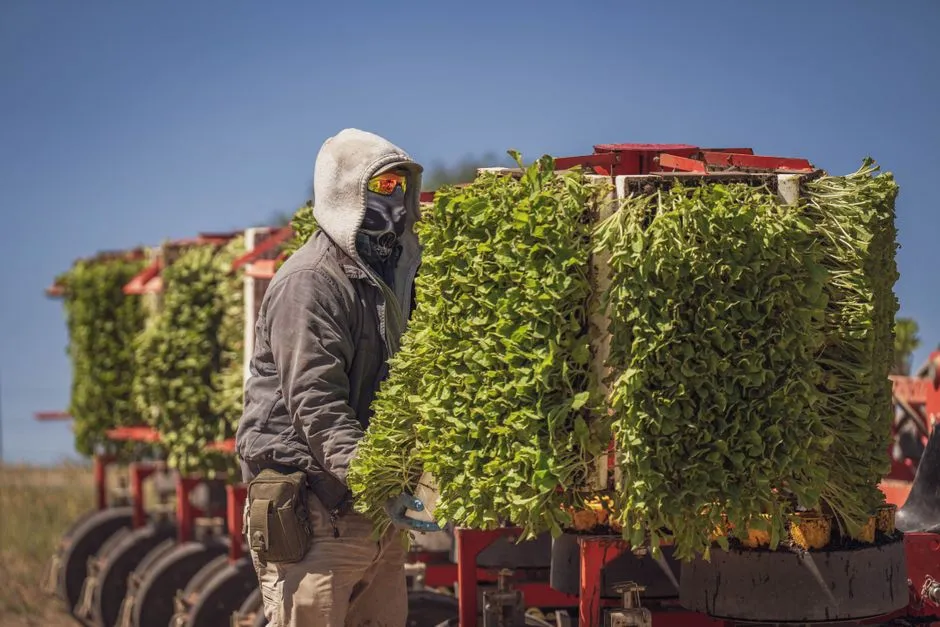
There’s nothing complicated about the rubber band trick. It works because it removes wasted motion, reduces handling, and aligns naturally with how leafy greens want to be harvested. The plants stay productive longer, the greens reach the kitchen in better condition, and the time you save each session adds up across a whole growing season.
The deepest lesson here is that efficiency in the garden rarely comes from new technology. It comes from observing what the plants actually need, then building the simplest possible system around that. A rubber band costs almost nothing. Used well, it earns back far more than that.
AI Disclaimer: This article was created with the assistance of AI tools and reviewed by a human editor.