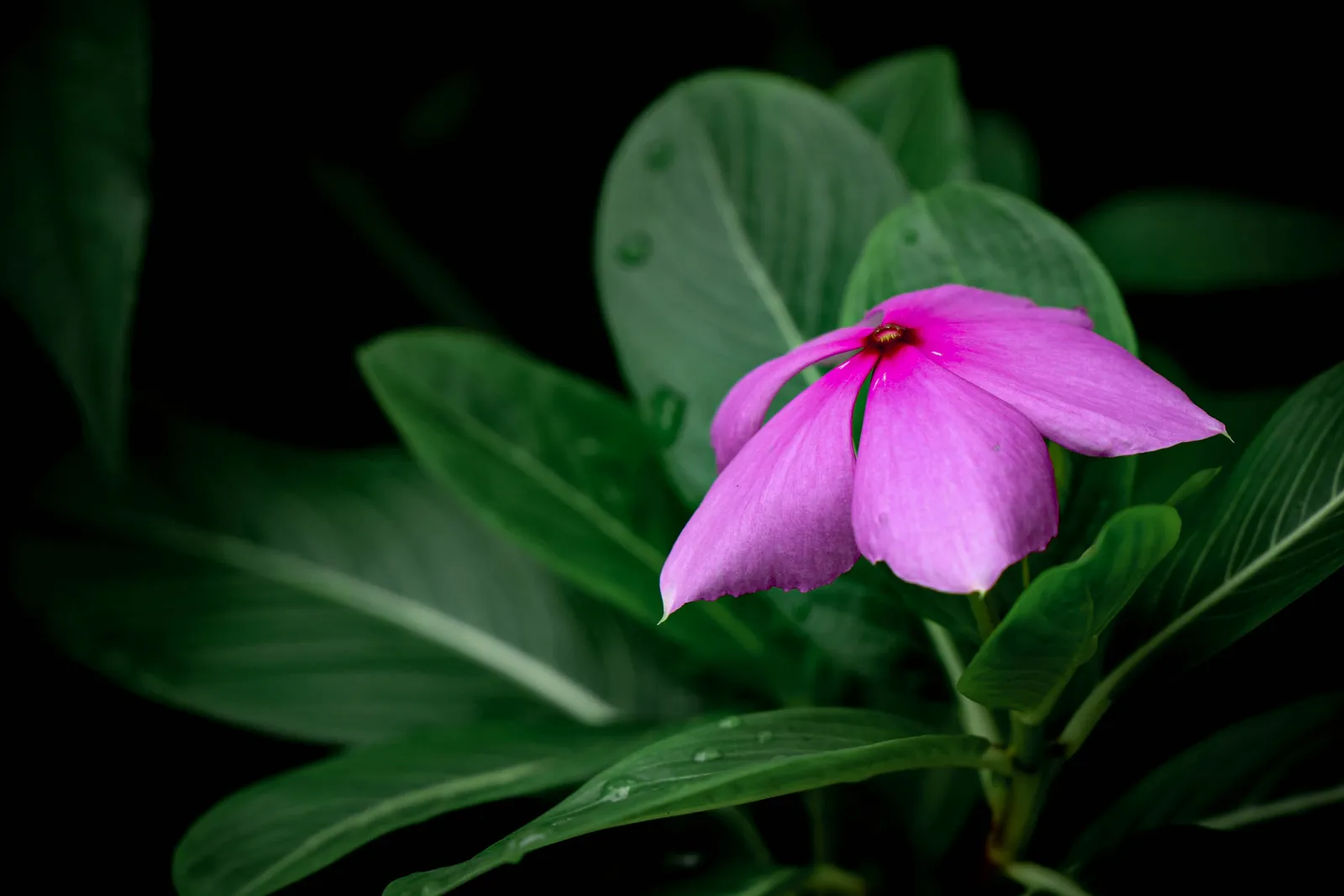

Gardeners across many regions turn to New Guinea impatiens each year for reliable color in containers, borders, and shaded beds. These plants deliver nonstop blooms through the warm months when given the right conditions from the start. With planting season underway in late spring, a few straightforward steps help ensure strong growth and abundant flowers even as temperatures rise.
Selecting the Right Spot for Summer Performance
New Guinea impatiens thrive when placed where they receive morning sun followed by afternoon shade. Eastern exposures often work especially well, providing the gentle light these plants prefer without the stress of intense midday rays. In cooler northern climates, they can handle more direct sun, while southern gardens benefit from extra protection during the hottest hours. Too much full sun leads to smaller flowers and scorched foliage, while deep shade reduces blooming. Aim for four to six hours of filtered or indirect light daily to keep plants compact and productive. This balance supports the lush foliage and vivid colors that make the plants a summer favorite in mixed plantings.
Preparing Soil and Getting Plants Established
Well-draining soil that retains moisture forms the foundation for healthy roots. Amend garden beds or container mixes with compost or other organic matter to improve fertility and water-holding capacity. A slightly acidic pH between 6.0 and 6.5 suits them best, though they adapt to a range of conditions when drainage remains consistent. Plant outdoors only after the last frost when nighttime temperatures stay above 45 to 50 degrees Fahrenheit. Set transplants at the same depth as their nursery pots and water thoroughly right after planting. Mulch around the base helps moderate soil temperature and reduces moisture loss during summer dry spells.
Watering and Feeding for Continuous Blooms
Consistent moisture keeps New Guinea impatiens looking their best without the wilting that signals stress. Water at the base of the plants to reach the roots directly, and check soil regularly so it never dries out completely. In hot weather, daily watering may be needed for container-grown specimens, while in-ground plants often require attention every few days. These heavy feeders respond well to supplemental nutrition throughout the growing season. Apply a balanced, water-soluble fertilizer every three to four weeks, or use a half-strength solution more frequently for steady results. Mixing compost into the soil at planting time provides an initial boost that supports vigorous growth and flower production.
Keeping Plants Healthy Through the Season
Routine checks help catch any issues early and maintain the tidy habit these plants naturally hold. Remove spent blooms to encourage more flowers, though many modern varieties stay productive with little intervention. Good air circulation around the plants reduces the chance of fungal problems in humid conditions. New Guinea impatiens generally resist downy mildew better than traditional impatiens types, adding to their appeal for summer displays. In regions where they act as tender perennials, gardeners in warmer zones can sometimes overwinter favorites indoors. With these basics in place, the plants deliver weeks of color that reward the modest time invested in their care.
AI Disclaimer: This article was created with the assistance of AI tools and reviewed by a human editor.