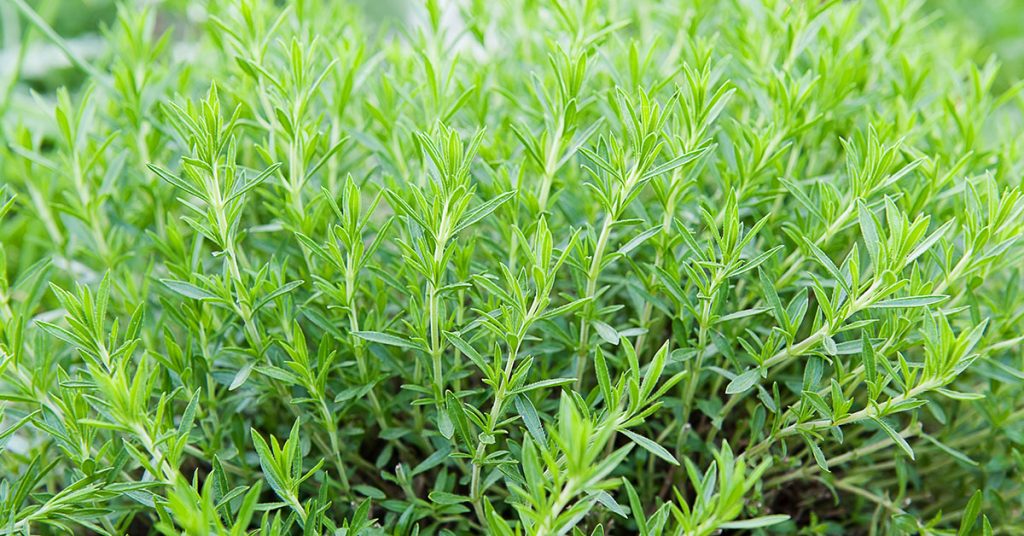
Tarragon is a delicate and flavorful herb that is popular in French cuisine, but it can be a bit tricky to grow at home. However, with the right growing conditions and a little care and attention, anyone can grow this tasty herb in their own backyard or windowsill garden. In this article, we’ll take a...
Herb Gardening
If you visit a market, you’ll probably see tons of products labeled as ‘organic.’ Everything from pizzas to burritos to bread. But how does all that organic stuff in the grocery store relate to organic gardening?
Truthfully, it doesn’t really. All that stuff, even if it’s organic, is still processed and a far cry from an organic garden.
Organic gardening is a practice that seeks to work with mother nature instead of against her, cultivating a garden ecosystem that bolsters your plants and reduces pest issues naturally.
Organic gardens are nearly always without any kind of synthetic chemical use, be it pesticides, herbicides, fungicides, or fertilizers. Organic gardeners use natural techniques to reduce common problems that gardens experience.
Organic gardeners often plant a diverse array of fruits, vegetables, and herbs. They also use natural solutions, like lady bugs and praying mantises, for getting rid of unwanted insect pests. The objective of a garden shouldn’t be to go scorched earth and destroy all pests, but to reduce their numbers enough that those beings can continue to survive and so can your garden. It’s the natural way to go about growing your own food.
The benefits of organic gardening speak for themselves. When you set up an organic garden, you do a lot of good for the environment and yourself. The fruits and vegetables you grow are healthier for the earth and for you too. And let’s face it, organic produce just seem to taste better than the conventionally grown stuff you find in the store!
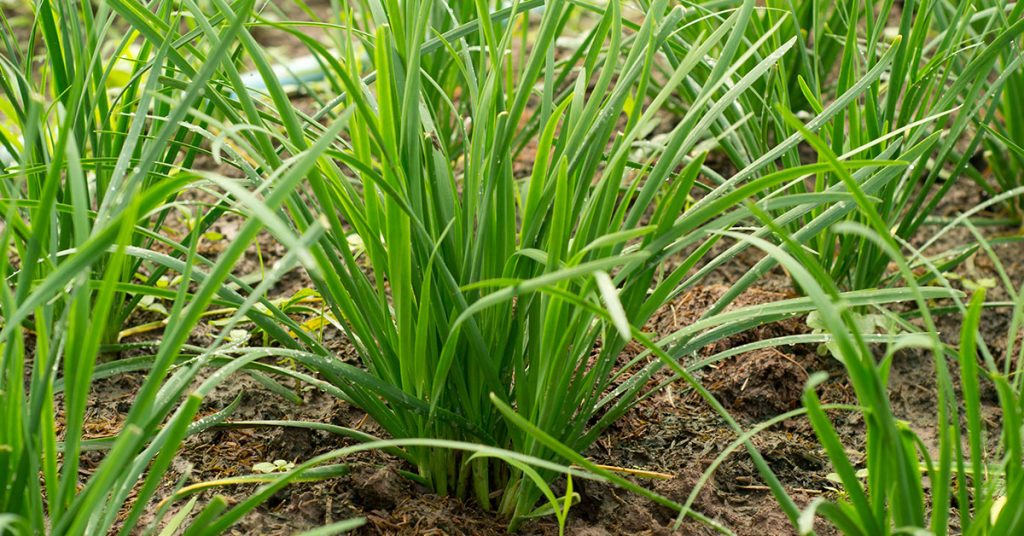
Garlic chives (Allium tuberosum) are a versatile herb that are commonly used in Asian cuisine and can be grown in a home garden. In this article, we will provide you with information on what garlic chives are, how to grow and care for them, and how to use them in your cooking. What are Garlic...
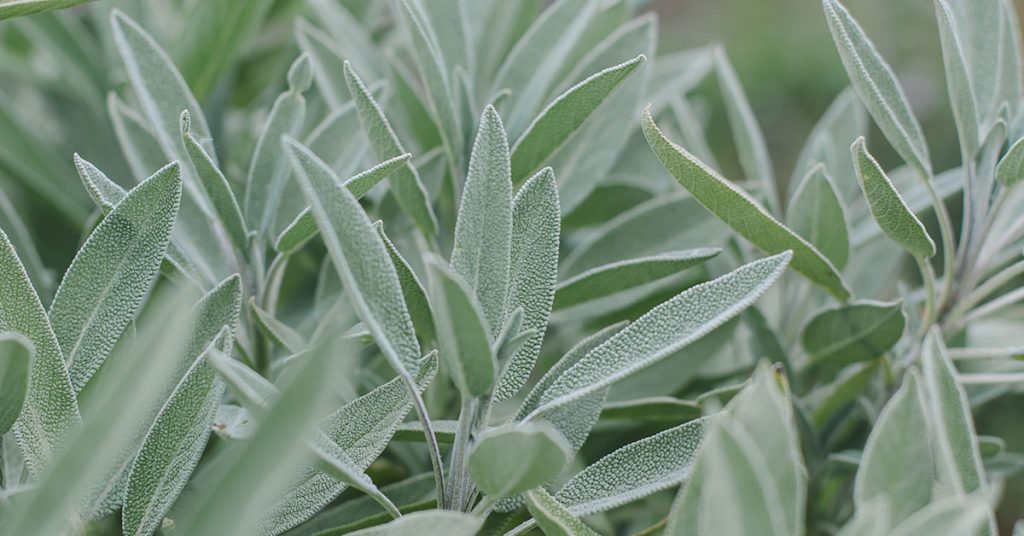
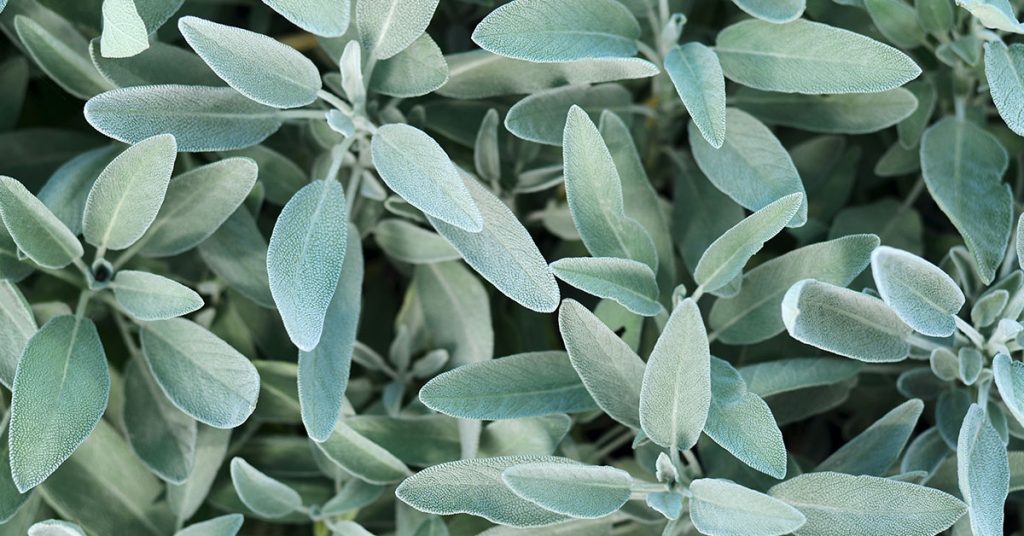
Sage (Salvia officinalis) is a hardy perennial herb that is popular among home gardeners due to its ease of cultivation and versatility in culinary and medicinal applications. Growing sage in your own garden can provide a fresh and flavorful addition to your dishes, as well as offer various health benefits. In this article, we will...
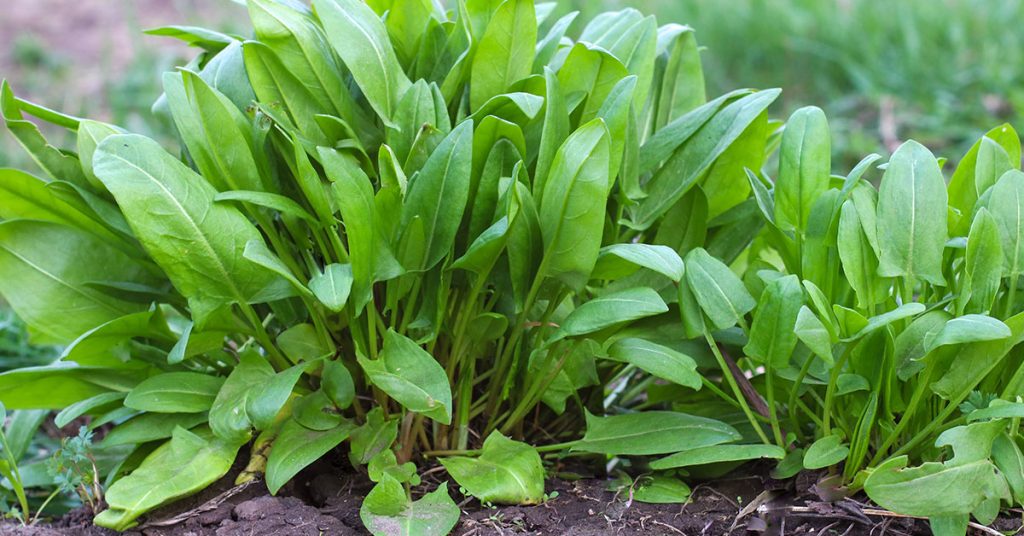
Sorrel is a leafy herb that is popular in European and Middle Eastern cuisine. It has a tart and lemony flavor that is often used to add a tangy kick to salads, soups, and sauces. In this article, we will discuss what sorrel is, what it tastes like, and how to grow it in your...
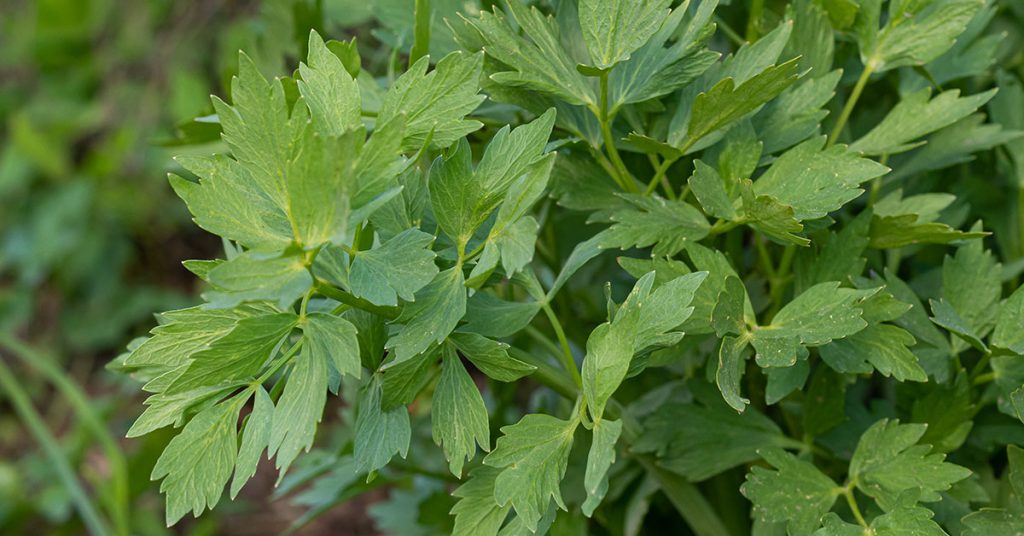
Lovage (Levisticum officinale) is a unique and versatile herb that is commonly used in European cuisine. This perennial plant has a distinctive flavor that is similar to celery, with a touch of anise and parsley. It’s a great companion plant for cabbage. This herb can grow up to six feet tall and is known for...
Arctic thyme (Thymus praecox ssp. arcticus) is a hardy and fragrant herb that is native to the arctic regions of North America, Europe, and Asia. It is a member of the mint family and has small, pale pink or purple flowers that bloom in the summer. It is a popular herb for rock gardens, alpine...
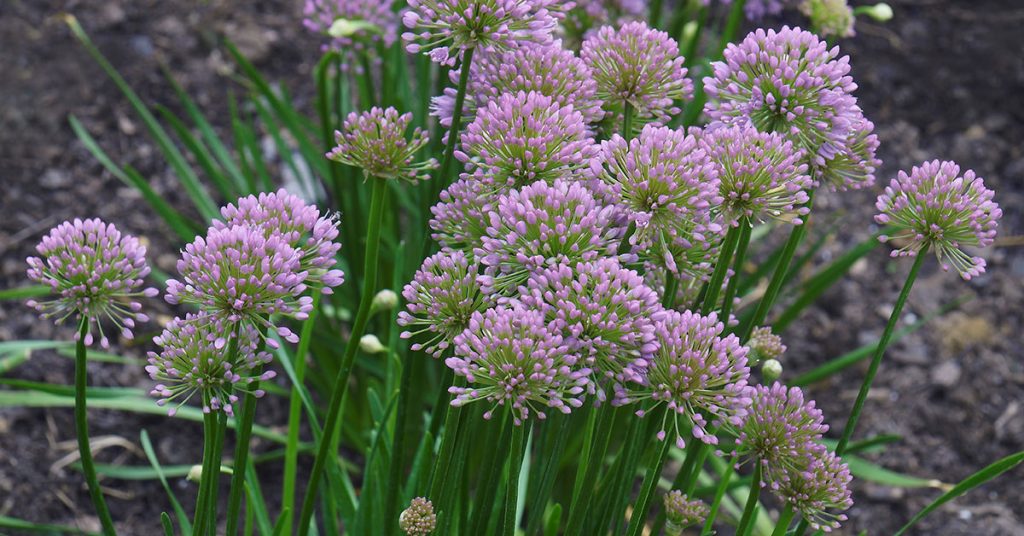
Siberian chives (Allium nutans) are a perennial herb that is native to Central Asia and Siberia. It is a member of the allium family, which includes onions, garlic, and leeks. Siberian chives have a delicate onion flavor and are commonly used in cooking and garnishing. In this article, we will discuss how to grow and...
Wild mint (Mentha arvensis), also known as field mint or corn mint, is a fast-growing, hardy perennial herb that is native to Europe, Asia, and North America. It has a distinct, refreshing minty aroma and flavor, and it is used in a variety of culinary and medicinal applications. In this article, we will discuss how...
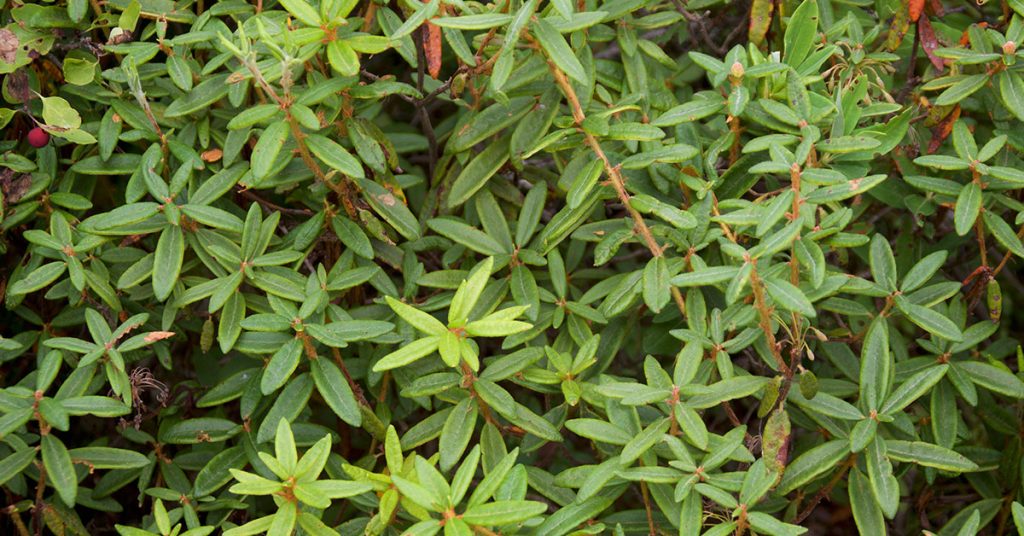
Labrador tea is a low-growing shrub that is native to northern regions of North America, including Labrador, Newfoundland, and Alaska. It is a hardy plant that is prized for its fragrant leaves and medicinal properties. Growing and caring for this herb requires some special considerations, but it can be a rewarding addition to your garden....
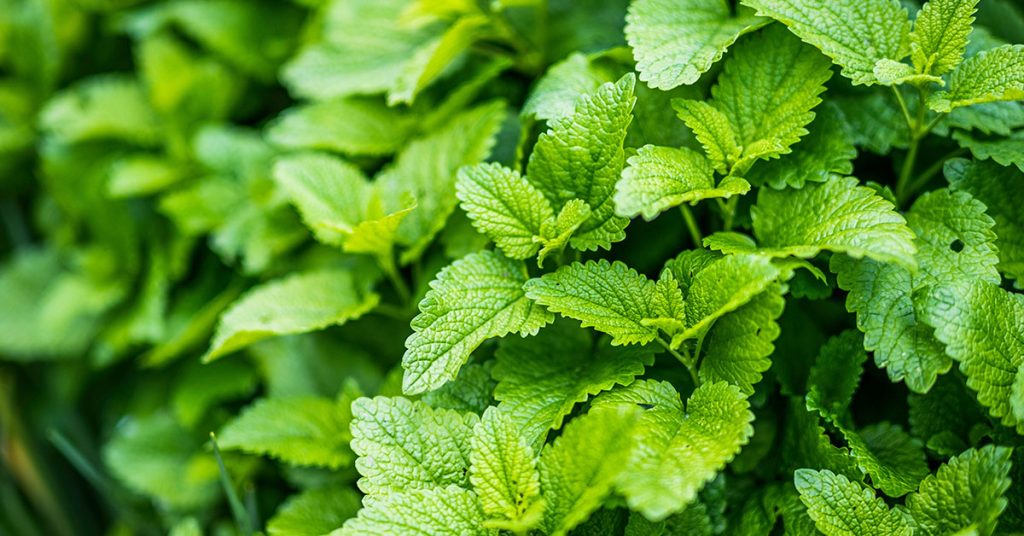
Lemon balm, also known as Melissa officinalis, is a perennial herb in the mint family. It is widely cultivated for its lemony fragrance and is used in various culinary and medicinal preparations. Growing and caring for lemon balm is relatively easy, and it can be a great addition to your herb garden. In this article,...
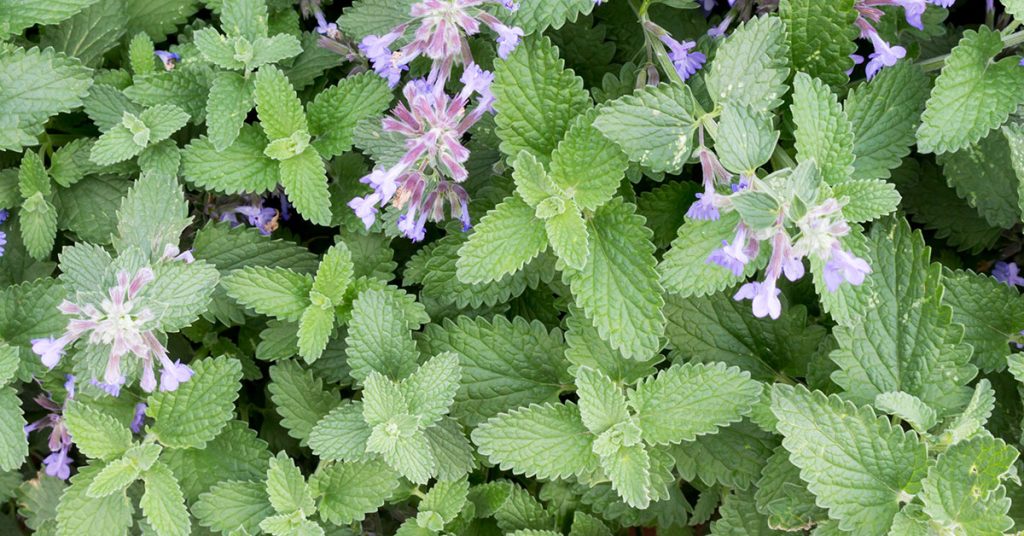
Catnip, also known as Nepeta cataria, is a perennial herb that belongs to the mint family. It, alongside catmint, is a popular plant among cat owners because of its euphoric effect on cats. However, catnip has several uses beyond keeping your feline friend happy, and it’s easy to grow and care for. In this article,...
Growing perennial herbs in zone 3 presents both advantages and challenges for gardeners. On the positive side, the cold-hardy perennial herbs that thrive in this zone often require less maintenance and watering than their annual counterparts, and they can provide a consistent supply of fresh herbs year after year. On the other hand, zone 3’s...