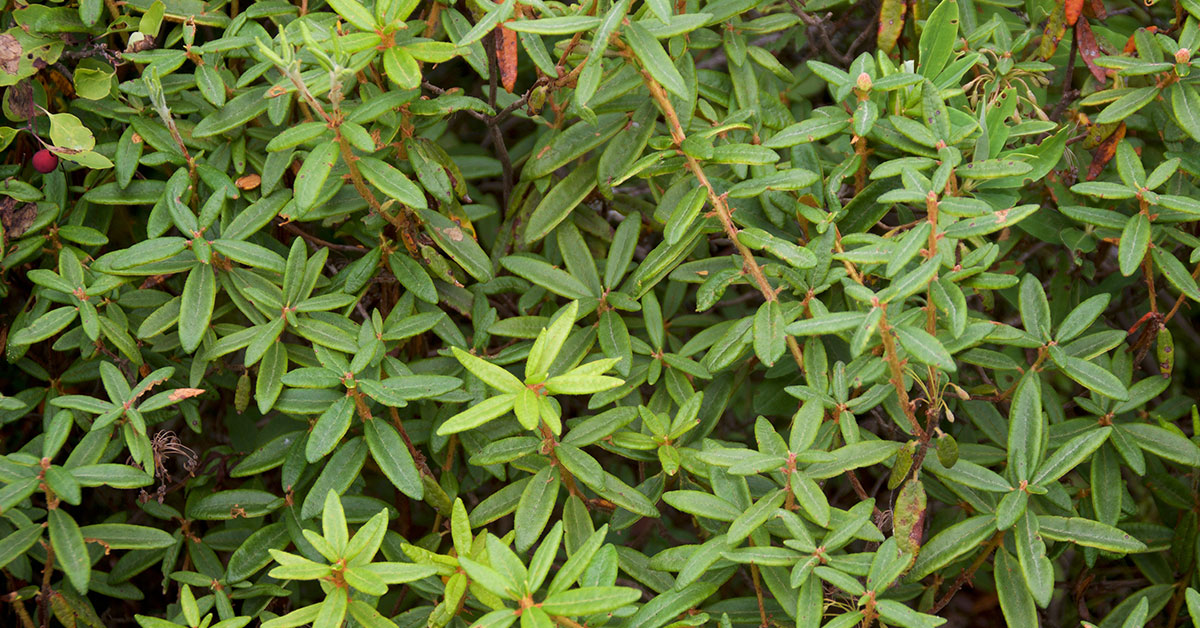

Labrador tea is a low-growing shrub that is native to northern regions of North America, including Labrador, Newfoundland, and Alaska. It is a hardy plant that is prized for its fragrant leaves and medicinal properties. Growing and caring for this herb requires some special considerations, but it can be a rewarding addition to your garden. In this article, we will discuss everything you need to know about growing and caring for this hardy shrub.
What is Labrador Tea?
Labrador tea (Rhododendron groenlandicum) is a low-growing evergreen shrub that is native to the northern regions of North America, including Alaska, Canada, and Greenland. It is a hardy plant that grows in acidic and moist soil and prefers cooler climates.
It is a member of the heath family, which includes other familiar plants such as blueberries and cranberries. It is known for its fragrant leaves, which are used for making tea and for medicinal purposes by indigenous peoples of the North. It has been used to treat respiratory infections, ease digestive issues, and promote relaxation.
It is also valued for its beauty, with small white or pink flowers that bloom in the spring or early summer. Labrador tea is a slow-growing plant that requires some special considerations, but it can be a rewarding addition to your garden.
Planting Labrador Tea
Labrador tea is a slow-growing plant that prefers acidic and moist soil. It grows best in cool, humid climates, such as those found in the northern regions of North America. Here are the steps to follow when growing this shrub:
Find a location in your garden that is partially shaded and has acidic soil. It requires a soil pH of 4.0 to 5.5. Prepare the soil by removing any weeds and debris. Add organic matter like peat moss or compost to the soil to improve its acidity and drainage.
Plant in the spring or fall. Dig a hole that is slightly larger than the root ball and plant the shrub at the same depth as it was in the container. Water the soil thoroughly. This shrub requires regular watering to keep the soil moist. Avoid overwatering, as this can lead to root rot.
Labrador tea doesn’t need much fertilizer. However, you can fertilize it with a balanced fertilizer once a month during the growing season. Mulch around the shrub with a layer of pine needles or bark to retain moisture and suppress weeds.
Caring for Labrador Tea
Labrador tea is a low-maintenance plant, but it still requires some care. Here are some tips on how to care for Labrador tea:
- Watering: Water Labrador tea regularly to keep the soil moist. Avoid overwatering, as this can lead to root rot.
- Pruning: Prune once a year to remove dead or damaged branches. Avoid heavy pruning, as this can damage the plant.
- Pests and Diseases: This herb is relatively pest and disease-resistant. However, you should keep an eye out for aphids, spider mites, and leaf spot. Treat infestations with insecticidal soap or neem oil.
- Propagation: It can be propagated from stem cuttings or by layering. Stem cuttings should be taken in the spring or fall and should be about 4 inches long. Layering involves bending a low branch to the ground and burying it under soil until it roots.
Uses
Labrador tea has been used for centuries by indigenous peoples of North America for its medicinal properties. It has several uses and is known for its calming effects, digestive properties, and ability to soothe skin irritations. Here are some of the uses of Labrador tea:
Respiratory Health: Labrador tea has been traditionally used to treat respiratory infections, including colds, flu, and bronchitis. It has expectorant properties that help to loosen and expel mucus from the respiratory tract, making it easier to breathe.
Digestive Health: Labrador tea has digestive properties that can help ease digestive issues like bloating, gas, and indigestion. It can also help to stimulate appetite and promote healthy digestion.
Skin Health: This herb can be used topically to soothe and heal skin irritations, including cuts, bruises, and rashes. It has anti-inflammatory and antioxidant properties that can help to reduce inflammation and promote skin healing.
Calming Effects: Labrador tea has a calming effect on the nervous system and can be used to reduce stress and anxiety. It is often used as a natural remedy for insomnia and other sleep disorders.
Culinary Uses: This herb has a unique flavor and is often used as a substitute for black tea in traditional tea blends. The leaves can also be used as a flavoring agent in culinary dishes, including marinades, sauces, and dressings.
Insect Repellent: Labrador tea has been shown to repel mosquitoes and other insects, making it a natural and safe alternative to chemical insect repellents.
In conclusion, Labrador tea is a versatile plant that has several medicinal and culinary uses. Its respiratory and digestive properties, skin benefits, and calming effects make it a popular choice for herbal remedies, while its unique flavor and insect-repellent properties make it a valuable addition to the culinary world.