Wild mint (Mentha arvensis), also known as field mint or corn mint, is a fast-growing, hardy perennial herb that is native to Europe, Asia, and North America. It has a distinct, refreshing minty aroma and flavor, and it is used in a variety of culinary and medicinal applications. In this article, we will discuss how...
Herb Gardening
If you visit a market, you’ll probably see tons of products labeled as ‘organic.’ Everything from pizzas to burritos to bread. But how does all that organic stuff in the grocery store relate to organic gardening?
Truthfully, it doesn’t really. All that stuff, even if it’s organic, is still processed and a far cry from an organic garden.
Organic gardening is a practice that seeks to work with mother nature instead of against her, cultivating a garden ecosystem that bolsters your plants and reduces pest issues naturally.
Organic gardens are nearly always without any kind of synthetic chemical use, be it pesticides, herbicides, fungicides, or fertilizers. Organic gardeners use natural techniques to reduce common problems that gardens experience.
Organic gardeners often plant a diverse array of fruits, vegetables, and herbs. They also use natural solutions, like lady bugs and praying mantises, for getting rid of unwanted insect pests. The objective of a garden shouldn’t be to go scorched earth and destroy all pests, but to reduce their numbers enough that those beings can continue to survive and so can your garden. It’s the natural way to go about growing your own food.
The benefits of organic gardening speak for themselves. When you set up an organic garden, you do a lot of good for the environment and yourself. The fruits and vegetables you grow are healthier for the earth and for you too. And let’s face it, organic produce just seem to taste better than the conventionally grown stuff you find in the store!
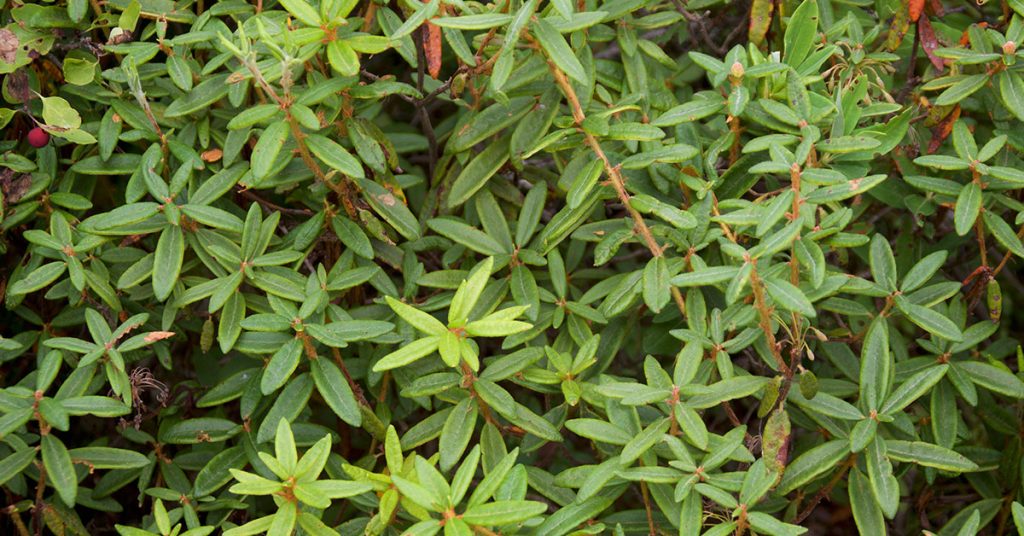
Labrador tea is a low-growing shrub that is native to northern regions of North America, including Labrador, Newfoundland, and Alaska. It is a hardy plant that is prized for its fragrant leaves and medicinal properties. Growing and caring for this herb requires some special considerations, but it can be a rewarding addition to your garden....
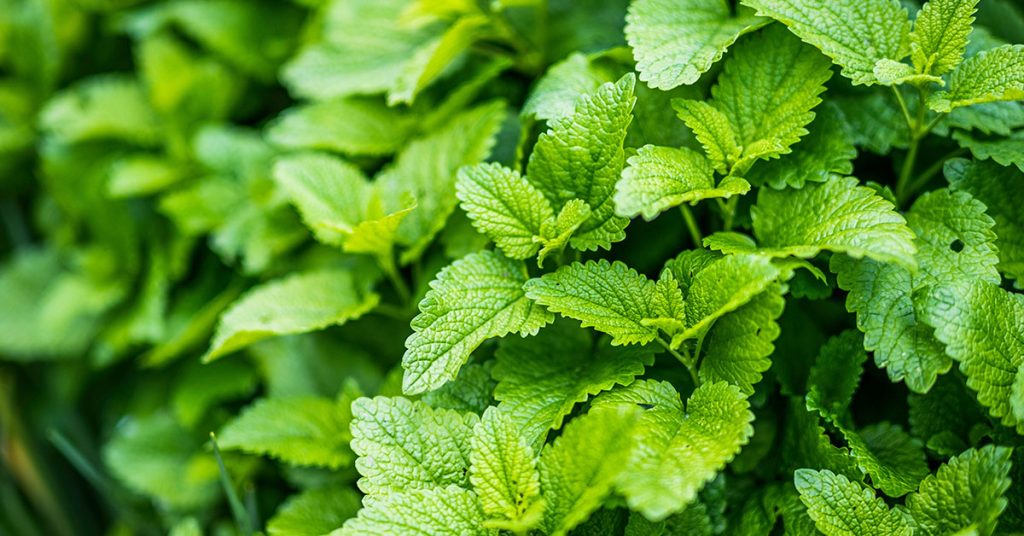
Lemon balm, also known as Melissa officinalis, is a perennial herb in the mint family. It is widely cultivated for its lemony fragrance and is used in various culinary and medicinal preparations. Growing and caring for lemon balm is relatively easy, and it can be a great addition to your herb garden. In this article,...
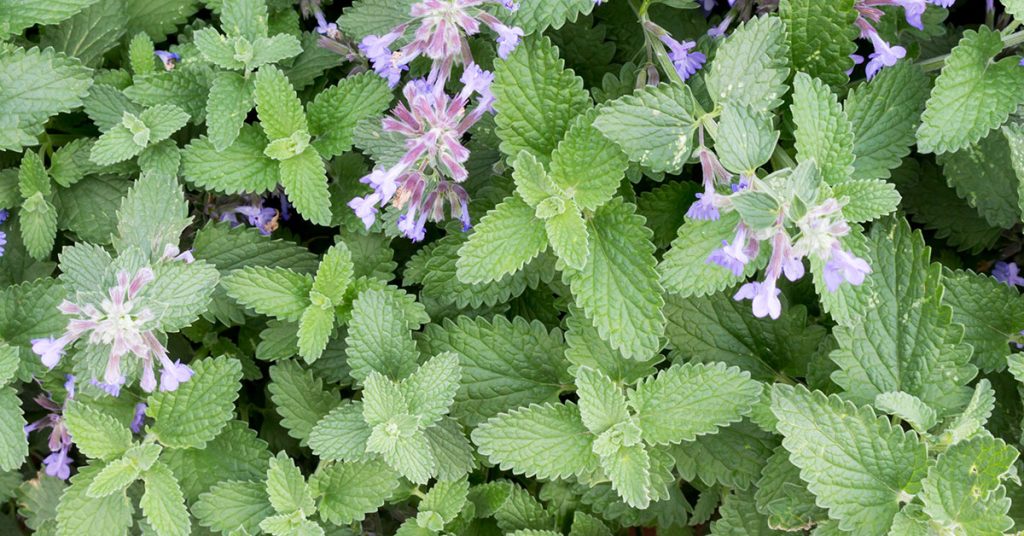
Catnip, also known as Nepeta cataria, is a perennial herb that belongs to the mint family. It, alongside catmint, is a popular plant among cat owners because of its euphoric effect on cats. However, catnip has several uses beyond keeping your feline friend happy, and it’s easy to grow and care for. In this article,...
Growing perennial herbs in zone 3 presents both advantages and challenges for gardeners. On the positive side, the cold-hardy perennial herbs that thrive in this zone often require less maintenance and watering than their annual counterparts, and they can provide a consistent supply of fresh herbs year after year. On the other hand, zone 3’s...
Growing perennial herbs in zone 2 is hard – there really is no sugarcoating it. The region’s severe climate is characterized by very cold winters, short growing seasons, and the possibility of poor soil quality. The survival of perennial herbs in this inhospitable environment is not guaranteed, as only a limited number of cold-hardy species...
Growing perennial herbs in zone 1 is a challenging endeavor due to the harsh climate conditions, marked by extremely cold temperatures, short growing seasons, and often poor soil quality. The survival of perennial herbs in such an inhospitable environment is uncertain, as they may or may not be able to withstand the frigid conditions. Gardeners...
Pipicha is a traditional herb commonly used in Mexican cuisine. It is a member of the Lamiaceae family and is known for its unique flavor and aroma. In this article, we will explore the care guidelines for growing pipicha, seed germination techniques, and the plant’s common uses. What Does Pipicha Taste Like? Pipicha is commonly...
Parsley is a versatile and nutritious herb that is widely used in cooking and garnishing. Harvesting parsley at the right time is important to ensure that it retains its flavor and nutritional value. Here is a guide on when and how to harvest parsley. When to Harvest Parsley Parsley can be harvested throughout the growing...
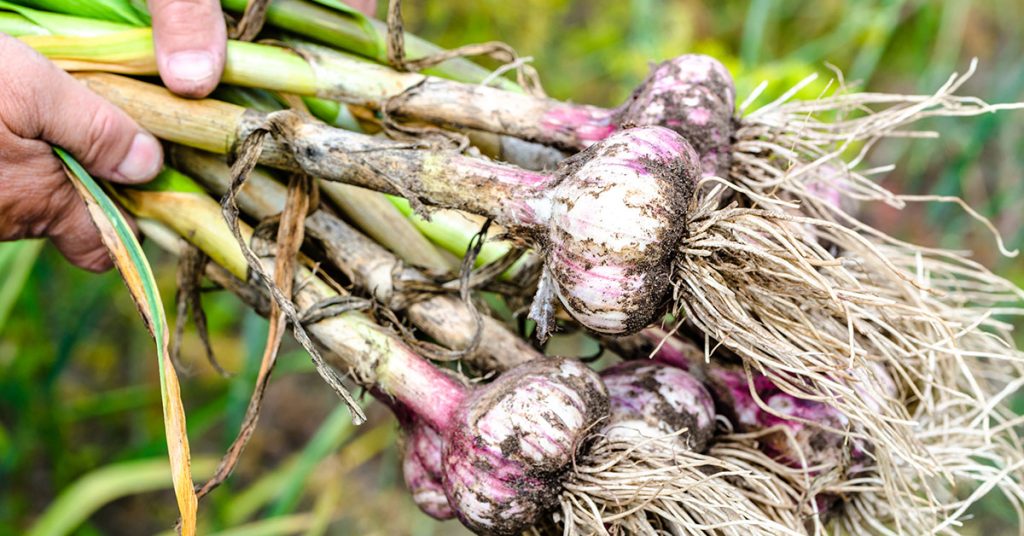
Garlic is one of the most versatile and flavorful herbs to add to any dish. But its pungent aroma and flavor can be overpowering. If you want to maximize the flavor of your garlic without having it take over your garden, consider companion planting with other herbs and vegetables. Companion planting is the practice of...
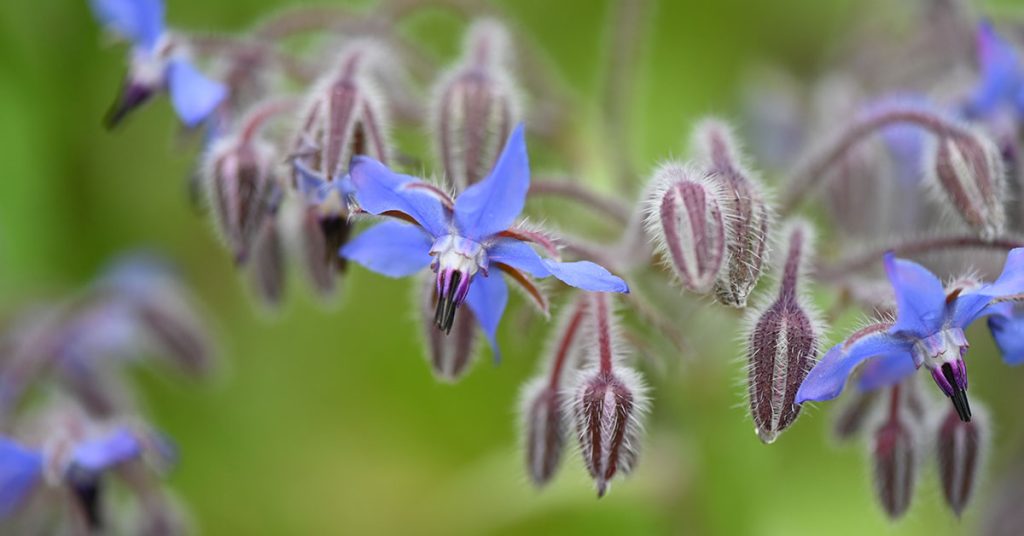
Borage, also known as starflower or bee bush, is an edible herb with beautiful blue flowers that are said to attract bees and beneficial insects to the garden. Growing borage from seed is a simple process; however, there are some important steps to take to ensure that your plants thrive. Let’s take a look at...
Growing cilantro from seed is an easy and rewarding gardening experience. Cilantro is a great addition to any garden, providing a burst of flavor to a variety of dishes. Whether you’re a beginner gardener or a seasoned green thumb, growing cilantro from seed is a simple and satisfying way to add flavor and nutrition to...