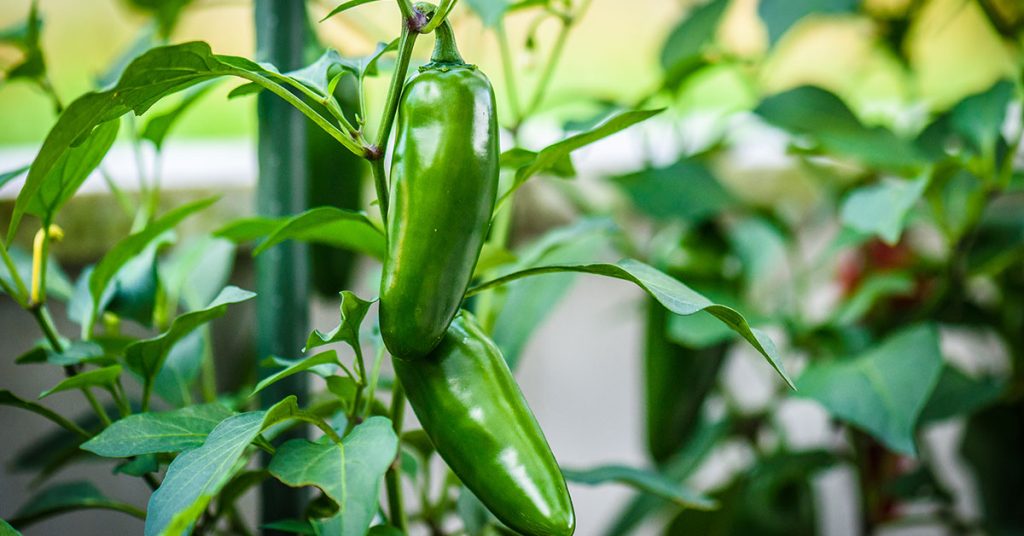
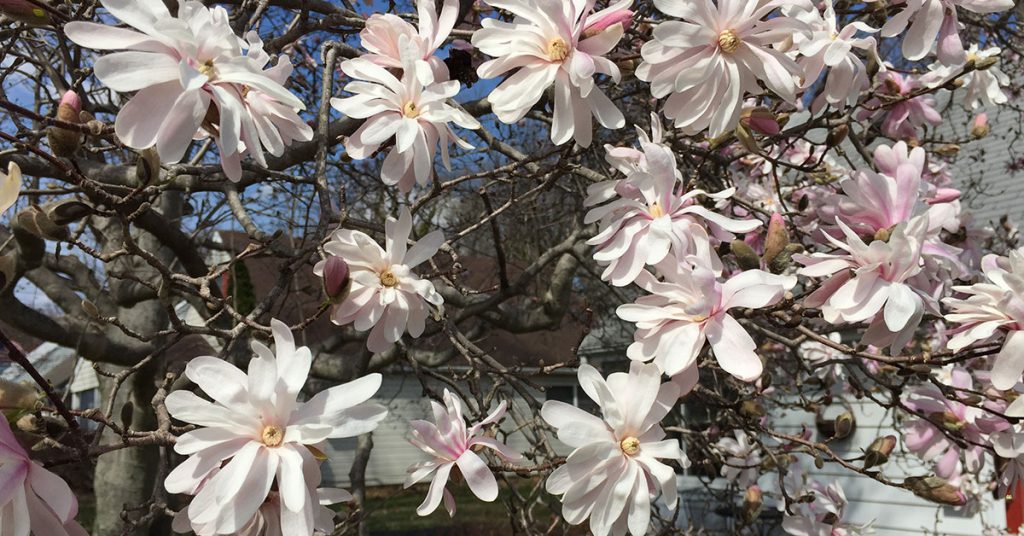
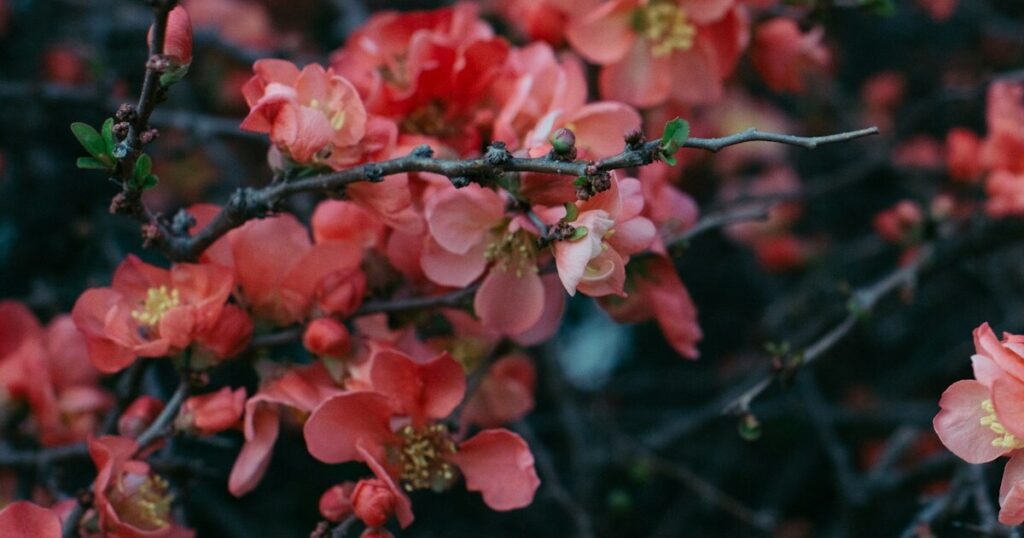
Gardening serrano peppers can be an exhilarating journey—there’s nothing quite like the thrill of spotting that first vibrant green pod dangling from the stem! Native to the mountainous regions of northeastern Mexico, serranos (Capsicum annuum var. serrano) thrive in warm conditions and reward dedicated gardeners with fiery fruits that pack a punch. But I know...
Gardening Tips
Having a garden is a key aspect of a sustainable lifestyle. When you go to the grocery store to buy produce like fruits and vegetables, as well as eggs, each of those items comes with a carbon footprint and other environmental complications. Unfortunately, a lot of industrial-level farming practices aren’t good for the environment and they aren’t sustainable either. Growing your own fruits and vegetables reduces the negative impact that industrial farming has.
We are strong proponents of living a sustainable lifestyle, both by having a garden and by making environmentally friendly choices that put you on a more sustainable path. That includes using less single-use plastic, conserving energy and water, gardening using organic methods, avoiding synthetic chemicals inside and outside of the home, driving less, living off the grid, and other sustainable efforts.
Sustainable living isn’t just good for the planet but it’s good for you too. Often times, living sustainably means simplifying your life – you get more out of life with less. Sustainable living helps avoid unnecessary consumerism, save money, save the earth, and save your sanity all along the way.
Our gardening tips will help guide you to a greener lifestyle that benefits the planet, your pocket, your community, and yourself too. If all of us did just a little bit to be more sustainable, we could have a massive positive impact and change our world.
So let’s explore these gardening tips together and work toward a greener future for our kids and grandkids.
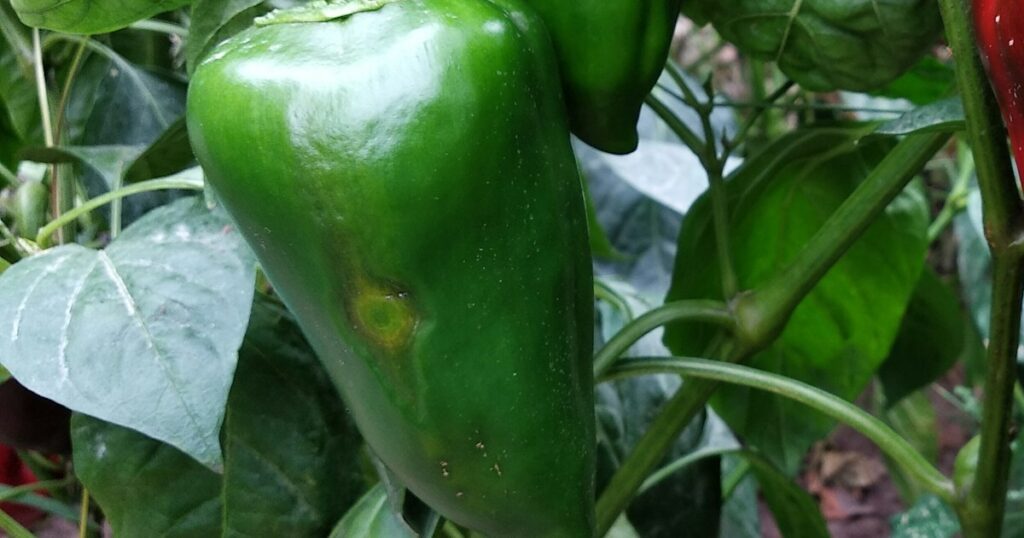
Gardening is full of delightful surprises—and sometimes head-scratching mysteries—especially when your flower beds become impromptu breeding grounds! Cross-pollination happens when pollen from one variety fertilizes the flowers of another, creating seeds that sprout offspring with mixed traits. Whether you’re saving seeds for next season’s displays or simply curious about what your garden bees are up...
Gardening is full of delightful surprises—and sometimes head-scratching mysteries—especially when plants start swapping pollen behind your back! Cross-pollination occurs when pollen from one variety fertilizes the flowers of another, leading to seeds that sprout offspring with mixed traits. Whether you’re saving seeds to preserve a cherished variety or experimenting with novel hybrids, knowing which plants...
Silver lace vine (Fallopia baldschuanica) is one of my favorite climbers for quickly transforming a plain fence into a flowery tapestry. Native to the mountainous regions of China and Central Asia, this vigorous vine produces clouds of fragrant, white to pale-pink blooms from late summer into fall. While it’s praised for its rapid coverage, it...
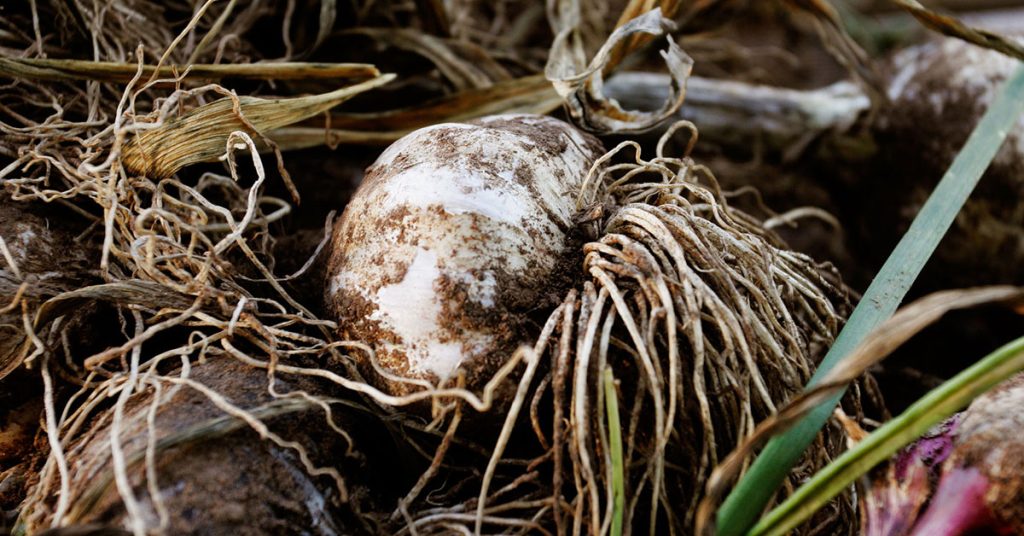
There’s nothing quite like the satisfaction of harvesting your own garlic—those pungent, flavorful bulbs elevate every dish from sauces to sautés! Native to the mountainous regions of Central Asia, Allium sativum has traveled the world on the strength of its culinary and medicinal uses. While garlic isn’t considered invasive when grown responsibly, I know how...
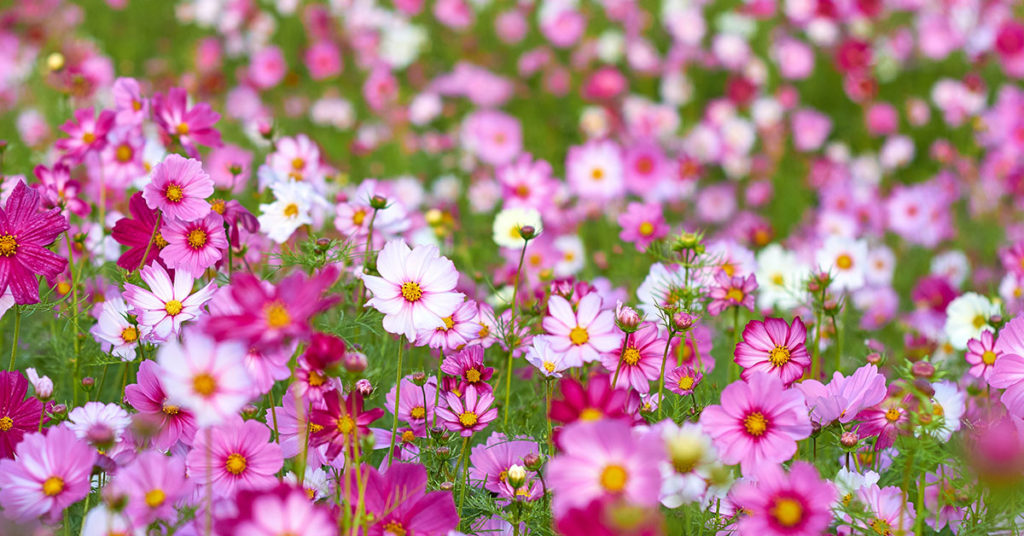
Cosmos flowers are one of my favorite summer delights—their daisy-like blooms in shades of pink, white, and fiery orange seem to dance on graceful, ferny foliage! Native to the highlands of Mexico, Cosmos bipinnatus (and its cousin C. sulphureus) have naturalized in gardens around the world. While not typically invasive, they’ll happily self-seed if you...
Zinnias are one of the most joyful flowers you can grow—those brilliant, daisy-like blooms in every hue imaginable truly brighten a summer garden! Native to Mexico and Central America, Zinnia elegans and its relatives have been delighting gardeners since pre-Columbian times. While they aren’t considered invasive in most regions, they can self-seed vigorously if spent...
Growing radishes is one of my favorite quick-win pleasures in the garden—their crisp, peppery crunch fresh from the soil is unbeatable! Radishes (Raphanus sativus) were first domesticated in Southeast Asia but now brighten gardens worldwide. While cultivated radishes aren’t invasive, their wild cousins (R. raphanistrum) can become weedy if you let them bolt. I know...
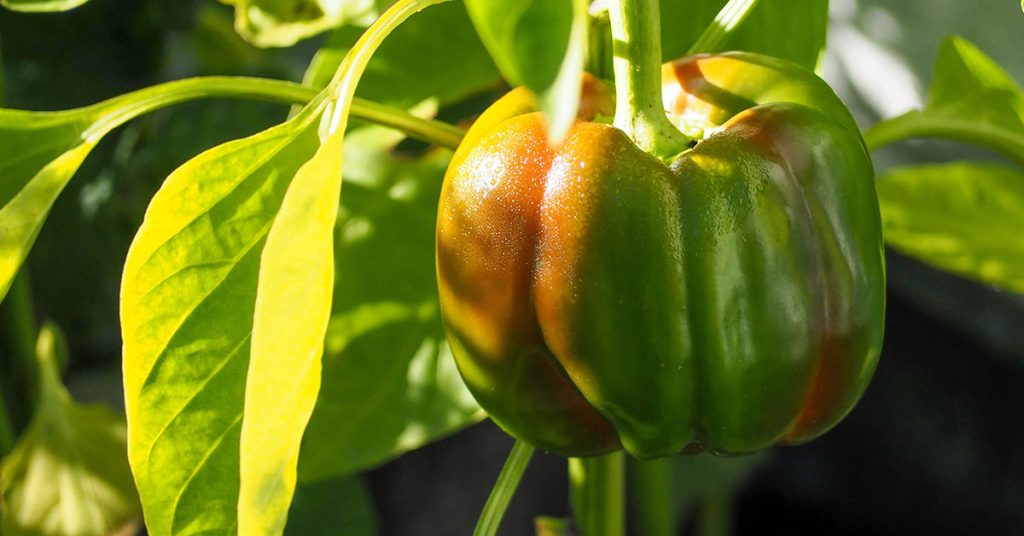
Bell peppers are one of my absolute favorite garden gems—the crunch of a homegrown pepper, whether green, yellow, or ruby red, is simply unbeatable! Native to the highlands of Central Mexico, Capsicum annuum has been cultivated by Mesoamerican civilizations for millennia. While they aren’t invasive in most home gardens, I know how disheartening it can...
Growing jalapeño peppers can be incredibly rewarding—those crisp, spicy fruits fresh from the garden add a punch to salsas, stir-fries, and more! Native to the highlands of Mexico, Capsicum annuum has been cultivated for thousands of years, delighting gardeners with its vibrant fruit and ornamental foliage. However, it’s such a bummer when your pepper patch...
Magnolia trees are among my favorite garden showstoppers—those enormous, fragrant blooms unfolding like creamy cups against glossy foliage never fail to take my breath away! Native to East Asia and the Americas, these ancient beauties have graced our landscapes for millions of years, attracting hummingbirds, bees, and even nesting cardinals in their sturdy branches. Yet...
Bee quince bushes are simply enchanting when they burst into bloom—those vivid coral, pink, or white flowers create a picture-perfect spring display! Native to eastern Asia, particularly China and Japan, Chaenomeles species have long graced temple gardens and cottage borders alike. As a gardener, I’m always amazed at how these hardy shrubs can transform a...