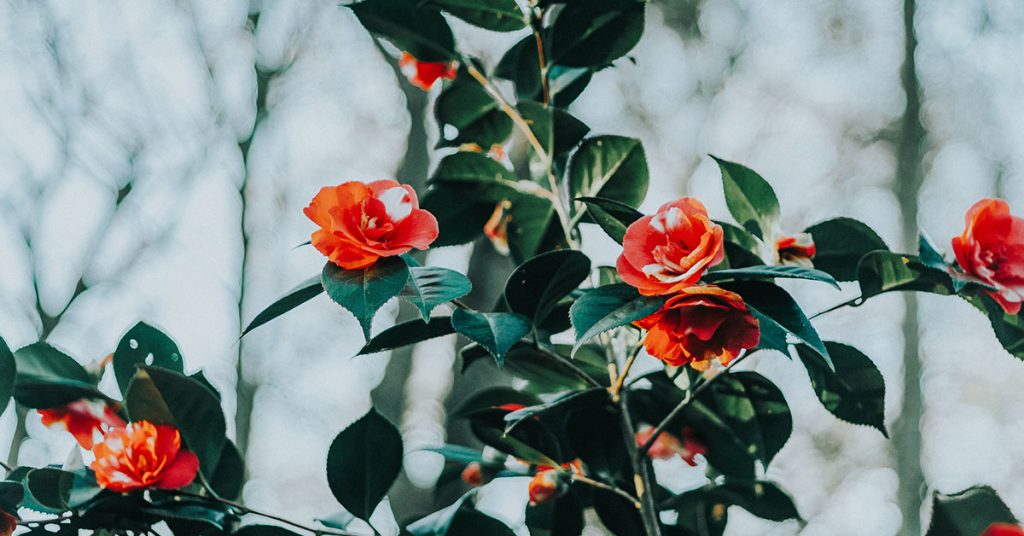
Camellias are the showstoppers of the shrub world, bursting into bloom in late winter or early spring with rose-like flowers that seem to defy the season. Native to East Asia—particularly Japan, China, and Korea—these evergreen beauties have graced temple gardens and cozy patios for centuries. Whether you’ve inherited a venerable Camellia japonica or are trying...
Gardening Tips
Having a garden is a key aspect of a sustainable lifestyle. When you go to the grocery store to buy produce like fruits and vegetables, as well as eggs, each of those items comes with a carbon footprint and other environmental complications. Unfortunately, a lot of industrial-level farming practices aren’t good for the environment and they aren’t sustainable either. Growing your own fruits and vegetables reduces the negative impact that industrial farming has.
We are strong proponents of living a sustainable lifestyle, both by having a garden and by making environmentally friendly choices that put you on a more sustainable path. That includes using less single-use plastic, conserving energy and water, gardening using organic methods, avoiding synthetic chemicals inside and outside of the home, driving less, living off the grid, and other sustainable efforts.
Sustainable living isn’t just good for the planet but it’s good for you too. Often times, living sustainably means simplifying your life – you get more out of life with less. Sustainable living helps avoid unnecessary consumerism, save money, save the earth, and save your sanity all along the way.
Our gardening tips will help guide you to a greener lifestyle that benefits the planet, your pocket, your community, and yourself too. If all of us did just a little bit to be more sustainable, we could have a massive positive impact and change our world.
So let’s explore these gardening tips together and work toward a greener future for our kids and grandkids.
Creating a garden that whispers sweet nothings with every bloom is a dream for any romantically inclined gardener. Imagine strolling past petals that tell stories of love, devotion, and passion—each flower a fragrant declaration of the heart! Whether you’re designing a secret kiss corner or a welcoming path to your front door, these fifteen romance-symbolizing...
Growing chamomille (Matricaria chamomilla or Roman chamomile, Chamaemelum nobile) by your front door is like extending a warm, aromatic invitation to every guest—human and insect alike! Picture greeting visitors with delicate, daisy-like flowers that release a soothing, honeyed scent at the slightest brush. Beyond its charming curb appeal, chamomille offers a wealth of benefits, from...
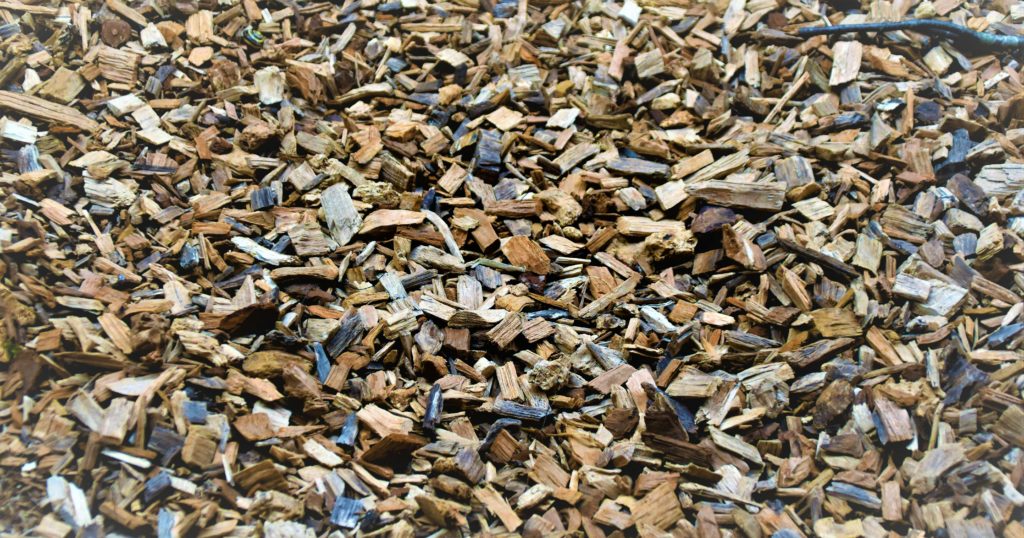
Mulching with wood chips is one of those gardening hacks that feels like discovering a secret handshake with Mother Nature! Not only does it infuse your beds with a rich, rustic look, but it also kick-starts a cascade of ecological benefits that your plants—and local wildlife—will truly appreciate. Whether you’re battling weed invasions or craving...
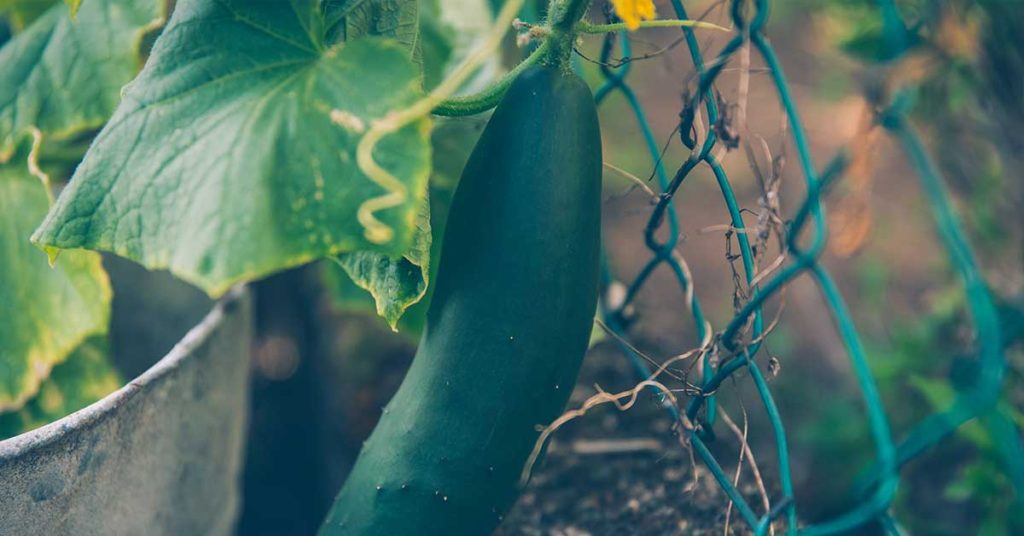
Growing cucumbers can feel like unlocking a green-thumb superpower—until one misstep turns those crisp, crunchy delights into bitter, sparse letdowns. I’ve been there: peering at drooping vines, wondering where I went wrong, and vowing to never repeat that season’s blunders! In this guide, we’ll tackle twelve of the most common cucumber-growing mistakes, so you can...
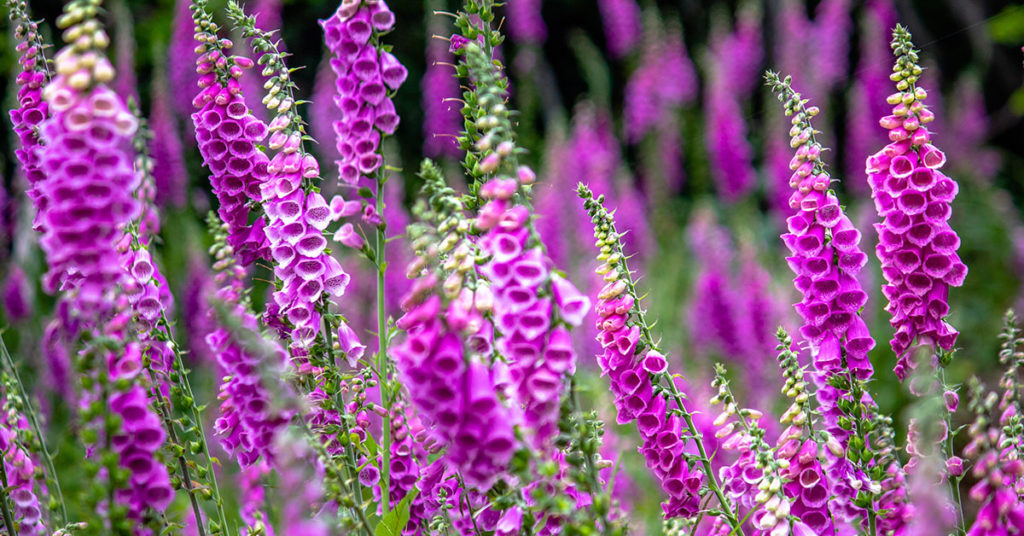
Foxgloves (Digitalis spp.) are the towering stars of cottage gardens, native to woodlands and meadows across Europe, western Asia, and northwestern Africa. Their spires of tubular blossoms—ranging from soft pastels to deep purples—provide a dramatic backdrop in garden borders. In some regions, such as parts of the Pacific Northwest, certain foxglove species can naturalize aggressively,...
Orchids are the divas of the plant world—elegant, exotic, and sometimes mysterious in their needs! Native to tropical and subtropical regions across Asia, the Americas, and parts of Africa, these epiphytic wonders evolved to cling to tree bark, gathering moisture and nutrients from rain, mist, and decaying leaves. In some regions—like parts of Florida and...
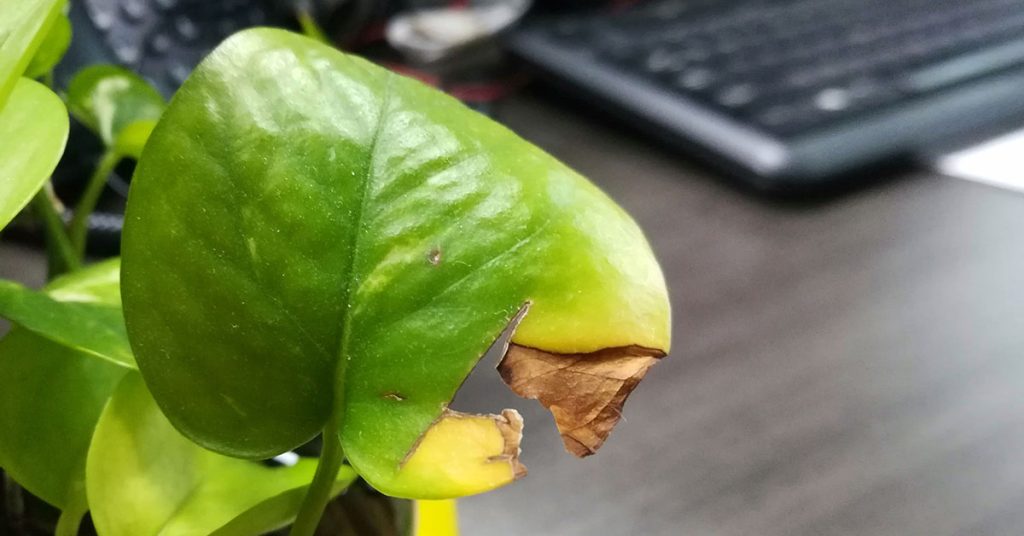
Yellowing pothos leaves can feel like a gardener’s personal heartbreak—one minute your vining green beauty is thriving, and the next, those glossy heart-shaped leaves start fading to yellow. Native to the tropical forests of Mo‘orea in French Polynesia, pothos (Epipremnum aureum) evolved climbing up trees in moist, filtered light, far from drafty windowsills and chlorinated...
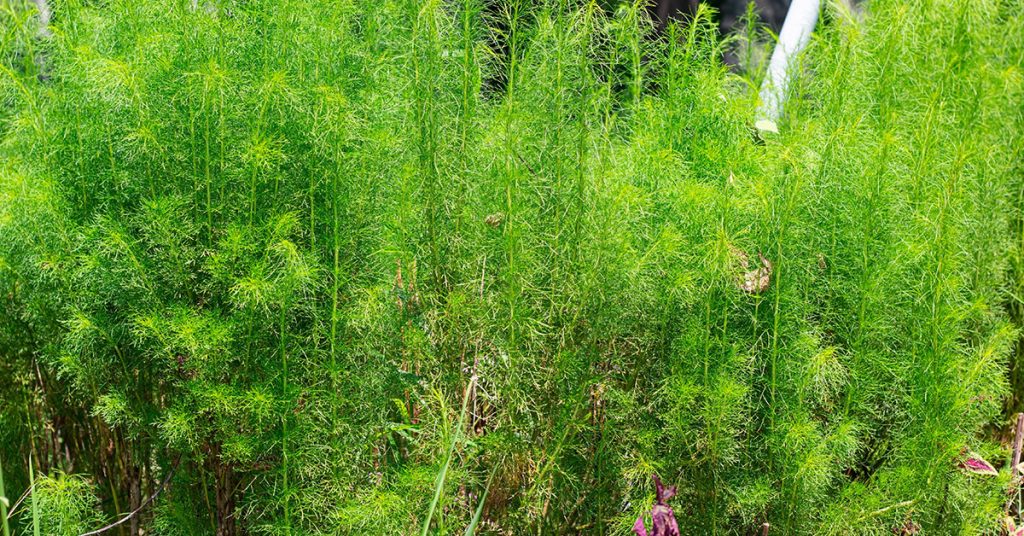
Fennel (Foeniculum vulgare) is one of my favorite plants—its anise-scented fronds brighten up the garden and the kitchen! Native to the Mediterranean coasts, fennel has naturalized across much of Europe, Asia, and North America. While its sweet bulbs, feathery leaves, and aromatic seeds make it a culinary superstar, it can also be a bit of...
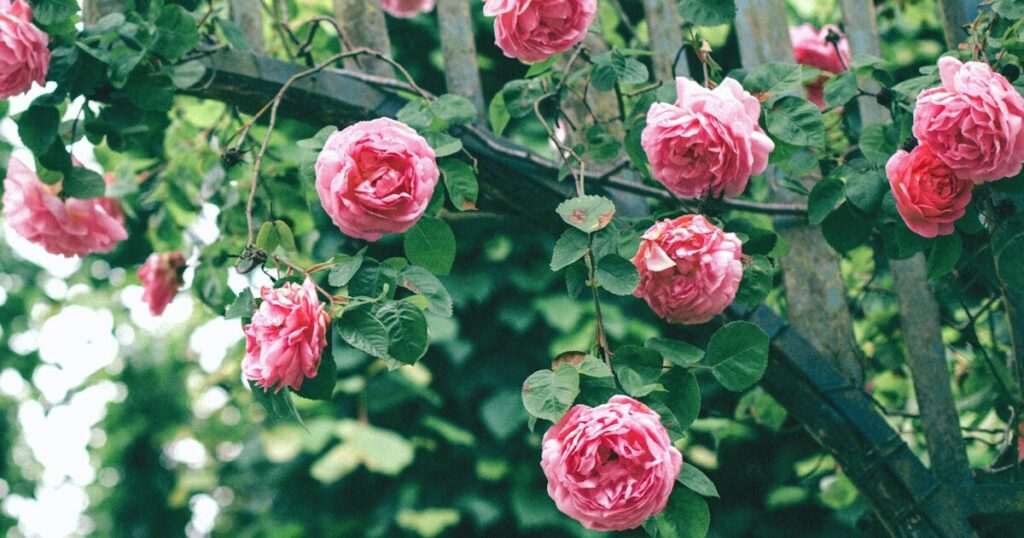
There’s nothing quite like the sight of roses greeting you—and your guests—at the front door! Roses (genus Rosa) have enchanted gardeners for millennia, prized for their stunning blooms, intoxicating fragrance, and rich symbolism. Whether you choose heritage species roses native to Europe and Asia or modern hybrids, planting them by your entryway turns an everyday...
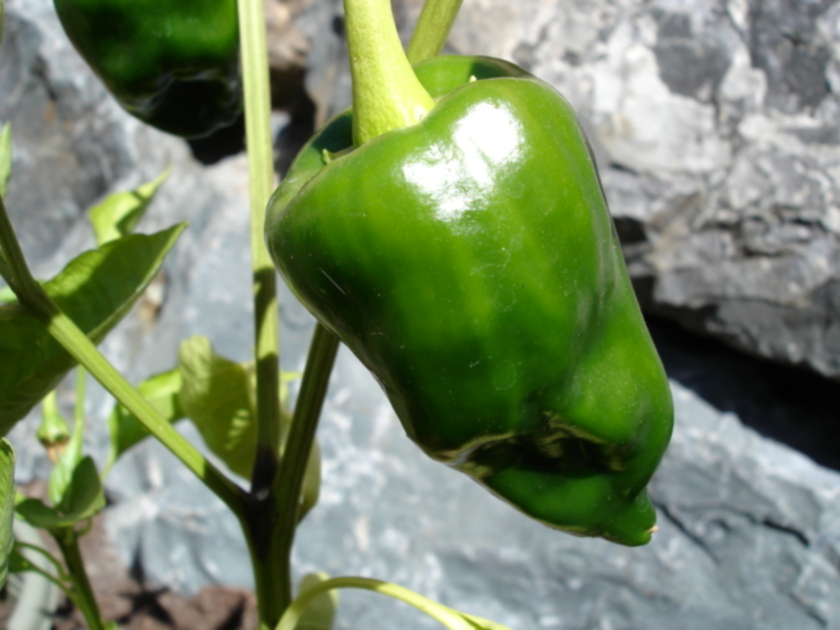
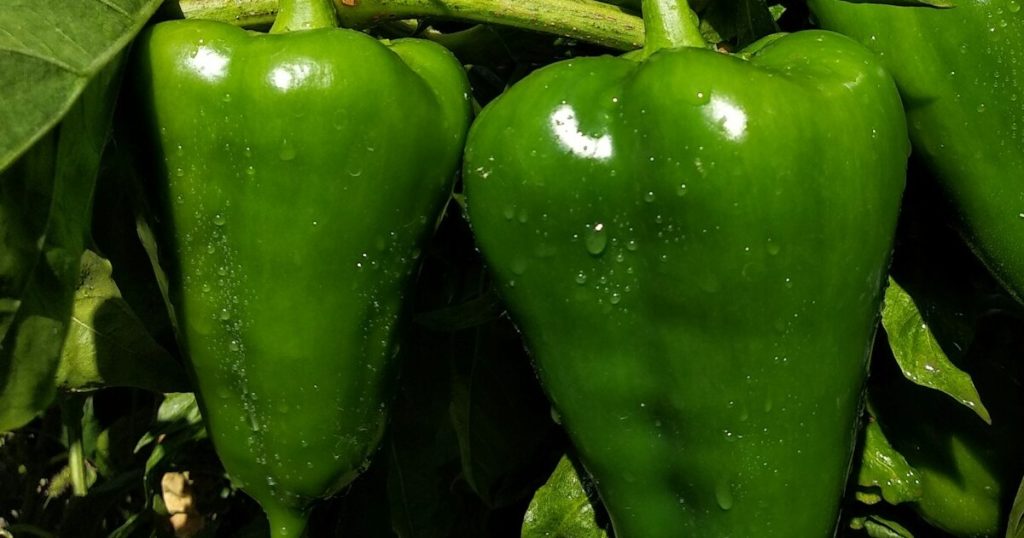
Growing poblano peppers is one of my favorite summer pleasures—they hail from the Puebla region of Mexico and bring such depth of flavor to chiles rellenos and salsas! These mild-to-medium-heat Capsicum annuum varieties thrive in warm, sunny gardens, but I know how frustrating it is when blossoms drop or pods stay small. With the right...
Growing Anaheim peppers (Capsicum annuum var. annuum) can be incredibly rewarding—the crisp, mildly spicy pods are perfect roasted, stuffed, or transformed into salsas! Native to the Pueblo region of New Mexico, these peppers have become a garden staple across warm climates. But I know how frustrating it is when those promising green shoots fizzle out...