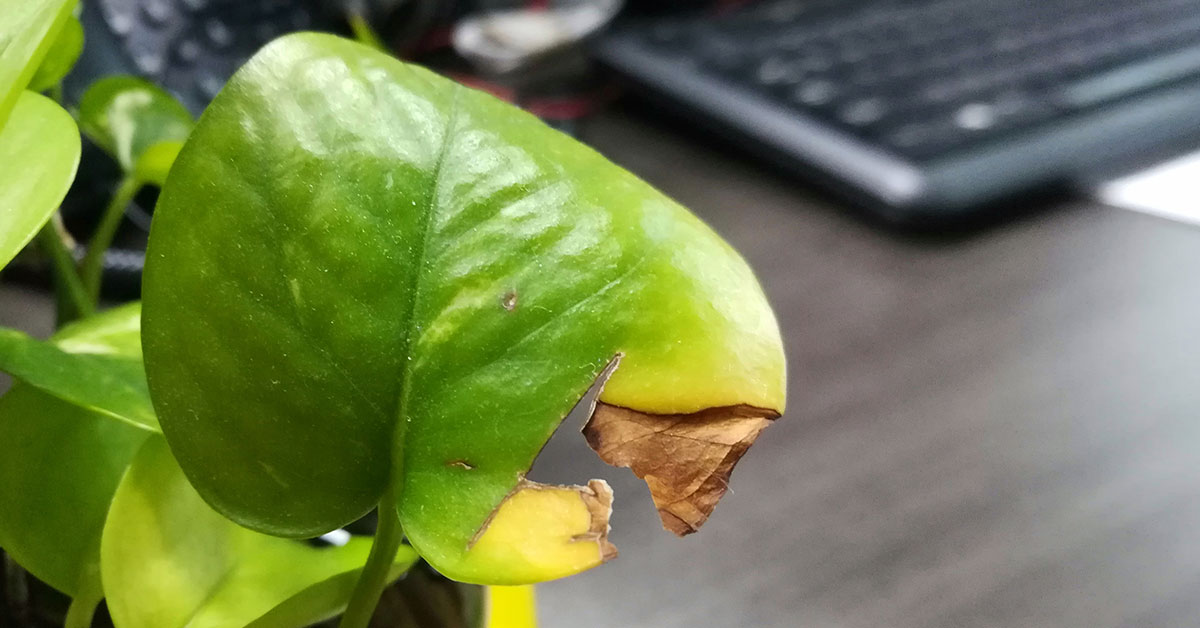

Yellowing pothos leaves can feel like a gardener’s personal heartbreak—one minute your vining green beauty is thriving, and the next, those glossy heart-shaped leaves start fading to yellow. Native to the tropical forests of Mo‘orea in French Polynesia, pothos (Epipremnum aureum) evolved climbing up trees in moist, filtered light, far from drafty windowsills and chlorinated tap water! In some humid climates it’s even considered invasive, scrambling over the forest floor once released. Understanding why those leaves turn yellow will help you mimic its native conditions and keep your pothos lush and vibrant.
I know how frustrating it is when a plant you’ve cared for suddenly looks sad—especially a stalwart like pothos! From water quality shocks to pests nesting in the soil, yellow leaves are the plant’s way of waving a flag. Below are twelve common causes—randomized to keep you guessing—each with a deep dive into the why, the how, and empathetic tips to restore your pothos’s emerald glow.
Water Quality Issues
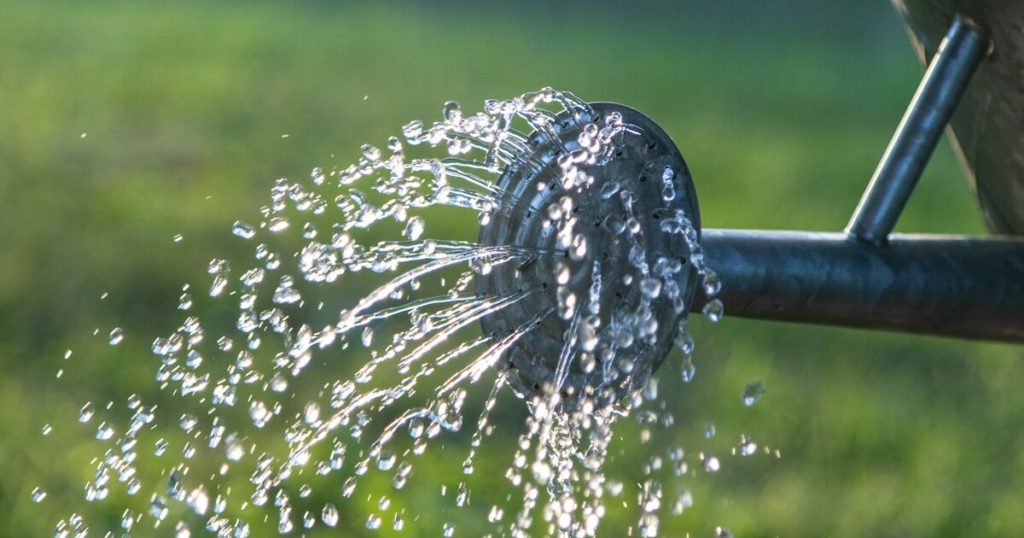
Tap water often contains chlorine, fluoride, and dissolved minerals that can build up in potting soil and stress your pothos. In its native rainforest habitat, rainwater gently rinses away salts and carries nutrients from decaying leaf litter, never the harsh chemicals of municipal supplies.
If your leaves show pale yellow patches or browning at the edges, switch to filtered, distilled, or collected rainwater. I felt immediate relief after repotting a stressed plant with rainwater—new growth burst forth in bright chartreuse!
Temperature Extremes

Pothos thrives in stable, warm conditions—ideally between 65–85°F (18–29°C). Sudden dips below 50°F (10°C) or blasts of hot, dry air from heaters can shock the roots and foliage alike, leading to yellowing and drooping leaves.
I once placed a pothos too close to a drafty window and woke to a yellow-leafed vine—lesson learned! Keep your plant away from cold drafts and heat vents, and consider a consistent room temperature to help it feel at home.
Salt and Fertilizer Buildup
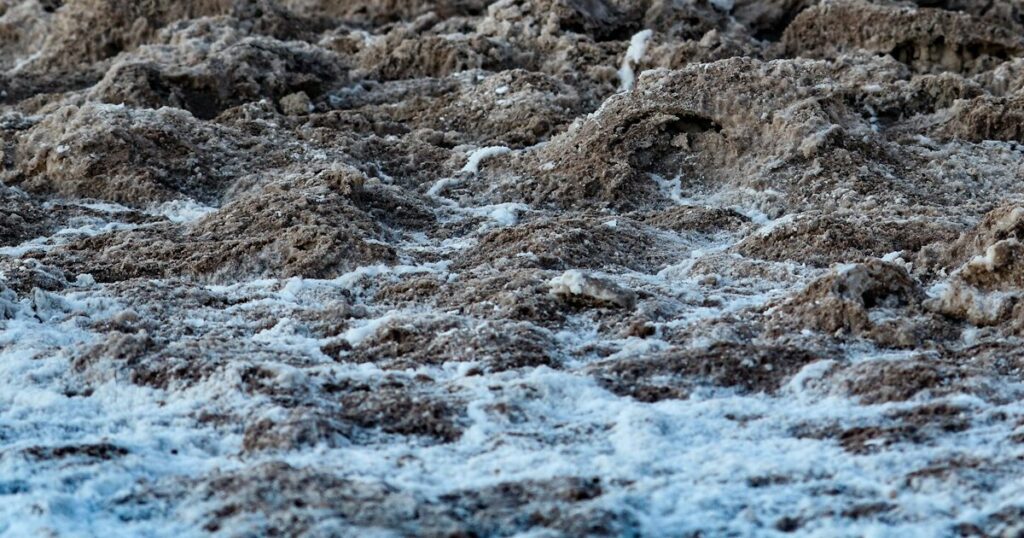
Over-fertilizing or using potting mixes with high salt content can cause toxic buildup around roots, manifesting in yellowing leaf tips and margins. While nutrients are vital, too much is as harmful as too little.
Flush the pot with plain, filtered water once a month, allowing excess salts to leach out. I used to feed weekly, only to find my pothos sulking with yellow leaves—dialing back to a gentle monthly flush made all the difference!
Low Light Conditions

In the wild, pothos climbs toward bright, dappled light, often hundreds of feet above the forest floor. In dim corners of your home, it may survive but won’t get enough energy for healthy chlorophyll production, leading to pale, yellow leaves.
Relocate your plant to a spot with bright, indirect sunlight—near an east- or north-facing window is ideal. I’ve rescued more than one struggling pothos simply by moving it closer to a well-lit room, and the leaves greened up within weeks!
Overwatering and Poor Drainage
Pothos roots need moisture but can’t stand to sit in soggy soil. Overwatering or a pot without drainage holes suffocates roots, causing them to rot and trigger yellow leaf drop. In nature, excess rain drains away through bark crevices, never pooling around roots!
Ensure your pot has drainage holes and use a well-draining mix. Water only when the top inch of soil is dry. After adjusting my watering routine, those yellowing lower leaves stopped—and I saw plump, firm new growth instead!
Harsh Direct Sunlight

While pothos enjoys bright light, scorching direct sun—especially through a south-facing window—can scorch foliage, bleaching leaves to yellow or white. Native epiphytic pothos grows under forest canopies, shielded from the midday blaze.
If you spot yellow splotches or crisped edges, move the plant back from the window or add a sheer curtain. I’ve found that even a slight shift away from direct rays prevents sunburn—and keeps my pothos beautifully green!
Natural Aging and Senescence
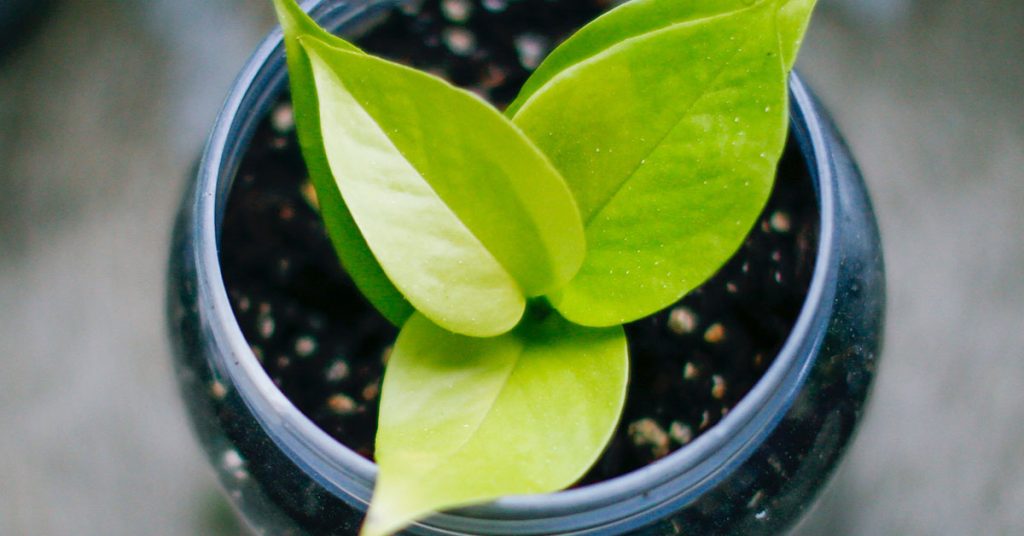
Older pothos leaves naturally yellow, age, and drop off to make way for fresh growth. If only a few lower leaves yellow while new foliage is vibrant, your plant may simply be renewing its canopy.
Trim away those yellowed leaves to tidy your vine, and watch the tips fill in with healthy new shoots. Embrace this natural cycle—it means your pothos is flourishing enough to keep growing!
Nutrient Deficiencies

Inadequate nutrients—especially nitrogen—lead to pale, yellowing leaves because chlorophyll production slows. Although pothos is undemanding, long-term pot culture can deplete available nutrients in the soil.
Feed your pothos with a balanced houseplant fertilizer (20-20-20) diluted to half strength, once every 6–8 weeks during the growing season. I noticed a burst of rich green foliage after a single feeding—proof that even easy-going plants appreciate a little boost!
Repotting Shock
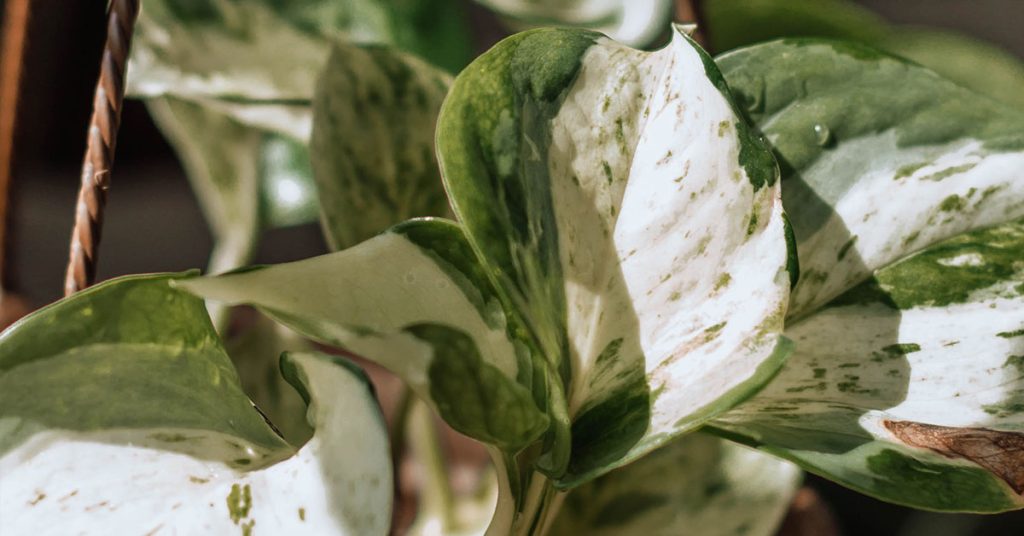
Transplanting pothos—even into a slightly larger pot—disturbs fine feeder roots, causing temporary yellow leaves as the plant redirects energy to root repair. This stress can look alarming but is often short-lived.
After repotting, keep soil slightly moist and out of direct sun to minimize stress. I once panicked over yellow leaves post-repot, only to find healthy new growth emerging within two weeks. Your pothos will bounce back!
Pests and Diseases

Spider mites, mealybugs, and fungus gnats can nest in damp potting mix or on leaves, sucking sap and transmitting pathogens that cause yellowing. Invasive pothos in tropical forests even shelters scale insects—so your houseplant isn’t immune!
Regularly inspect leaves and soil surfaces. Wipe foliage with insecticidal soap and let the top layer of soil dry to deter gnats. After treating a stubborn mealybug outbreak, my pothos leaves regained their lustrous green, and the critters never returned!
Underwatering
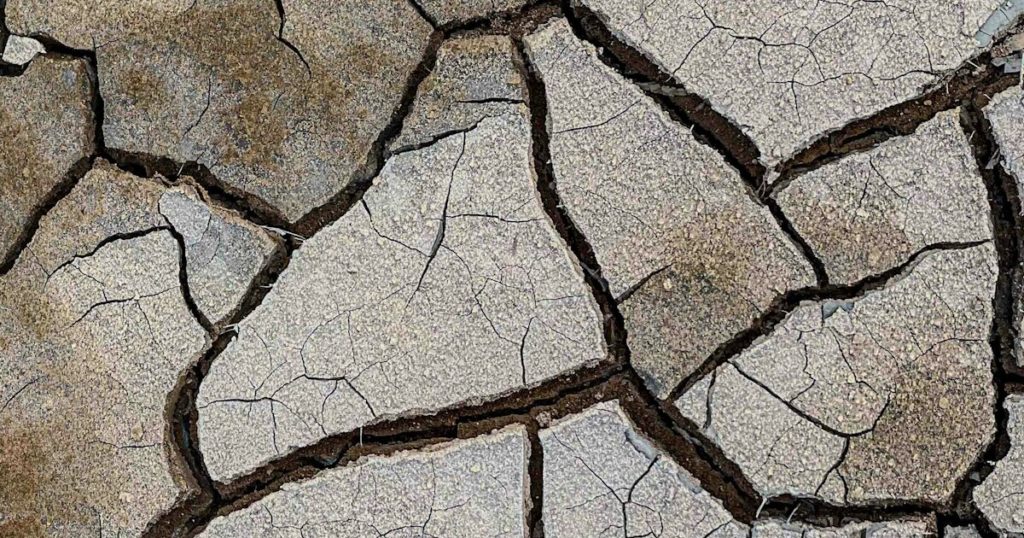
When soil dries out completely, pothos conserves resources by yellowing older leaves and sacrificing them. In its native swamps and rainforests, intermittent wet-dry cycles are gentle—your indoor environment can be harsher.
Water thoroughly as soon as the top inch of soil is dry, ensuring excess drains away. I used to nervously skip watering while away, only to return to droopy, yellowed vines. A consistent schedule keeps yellow leaves from creeping in!
Root-Bound Conditions
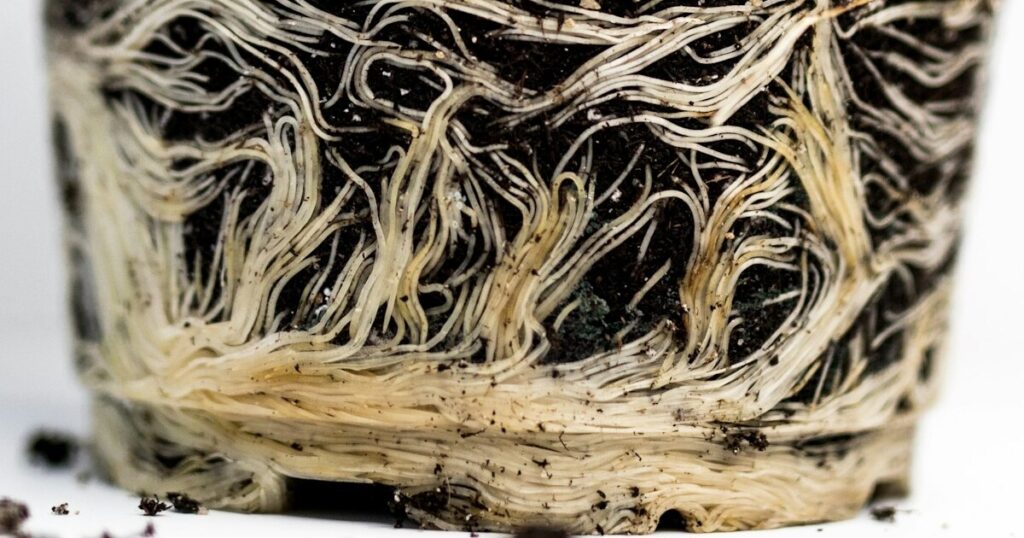
If roots circle tightly around the pot’s edge, they can’t access fresh soil nutrients and moisture, leading to yellowing leaves and stunted growth. In a forest tree cavity, pothos roots spread freely; your container should allow similar expansion.
Gently inspect roots by sliding the plant out of its pot—if they’re densely matted, it’s time for a larger container. Upgrading my pothos to a wider pot banished those persistent yellow leaves and encouraged a lush new flush of greenery!