

Mulching with wood chips is one of those gardening hacks that feels like discovering a secret handshake with Mother Nature! Not only does it infuse your beds with a rich, rustic look, but it also kick-starts a cascade of ecological benefits that your plants—and local wildlife—will truly appreciate. Whether you’re battling weed invasions or craving healthier soil, wood chip mulch can become your garden’s best friend.
As someone who’s scattered countless wheelbarrows of chips around perennials and vegetable plots, I know how gratifying it is to watch moisture stay put, weeds struggle to sprout, and beneficial critters find cozy nesting spots. Below are ten compelling reasons to embrace wood chips—sprinkled with insights on tree origins (and cautionary notes on invasives!)—so you can mulch with confidence and flair. Let’s jump right in!
Erosion Control
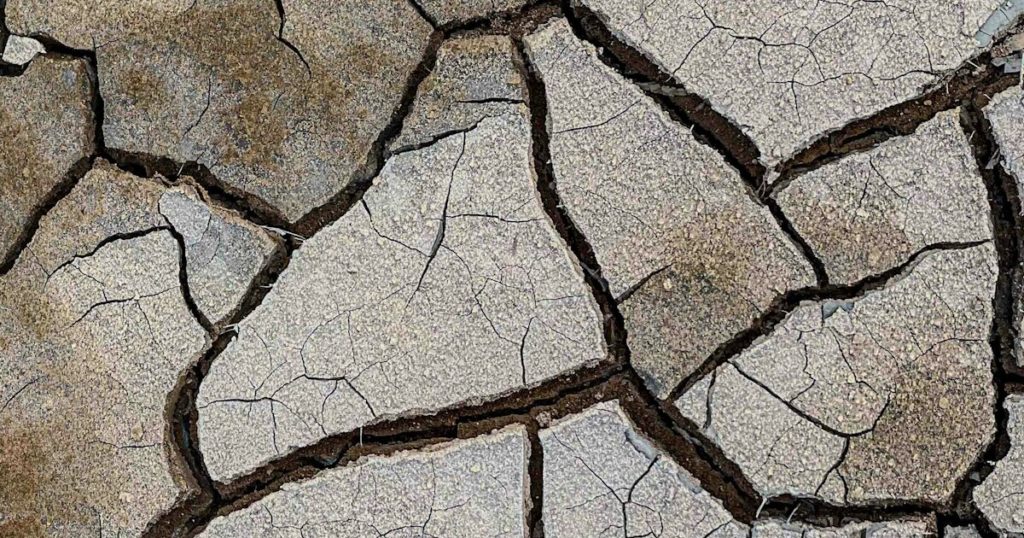
Stabilizing soil on slopes or in rain-prone areas can feel like a losing battle—until you lay down a thick layer of wood chips. These chunky fragments create a physical barrier that slows water runoff, letting rain gently infiltrate the ground rather than ripping away precious topsoil! I once saw the banks of my raised bed stay intact through a torrential downpour, all thanks to a generous topping of oak-derived chips.
Oak (Quercus spp.) is native to many temperate regions and its wood chips are dense enough to resist rapid breakdown, offering erosion protection season after season. Just be cautious steering clear of chips from invasive species like eucalyptus (Eucalyptus spp.), which can leach allelopathic compounds and alter soil chemistry if used in excess.
Weed Suppression

Let’s be honest: no one enjoys wrestling with persistent weeds. A 3–4 inch layer of wood chips smothers weed seedlings by blocking light and physically hindering their emergence. I used to spend hours hand-pulling dandelions, but after mulching with locally sourced maple chips, those stubborn intruders barely show their faces!
Maple trees (Acer spp.) are native to many parts of North America, and their chips break down slowly enough to keep weeds at bay for months. Just remember that chips less than an inch thick may decompose too quickly, so invest in a thicker layer to stay ahead of those green invaders.
Aesthetic Appeal and Low Maintenance

There’s something so satisfying about a freshly mulched bed—the uniform texture, the warm earthy tone, and the neat delineation between lawn and planting areas. When I hosted my garden tour last spring, guests couldn’t stop complimenting the natural “woodland floor” vibe created by my cedar chips!
Cedar (Cedrus spp.), though native to parts of the Mediterranean and Himalayas, is prized worldwide for its pleasant aroma and decay resistance. Even if true cedar isn’t local to your region, look for sustainably harvested alternatives—just ensure they’re free of wood-boring pests that might hitch a ride into your soil!
Soil Structure Improvement

As wood chips gradually decompose, they foster a crumbly, well-aerated soil structure that plant roots adore. I’ve watched my tomato plants spread their roots eagerly through the loose layers beneath hickory-chip mulch, resulting in sturdier vines and heftier harvests!
Hickory (Carya spp.) is native to eastern North America, and its chips enrich soil organic matter while promoting beneficial fungal networks. These fungi form intricate nesting webs around roots, improving water and nutrient uptake—especially important for heavy feeders like squashes and peppers.
Moisture Retention
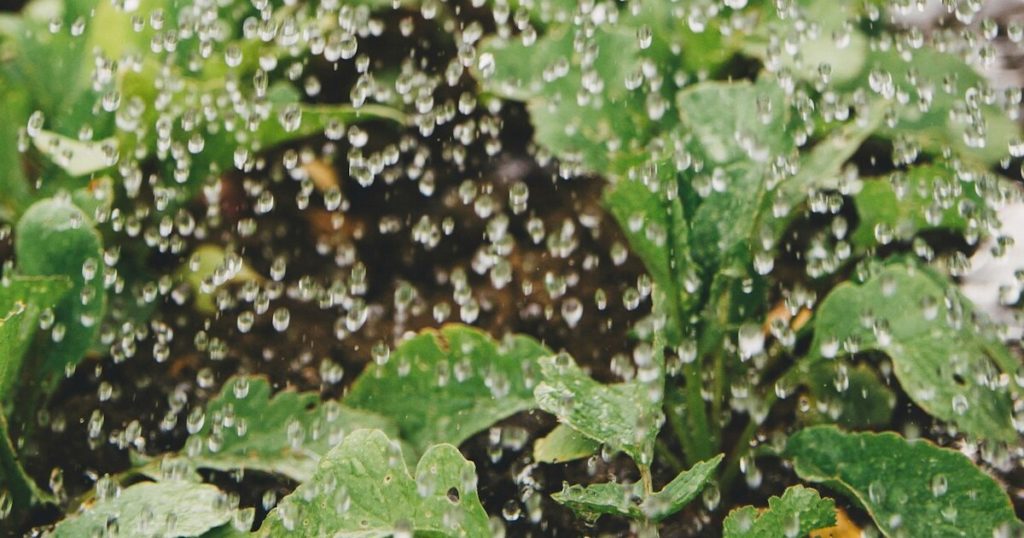
Hot summer afternoons can dry out bare soil in a flash, stressing thirsty plants and inviting bitter-tasting produce. A generous blanket of wood chips helps soil hold onto moisture, releasing it slowly so roots stay happily hydrated. One of my favorite afternoons was spent admiring lush cucumber vines that never wilted, thanks to a layer of pine chips beneath them!
Pine (Pinus spp.) is native across much of North America, and its acidic wood chips can slightly lower pH over time—ideal for acid-loving shrubs. Just monitor soil acidity if you’re mixing pine chips into beds of neutral-pH vegetables, adjusting with lime if needed.
Habitat for Beneficial Insects
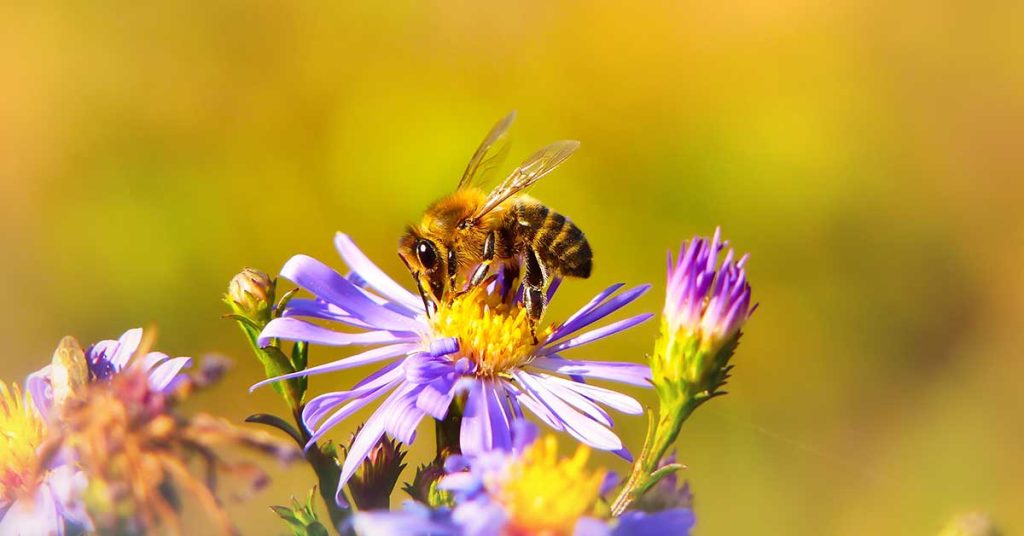
Wood chip mulch isn’t just for plants—it’s prime real estate for ground-dwelling pollinators and predators. Beetles, ground-nesting bees, and predatory mites find cozy nesting spots among the chips, helping control pests and pollinate blooms. I once spotted a family of solitary bees tunneling beneath my chips, ready to emerge and visit every flower in the yard!
By choosing chips from native tree species—like birch (Betula spp.) in northern climates—you support local insect life whose life cycles evolved alongside those trees. Avoid chips from invasive species like black locust (Robinia pseudoacacia), which can encourage monocultures and limit habitat diversity.
Nutrient Release
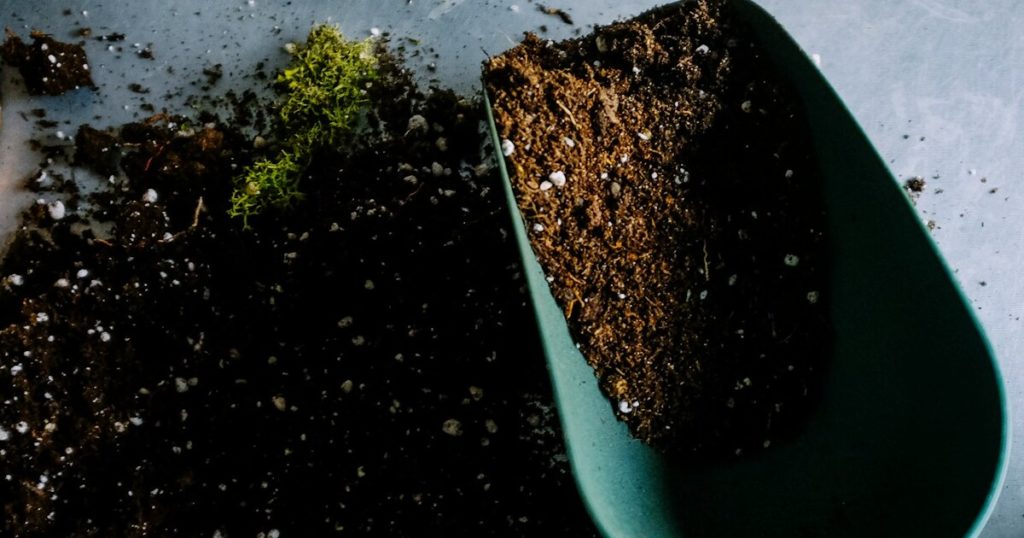
While wood chips initially tie up nitrogen as microbes feast on carbon-rich materials, over time they gradually release nutrients back into the soil. This slow-release process feeds plants steadily, reducing the need for supplemental fertilizers. I’ve seen nutrient-poor beds regain vigor as chip layers break down into humus-rich soil!
Hardwood chips—particularly from beech (Fagus spp.), native to temperate forests—offer a balanced carbon-to-nitrogen ratio that eventually decomposes into rich organic matter. Turning chip layers into compost piles can accelerate this breakdown if you need faster soil enrichment.
Temperature Regulation

Extreme temperature swings can stress roots, slowing growth and flowering. In winter, a thick wood chip layer insulates soil against freezing, while in summer it shields roots from scorching heat. My hydrangeas survived a record-setting frost unscathed under a fluffy carpet of alder chips—proof that insulation works wonders!
Alder (Alnus spp.) is native to wetlands in many regions and decomposes relatively quickly, making it perfect for seasonal insulation. Just be prepared to refresh your mulch each year, since faster breakdown means less long-term buildup.
Disease Suppression

Some fungal pathogens persist on bare soil, infecting plants through fallen debris. Wood chip mulch can interrupt these life cycles by providing a physical barrier between crop foliage and the soil surface. One season, I noticed a sharp decline in soil-borne fungal spots on strawberries after switching to a thick oak-chip layer!
Oak chips help because native oaks support a diverse microbial community that outcompetes harmful pathogens. Plus, the raised fruit from the soil reduces direct contact, so leaves and berries stay cleaner—minimizing nesting spots for disease-causing organisms.
Sustainable Recycling & Cost-Effectiveness

Finally, using locally sourced wood chips—often a byproduct of tree trimming or storm clean-up—transforms waste into a valuable resource. I love knowing that every scoop of mulch in my garden was once part of a fallen branch, now giving back to the earth in a cycle of renewal!
By opting for chips from nearby arborists or municipal programs, you cut down on transportation emissions and support sustainable forestry practices. It’s a win-win: your garden thrives, you save money, and you help close the loop on wood waste.