If your houseplants were thriving for months and suddenly seem to be struggling, the culprit might be right in your watering can. Tap water is convenient and widely used, but for many plants, the minerals, chemicals, and additives it contains can slowly build up and cause stress. Brown leaf tips, yellowing foliage, stunted growth, and...
Gardening Tips
Having a garden is a key aspect of a sustainable lifestyle. When you go to the grocery store to buy produce like fruits and vegetables, as well as eggs, each of those items comes with a carbon footprint and other environmental complications. Unfortunately, a lot of industrial-level farming practices aren’t good for the environment and they aren’t sustainable either. Growing your own fruits and vegetables reduces the negative impact that industrial farming has.
We are strong proponents of living a sustainable lifestyle, both by having a garden and by making environmentally friendly choices that put you on a more sustainable path. That includes using less single-use plastic, conserving energy and water, gardening using organic methods, avoiding synthetic chemicals inside and outside of the home, driving less, living off the grid, and other sustainable efforts.
Sustainable living isn’t just good for the planet but it’s good for you too. Often times, living sustainably means simplifying your life – you get more out of life with less. Sustainable living helps avoid unnecessary consumerism, save money, save the earth, and save your sanity all along the way.
Our gardening tips will help guide you to a greener lifestyle that benefits the planet, your pocket, your community, and yourself too. If all of us did just a little bit to be more sustainable, we could have a massive positive impact and change our world.
So let’s explore these gardening tips together and work toward a greener future for our kids and grandkids.
If you’ve got corn dogs in your freezer, it’s time to double-check the label. On September 27, the USDA’s Food Safety and Inspection Service (FSIS) announced a massive recall of approximately 58 million pounds of corn dog and sausage-on-a-stick products made by The Hillshire Brands Company. The reason? Reports of wood fragments embedded in the...
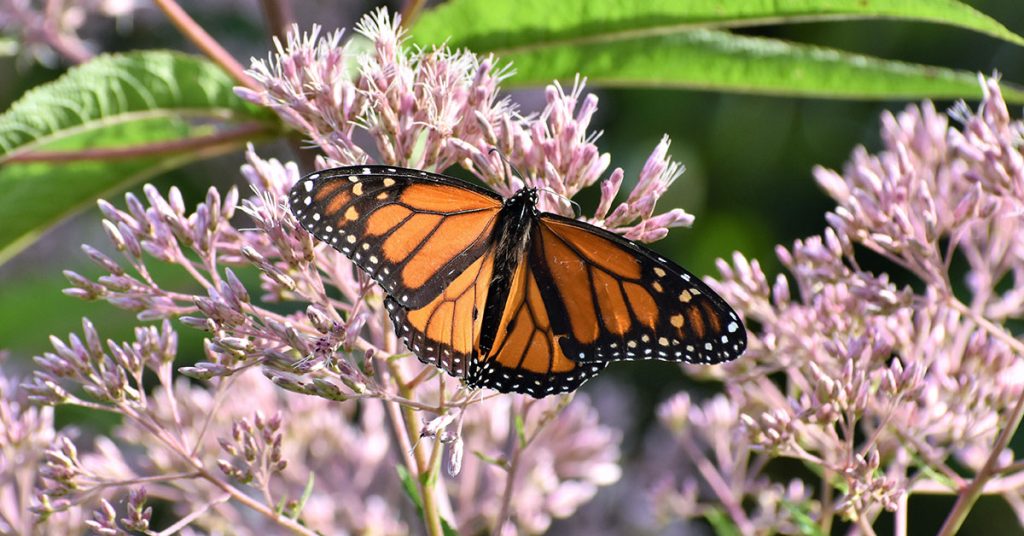
If you’re looking to add a splash of color to your garden while also attracting hummingbirds and butterflies, Joe-Pye weed (Eutrochium spp.) is the perfect choice. This native perennial, known for its tall stature and clusters of purple flowers, is a magnet for pollinators. As a gardener, I find Joe-Pye weed to be an essential...
As the gardening season winds down, many gardeners feel the urge to clear their beds and toss out the spent annuals. It feels tidy and satisfying, but removing those “dead” plants too early can actually harm your garden and the wildlife it supports. While annuals have finished blooming, their remaining stems, seeds, and foliage still...
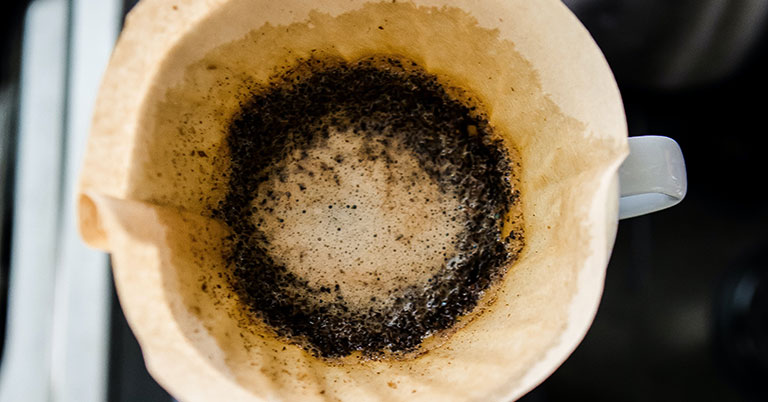
Coffee is an important part of my morning routine. Every day, I wake up and put an unbleached cone-shaped bamboo coffee filter into a pour-over contraption, add my coffee, and do the pour myself. After I’ve had my coffee, I throw the coffee in my compost bin. But can you compost coffee filters? There are...
It is hard to resist the promise of “guaranteed to bloom” bulbs when you see them on store shelves or in glossy catalogs. Those bold claims make it sound like you are buying a foolproof shortcut to a gorgeous spring or summer display. Unfortunately, the reality is often more complicated. While some bulbs do produce...
Plants have long held a deep connection to various religious practices and beliefs across cultures and traditions. From ancient rituals to modern-day ceremonies, plants serve as powerful symbols, representing purity, life, and the divine. Whether used in sacred rituals, as offerings, or as symbols of spiritual truths, these plants carry profound meaning in different religious...
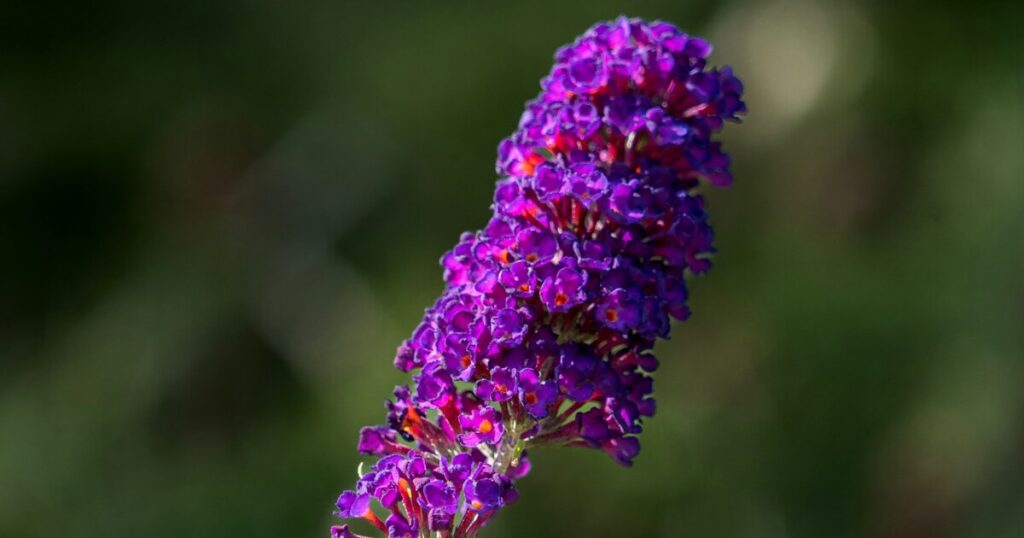
Walk through any garden center in spring, and you are almost guaranteed to see rows of butterfly bushes covered in bright blooms and buzzing with pollinators. These shrubs are marketed as must-haves for creating a butterfly-friendly garden, but the truth is more complicated. While butterfly bushes do attract adult butterflies with their nectar, they fail...
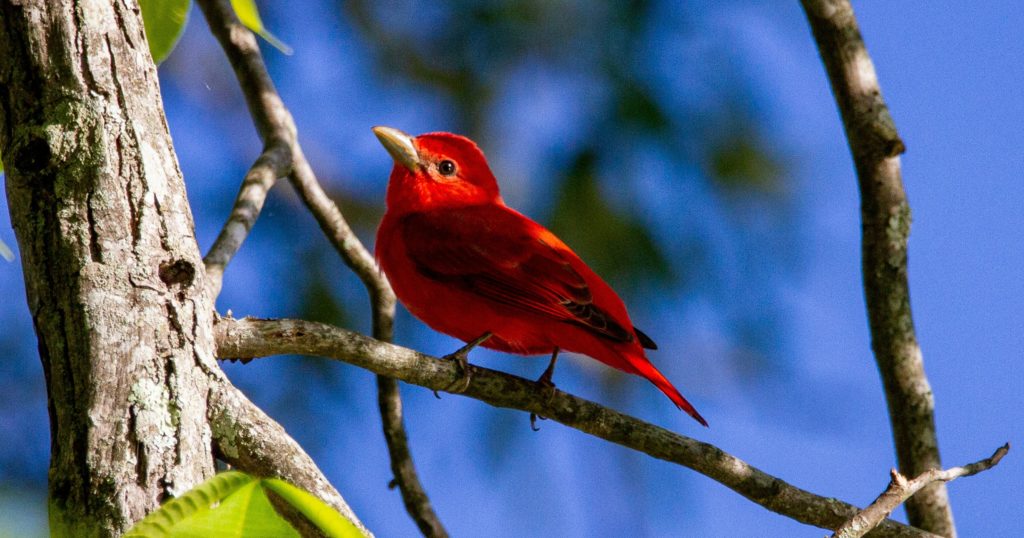
Nothing disrupts a peaceful afternoon in the garden quite like a swarm of wasps. These aggressive insects can make outdoor spaces uncomfortable and even dangerous for those with allergies. But did you know there’s a natural ally in the fight against wasps? The Summer Tanager, a brightly colored bird known for its appetite for wasps...
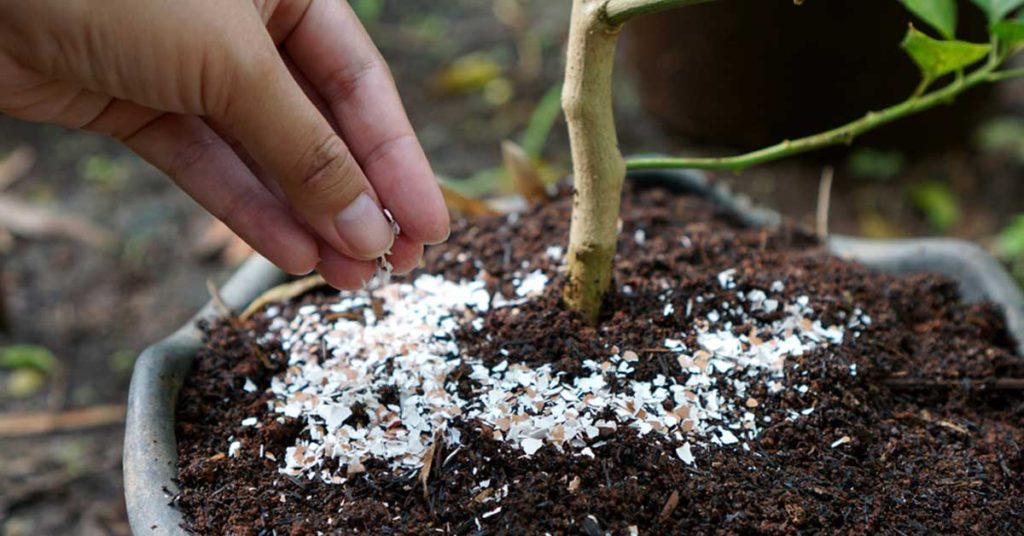
Walk into any garden center and you will find shelves packed with products labeled as “organic soil boosters,” “natural enhancers,” or “miracle amendments.” They promise bigger blooms, healthier plants, and thriving soil ecosystems, often with the allure of being eco-friendly. The problem? Many of these expensive additives do little or nothing to improve your garden’s...
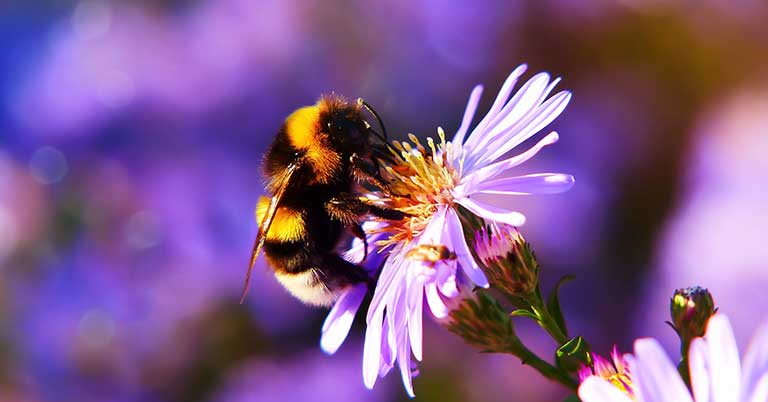
By the time late summer fades into fall, many gardens begin to lose their color. But for pollinators like bees, butterflies, and hummingbirds, this is one of the most critical times of the year. As natural food sources dwindle, late-blooming flowers provide essential nectar and pollen that help pollinators survive migration, reproduction, and winter hibernation....
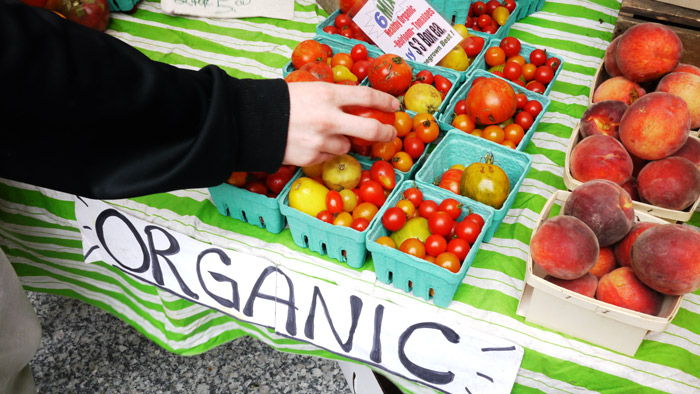
Walk into any garden center, and you will see bags of fertilizers labeled “organic,” “natural,” or “eco-friendly.” The packaging often features lush vegetables, bright flowers, and earthy tones designed to make you feel like you are choosing the healthiest option for your garden and the planet. But the reality is that many so-called “organic” fertilizers...