
It is hard to resist the promise of “guaranteed to bloom” bulbs when you see them on store shelves or in glossy catalogs. Those bold claims make it sound like you are buying a foolproof shortcut to a gorgeous spring or summer display. Unfortunately, the reality is often more complicated. While some bulbs do produce flowers the first year, the long-term performance of these “guaranteed” products rarely lives up to expectations.
The truth is that many of these bulbs are treated, forced, or selected in ways that prioritize quick results over lasting garden success. Understanding what these guarantees really mean—and what they leave out—can help you make smarter choices for your garden. Here is what you need to know before filling your cart with too-good-to-be-true promises.
They’re Often Pre-Forced for First-Year Blooms
One of the biggest secrets behind “guaranteed to bloom” bulbs is that many have been pre-forced. This means they have undergone a controlled process of chilling and heat exposure to simulate the changing seasons, essentially tricking the bulb into flowering earlier than it naturally would.
While this method ensures an impressive first-year bloom, it often leaves the bulb depleted and unable to produce flowers as well—or at all—the following year. Gardeners who expect repeat blooms may be disappointed when plants fail to perform in subsequent seasons. If you want bulbs that thrive year after year, look for varieties that are naturally suited to your region rather than those heavily manipulated before you plant them.
Short-Term Success Often Masks Long-Term Weakness
The initial blooms from these bulbs may look spectacular, but their long-term health is often compromised. Pre-forced bulbs are frequently grown under artificial conditions where they are pushed to produce as quickly as possible, leaving them with little stored energy for future growth.
Without replenishing their energy reserves after the first bloom, many of these bulbs struggle to naturalize or rebloom in following seasons. This leads to thinning displays and the need to purchase replacements each year. By contrast, choosing high-quality, untreated bulbs gives you plants that establish stronger root systems and become reliable perennials that return season after season.
Bulbs Are Sometimes Stored Improperly Before Sale
Another problem with many “guaranteed” bulbs is how they are stored before they reach your hands. Big-box retailers often keep bulbs in warehouses or on shelves for months, exposing them to fluctuating temperatures and humidity levels that can cause premature sprouting, mold, or rot.
Even if the bulbs manage to bloom after planting, their lifespan may be significantly reduced. To avoid this, buy from reputable growers or nurseries that prioritize freshness and proper handling. Healthy, properly stored bulbs have higher success rates and establish stronger plants in your garden long-term.
Not All Guarantees Mean Healthy Plants
The “guarantee” behind many bulbs often covers the bloom itself, not the health of the plant. A vendor can technically fulfill their promise by selling a bulb capable of flowering once, even if it is unlikely to thrive after that initial display. Some companies even rely on replacing bulbs under warranty instead of improving quality, which can lead to ongoing disappointment.
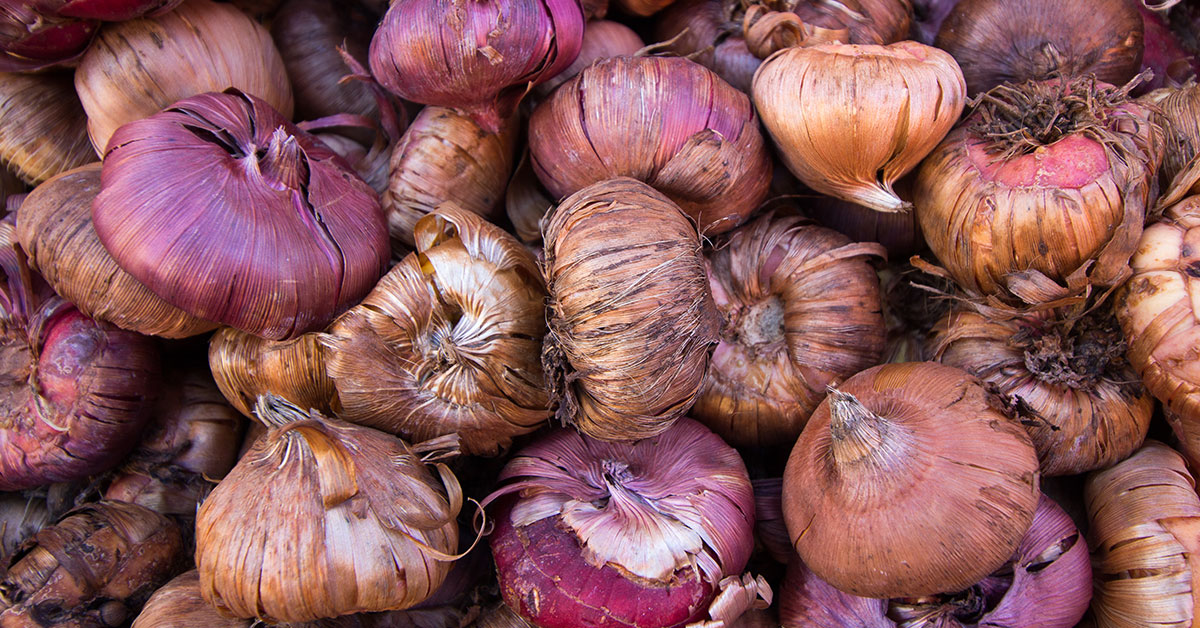
Understanding what the guarantee actually covers is essential. Always read the fine print and look for sellers with a reputation for delivering bulbs that naturalize well rather than relying on quick, forced results. Healthy bulbs should be plump, firm, and free from soft spots or blemishes at the time of purchase.
Many Bulbs Are Unsuitable for Your Climate
“Guaranteed to bloom” labels rarely consider your specific growing conditions. A bulb treated to flower in its first year may bloom on schedule, but if it is poorly suited to your local climate, it may never thrive beyond that. Tulips, for example, struggle to naturalize in warmer regions where they do not receive the cold period they require.
To set yourself up for success, research which bulb varieties perform best in your USDA hardiness zone and local conditions. Selecting bulbs adapted to your climate ensures healthier plants, better blooms, and stronger returns year after year without relying on forced growth techniques that ultimately shorten their lifespan.
Chemical Treatments Can Be Hiding Behind the Guarantee
Some bulbs sold with blooming guarantees are treated with chemicals designed to accelerate growth, deter pests, or improve immediate flowering results. While these treatments may deliver short-term success, they can sometimes leave bulbs weaker and less likely to establish long-term.
These treatments can also have environmental implications, impacting pollinators and beneficial soil organisms. If sustainability matters to you, seek out organic or untreated bulbs from trusted growers. Not only will you protect your garden’s ecosystem, but you’ll also enjoy stronger, naturally thriving plants that don’t rely on chemical shortcuts to succeed.
Big-Box Bulbs vs. Specialty Growers
Bulbs sold in big-box stores often prioritize mass production and marketing over quality and longevity. They are selected to appeal visually, packaged attractively, and sold in bulk with flashy claims like “guaranteed to bloom.” Specialty growers, on the other hand, focus on providing healthier bulbs grown under conditions that mimic their natural habitat.
While bulbs from specialty growers can be slightly more expensive upfront, they are generally fresher, better suited to your region, and more likely to rebloom year after year. Investing in quality bulbs from trusted suppliers means your money goes further because you are planting for long-term success rather than short-lived results.
They May Encourage Overcrowding and Weak Blooms
Mass-market “guaranteed bloom” bulbs are often sold in tightly packed sets, encouraging gardeners to plant them too closely together for that lush, full look shown on the packaging. While the first year’s display can be stunning, overcrowded bulbs compete for nutrients and water, leading to fewer blooms and weaker plants in the seasons that follow.
Spacing bulbs correctly gives them the room they need to develop strong roots and replenish energy reserves between blooming cycles. Always follow recommended planting guidelines for each variety to ensure healthier, more reliable results in the long term.
True Naturalizing Bulbs Are the Better Choice
If you want your garden to come alive every spring without replacing bulbs year after year, naturalizing varieties are the way to go. These bulbs are bred or selected for their ability to return and multiply naturally under the right conditions, rewarding you with fuller, healthier displays over time.
Snowdrops, daffodils, crocuses, and grape hyacinths are excellent examples of bulbs that thrive without manipulation. Unlike heavily forced options, they establish deep roots and steadily improve their performance year after year. Investing in these types of bulbs not only saves you money but also creates a more sustainable, self-renewing garden.
How to Spot Quality Bulbs Before You Buy
Avoiding disappointing results starts with knowing what to look for before you purchase bulbs. Quality bulbs should feel firm, heavy for their size, and free from mold, soft spots, or shriveling. Inspect packaging carefully and prioritize suppliers who provide detailed growing information specific to your region.
Whenever possible, buy from trusted nurseries or growers with a reputation for quality and long-lasting performance. Look for bulbs labeled as suitable for naturalizing and adapted to your local climate. Choosing healthy bulbs at the start sets you up for success, ensuring your garden bursts into bloom this year and for many seasons to come.