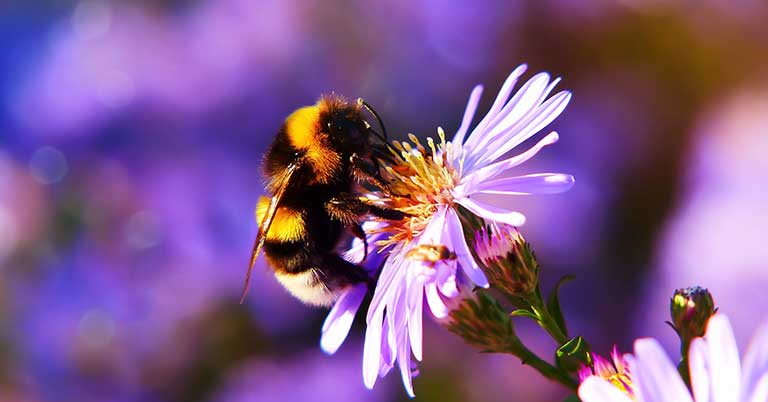

By the time late summer fades into fall, many gardens begin to lose their color. But for pollinators like bees, butterflies, and hummingbirds, this is one of the most critical times of the year. As natural food sources dwindle, late-blooming flowers provide essential nectar and pollen that help pollinators survive migration, reproduction, and winter hibernation. Without these vital food sources, many species would struggle to make it through the season.
Planting late-blooming flowers in your garden is one of the simplest and most effective ways to support local ecosystems. These plants not only feed pollinators but also extend the beauty of your garden well past summer’s peak. Here are some of the best late-blooming flowers that keep pollinators thriving when they need it most.
Asters
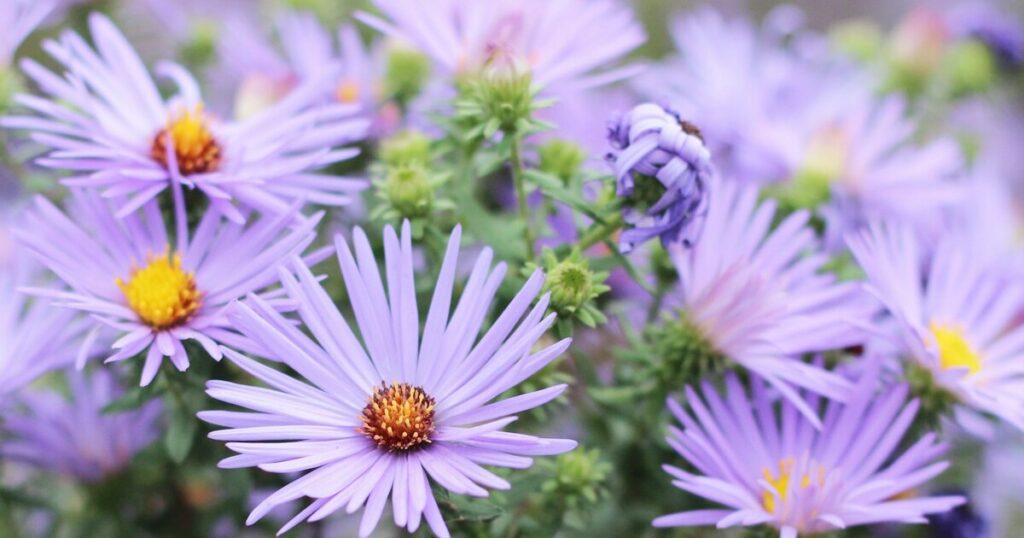
Asters are pollinator powerhouses, producing vibrant purple, blue, and pink blooms well into late fall. These daisy-like flowers are a favorite for bees, butterflies, and other insects because they provide an abundant and reliable nectar source when many other flowers have faded. For migrating monarch butterflies, asters are especially important, helping fuel their long journey south.
These hardy perennials thrive in full sun and well-drained soil, making them easy to grow in a variety of climates. They work beautifully in borders, wildflower patches, and pollinator gardens, pairing perfectly with ornamental grasses for a natural look. By planting native varieties, you give local pollinators a food source perfectly suited to their needs, helping sustain biodiversity even as the seasons shift.
Goldenrod (Solidago spp.)
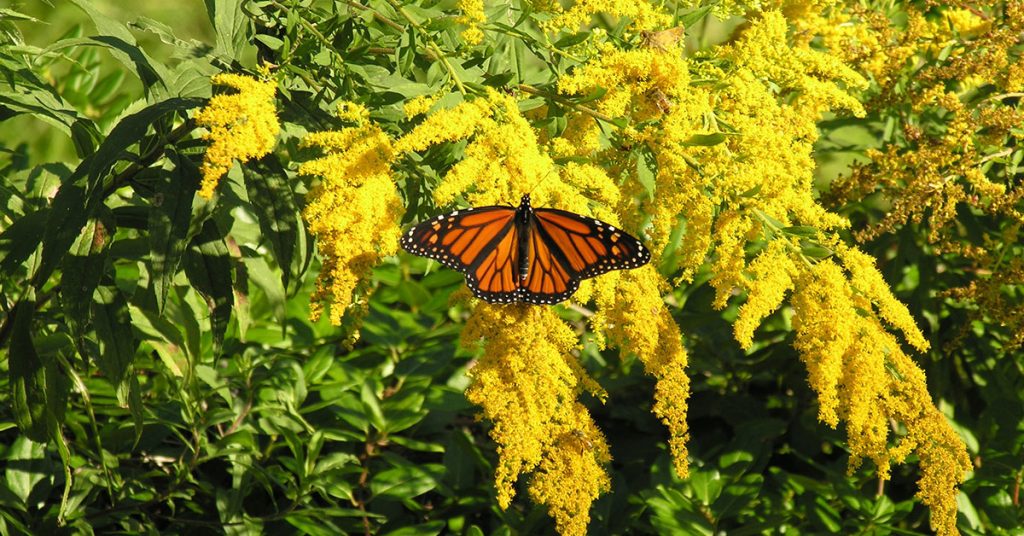
Goldenrod is often unfairly blamed for causing seasonal allergies, but it is actually one of the most important late-season nectar sources for pollinators. Its clusters of tiny yellow flowers are rich in pollen and nectar, attracting bees, butterflies, beetles, and moths when few other blooms are available.
Goldenrod thrives in a wide range of conditions, from wild meadows to cultivated gardens, and it plays a key role in supporting monarch butterflies during migration. Native species are particularly valuable because they have co-evolved with local pollinators. When planted alongside other late-blooming flowers, goldenrod creates a pollinator buffet that keeps wildlife thriving through fall.
Sedum (Stonecrop)
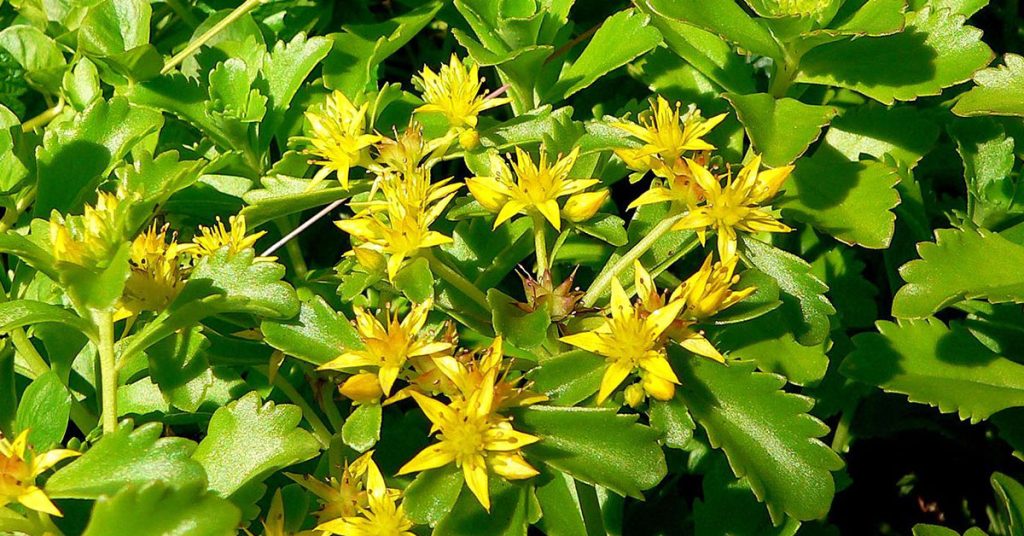
Sedum, especially the popular variety Autumn Joy, is a reliable late-blooming perennial that becomes a magnet for bees and butterflies. Its succulent leaves store water, making it drought-tolerant and easy to care for, while its pink-to-rust flower clusters provide long-lasting color well into autumn.
Pollinators are drawn to sedum because of its high nectar content, making it an excellent companion plant for other late-season bloomers. Sedum thrives in full sun and well-drained soil, making it perfect for rock gardens, borders, and pollinator-friendly landscapes. Once established, it requires minimal maintenance and rewards gardeners with years of dependable blooms that support wildlife during the seasonal transition.
Joe Pye Weed (Eutrochium purpureum)

Joe Pye weed is a towering, pollinator-friendly perennial that produces clusters of pinkish-purple flowers from late summer into early fall. Its nectar-rich blooms attract butterflies, bees, and moths in droves, making it a must-have for wildlife gardens. Monarch butterflies, in particular, rely on Joe Pye weed as a food source during their long migration.
This native plant thrives in moist soils and sunny to partially shaded areas, growing up to six feet tall in the right conditions. It adds height, structure, and ecological value to garden beds and naturalized landscapes. Planting Joe Pye weed alongside asters and goldenrod creates a continuous nectar supply for pollinators during the critical late-season window.
Helenium (Sneezeweed)
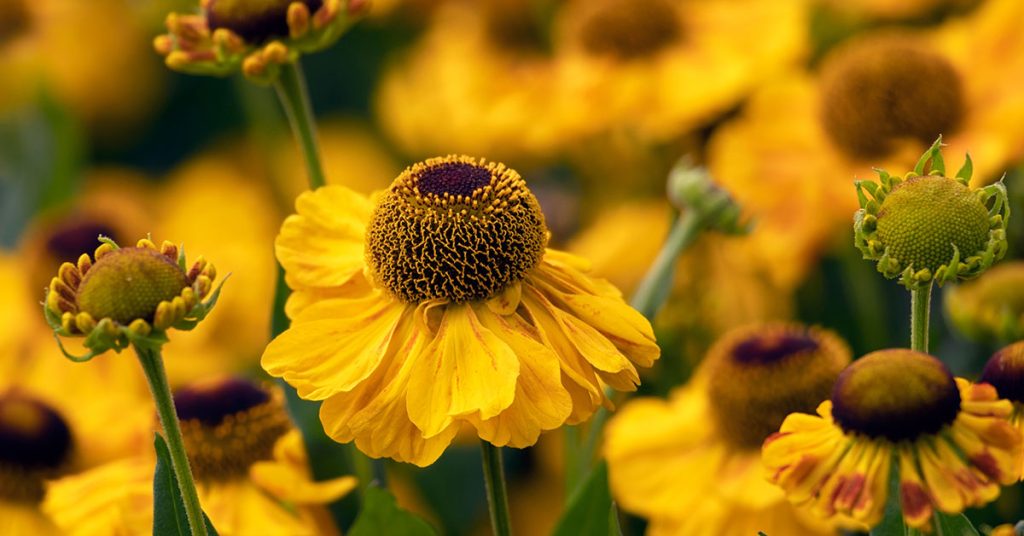
Helenium, also known as sneezeweed, produces bright daisy-like flowers in shades of yellow, orange, and red from late summer through fall. Its colorful blooms are rich in nectar, attracting honeybees, bumblebees, and butterflies at a time when other resources are scarce. Despite its name, Helenium does not cause seasonal allergies, making it safe and beneficial for pollinator-friendly gardens.
This hardy perennial thrives in sunny locations with moist, well-drained soil. Its long blooming season and low-maintenance nature make it an excellent addition to borders, wildflower gardens, and pollinator patches. By planting Helenium, you provide a steady late-season food source that helps pollinators refuel before winter or migration.
Coneflowers (Echinacea spp.)

Coneflowers are well-loved for their bold, daisy-like blooms and long flowering season, often extending into late fall. Their large, nectar-rich centers are especially attractive to bees, butterflies, and even seed-eating birds after the flowers fade. As one of the most versatile native perennials, they are essential for supporting local ecosystems.
These hardy plants thrive in sunny locations with well-draining soil and require minimal care once established. Native species like Echinacea purpurea are particularly beneficial for pollinators because they evolved alongside them, making them an important addition to any wildlife-friendly garden. Leaving the seed heads intact through winter also provides food for finches and other backyard birds.
Blanket Flower (Gaillardia)

Blanket flowers bring vibrant reds, yellows, and oranges to the garden while providing an important late-season food source for pollinators. These drought-tolerant perennials bloom from midsummer into fall, giving bees and butterflies a reliable supply of nectar when other flowers start to fade.
Blanket flowers thrive in sunny, well-drained conditions and require minimal maintenance once established. Their bold colors and long-lasting blooms make them a great choice for borders, wildflower gardens, and pollinator habitats. By planting blanket flowers alongside other late-bloomers, you create a layered, pollinator-friendly garden that supports wildlife when food sources are limited.
Russian Sage (Perovskia atriplicifolia)
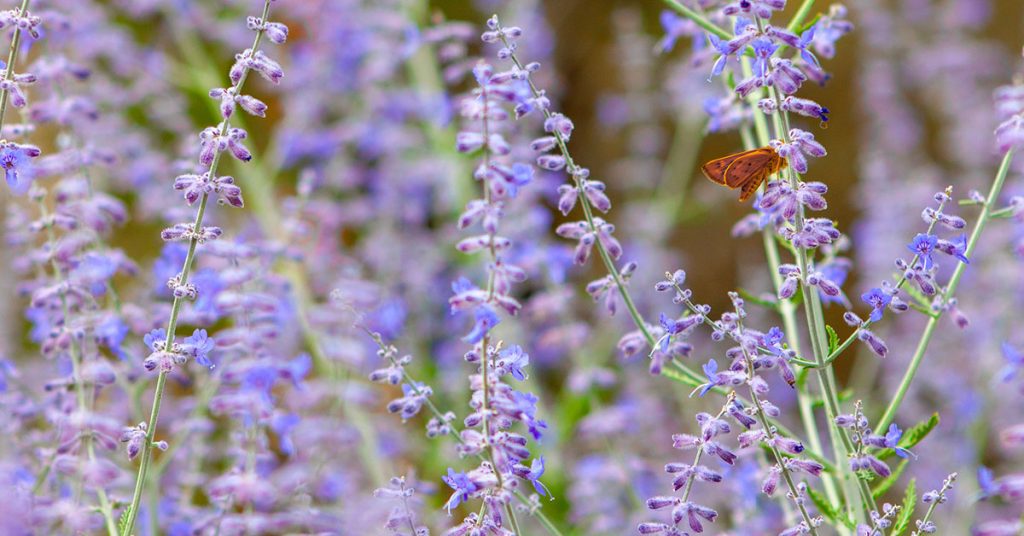
Russian sage produces airy spikes of lavender-blue flowers from midsummer through fall, offering a continuous nectar source for bees, butterflies, and hummingbirds. Its aromatic foliage and drought tolerance make it both beautiful and practical for low-maintenance gardens.
Russian sage thrives in sunny spots with well-drained soil and pairs beautifully with ornamental grasses and other late-bloomers. Its open, airy structure allows pollinators easy access to its flowers, making it one of the most valuable plants for supporting wildlife during the late season. In addition to feeding pollinators, Russian sage provides stunning texture and color in fall landscapes.
Turtlehead (Chelone spp.)
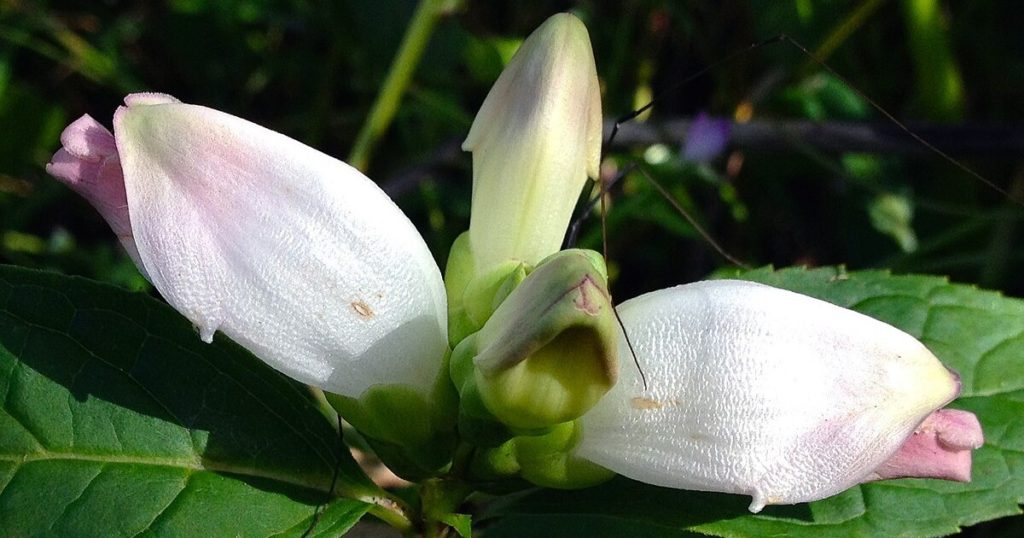
Turtlehead, named for its unique hooded blooms, flowers from late summer through early fall and is particularly important for bumblebees and butterflies. The tubular blossoms are perfectly shaped for pollinators seeking nectar deep inside the flower, making it an excellent addition to pollinator-focused plantings.
This native perennial thrives in moist, partially shaded areas, making it ideal for rain gardens, woodland edges, and pond borders. Its late blooms fill an essential seasonal gap when other nectar sources have disappeared, helping pollinators prepare for the months ahead. Turtlehead’s structural beauty and ecological benefits make it a valuable choice for any wildlife-friendly garden.
Anise Hyssop (Agastache foeniculum)
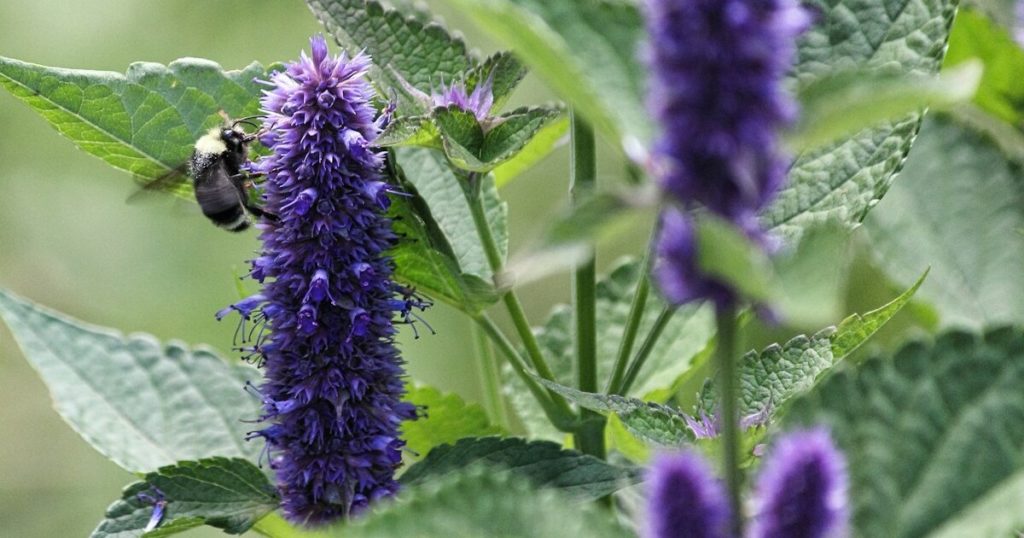
Anise hyssop is a fragrant, pollinator-friendly perennial that produces spikes of purple flowers from midsummer into early fall. Its blooms are a favorite among bees, butterflies, and hummingbirds, providing an extended nectar source as the season winds down.
This plant thrives in full sun and well-drained soil, and once established, it is highly drought-tolerant and low-maintenance. The aromatic leaves add culinary and medicinal value, while the vibrant flowers add texture and height to pollinator gardens. Planting anise hyssop alongside other late bloomers creates a thriving ecosystem where pollinators can continue foraging well into autumn.
Maximilian Sunflower (Helianthus maximiliani)
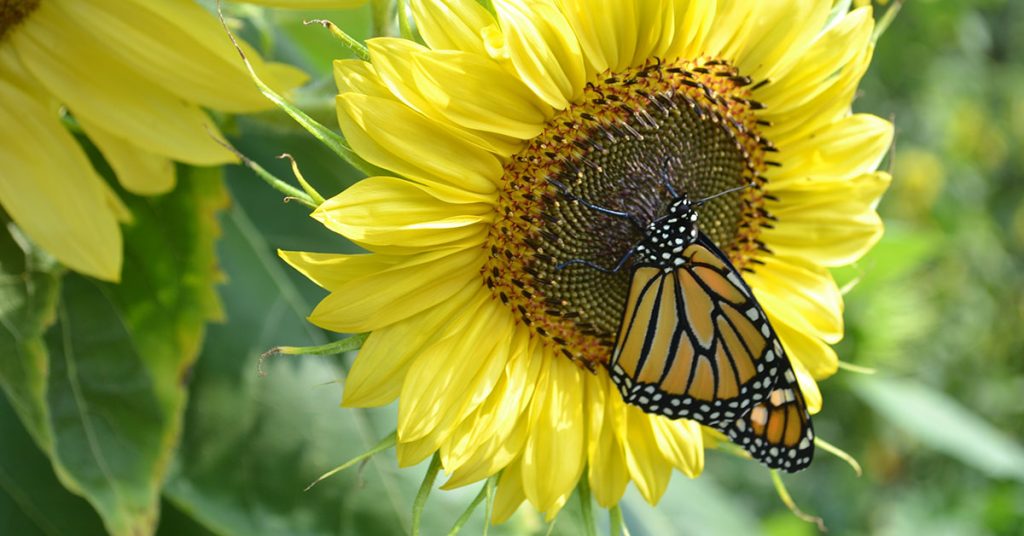
Maximilian sunflowers are towering native perennials that bloom from late summer through fall, providing essential nectar and pollen to bees and butterflies. Their tall, sunny blooms also act as a valuable late-season resource for migrating monarchs, helping them fuel their long journeys south.
These hardy plants thrive in full sun and well-drained soil, making them ideal for borders, meadows, and pollinator-focused landscapes. Beyond their ecological benefits, Maximilian sunflowers bring dramatic height and beauty to gardens, serving as both a functional and ornamental addition. By planting them, you create an abundant food source when pollinators need it most.