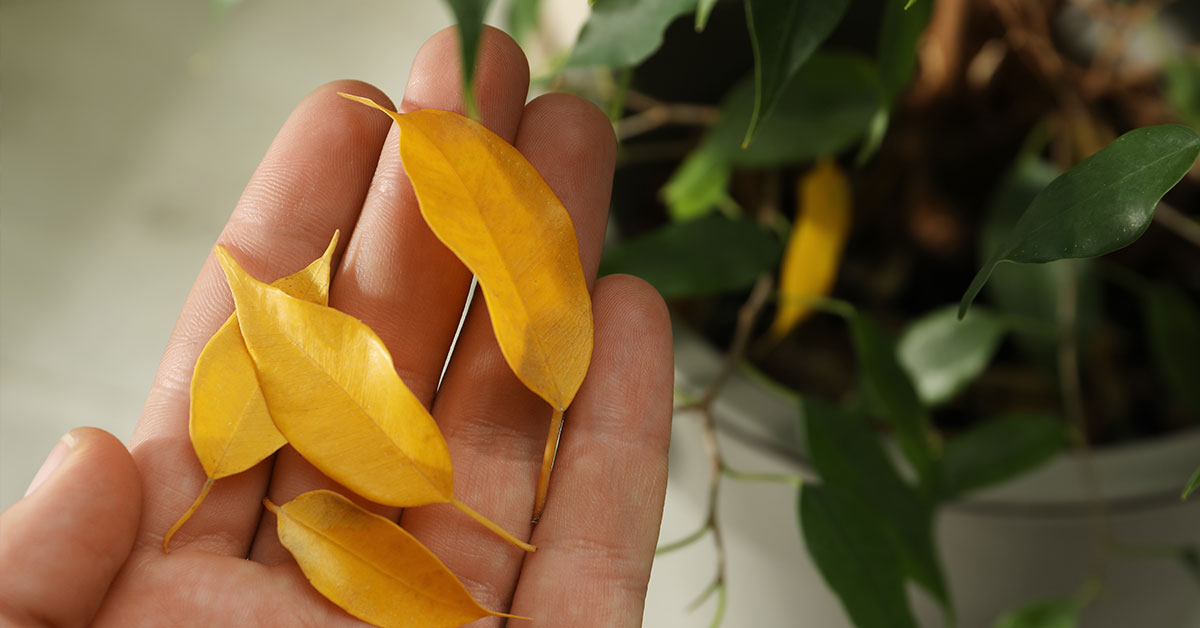

If your houseplants were thriving for months and suddenly seem to be struggling, the culprit might be right in your watering can. Tap water is convenient and widely used, but for many plants, the minerals, chemicals, and additives it contains can slowly build up and cause stress. Brown leaf tips, yellowing foliage, stunted growth, and root issues are common signs that your plants are reacting negatively to what they are drinking.
The quality of tap water varies depending on your location, treatment methods, and water source. While some plants tolerate it without issue, others—especially sensitive tropicals—can decline quickly when exposed to high levels of chlorine, fluoride, or dissolved salts. Understanding why your houseplants may hate tap water and what to do about it can make a huge difference in their health and longevity.
Chlorine Can Burn Sensitive Leaves
Most municipal tap water contains chlorine, which is used to disinfect and kill harmful bacteria. While this makes your drinking water safe, it can be harsh on delicate houseplants, especially those with thin leaves like calatheas, ferns, and prayer plants. Over time, chlorine exposure can damage root systems, leading to brown tips, leaf curl, and slowed growth.
Fortunately, there are easy solutions. Fill your watering can and let it sit uncovered for 24 hours to allow chlorine to naturally dissipate before using it on your plants. For an even quicker option, aerating the water with an aquarium pump can speed up the process. Switching to filtered or distilled water for your most sensitive plants can also help eliminate stress and restore lush, vibrant foliage.
Fluoride Sensitivity in Certain Plants
Fluoride is another common additive in tap water, especially in urban areas where it is added to support dental health. While harmless to humans, many houseplants are extremely sensitive to fluoride buildup. Species like spider plants, dracaenas, and peace lilies are particularly prone to damage, often developing brown tips and mottled leaves when exposed to high levels over time.
Because fluoride does not evaporate like chlorine, letting water sit out will not remove it. Instead, opt for filtered water or collect rainwater to reduce exposure. If you notice tip burn despite proper watering techniques, switching water sources is often the quickest fix. Choosing low-fluoride alternatives can make a dramatic difference in the health and appearance of your sensitive houseplants.
Hard Water and Mineral Buildup
If your tap water comes from a hard water source, it likely contains high concentrations of dissolved minerals like calcium and magnesium. Over time, these minerals accumulate in the soil, forming a crusty white residue on the surface and around the pot edges. Excessive buildup can interfere with nutrient uptake, causing yellow leaves, stunted growth, and weakened roots.
To manage hard water issues, flush the soil every few months by running distilled water through the pot until it drains freely, washing away excess salts and minerals. You can also switch to filtered or reverse-osmosis water to reduce the problem altogether. Regularly inspecting your soil and wiping down mineral deposits helps keep your plants’ roots healthy and prevents long-term damage.
Water Softeners Can Cause Salt Stress
If your home uses a water softener, your houseplants may be getting an unintended dose of sodium every time you water them. Water softeners work by replacing calcium and magnesium ions with sodium or potassium, which can make the water gentler on pipes but harsher on plants. High sodium levels interfere with root absorption, dry out the soil, and damage plant tissues over time.
To avoid salt stress, bypass softened water when possible and use unsoftened tap water or filtered alternatives instead. If that is not an option, distilled or rainwater is the safest choice. Periodically flushing your plants’ soil with clean water can also help remove accumulated salts and prevent further damage, especially for more sensitive species.
Sensitive Plants React Differently
Not all houseplants respond to tap water the same way. Hardy species like pothos, philodendrons, and snake plants tend to tolerate a wider range of water qualities, while more sensitive tropicals like calatheas, alocasias, and ferns may react quickly to chemical and mineral buildup.
Understanding your plant’s natural environment helps you choose the right watering method. Tropical rainforest plants, for example, are accustomed to pure rainwater and struggle with treated water, while desert succulents are more adaptable. Grouping plants with similar water tolerances together simplifies care and helps you develop a consistent routine that keeps all of them healthy.
Signs That Tap Water Is Causing Problems
If your plants suddenly develop brown leaf tips, yellowing edges, or dry, crispy patches despite proper care, your tap water may be to blame. These symptoms are often mistaken for underwatering, but over time, mineral buildup and chemical sensitivity reveal themselves as uneven leaf damage, slowed growth, or drooping leaves despite moist soil.
Keep an eye on patterns across your collection. If multiple plants show similar symptoms while receiving different amounts of sunlight and fertilizer, your water source may be the common factor. Testing your tap water for pH, hardness, and chemical levels can provide valuable insight into what your plants are dealing with and guide your next steps for care.
Rainwater Is Often the Best Alternative
One of the simplest solutions to tap water sensitivity is switching to rainwater. Because it is naturally soft, chlorine-free, and full of trace minerals, rainwater closely mimics the natural hydration houseplants receive in the wild. Plants like peace lilies, calatheas, and ferns especially thrive when switched from treated water to collected rainwater.
Set up a rain barrel or collect runoff from your roof using clean containers, and be sure to store it in a cool, shaded area to prevent algae growth. Using rainwater not only improves plant health but also reduces dependence on municipal water sources, making it both an eco-friendly and plant-friendly option.
Filtered and Distilled Water Options
For gardeners who cannot reliably collect rainwater, filtered or distilled water offers an excellent alternative. Simple carbon filters remove chlorine, some fluoride, and many dissolved solids that stress sensitive plants. Reverse-osmosis systems go a step further, stripping away nearly all contaminants for the purest hydration possible.
Distilled water, while free of harmful additives, lacks natural minerals, so pairing it with occasional fertilizer is helpful to maintain nutrient balance. Investing in a small filtration system can make a noticeable difference for tropicals and other delicate houseplants, helping them produce greener foliage and stronger growth throughout the year.
Check Water Temperature
Even if your water quality is perfect, using water that is too hot or too cold can shock your plants. Succulents, tropicals, and ferns alike prefer room-temperature water, ideally between 65°F and 75°F. Extreme temperatures can damage roots, cause leaf drop, and interrupt nutrient uptake, especially when used consistently.
To avoid temperature shock, fill your watering can and let it sit for a few hours indoors before using it. This also helps chlorine dissipate naturally while ensuring the water matches the ambient temperature of your home. Adjusting water temperature is one of the simplest ways to keep sensitive roots healthy and reduce unnecessary stress on your plants.
Adjust Fertilizing Habits if Using Tap Water
If you regularly water with tap water, mineral buildup can happen faster, which means you may need to adjust your fertilizer routine. Using standard fertilizer formulas without accounting for your water’s mineral content can lead to excess salt accumulation in the soil, further stressing your plants and damaging their roots.
To balance this, reduce fertilizer frequency slightly and flush the soil with distilled water every few months to clear out excess salts. Choosing a fertilizer designed for houseplants grown in tap water can also help maintain nutrient balance. By adjusting your feeding habits, you prevent harmful buildup and keep your plants looking lush and healthy.
Testing Your Tap Water Can Solve the Mystery
If your houseplants continue to decline despite good care, testing your tap water is one of the best steps you can take. Home testing kits measure pH, hardness, and chemical content, giving you a better understanding of what your plants are dealing with. Armed with this knowledge, you can decide whether simple fixes like filtering are enough or if switching to rainwater or distilled water is necessary.
Knowing your water’s exact composition also helps you tailor your care routines more precisely, from fertilizer adjustments to flushing schedules. Testing removes the guesswork and allows you to make informed decisions that improve plant health long-term.
Healthier Plants Start With Better Water
Your houseplants rely on consistent, high-quality hydration, and tap water does not always meet their needs. By understanding how chlorine, fluoride, minerals, and softened water affect your plants, you can take steps to reduce stress and create a healthier growing environment.
Switching to rainwater, filtered water, or distilled options, along with monitoring soil buildup and plant reactions, ensures your plants thrive year-round. With the right water and proper care, you will see greener leaves, stronger roots, and vibrant growth that transforms your indoor garden into a thriving oasis.