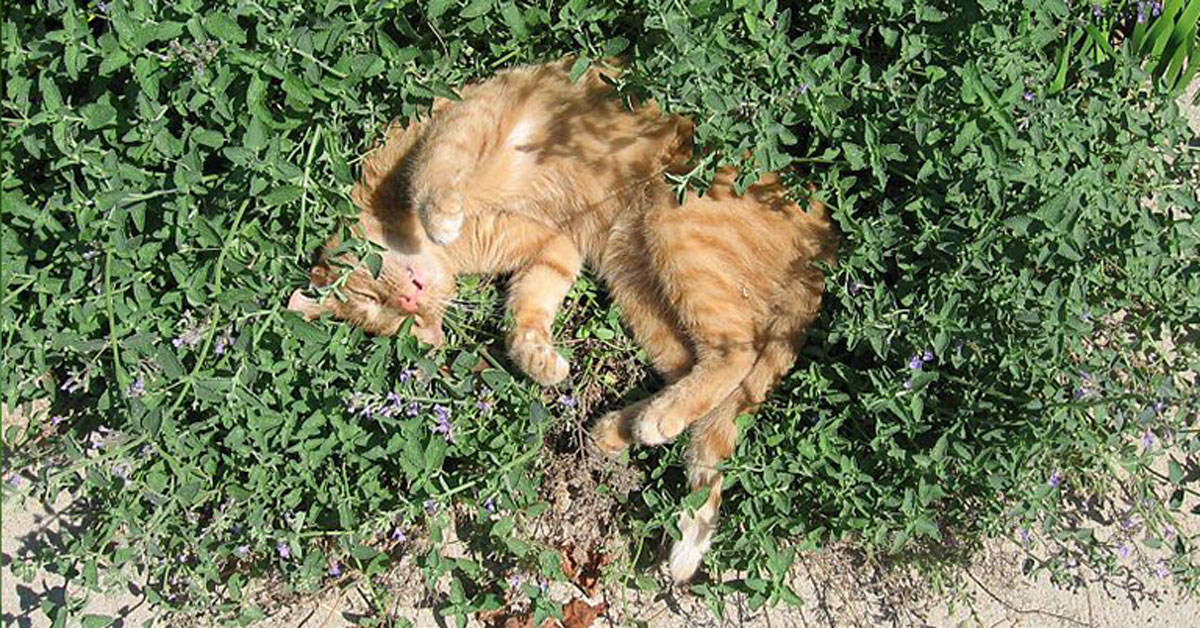

Creating a garden that’s safe for your furry pals doesn’t mean sacrificing color or fragrance—it’s about choosing plants that welcome curious noses and wandering paws without toxic risks. I know how worrying it can be when your dog bounds through a border or your cat tiptoes amid flowers, and you pause, heart in throat, hoping every leaf is harmless. By selecting tried‑and‑true non‑toxic species, you can craft a vibrant outdoor playground that soothes your worries and delights your pets!
Beyond safety, many of these plants enrich your garden ecosystem. Butterflies flutter among lupine clusters, and solitary bees sometimes nest in sheltered soil beneath lavender shrubs. You’ll find yourself marveling at earthworms tunneling under sedges to improve soil structure, and delighting in the gentle rustle of ornamental grasses as your cat weaves through them. Let’s dive into twelve fabulous, pet‑friendly plants that combine beauty, resilience, and peace of mind!
Lavender (Lavandula angustifolia)

Lavender’s silvery foliage and purple flower spikes lend a serene, cottage‑garden charm—plus, it rarely becomes invasive when grown in well‑drained beds. Bees adore the blooms, and you might spot tiny sweat bees nesting in the warm, bare patches around the stems!
Even better, lavender is non‑toxic to both cats and dogs, offering you calming aromatherapy without risk. I love brushing my fingers along fresh lavender before stepping inside; inhaling that sweet, herbaceous scent is like a tiny vacation after a busy day!
Cat Grass (Hordeum vulgare)
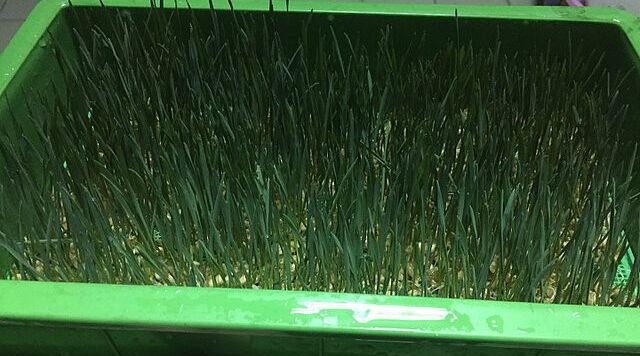
Often a mix of barley, oat, or wheat grasses, cat grass mimics the tender shoots felines instinctively seek out to aid digestion and prevent hairballs. Scattering a small patch near a sunny window or planter provides a safe snacking spot, rather than your prize begonias!
Growing cat grass is delightfully simple—sow seeds in potting mix, keep moist, and watch green blades shoot up in days. My own cat plucks a few blades each morning, crunching happily, while I rest easy knowing it’s all perfectly safe!
Blue Salvia (Salvia farinacea)
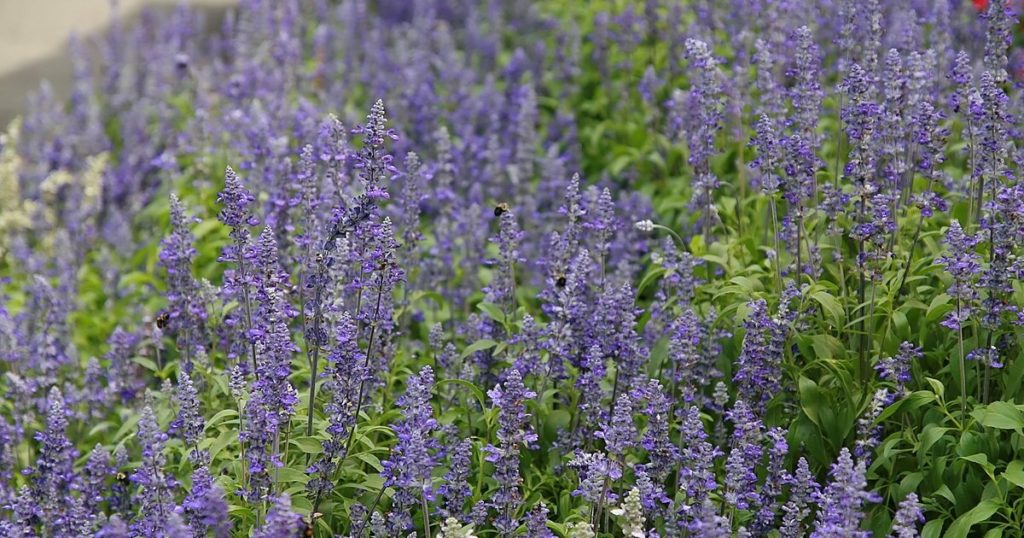
Blue salvia, a native of Texas and Mexico, produces towering spikes of cobalt blooms that attract hummingbirds and butterflies. It self‑sows modestly rather than overtaking beds, making it a well‑behaved choice for mixed borders.
Salvia is non‑toxic to dogs and cats and adds vertical interest near fences or pathways. Every time I see a hummingbird dart among the flowers, I smile—knowing my garden’s safe refuge supports both pollinators and pets alike!
Nasturtium (Tropaeolum majus)

Nasturtiums are cheerful, heat‑tolerant annuals native to South America that spill bright blooms across soil surfaces, suppressing weeds and inviting ladybugs to nest in the foliage. Their peppery petals and leaves are entirely edible—and non‑toxic to pets!
I sprinkle nasturtium petals into summer salads, but my dog seems to prefer chewing on the leaves. His playful munching doesn’t harm him, and the flowers’ pest‑deterring compounds help protect neighboring veggies—a win‑win for all!
Zinnia (Zinnia elegans)
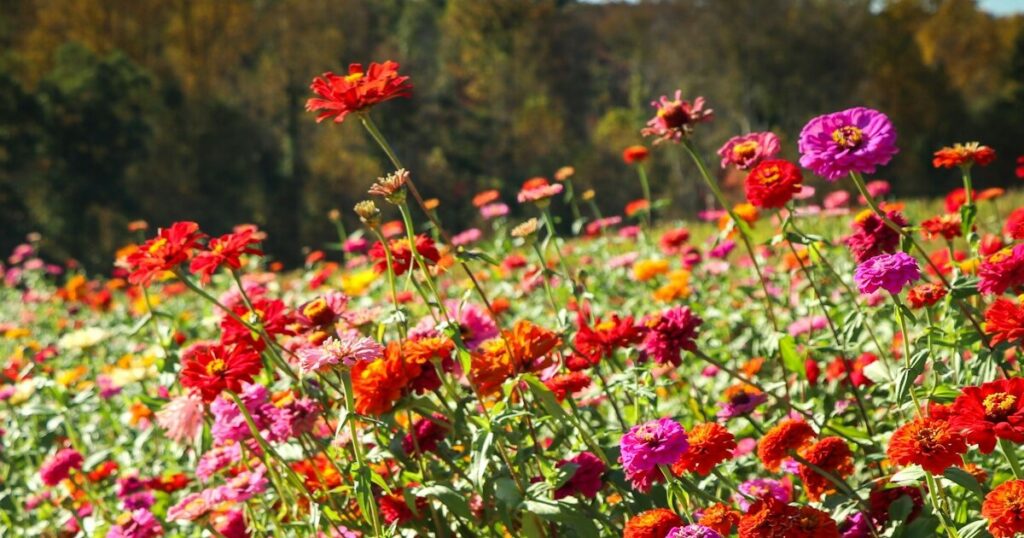
Zinnias, originally from Mexico, offer bold, daisy‑like blooms in every hue of the rainbow. They never become invasive and make terrific cut flowers that prolong summer color. Butterflies flock to their nectar, and you might spy a swallowtail pausing to rest on a petal!
Safe for both cats and dogs, zinnias brighten sunny beds and encourage pollinators without risking your pet’s health. I often find my dog lounging in the shade of a zinnia patch, content amid the cheerful blooms!
Lemon Balm (Melissa officinalis)
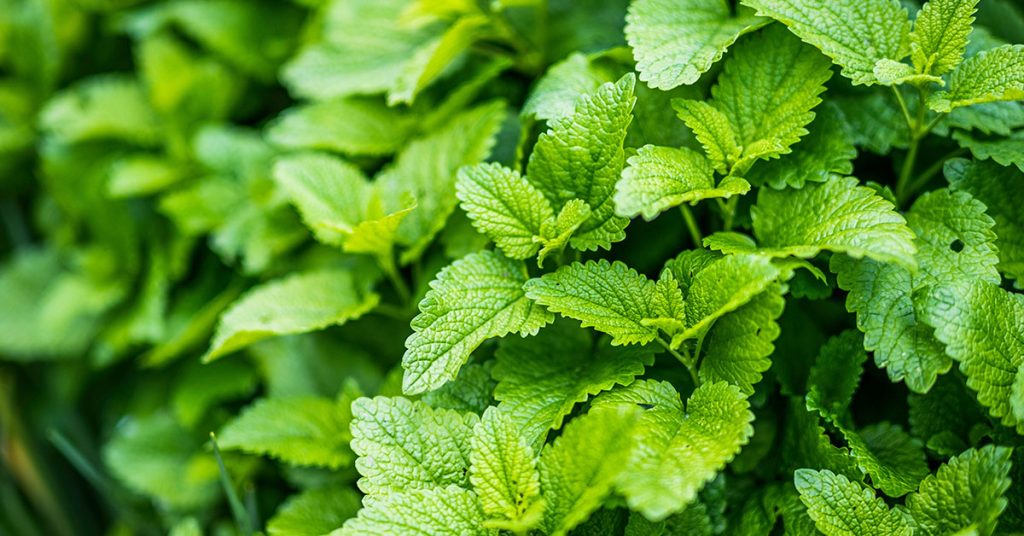
A mint cousin native to the Mediterranean, lemon balm’s lemon‑scented leaves are beloved by bees and hoverflies. It spreads gently without overtaking spaces, creating a fragrant groundcover that’s non‑toxic to pets.
I delight in crushing leaves for tea and watching earthworms wriggle through the loose soil underneath. My cat, drawn by the soft scent, often naps nearby—proof that lemon balm beds are safe, cozy retreats!
Marigold (Tagetes spp.)

Marigolds from Mexico and Central America showcase golden blossoms that deter nematodes and aphids, and their dense foliage provides shelter for ground‑nesting bees. They naturalize modestly, rarely escaping planned beds.
These hardy annuals pose no threat to pets, so you can line them along borders where dogs love to patrol. I deadhead spent blooms regularly, and the endless pop of color keeps both my spirits and the ladybug population high!
Annual Phlox (Phlox drummondii)

Annual phlox, native to Texas, produces clusters of fragrant, starry flowers that attract butterflies and hummingbirds without becoming invasive. Its compact habit is perfect for edging or containers by your door.
Safe for cats and dogs, phlox adds sweet scents and vivid hues to front yards. I treasure those quiet moments hearing bees hum among the blossoms while my pup sniffs every corner—knowing no hidden dangers lurk beneath!
Sunflower (Helianthus annuus)
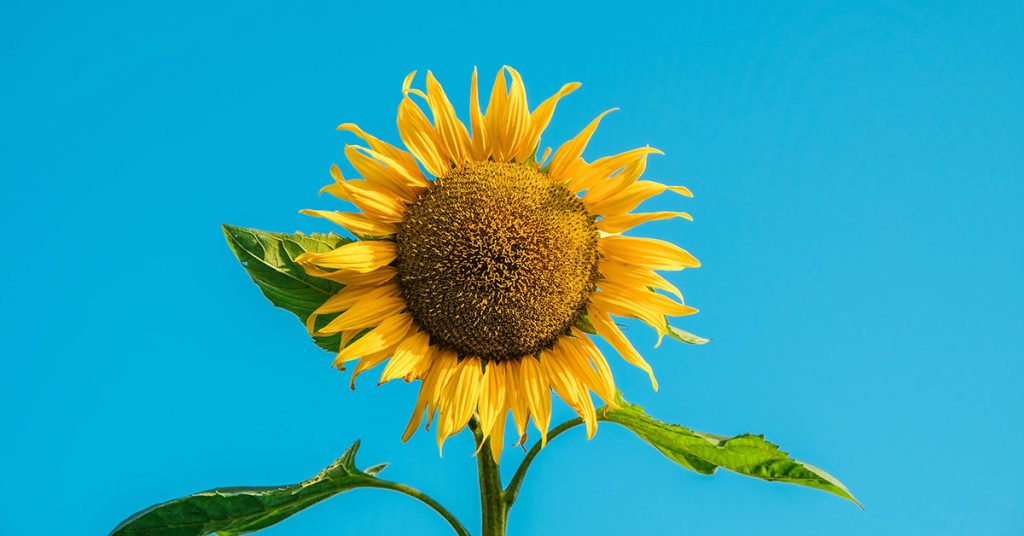
Sunflowers from North America create cheerful focal points that draw pollinators like bees and hoverflies, and provide seeds for wild birds. They stand tall without overtaking adjacent beds, provided you choose non‑branching varieties.
Young shoots are non‑toxic to pets, though enthusiastic nibbling may bend stalks! I stake my sunflowers and scatter a shallow dish of water beneath for birds—and watch my cat dart through the stems, utterly unharmed by sunny splendors!
Bee Balm (Monarda didyma)

Bee balm, native to eastern North America, dazzles with red or purple tubular blooms that attract hummingbirds and native bees—some of which nest in hollow stems. It spreads via rhizomes but stays contained when pruned annually.
Non‑toxic to cats and dogs, bee balm’s minty aroma also repels mosquitoes—a bonus for outdoor gatherings. I always save a handful of blooms for herbal tea, and my dog lounges contentedly amid the lively pollinator party!
Ornamental Grasses (Pennisetum spp.)

Fountain grass and purple millet offer safe, feathery plumes that sway in the breeze, adding texture without toxicity. They don’t self‑seed aggressively and provide gentle cover where cats love to hide and stalk.
In late summer, those plumes host finches and sparrows, which my dog watches with intrigue. The grasses’ soft blades won’t cut paws, making them perfect for playful romps!
Petunia (Petunia × hybrida)
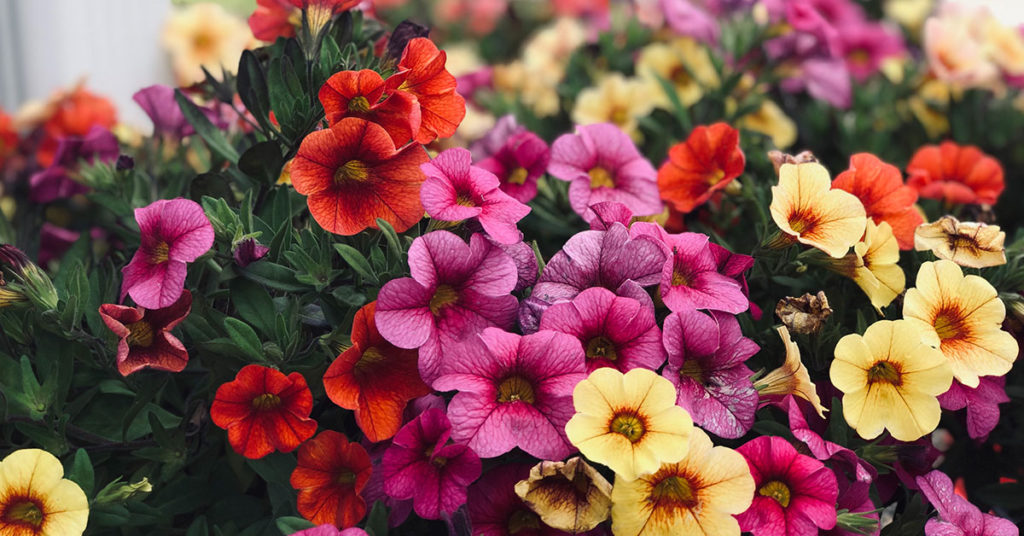
Petunias, hybrids with ancestors in South America, produce cascades of trumpet‑shaped flowers that attract hummingbirds while resisting invasive tendencies. Their dense mats crowd out weeds and welcome pollinators without harm to pets.
I often tuck petunias into hanging baskets or window boxes where cats can’t dig but can still admire the blooms. Their long flowering season keeps color high and worries low, letting you and your pets revel in floral beauty safely!