

Slugs can be a major nuisance in the garden, devouring plants and leaving behind a trail of destruction. Many gardeners, in their quest to protect their precious plants, resort to salting slugs as a quick fix. However, this method, while effective in killing slugs, is not only cruel but also detrimental to your garden and the environment. Understanding why salt kills slugs and exploring alternative methods can help you manage these pests in a more humane and environmentally friendly way.
In this article, I’ll explain why salt is lethal to slugs, the negative impacts of using salt in your garden, and provide effective alternatives for controlling slug populations. By the end, you’ll have a comprehensive understanding of how to manage slugs without resorting to harmful practices. Let’s dive in and find out how to keep your garden slug-free!
Read More: 10 Flowers That Attract Beneficial Insects to Your Garden
What is a Slug?
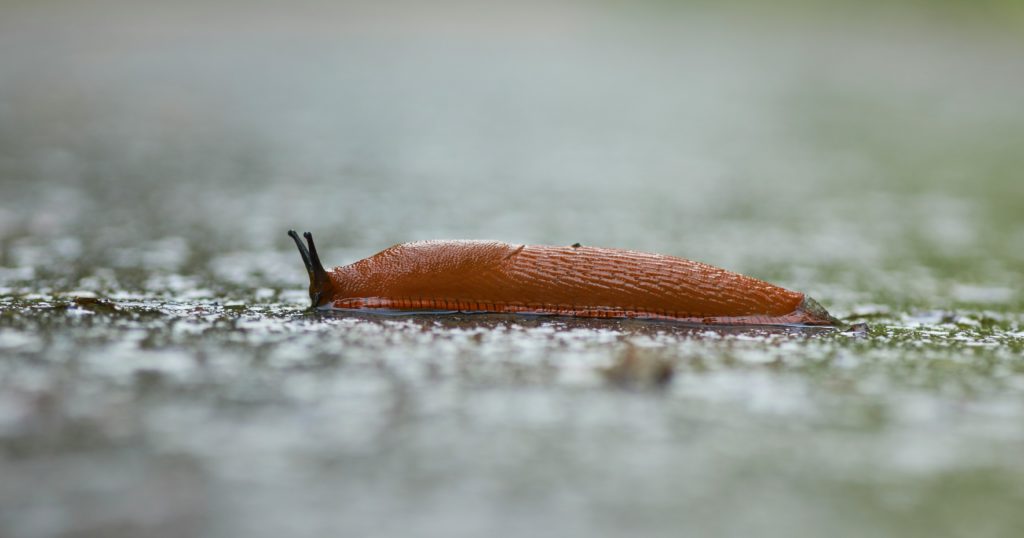
Slugs are soft-bodied, legless mollusks that are closely related to snails. Unlike snails, slugs lack a prominent external shell, making them more vulnerable to environmental stressors. They are primarily nocturnal creatures, coming out at night to feed on a wide variety of plants, including vegetables, flowers, and even some fruits. Slugs thrive in damp, shady environments and can be found in gardens all around the world.
Native to various regions, slugs can adapt to different climates and habitats, which is why they are so widespread. While they play a role in the ecosystem by decomposing organic matter, their presence in gardens is often unwanted due to the significant damage they can cause to plants. Understanding the nature and behavior of slugs is the first step in managing them effectively without causing harm to the environment or the creatures themselves.
Why Does Salt Kill Slugs?

Salt kills slugs through a process known as osmosis. When salt comes into contact with a slug, it rapidly draws water out of the slug’s body, causing it to dehydrate and die. Slugs rely on their moist skin for respiration and movement, and the loss of moisture disrupts their bodily functions, leading to a painful and prolonged death. This method, though effective, is extremely inhumane.
The effect of salt on slugs can be compared to severe dehydration in humans. Imagine being unable to retain any moisture in your body—it would be excruciating! As gardeners, it’s important to find methods that manage pests without inflicting unnecessary suffering. Salt may seem like a simple solution, but its impact on slugs is brutal and should be avoided.
Read More: How To Identify (And Remove) Slug And Snail Eggs
The Environmental Impact of Using Salt
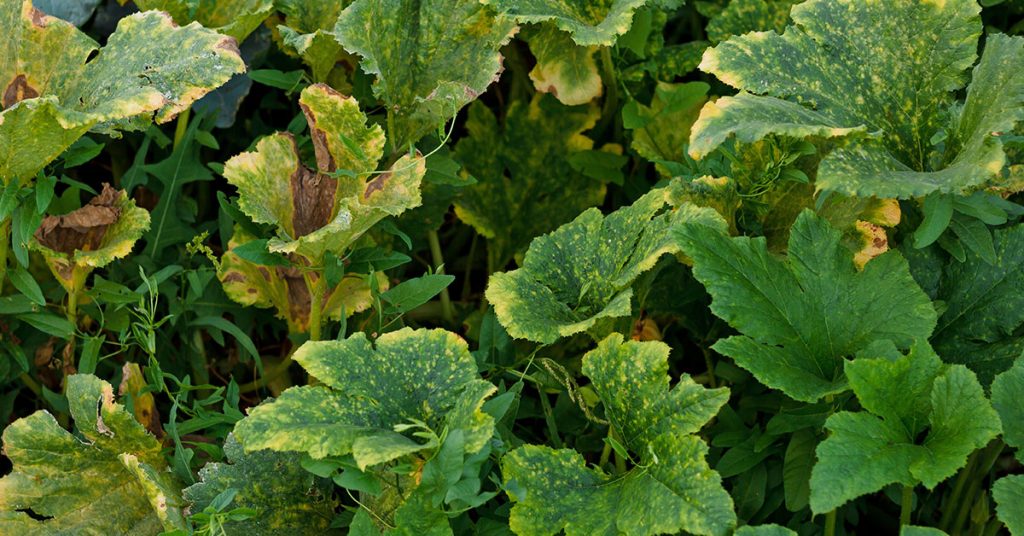
Using salt in your garden can have unintended negative consequences beyond killing slugs. Salt can alter the soil structure, making it less hospitable for plants by disrupting the balance of nutrients. It can also lead to soil compaction, reducing the soil’s ability to retain water and air, which are crucial for plant roots. Over time, the buildup of salt in the soil can harm the overall health of your garden.
Additionally, salt runoff can affect nearby plants and even water sources. When it rains, the salt can be washed away, contaminating local waterways and potentially harming aquatic life. It’s important to consider these broader environmental impacts when deciding how to manage pests in your garden. Opting for eco-friendly alternatives ensures the long-term health and sustainability of your garden and surrounding environment.
Cruelty to Slugs
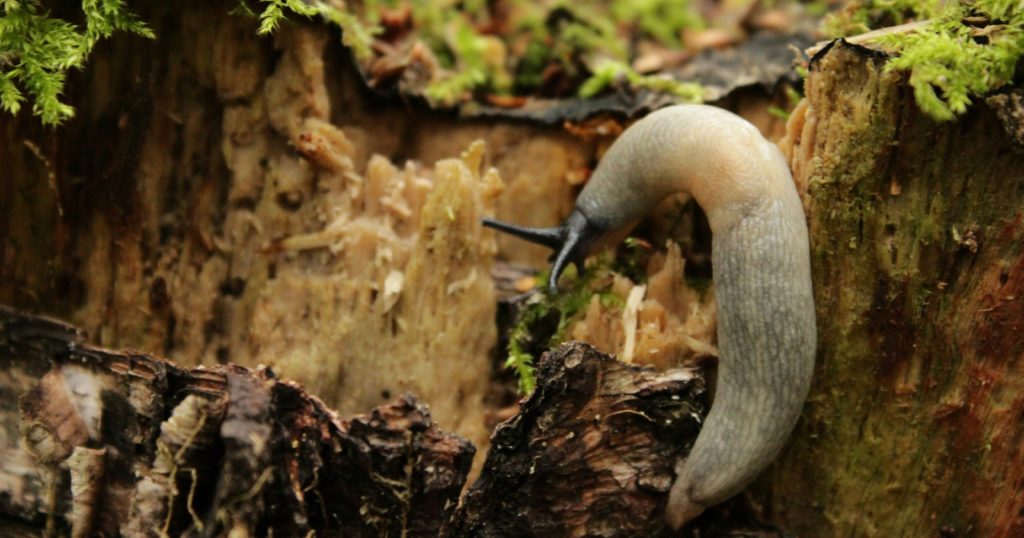
Salting slugs is an inhumane method of pest control. As previously mentioned, the dehydration process caused by salt is incredibly painful for slugs. They die slowly and agonizingly, which raises ethical concerns about using such methods. As gardeners, we have a responsibility to manage our gardens in ways that respect all forms of life, even pests.
There are many humane alternatives to salting slugs that can effectively control their population without causing unnecessary suffering. By choosing more compassionate methods, we can maintain the balance of our gardens and promote a healthier ecosystem. After all, gardening should be a practice of nurturing and care, extending even to the ways we manage pests.
Natural Predators

One of the most effective and environmentally friendly ways to control slug populations is to encourage their natural predators. Animals such as birds, frogs, toads, and certain beetles are natural enemies of slugs and can help keep their numbers in check. Creating a garden environment that attracts these predators can significantly reduce slug damage.
I love seeing birds and frogs in my garden, knowing they’re doing their part to help control pests. To attract these natural predators, provide habitats such as birdhouses, ponds, and shaded areas. Avoid using pesticides, which can harm beneficial creatures and disrupt the natural balance of your garden. Encouraging biodiversity is a sustainable and humane way to manage slug populations.
Read More: You’ve Never Heard Of It, But This Insect Is Super Beneficial For Your Garden
Copper Barriers

Copper barriers are a humane and effective way to deter slugs from accessing your plants. When slugs come into contact with copper, it creates a mild electric shock that repels them without causing harm. Copper tape or mesh can be placed around the base of plants, pots, or garden beds to create a barrier that slugs won’t cross.
One of the reasons I recommend copper barriers is their durability and long-lasting effectiveness. They provide a physical barrier that doesn’t require frequent maintenance or replacement. Copper barriers are a great investment for any gardener looking to protect their plants from slugs in an environmentally friendly way. Plus, they add a neat and tidy appearance to your garden setup!
Beer Traps

Beer traps are another humane method for controlling slugs. Slugs are attracted to the smell of beer and will crawl into a shallow container filled with beer, where they will drown. This method is effective in reducing slug populations without the use of harmful chemicals or salt.
To set up a beer trap, bury a small container up to its rim in the soil and fill it with beer. Check the traps regularly and dispose of the slugs. This method is simple and cost-effective, making it a favorite among gardeners. By using beer traps, you can manage slugs in a way that minimizes suffering and environmental impact.
Diatomaceous Earth
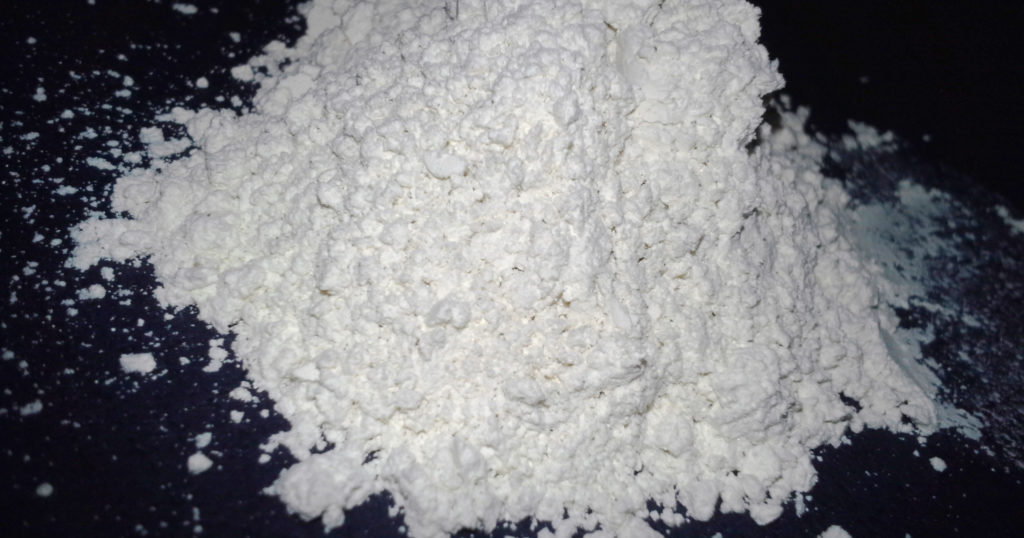
Diatomaceous earth is a natural substance made from the fossilized remains of diatoms, a type of algae. It’s an effective and humane way to deter slugs. When slugs crawl over diatomaceous earth, the sharp particles damage their delicate skin, causing them to dehydrate and die. While this method is lethal, it is considered more humane than salting as it works more quickly and efficiently.
I always recommend using food-grade diatomaceous earth to ensure safety for pets and wildlife. Sprinkle it around the base of plants or create a barrier around garden beds. It’s a versatile and environmentally friendly way to protect your plants from slugs and other pests. Regularly reapply diatomaceous earth, especially after rain, to maintain its effectiveness.
Handpicking

Handpicking is a simple and humane way to control slugs in your garden. It involves going out in the early morning or late evening and manually removing slugs from your plants. While this method can be time-consuming, it’s very effective and doesn’t require any chemicals or special equipment.
I find handpicking to be a meditative and rewarding activity, giving me a chance to inspect my plants closely and enjoy the peacefulness of my garden. Collect the slugs in a bucket and relocate them far away from your garden, or dispose of them in a way that doesn’t involve harmful substances. This hands-on approach ensures you manage slug populations without causing harm to your garden or the environment.
Barriers and Traps
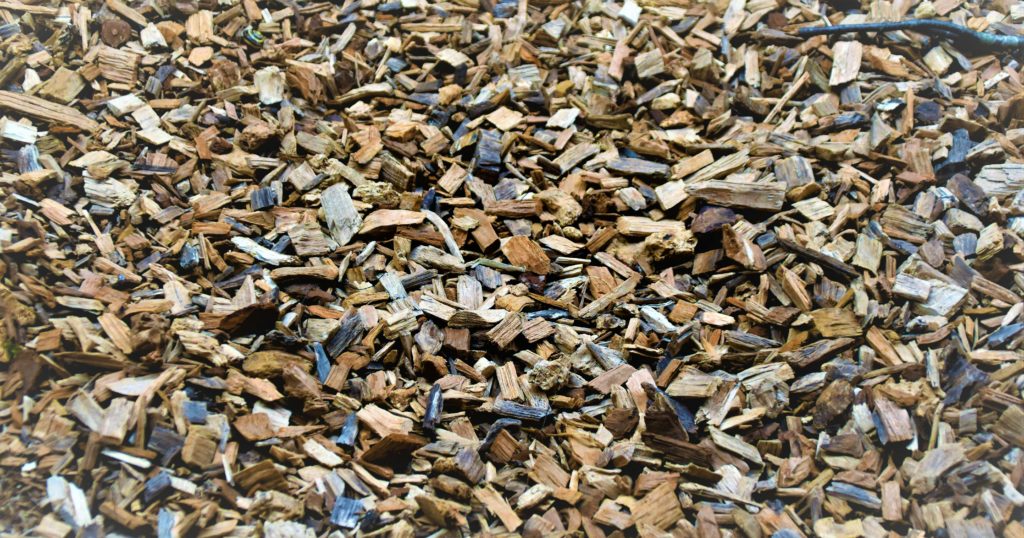
Creating physical barriers and traps can effectively keep slugs away from your plants. Use materials such as crushed eggshells, gravel, or pine needles around the base of plants to create a rough surface that slugs avoid. These barriers are natural and eco-friendly, providing protection without the need for chemicals or salt.
Setting up traps, such as boards or upside-down flower pots, can also help manage slugs. Place these traps in the garden and check them regularly. Slugs will hide under them during the day, making it easy to collect and remove them. Combining barriers and traps with other methods creates a comprehensive and humane slug management strategy.
Avoiding Overwatering
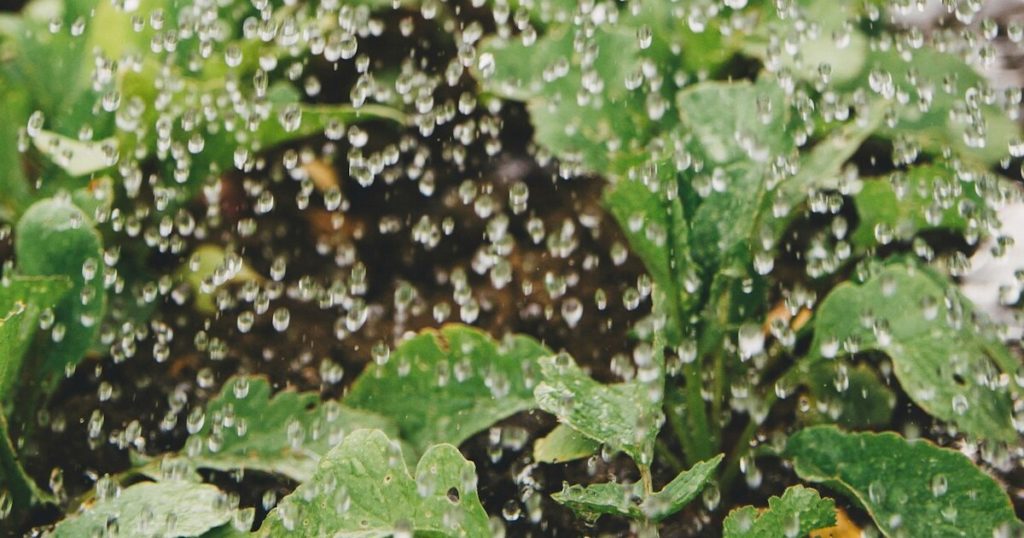
Slugs thrive in moist environments, so avoiding overwatering your garden can help reduce their population. Water your garden in the morning to allow the soil to dry out during the day, making it less attractive to slugs. Proper garden maintenance, such as removing debris and ensuring good air circulation, also helps create a less hospitable environment for slugs.
One of the key aspects of slug control is maintaining the right balance of moisture in your garden. By being mindful of your watering practices, you can create a healthier garden environment that naturally deters slugs. This simple adjustment can make a big difference in managing slug populations without resorting to harmful methods.
By understanding why salt kills slugs and exploring humane alternatives, you can manage slug populations in your garden effectively and ethically. From encouraging natural predators to setting up beer traps and copper barriers, there are many ways to protect your plants without causing harm to the environment or the creatures in it.