Gardening Tips

Having a garden is a key aspect of a sustainable lifestyle. When you go to the grocery store to buy produce like fruits and vegetables, as well as eggs, each of those items comes with a carbon footprint and other environmental complications. Unfortunately, a lot of industrial-level farming practices aren’t good for the environment and they aren’t sustainable either. Growing your own fruits and vegetables reduces the negative impact that industrial farming has.
We are strong proponents of living a sustainable lifestyle, both by having a garden and by making environmentally friendly choices that put you on a more sustainable path. That includes using less single-use plastic, conserving energy and water, gardening using organic methods, avoiding synthetic chemicals inside and outside of the home, driving less, living off the grid, and other sustainable efforts.

Sustainable living isn’t just good for the planet but it’s good for you too. Often times, living sustainably means simplifying your life – you get more out of life with less. Sustainable living helps avoid unnecessary consumerism, save money, save the earth, and save your sanity all along the way.

Our gardening tips will help guide you to a greener lifestyle that benefits the planet, your pocket, your community, and yourself too. If all of us did just a little bit to be more sustainable, we could have a massive positive impact and change our world.

So let’s explore these gardening tips together and work toward a greener future for our kids and grandkids.
7 min read Gardening Tips

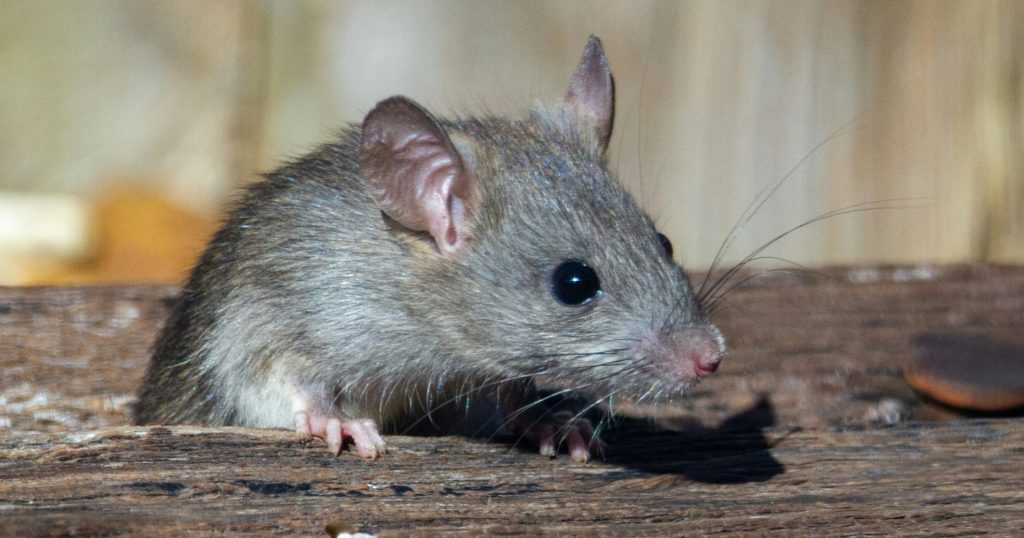
Rodents can be a significant nuisance in both urban and rural settings, causing damage to property and posing health risks. However, using rodent poison as a control method can have devastating effects on wildlife. Secondary poisoning occurs when predators or scavengers consume poisoned rodents, leading to unintended deaths of birds, mammals, and even domestic pets....

7 min read Gardening Tips

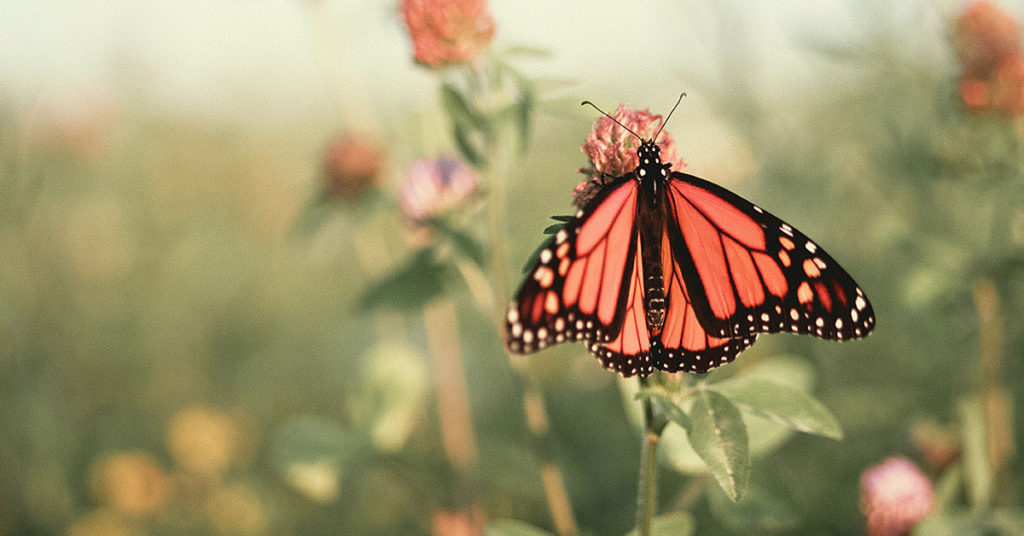
Butterflies are not just beautiful additions to our gardens; they play a crucial role in pollination and maintaining healthy ecosystems. Sadly, many butterfly species are facing significant declines due to habitat loss, pesticide use, and climate change. As gardeners, we have the power to make a positive impact by creating environments that support and nurture...

11 min read Flowers And Houseplants

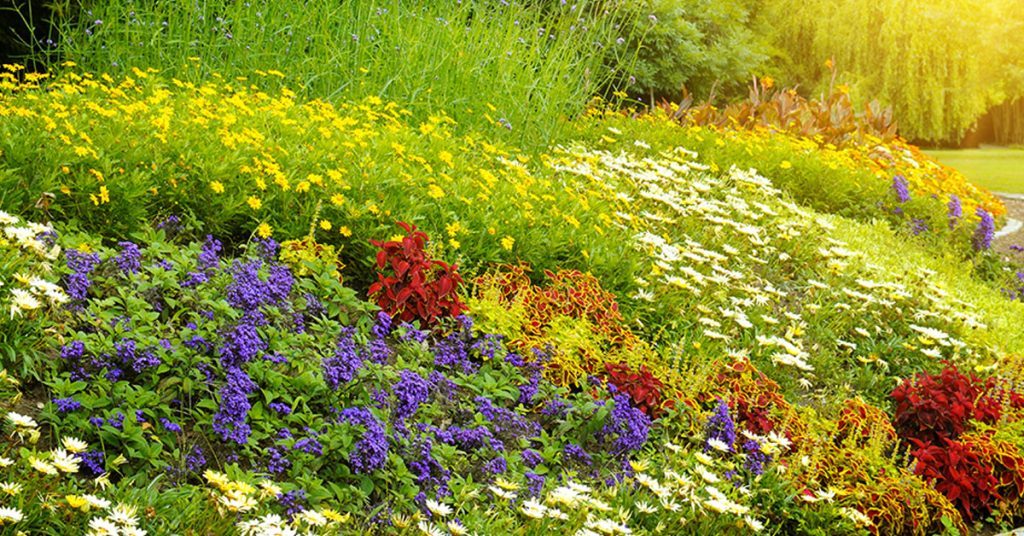
In July, having a garden in full bloom is truly delightful. The vibrant colors and fragrant scents create a lively atmosphere that is hard to resist. The air is filled with the sweet aroma of blooming flowers like roses and jasmine, attracting buzzing bees and fluttering butterflies. Planting flowers that bloom in July is a...

6 min read Gardening Tips

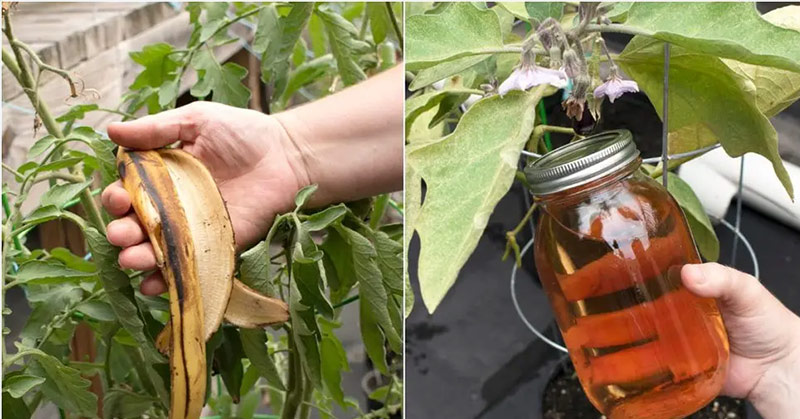
When you eat a banana, or at least if you eat a banana like most people do, at the end of the experience, you’ll have a banana peel to discard. But before you throw it in the trash, you should learn about all of the various uses for banana peels in the garden! All avid...

6 min read Gardening Tips

Blue jays are stunning birds known for their vibrant blue plumage and lively personalities. Attracting these beautiful birds to your garden can bring a splash of color and delightful bird songs. As a gardener and bird lover, I’m thrilled to share some effective tips to create a welcoming environment for blue jays. These birds are...

6 min read Gardening Tips

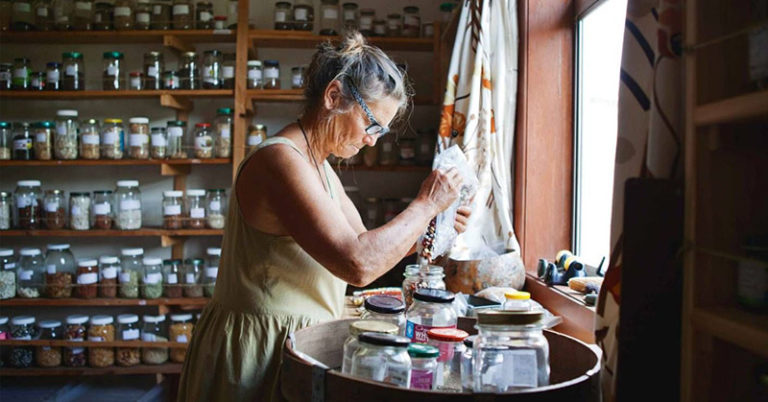
Thirty years ago, Kay Baxter and Bob Corker began seed-saving the heritage plant foods of New Zealand.  They founded the Koanga Institute, where regenerative farmers come together to fulfill this mission, in Kotare Village, Nother Hawke’s Bay. Together, this seed-saving couple have collected over 800 heritage vegetable seeds and over 400 heritage fruit tree and berry seeds. ...