Ah, September! It’s that delightful time of year when the heat starts to fade, and the thought of cozying up with a warm drink feels just right. But if you’re a gardener like me, September is also a golden opportunity to plant for a bountiful spring harvest. I know it might seem counterintuitive to think...
Gardening Tips
Having a garden is a key aspect of a sustainable lifestyle. When you go to the grocery store to buy produce like fruits and vegetables, as well as eggs, each of those items comes with a carbon footprint and other environmental complications. Unfortunately, a lot of industrial-level farming practices aren’t good for the environment and they aren’t sustainable either. Growing your own fruits and vegetables reduces the negative impact that industrial farming has.
We are strong proponents of living a sustainable lifestyle, both by having a garden and by making environmentally friendly choices that put you on a more sustainable path. That includes using less single-use plastic, conserving energy and water, gardening using organic methods, avoiding synthetic chemicals inside and outside of the home, driving less, living off the grid, and other sustainable efforts.
Sustainable living isn’t just good for the planet but it’s good for you too. Often times, living sustainably means simplifying your life – you get more out of life with less. Sustainable living helps avoid unnecessary consumerism, save money, save the earth, and save your sanity all along the way.
Our gardening tips will help guide you to a greener lifestyle that benefits the planet, your pocket, your community, and yourself too. If all of us did just a little bit to be more sustainable, we could have a massive positive impact and change our world.
So let’s explore these gardening tips together and work toward a greener future for our kids and grandkids.
Compost tea has gained popularity among gardeners as a quick and easy way to boost plant health and soil fertility. The idea of brewing up a nutrient-rich elixir from your homemade compost and feeding it directly to your plants sounds like a dream come true. After all, what could be better than taking the goodness...
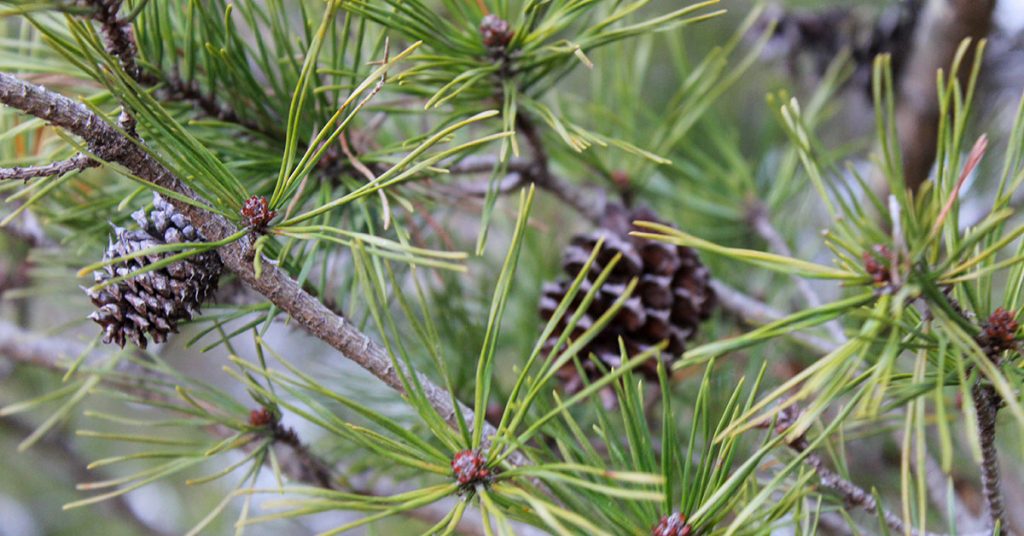
Mulching is a crucial part of maintaining a healthy garden, helping to retain moisture, suppress weeds, and improve soil structure. Pine needles, also known as pine straw, are often touted as a natural and attractive mulch option, especially for acid-loving plants like azaleas and blueberries. With their fine texture and pleasant scent, it’s easy to...
Using mulch is a fantastic way to keep your garden healthy, suppress weeds, and retain moisture in the soil. It’s one of those gardening practices that feels like a must-do for any gardener, and the idea of recycling grass clippings as mulch is especially appealing. After all, it’s free, readily available, and seems like a...
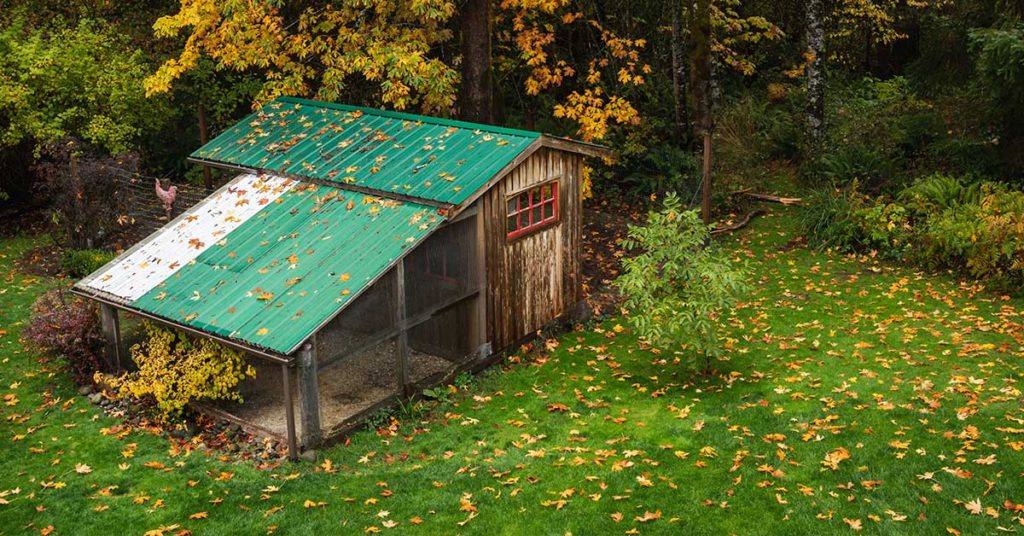
Starting a backyard chicken coop for egg production is not only a fun project but also a rewarding one. Imagine waking up every morning to the fresh sound of clucking hens and gathering warm, freshly laid eggs. Whether you’re looking to embrace a more sustainable lifestyle, enjoy farm-fresh eggs, or just want to experience the...
Storing water for long-term use is an essential task, especially if you’re looking to be prepared for emergencies, droughts, or simply to ensure a reliable water supply. It’s one of those things you might not think about until it’s too late, but having a plan in place can give you peace of mind and security....
Mint oil has a number of uses––it can be used to add a minty flavor to drinks, add mint flavor to food such as chocolates and icing. In this article, we will cover how to make peppermint oil from a peppermint plant that you’ve grown at home. What You’ll Need To Make Peppermint Oil Dried...
Spring is a busy season for home gardeners. It’s the time to start raking matted leaves, edging the beds, removing winter protection wraps, inspecting for plants for damage, fertilizing the trees and plants, pruning flowering shrubs, and of course, pulling the weeds. Once the seeds for produce or flowers have been chosen and planted, the...
Composting is a little bit like magic. You can take food scraps that would otherwise be headed to your local landfill and instead use it to make hearty, healthy, rich soil. Some compostable things are a no brainer, like fruit and vegetable peels, greens that are past their prime, and other organic food scraps. Other...
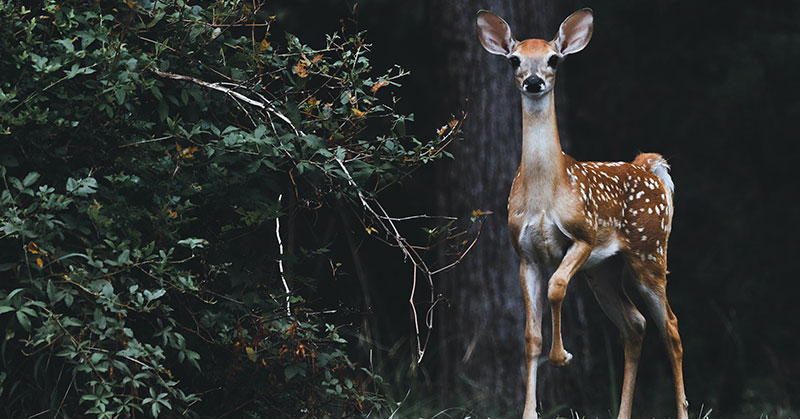
I can picture it now. I wake up in the morning and go outside to water my garden only to find that large portions of it are destroyed and left behind are little piles of pellet-like poop. I know immediately: deer have been here. If you live in an area with lots of deer and...
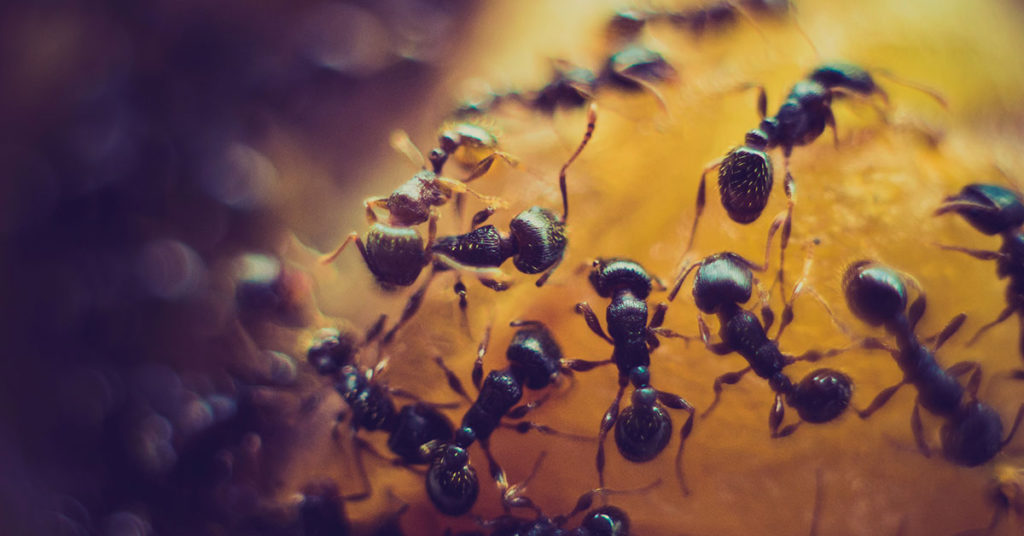
It’s happened to me many times: I go out to do a little work in my garden only to find that ants have moved into one of my beds and aren’t too pleased that I’m rooting around out there. Ants in the garden can be distressing if you aren’t a fan of bugs, but they...
We’ve talked a little bit about ants in the garden and what should be done about them. Ants don’t always pose problems for you or your garden – many types of ants actually benefit your garden. But there are some ants that can cause damage, like carpenter ants. Others can inflict pain or death, like...