

Storing water for long-term use is an essential task, especially if you’re looking to be prepared for emergencies, droughts, or simply to ensure a reliable water supply. It’s one of those things you might not think about until it’s too late, but having a plan in place can give you peace of mind and security. Whether you’re a seasoned prepper or just starting to think about sustainability, this guide will provide you with the top tips you need to store water effectively for the long haul.
But let’s be honest—storing water isn’t as simple as filling up a few jugs and tucking them away. There are several factors to consider, from the type of containers you use to how you treat the water to prevent contamination. I know it can seem overwhelming, but once you understand the basics, you’ll see that it’s not only manageable but also incredibly important for your safety and well-being. Let’s dive into these tips, so you can feel confident that your water storage plan is solid!
Choosing the Right Containers
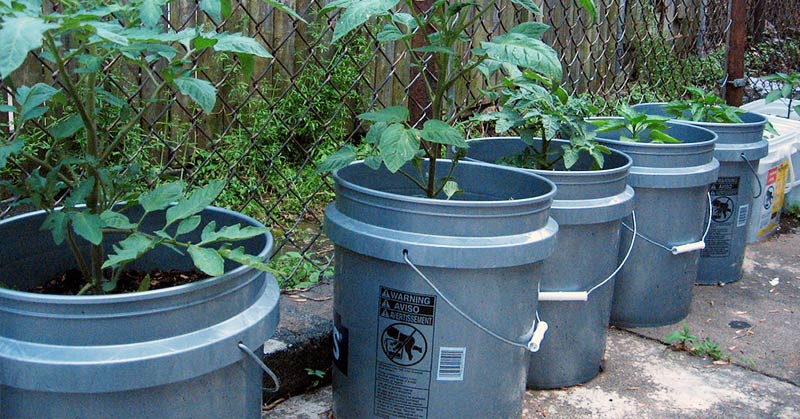
One of the first and most important steps in storing water for long-term use is selecting the right containers. Not all containers are created equal, and choosing the wrong one can lead to contamination, leaks, or even loss of your water supply. I always recommend using food-grade plastic containers, as they’re designed to safely store consumables without leaching harmful chemicals into the water. Look for containers labeled as BPA-free, and be sure to avoid any containers that have previously held non-food items.
Glass containers are another excellent option, particularly if you’re looking to store water for a very long time. Glass doesn’t leach chemicals, and it’s impermeable, meaning nothing can get in or out once it’s sealed. However, glass can be heavy and prone to breaking, so it’s important to store them in a safe place where they won’t be easily knocked over. Stainless steel is another durable option, but make sure it’s specifically designed for water storage to avoid any potential issues with corrosion. The key is to choose containers that are safe, durable, and suitable for your specific storage needs.
Treating Water for Long-Term Storage
Once you’ve selected the right containers, the next step is ensuring that the water you’re storing is safe for long-term use. While tap water in many areas is safe to drink, it may not be suitable for long-term storage without some form of treatment. I always recommend treating your water with a preservative to prevent the growth of bacteria, algae, and other microorganisms that can contaminate your supply over time. One of the most common treatments is household bleach—just a few drops per gallon can keep your water safe for years!
Another method is boiling the water before storing it. Boiling kills any existing microorganisms, making the water safer for long-term storage. However, boiled water should be stored in airtight containers to prevent recontamination. For those who prefer a chemical-free approach, there are also UV purifiers and water filtration systems designed specifically for long-term storage. These systems can be more expensive, but they’re a great investment if you’re serious about maintaining a pure water supply. Treating your water correctly is crucial to ensuring that it remains safe and drinkable, no matter how long it’s stored.
Rotating Your Water Supply

Even with the best containers and treatment methods, water doesn’t last forever—at least not without some maintenance. That’s where rotating your water supply comes in. Rotating simply means using and replacing your stored water regularly to ensure that it’s always fresh and safe to drink. A good rule of thumb is to rotate your water supply every six months. This might seem like a hassle, but trust me, it’s worth it to avoid the risk of drinking stale or contaminated water.
One way to make rotation easier is by labeling your containers with the date they were filled. This way, you can quickly identify which containers need to be rotated first. Another approach is to integrate your stored water into your daily use—if you’re regularly using and refilling your containers, you’re naturally keeping your supply fresh. This method not only keeps your water supply safe but also ensures you’re always prepared in case of an emergency. Consistent rotation is key to a reliable long-term water storage system.
Storing Water in Optimal Conditions

Where you store your water is just as important as how you store it. Water should be kept in a cool, dark place to prevent the growth of algae and other microorganisms. Heat and sunlight can degrade the quality of your water over time, so it’s crucial to find a location that maintains a stable, cool temperature. A basement, closet, or garage can be ideal, as long as it’s dry and away from any chemicals or fumes that could potentially contaminate your water.
If you’re storing large quantities of water, make sure the storage area is easily accessible in case of an emergency. You don’t want to be scrambling to reach your water supply when you need it most! It’s also important to avoid placing containers directly on concrete floors, as chemicals in the concrete can leach into the water over time. Instead, use wooden pallets or shelves to elevate your containers. Proper storage conditions will help ensure that your water remains safe and clean for as long as you need it.
Monitoring and Testing Your Water Supply

Regular monitoring and testing of your stored water are essential to ensure its safety. Even with proper storage and treatment, water can become contaminated or stale over time. I recommend checking your water every few months to ensure it’s still clear, odorless, and free of any strange tastes. If you notice any changes, it’s better to be safe and replace the water rather than risk drinking something that could make you sick.
In addition to visual and taste checks, you can also use water testing kits to assess the quality of your stored water. These kits can detect a variety of contaminants, including bacteria, chemicals, and heavy metals. If you’re storing water for emergency purposes, it’s especially important to have a testing kit on hand. This way, you can quickly test your supply and ensure it’s safe to use when you need it most. Regular monitoring and testing are key components of a successful long-term water storage plan.
Being Prepared for Emergencies

When storing water for long-term use, it’s essential to think about the various scenarios in which you might need it. Whether it’s a natural disaster, a prolonged power outage, or a disruption in the municipal water supply, having a plan in place can make all the difference. I always recommend storing at least one gallon of water per person per day, with a minimum supply of three days’ worth of water. However, if you have the space and resources, storing a two-week supply or more is even better.
In addition to storing water, it’s wise to have a basic water purification method on hand, such as a portable filter or water purification tablets. These can be invaluable if you need to supplement your stored water with an external source, such as rainwater or water from a nearby river or lake. Being prepared for emergencies means thinking ahead and considering all the possibilities, so you’re never caught off guard. It’s not just about storing water—it’s about being ready to use it when the time comes.
Conclusion

Storing water for long-term use is a critical aspect of emergency preparedness and self-sufficiency. While it may seem daunting at first, with the right containers, treatment methods, and storage practices, you can ensure that your water supply remains safe and reliable for as long as you need it. From choosing the best containers to regularly rotating and testing your water, each step in this process is an investment in your peace of mind and safety.
By taking the time to properly store water now, you’re not just preparing for the unexpected—you’re empowering yourself to handle whatever challenges may come your way. So, whether you’re just starting your water storage journey or looking to refine your existing setup, these tips will help you create a system that works for you.