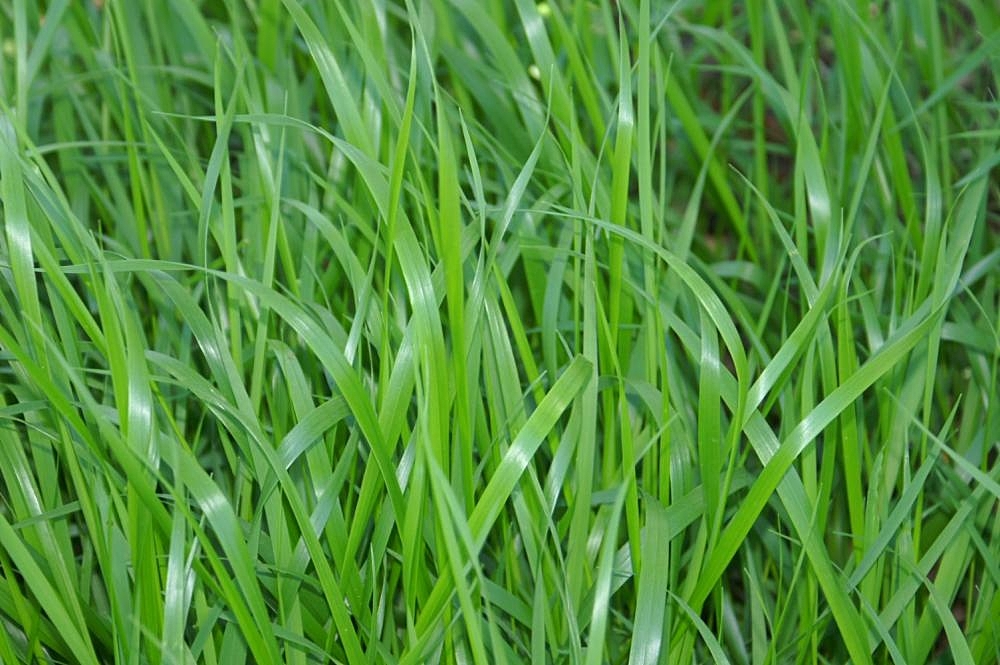

Using mulch is a fantastic way to keep your garden healthy, suppress weeds, and retain moisture in the soil. It’s one of those gardening practices that feels like a must-do for any gardener, and the idea of recycling grass clippings as mulch is especially appealing. After all, it’s free, readily available, and seems like a natural way to keep your garden thriving. But, as much as I love the idea of reusing what’s already in your yard, there are some important factors to consider before you start spreading those clippings around your plants.
While it might seem like a win-win situation, using grass clippings as mulch isn’t always as beneficial as it appears. In fact, it can sometimes cause more harm than good if not done correctly. From the potential introduction of weed seeds to the risk of creating a dense, suffocating layer, grass clippings can present several challenges that might leave you rethinking their use in your garden. Let’s explore some of the reasons why this seemingly simple solution might not be the best choice for your plants.
Potential for Introducing Weed Seeds
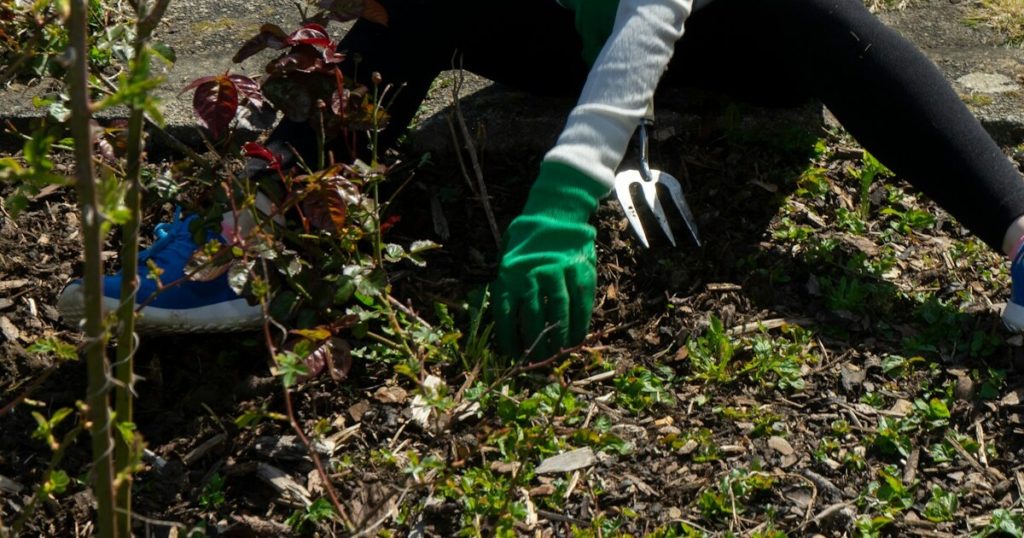
One of the biggest risks of using grass clippings as mulch is the potential for introducing weed seeds into your garden. If the grass from which the clippings come has gone to seed, spreading those clippings around your plants can inadvertently introduce unwanted weeds into your garden beds. I know how frustrating it is to see weeds pop up where you’ve worked so hard to create a beautiful, weed-free space. Unfortunately, those pesky invaders can outcompete your plants for resources like water, nutrients, and sunlight.
This risk is particularly high if you’re using clippings from a lawn that hasn’t been regularly weeded or treated for weeds. Even if you don’t see any obvious weed seeds in the clippings, they could be lurking, waiting to sprout at the first sign of favorable conditions. It’s a tough break when you realize that what you thought was beneficial mulch is actually creating more work for you in the form of weeding. To avoid this, it’s essential to ensure that your grass clippings are seed-free before using them as mulch.
Risk of Excess Nitrogen

Another significant issue with using grass clippings as mulch is the risk of excess nitrogen being released into your soil. Fresh grass clippings are high in nitrogen, which is great for feeding your lawn, but too much of it can be detrimental to other plants, particularly those that prefer leaner soil. When piled too thickly, grass clippings can create a slimy, anaerobic layer that releases nitrogen in high concentrations as it decomposes. This can lead to nutrient imbalances in your soil, causing problems for your plants.
I’ve experienced this first-hand, where an overenthusiastic application of grass clippings led to nitrogen burn in my garden. It’s such a disappointment to see plants struggling with yellowing leaves and stunted growth because of something you intended to be helpful. The key is to use grass clippings sparingly and mix them with other types of mulch to balance out the nutrient content. This way, you can still take advantage of the moisture retention and weed suppression benefits without overloading your soil with nitrogen.
Suffocating Plant Roots

One of the less obvious, but equally important, downsides of using grass clippings as mulch is the potential to suffocate plant roots. When applied too thickly, grass clippings can form a dense, mat-like layer that blocks air and water from reaching the soil beneath. This can create a suffocating environment for your plants, especially those with shallow root systems that need plenty of oxygen and water to thrive. I’ve seen this happen in gardens where a well-intentioned thick layer of clippings ended up causing more harm than good.
It’s so disheartening to watch plants struggle because their roots are essentially starved of the essentials they need to grow. The problem is compounded in areas with heavy rainfall, where the clippings can become waterlogged and even more impenetrable. To avoid this, it’s crucial to apply grass clippings in thin layers, allowing for adequate air and water circulation. Better yet, consider mixing them with other types of mulch, such as straw or wood chips, to create a more balanced and breathable mulch layer.
Attracting Pests and Diseases

Another potential downside to using grass clippings as mulch is the risk of attracting pests and diseases. As grass clippings break down, they can create a moist, warm environment that’s perfect for pests like slugs and snails. These pests can wreak havoc on your garden, especially if you’re growing tender, leafy vegetables or young plants. It’s such a bummer to see your hard work nibbled away by these unwelcome visitors, who find your mulch just as appealing as your plants.
In addition to attracting pests, grass clippings can also harbor fungal spores or diseases, particularly if the lawn from which they were taken was not healthy. Spreading diseased clippings around your plants can introduce pathogens into your garden, potentially leading to issues like root rot, leaf spot, or other plant diseases. I’ve learned the hard way that it’s crucial to ensure your grass clippings come from a healthy, disease-free lawn before using them as mulch. Sometimes, what seems like a cost-effective solution can end up costing you more in lost plants and time spent dealing with pests and diseases.
Uneven Decomposition and Mulch Integrity
One more challenge with using grass clippings as mulch is their uneven decomposition rate. Unlike wood chips or straw, which break down slowly and consistently, grass clippings can decompose quickly, leading to an uneven mulch layer. This can result in some areas of your garden being well-mulched while others are left exposed, leading to uneven moisture retention and weed suppression. It’s frustrating when you realize that your mulch isn’t performing as well as you’d hoped, with some plants thriving while others struggle due to inconsistent coverage.
I’ve found that the rapid decomposition of grass clippings often requires frequent reapplication to maintain an effective mulch layer, which can be time-consuming and labor-intensive. If you’re looking for a low-maintenance mulch option, grass clippings might not be the best choice. Instead, consider combining them with other, slower-decomposing materials to create a more stable and long-lasting mulch that provides consistent benefits to your garden over time.
Conclusion: Think Before You Mulch

While grass clippings can seem like a convenient and eco-friendly mulch option, it’s important to consider the potential downsides before spreading them around your garden. From the risk of introducing weed seeds and excess nitrogen to the challenges of uneven decomposition and pest attraction, there are several factors to weigh. I completely understand the appeal of using what you already have on hand, but it’s crucial to ensure that it’s the right choice for your specific garden needs.
Ultimately, the best mulch for your garden is one that provides consistent benefits without causing unintended harm. By carefully considering the pros and cons of using grass clippings, you can make an informed decision that supports the health and beauty of your garden.