

Ah, September! It’s that delightful time of year when the heat starts to fade, and the thought of cozying up with a warm drink feels just right. But if you’re a gardener like me, September is also a golden opportunity to plant for a bountiful spring harvest. I know it might seem counterintuitive to think about spring when we’re just wrapping up the summer, but trust me—planting now sets you up for some seriously rewarding gardening next year. Imagine stepping out into your garden after the frost has passed to find robust, healthy vegetables ready for the picking. It’s like giving yourself a gift that keeps on giving!
I know how challenging gardening can be, especially when you’re battling pests or dealing with unpredictable weather. But planning ahead and planting in September can help alleviate some of those frustrations. Many vegetables thrive when planted in the cooler, calmer autumn weather, establishing themselves before winter sets in. And come spring, when you’re craving fresh greens or root veggies, you’ll be grateful you took the time to plant now. Plus, there’s something incredibly satisfying about seeing those first tender shoots emerge after a long winter. So, grab your gardening gloves and let’s dive into the best vegetables to plant this September!
Garlic
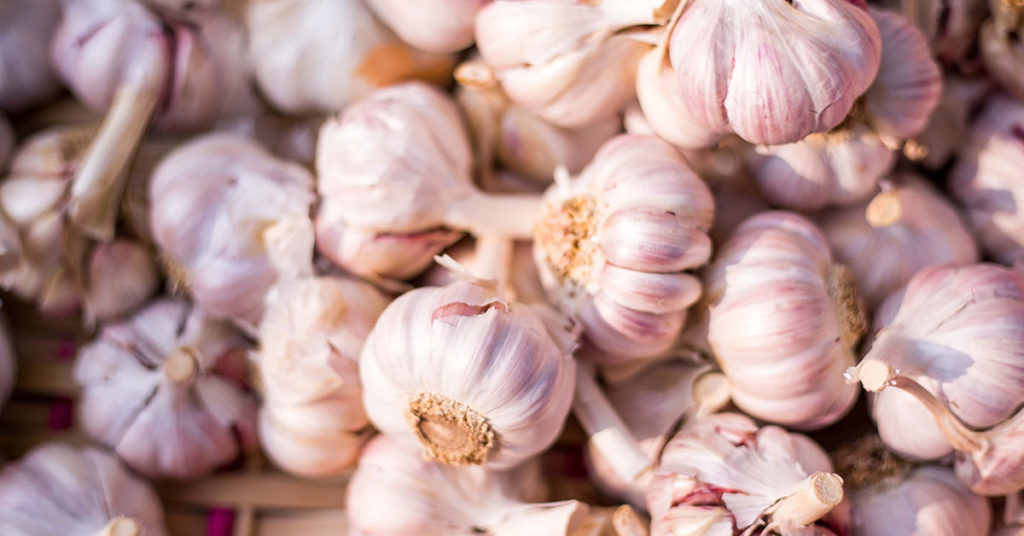
Garlic is one of those crops that rewards patience, and September is the perfect time to plant it for a spring harvest. Native to Central Asia, garlic has been cultivated for thousands of years and holds a cherished place in kitchens and gardens alike. When planted in the fall, garlic bulbs have time to establish roots before the ground freezes, then they lie dormant over winter. By spring, they’re ready to burst into growth, producing robust cloves that pack a punch in flavor and health benefits. Garlic is relatively low-maintenance, which is a huge relief if you’ve struggled with high-maintenance crops in the past. And there’s something so satisfying about pulling up those fully formed bulbs after months of anticipation!
If you’re into companion planting, garlic is a fantastic choice as it naturally repels many pests. I’ve found that planting garlic near roses or tomatoes helps keep aphids and other harmful insects at bay, which is a huge win. Garlic isn’t invasive, so you don’t have to worry about it taking over your garden, but it will spread if you let it, which is perfect for building up a steady supply. Plus, it’s such a joy to have fresh garlic on hand for all your culinary needs, from adding a zing to salad dressings to roasting whole bulbs for a sweet, caramelized treat. Planting garlic in September is like making a little investment in your future meals—you’ll be so glad you did!
Spinach
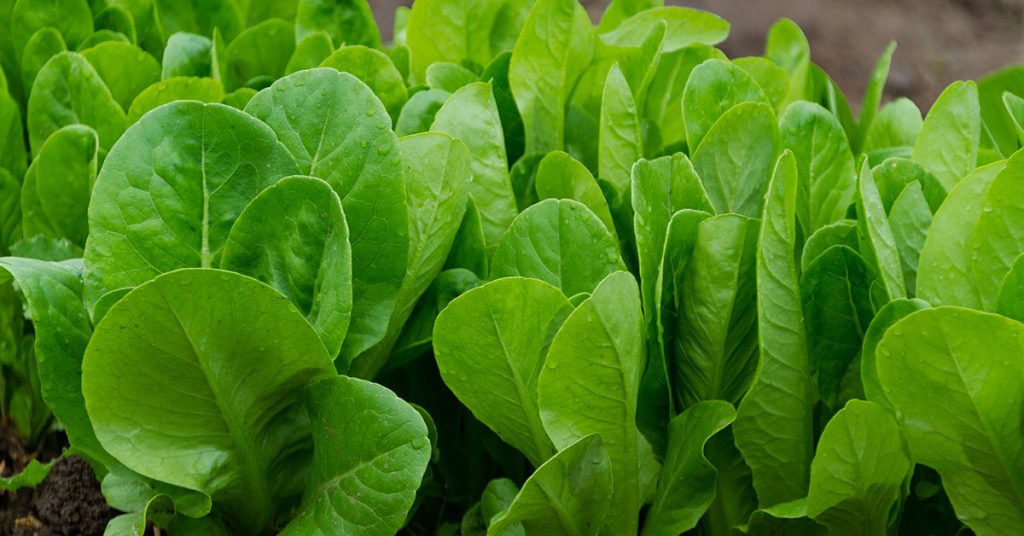
Spinach is a gardener’s dream when it comes to cold-tolerant greens. It’s native to Persia (modern-day Iran), and it’s well adapted to growing in cooler climates, making September the perfect time to sow its seeds. When you plant spinach in the fall, it benefits from the milder temperatures and shorter days, which help prevent bolting—a common issue when the weather gets too warm. Come spring, you’ll be greeted with a lush, abundant crop of nutrient-dense leaves, perfect for salads, smoothies, or sautéing. And spinach is such a quick grower; you’ll be harvesting tender leaves in no time!
Spinach is also an excellent choice if you’ve had issues with pests in the past. Its quick growth means it’s less vulnerable to many common garden pests, which can be a huge relief if you’ve ever had to deal with a pest-ridden garden. Plus, spinach is not invasive, so it won’t crowd out other plants in your garden. If anything, it’s quite polite—it grows well alongside crops like radishes and carrots, making it an ideal companion plant. I love the versatility of spinach in the kitchen, and knowing it’s packed with vitamins A and C just makes it all the more satisfying to grow and eat. Plant some spinach this September, and you’ll have a healthy, green garden waiting for you in the spring!
Carrots
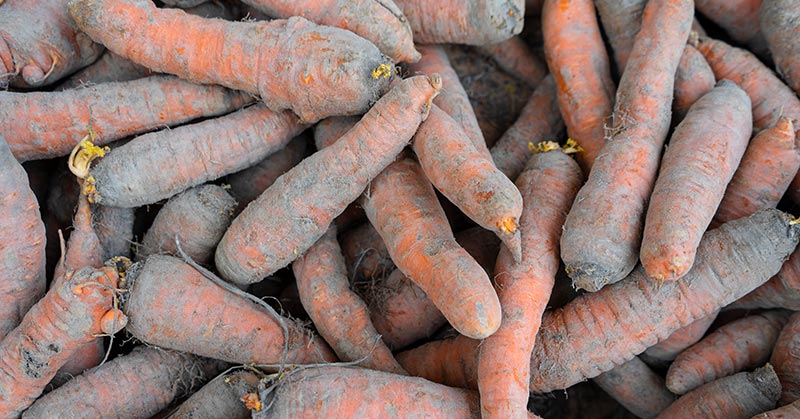
Carrots are another fantastic vegetable to plant in September, especially if you love the idea of digging up sweet, crisp roots in the spring. These vibrant veggies are originally from Persia, but they’ve become a staple in gardens worldwide, and for good reason. When you plant carrots in the fall, the cooler temperatures help enhance their sweetness—there’s nothing quite like a carrot that’s been kissed by frost! Plus, they can be a bit finicky to grow in the heat, so planting them now gives you a much better chance of success. Come spring, you’ll be rewarded with crunchy, flavorful carrots that are perfect for snacking, roasting, or adding to soups and stews.
One of the best things about growing carrots is their ability to attract beneficial insects. Carrots are part of the Umbelliferae family, which means they produce tiny flowers that are a magnet for pollinators like bees and butterflies, as well as predatory insects like ladybugs that help keep pests in check. It’s a win-win for your garden ecosystem! Carrots aren’t invasive, so they won’t overrun your garden, but they do require loose, well-drained soil to grow straight and strong. If you’ve ever had issues with misshapen carrots in the past, a fall planting might be just the solution you need. With their vibrant colors and sweet taste, carrots are a joy to grow and eat, and planting them in September sets the stage for a delightful spring harvest.
Kale
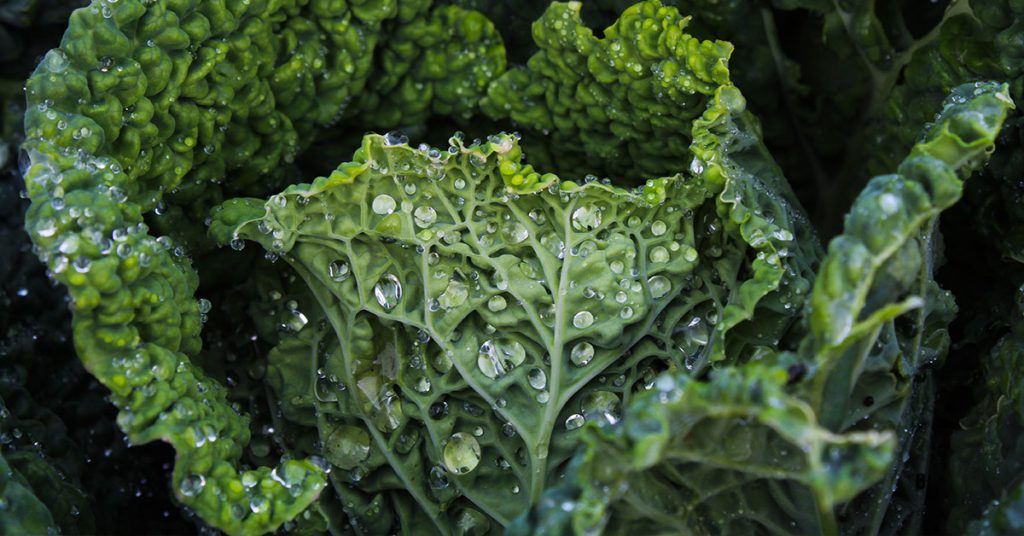
Kale is one of those veggies that just loves the cooler weather, making it perfect for a September planting. Native to the eastern Mediterranean and Asia Minor, kale has been cultivated for over 2,000 years and continues to be a favorite among gardeners and health enthusiasts alike. When you plant kale in the fall, it thrives in the crisp autumn air and can even tolerate light frosts, which actually enhance its flavor, making the leaves sweeter and more tender. By the time spring rolls around, you’ll have a hearty crop of nutrient-packed greens ready to grace your kitchen.
Kale is also a wonderful plant if you’re looking to attract beneficial insects to your garden. Its flowers are loved by bees and other pollinators, and its sturdy leaves provide shelter for a variety of helpful bugs. Kale is not invasive, so you don’t have to worry about it spreading uncontrollably, but it does have a knack for producing lots of leaves, which is great news if you enjoy making kale chips, smoothies, or hearty salads. Plus, kale is relatively pest-resistant, which can be a big relief if you’ve struggled with aphids or caterpillars in the past. Planting kale in September is a great way to ensure a steady supply of fresh greens well into the spring, and it’s such a versatile crop that you’ll never run out of ways to use it!
Onions
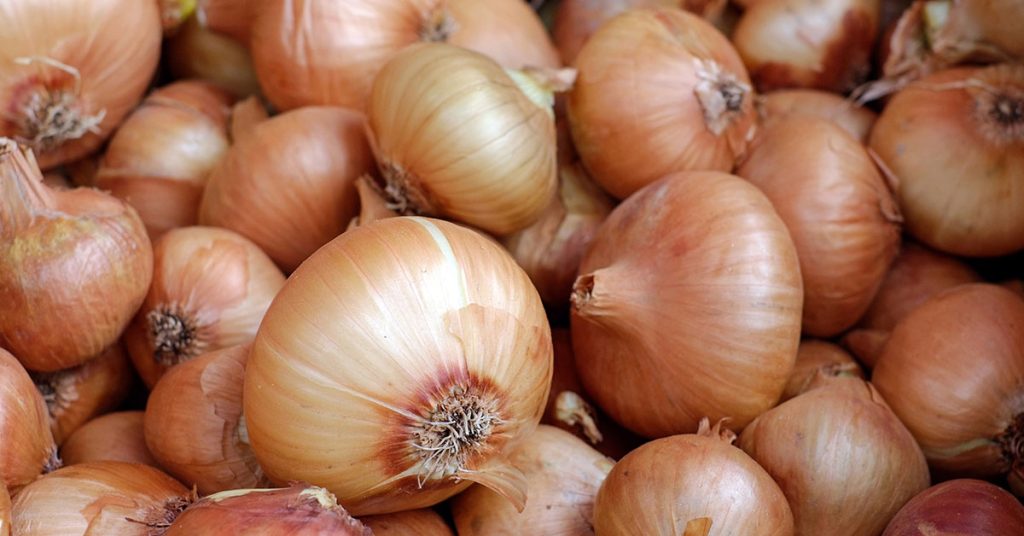
Onions are a must-have in any garden, and September is the ideal time to plant them for a spring harvest. These versatile veggies are native to Central Asia, and they’ve been a kitchen staple for thousands of years. When you plant onions in the fall, they get a head start on growth, developing strong roots before winter sets in. This means that when spring arrives, your onions will be well on their way to maturity, and you’ll have a harvest of crisp, flavorful bulbs to enjoy. Onions are relatively easy to grow, and they store well, so you can enjoy the fruits of your labor long after the growing season has ended.
If you’ve ever had trouble with pests in your garden, onions can be a great ally. They naturally repel many common pests, including aphids, carrot flies, and even rabbits, which is a big win if you’ve struggled to keep your garden critter-free. Onions aren’t invasive, but they can take up a fair amount of space, so be sure to give them room to grow. I love the versatility of onions in the kitchen—whether you’re making soups, stews, or salsas, there’s nothing like the flavor of a fresh, homegrown onion. Planting onions in September is like setting yourself up for culinary success in the spring, and it’s such a satisfying crop to grow and harvest!
Beets
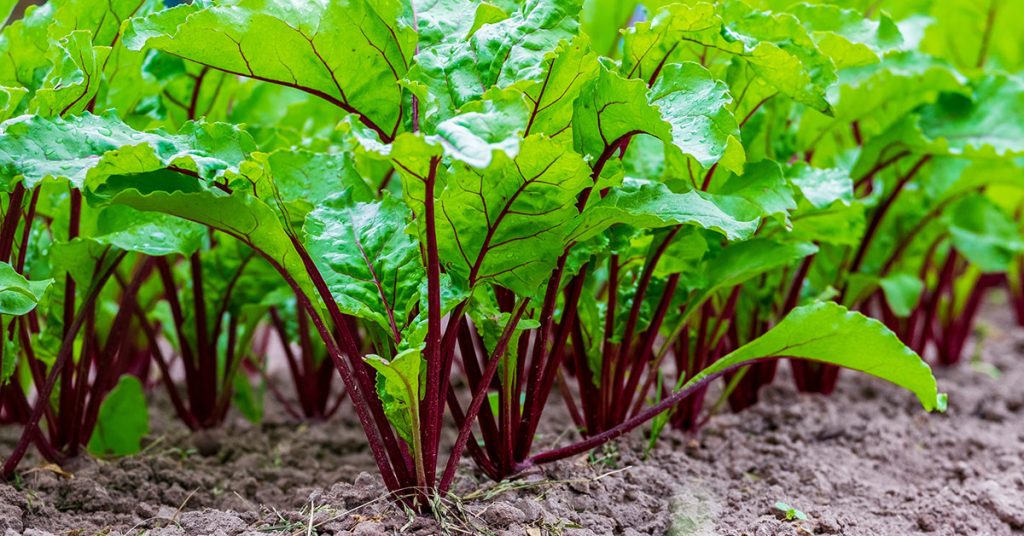
Beets are a fantastic vegetable to plant in September, especially if you love their earthy sweetness and vibrant color. Native to the Mediterranean region, beets have been grown for centuries for both their roots and their leafy greens. Planting beets in the fall allows them to establish roots before the cold weather hits, resulting in tender, flavorful beets come spring. I’ve found that beets grown in cooler temperatures are particularly sweet, and there’s nothing quite like the satisfaction of pulling up a bright red beet from the earth after a long winter.
Beets are also a great choice if you’re looking to attract beneficial insects to your garden. Their flowers, though small, can be quite appealing to pollinators like bees, and the leafy greens provide cover for helpful insects like ladybugs. Beets aren’t invasive, so you don’t have to worry about them taking over your garden, but they do grow well in a variety of conditions, making them a versatile addition to your fall planting lineup. I love the versatility of beets in the kitchen—whether you’re roasting them, pickling them, or using the greens in a salad, there’s so much you can do with this humble root vegetable. Plant some beets this September, and you’ll have a colorful, nutritious harvest waiting for you in the spring!
Peas

Peas are a wonderful crop to plant in September if you’re looking for a sweet, crisp harvest in the spring. Native to the Mediterranean region and Western Asia, peas have been cultivated for thousands of years and are a beloved staple in many gardens. When planted in the fall, peas can establish themselves before the winter chill sets in, then burst into growth as soon as the weather warms. There’s something incredibly satisfying about picking fresh peas straight from the vine, and they’re so versatile in the kitchen, whether you’re tossing them into a salad or cooking them in a stir-fry.
One of the great things about peas is that they’re excellent for enriching your soil. They belong to the legume family, which means they fix nitrogen in the soil, improving fertility for the crops that follow. Plus, peas aren’t invasive, so you don’t have to worry about them overtaking your garden, but they do appreciate some support as they grow—think trellises or stakes. Peas are also relatively pest-resistant, which is always a bonus if you’ve struggled with keeping your garden pest-free. Planting peas in September is like giving your garden a little head start on the growing season, and come spring, you’ll be rewarded with a delicious, nutritious crop that’s ready to enjoy!
September is the perfect time to plant for a spring harvest, and I hope this list has inspired you to get out in the garden and start planting! Whether you’re sowing garlic, kale, or peas, each of these vegetables brings something unique to the table, and there’s nothing like the satisfaction of enjoying a crop that you planted months in advance. Plus, by planting now, you’re giving yourself a head start on the growing season, which means more time to enjoy the fruits (or veggies!) of your labor in the spring.