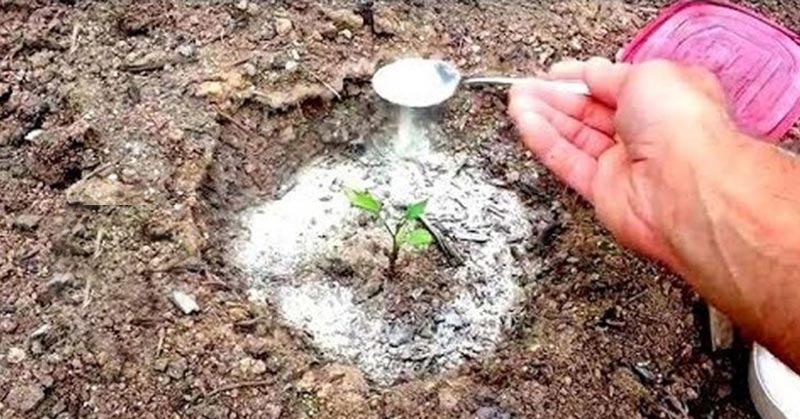
I’m so excited to dive into the surprising ways a humble box of baking soda can be your secret weapon in the garden! Sodium bicarbonate isn’t just for baking cookies—it’s a gentle fungicide that helps control powdery mildew, a soil amendment that can nudge pH upward for certain acid-sensitive blooms, and even a slug-repellent barrier...
Fruits And Vegetables
Living off grid is a term coined by Nick Rosen, an environmentalist. It’s defined as being independent of systems like utilities and other types of conveniences. Some consider it to be a sort of exile from society, others view it as being a more environmentally positive action, and technically, both are correct.
People who live off grid often have vastly simplified lifestyles. Buying stuff, convenience, and overconsumption take a back seat to more simplistic living. Lots of DIY, self improvement, and producing the things you need yourself.
Living off grid has numerous benefits. Off grid families tend to have a lower environmental footprint due to producing energy from clean tech sources like solar, less consumerism, and producing more food themselves. People who live off grid also experience a ton of personal satisfaction for the work they put in and what they get out.
Living off grid reportedly reduces stress and anxiety and improves health overall. The physical labor involved with off grid living is better for you than sitting at a desk in an office, and the food you grow yourself is often substantially healthier than what you would find in a grocery store.
Families who live off grid don’t just live frugally but can also make a little bit of money at it. Selling extra eggs, produce, and other things can help turn your off grid lifestyle into a net financial positive.
It’s not easy to be a fully off grid individual or family, but there are steps you can take to get you started without cutting off the world and living alone in a remote cabin.
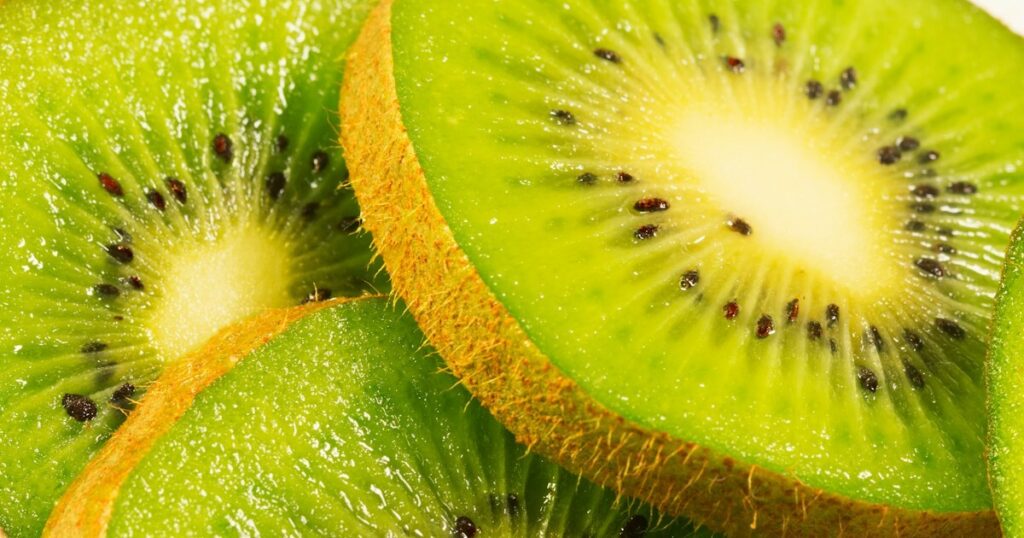
I’m so excited you’re embarking on the journey to grow your own luscious kiwis (Actinidia spp.) at home! These vigorous vines hail from the mountainous regions of China, where they’ve thrived in well-drained soils and climates with warm summers and cool winters. In their native habitat, kiwis attract a bustling community of pollinators—honeybees and native...
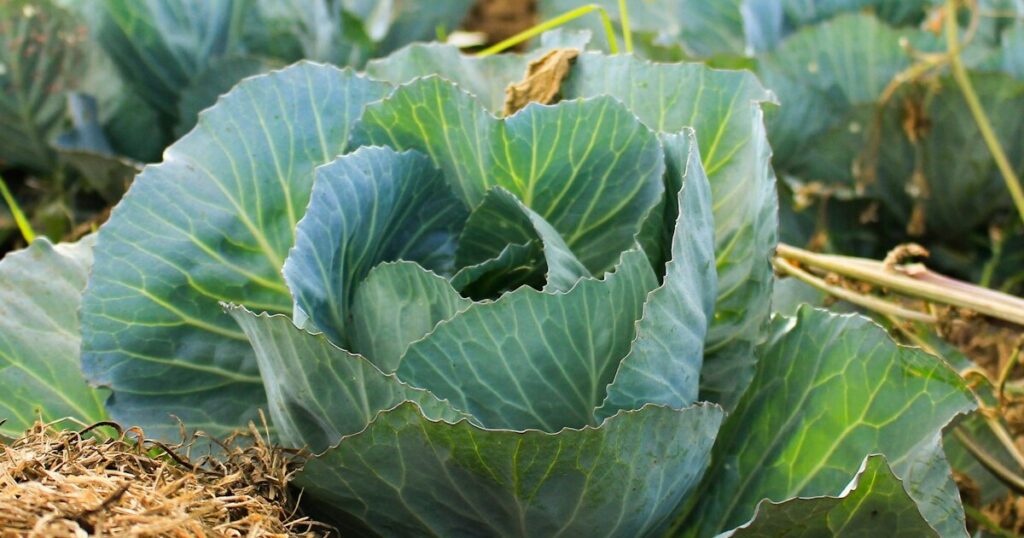
I’m so excited you’re diving into the world of companion planting with cabbage (Brassica oleracea)! Native to coastal southern and western Europe, cabbage has been cultivated for over 4,000 years and is prized for its versatility in the kitchen. Its broad leaves form wonderful shelters for ground-nesting beneficial insects like solitary bees and soldier beetles,...
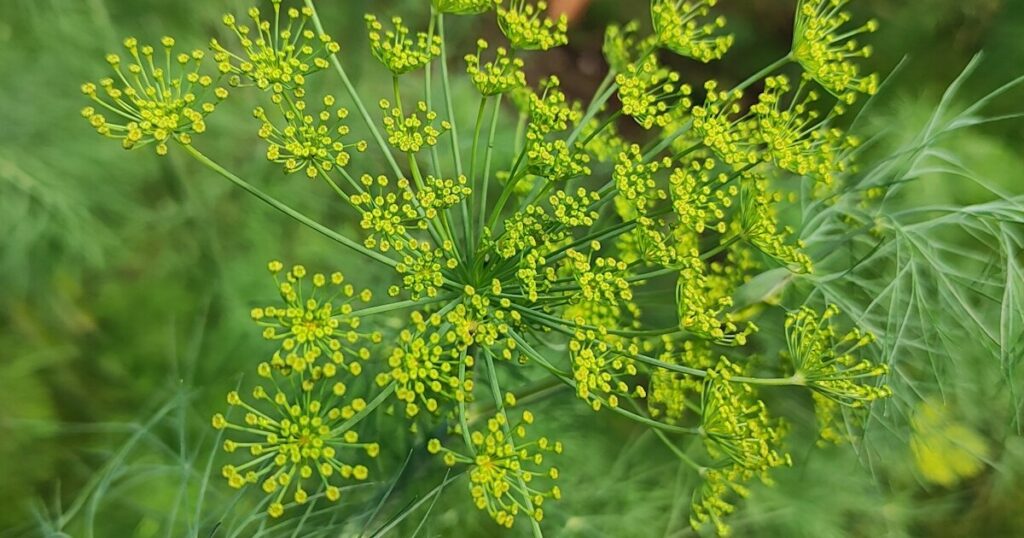
I can’t wait to share these delightful companions that thrive alongside dill! Dill (Anethum graveolens) is not only a culinary superstar but also a magnet for beneficial insects like ladybugs, lacewings, and parasitic wasps. Its feathery foliage creates inviting shelter for predatory insects that keep pests in check, and its umbrella-like flower heads provide nectar...
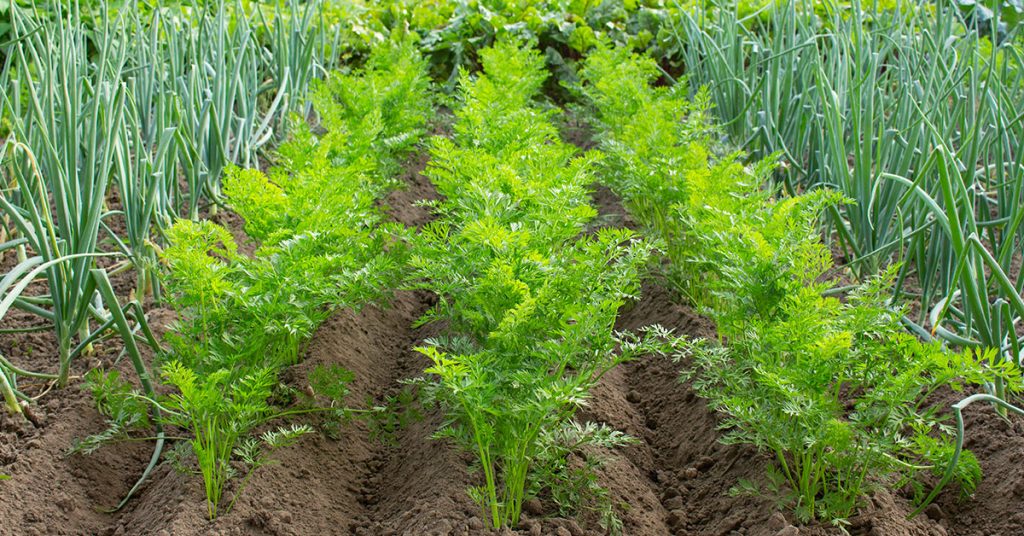
Getting your onions off to the right start—and keeping them thriving all season—can feel like a balancing act. Onions (Allium cepa), native to the mountainous regions of Central Asia, have been cultivated for millennia and, while they’re not generally invasive, they share a lineage with wild Allium species that can pop up in unexpected corners...
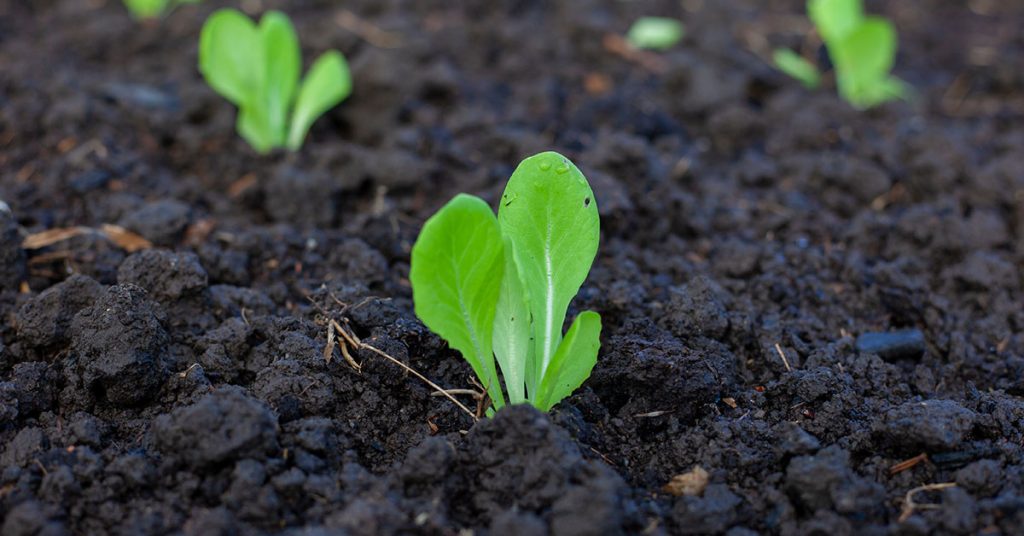
Bok choy (Brassica rapa subsp. chinensis) is a cool-season treasure, prized for its crisp white stems and tender green leaves that elevate stir-fries, soups, and salads alike! Native to the river valleys of Yunnan, China, bok choy has adapted worldwide without becoming invasive in most home gardens. Its rapid growth cycle and attractive rosettes also...
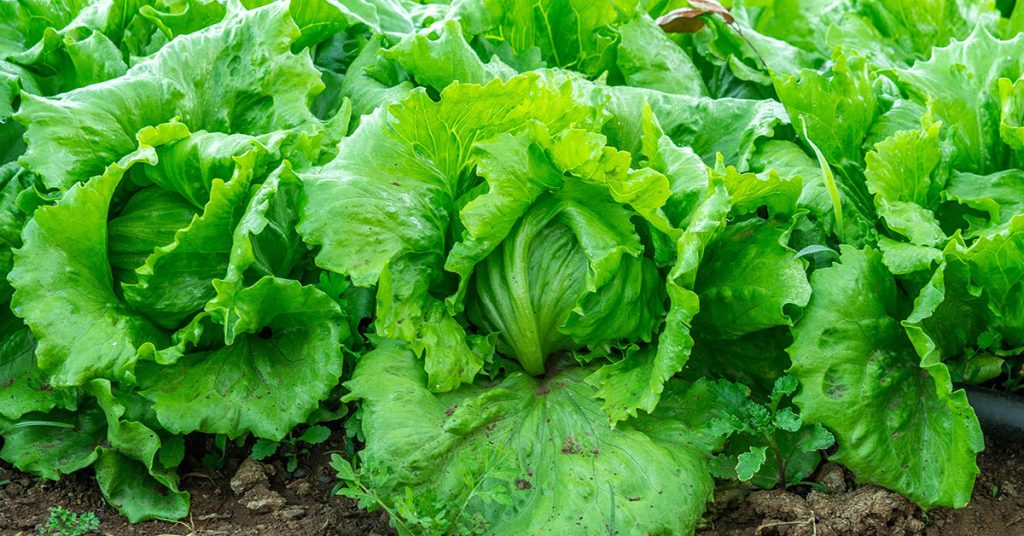
Growing your own leafy greens means stepping into a world of vibrant flavors, textures, and colors right in your backyard (or on your windowsill)! From peppery arugula to delicate mache, each leaf brings something special to the salad bowl—and knowing exactly where they come from and how to care for them only deepens the joy....
Microgreens—those tender, nutrient-packed seedlings of vegetables and herbs—have taken the culinary world by storm! Originating from the same diverse family of plants as full-grown lettuces, kale, radishes, and peas, these miniature greens trace their lineage back to centuries-old sprouting traditions in Asia and Europe. In a controlled indoor or sheltered outdoor setting, microgreens aren’t invasive,...
Green beans (Phaseolus vulgaris), cherished for their crisp pods and vibrant flavor, trace their origins to Central and South America, where indigenous peoples cultivated them for centuries. In most home gardens they’re not invasive, though self-seeding volunteers can pop up if you leave spent pods on the soil. Beyond delighting our taste buds, green beans...
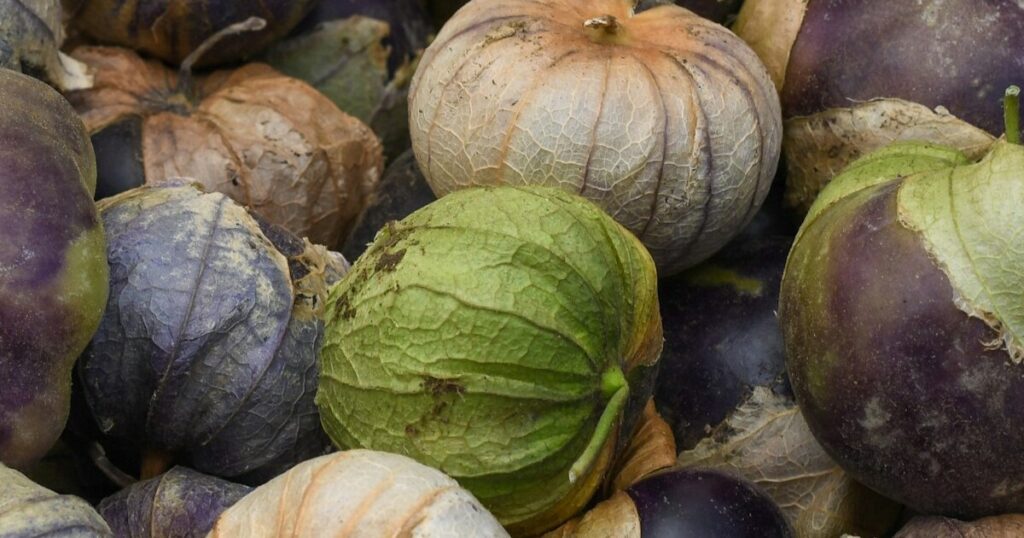
Tomatillos (Physalis philadelphica) bring a pop of citrusy tang to salsas and sauces, but they’re a bit more particular than their tomato cousins. Native to Mexico and Guatemala, these lantern-husked gems have been cultivated for centuries—and while they aren’t typically invasive in most home gardens, their habit of self-seeding can surprise the unwary grower! I’ve...
Tomatillos (Physalis philadelphica), those charming fruits encased in papery husks, hail from the highlands of Mexico and Central America, where they’ve been a staple in salsas and stews for centuries. When you grow them in your own garden, you’re inviting a piece of that vibrant culinary heritage into your backyard—and giving local wildlife a treat,...
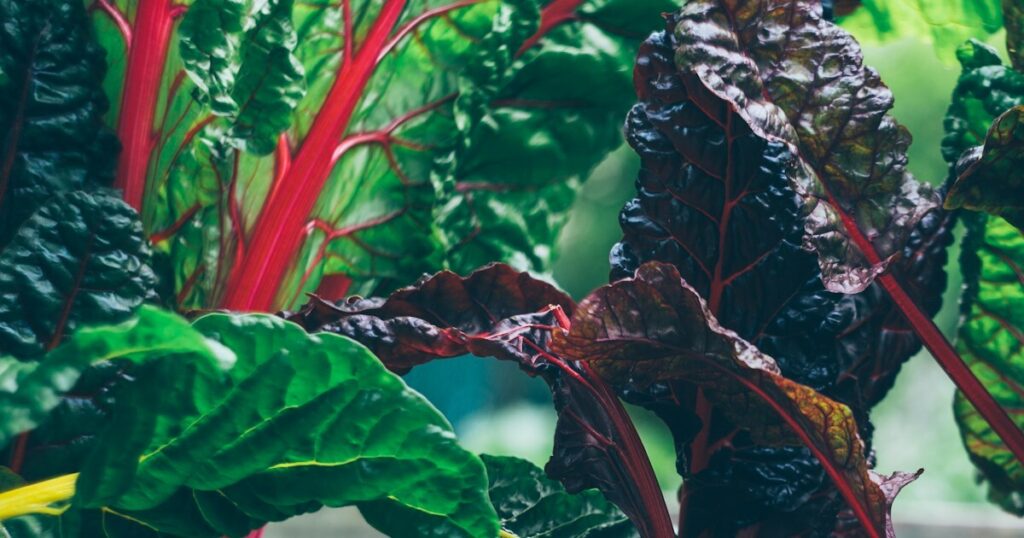
Growing Swiss chard (Beta vulgaris var. cicla), native to the Mediterranean, is one of my favorite ways to add lush greens—and a pop of color—to the vegetable patch. This hearty biennial, not considered invasive, will bounce back through multiple harvests if treated right. Yet it’s such a bummer when a few missteps leave your crop...