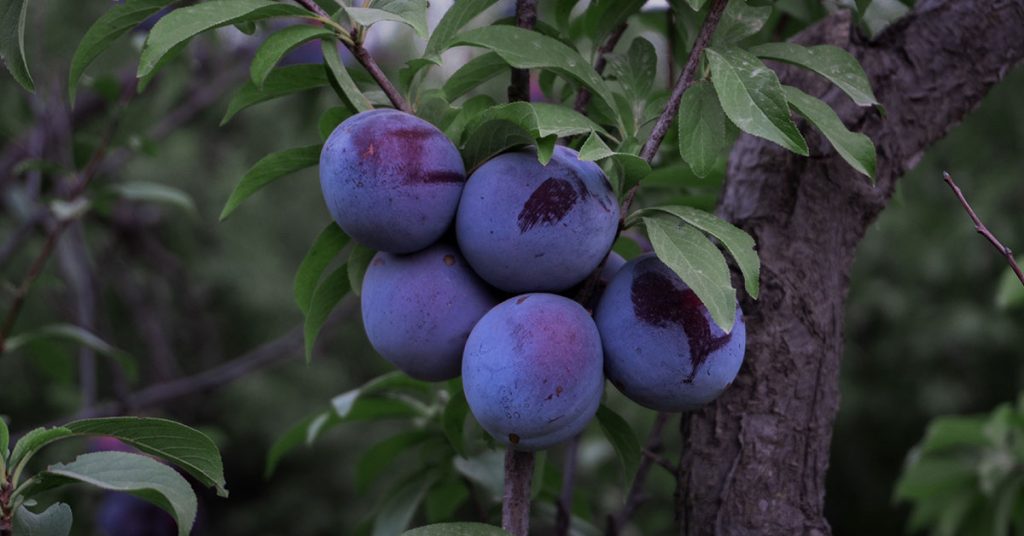
One of my favorite fruit trees to nurture is the plum (Prunus domestica), a species native to China and Central Asia that’s been delighting gardens across the world for centuries. From its delicate spring blossoms that tempt pollinating bees and early-nesting birds to its succulent summer fruit, a healthy plum tree is a true showstopper....
Fruits And Vegetables
Living off grid is a term coined by Nick Rosen, an environmentalist. It’s defined as being independent of systems like utilities and other types of conveniences. Some consider it to be a sort of exile from society, others view it as being a more environmentally positive action, and technically, both are correct.
People who live off grid often have vastly simplified lifestyles. Buying stuff, convenience, and overconsumption take a back seat to more simplistic living. Lots of DIY, self improvement, and producing the things you need yourself.
Living off grid has numerous benefits. Off grid families tend to have a lower environmental footprint due to producing energy from clean tech sources like solar, less consumerism, and producing more food themselves. People who live off grid also experience a ton of personal satisfaction for the work they put in and what they get out.
Living off grid reportedly reduces stress and anxiety and improves health overall. The physical labor involved with off grid living is better for you than sitting at a desk in an office, and the food you grow yourself is often substantially healthier than what you would find in a grocery store.
Families who live off grid don’t just live frugally but can also make a little bit of money at it. Selling extra eggs, produce, and other things can help turn your off grid lifestyle into a net financial positive.
It’s not easy to be a fully off grid individual or family, but there are steps you can take to get you started without cutting off the world and living alone in a remote cabin.
There’s nothing more disheartening than spending hours tending to your plants only to find them looking lackluster. Even the hardiest perennials—from native coneflowers that support local butterflies to vigorous invasives like Japanese knotweed—rely on a balanced soil diet to thrive. When the soil’s nutrients are depleted, plants signal distress in a dozen subtle and not-so-subtle...
One of my favorite plants to grow is the fig tree (Ficus carica), native to the sun-drenched Mediterranean and cherished for centuries for its sweet, pulpy fruits. Growing in a pot is fantastic for getting started—especially if you live where winters dip below freezing—but eventually your fig will outgrow its container. When you start noticing...
Grapefruits are such showstoppers in the citrus family—their bright, tangy flavor and impressive size feel like a gourmet treat straight from your own backyard! Yet, I know how deflating it is to watch blossoms set tiny fruit that never seem to swell, or to find half your crop dropped before ripening. Over the years, I’ve...
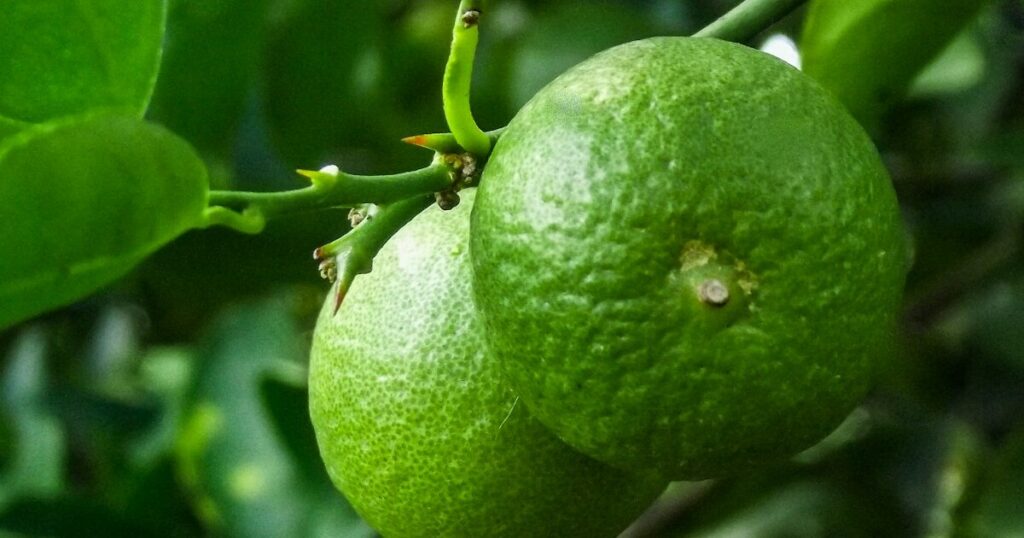
Limes are such a delight in the garden—those zesty fruits fresh off the branch can elevate any dish or cocktail to gourmet status! Yet, I know how frustrating it is when your lime tree flowers profusely but never sets fruit, or when tiny limes drop before they swell. Over the years, I’ve learned that growing...
Orange trees are such a joy to cultivate—their glossy green leaves, fragrant white blossoms, and vibrant fruit bring a slice of sunshine to any garden! Yet I know how heartbreaking it can be when those promising buds never swell into juicy oranges or when pests turn your orchard into their personal buffet. Over the years,...
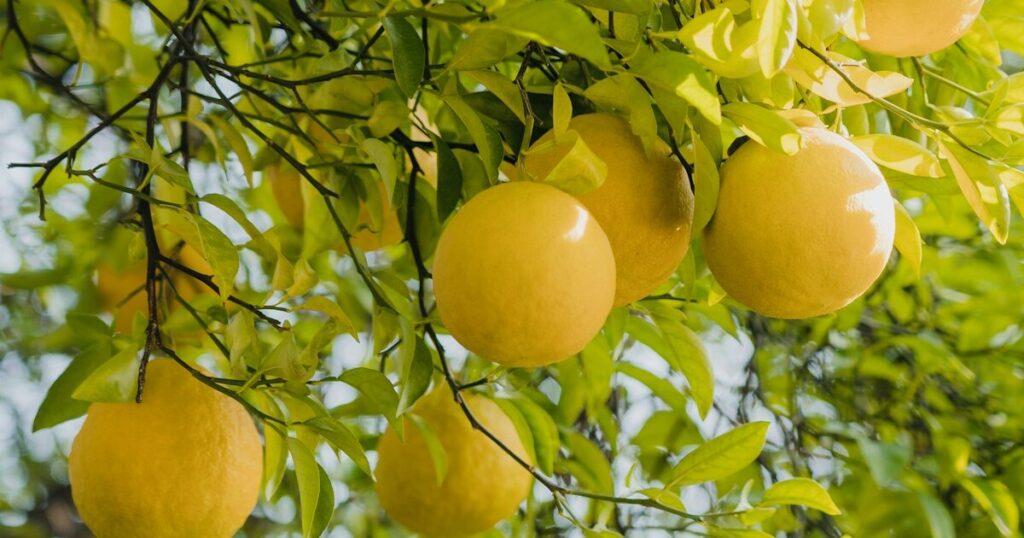
Lemons bring instant sunshine to the garden with their glossy leaves and bright fruit, and nothing beats slicing open a homegrown lemon for fresh juice or zest! Yet, I know how frustrating it can be when your lemons stay small or drop prematurely. Over the years, I’ve watched fellow gardeners wonder if their trees will...
Figs are such rewarding trees to nurture—there’s nothing quite like biting into a sun-ripened fruit that you’ve coaxed along yourself! Yet I know exactly how frustrating it is when your fig tree seems to sulk: leaves yellowing, branches drooping, or that long-awaited crop simply failing to materialize. Over the years, I’ve seen fellow gardeners plant...
Potatoes (Solanum tuberosum) hail from the high Andes of South America, where indigenous farmers coaxed them from wild tubers into the versatile crop we prize today. They’re generally well-behaved in home gardens—not invasive unless you let every dropped spud sprout—yet they can send distress signals when conditions aren’t quite right. I know how disappointing it...
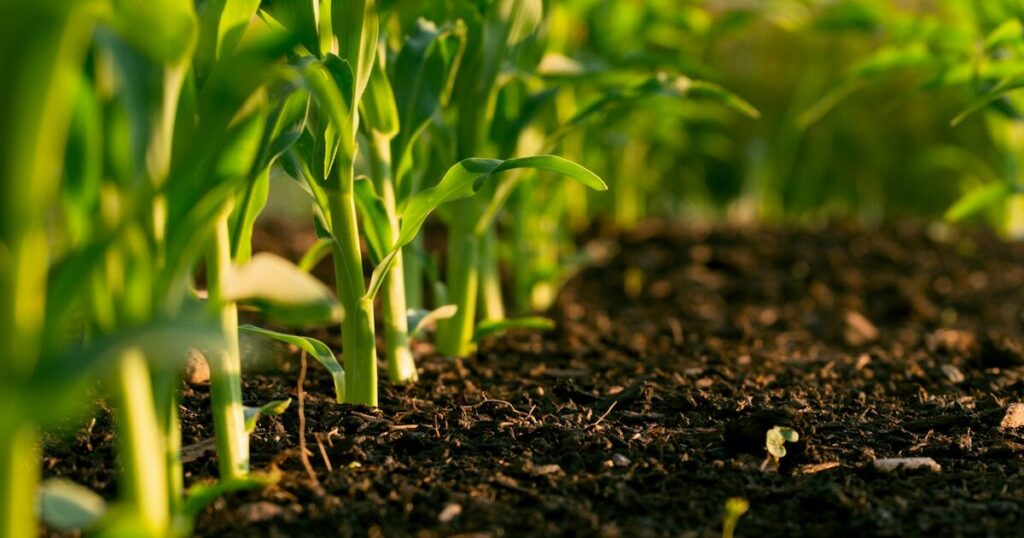
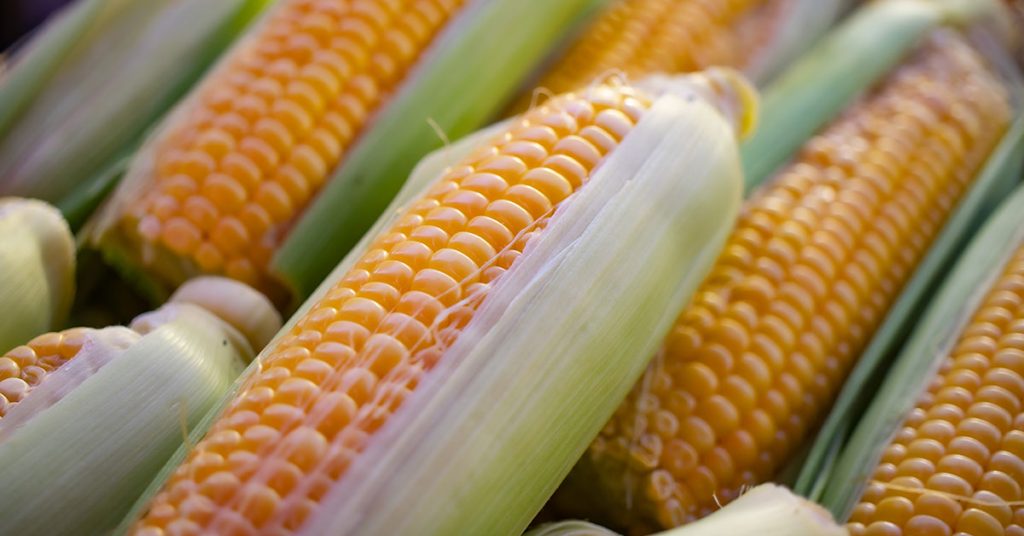
I’m so glad you’re keeping a close eye on your corn patch—there’s nothing more rewarding than hearing that rustle of Zea mays leaves in the breeze! Corn is native to Mesoamerica, where indigenous farmers domesticated it over 7,000 years ago. It’s well-behaved in most home gardens and not considered invasive, but its love of moisture...
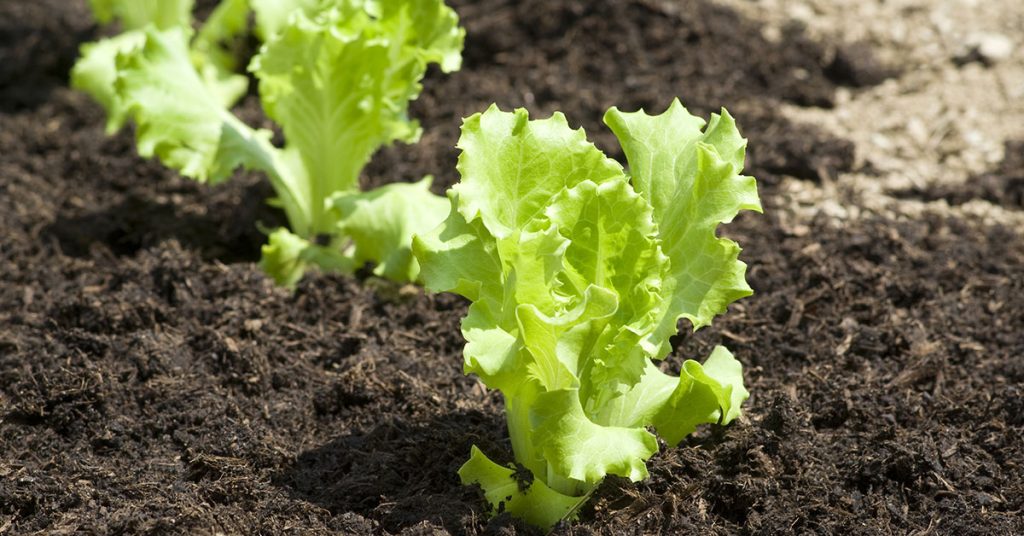
I’m so glad you’re tuning into your lettuce patch—those crisp heads of Lactuca sativa are such a rewarding harvest when they thrive! Native to the Mediterranean region, lettuce has been cultivated for thousands of years and isn’t invasive in home gardens—unless volunteers escape compost piles. Still, even the hardiest varieties can succumb to root rot...
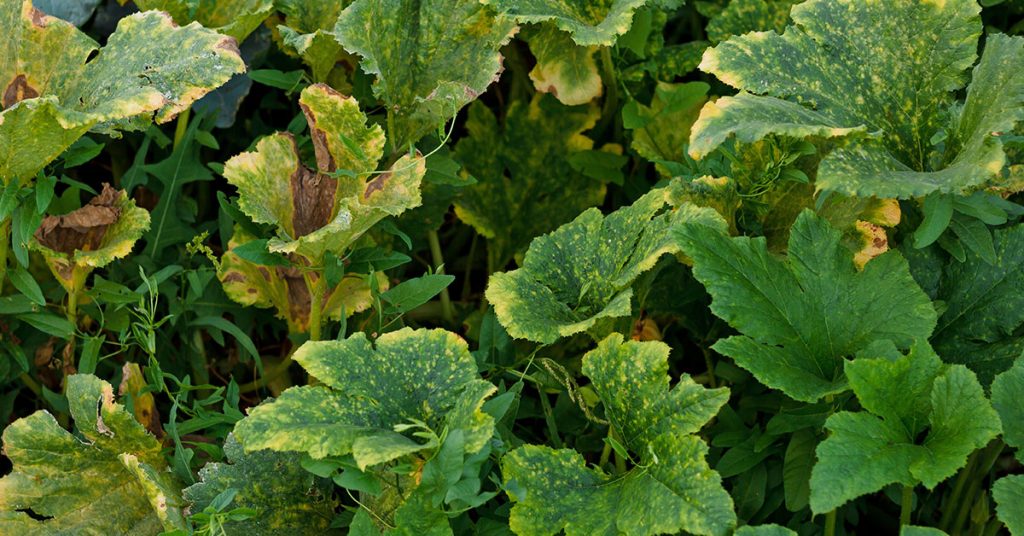
I’m so glad you’re looking to troubleshoot those yellowing zucchini leaves—nobody wants their vibrant green vines to look tired and pale! Zucchini (Cucurbita pepo), native to Central America, is a delight in summer gardens, producing prolific fruits that beckon bees and even small ground-nesting wasps seeking shelter in the leaf litter. It’s generally a well-behaved...