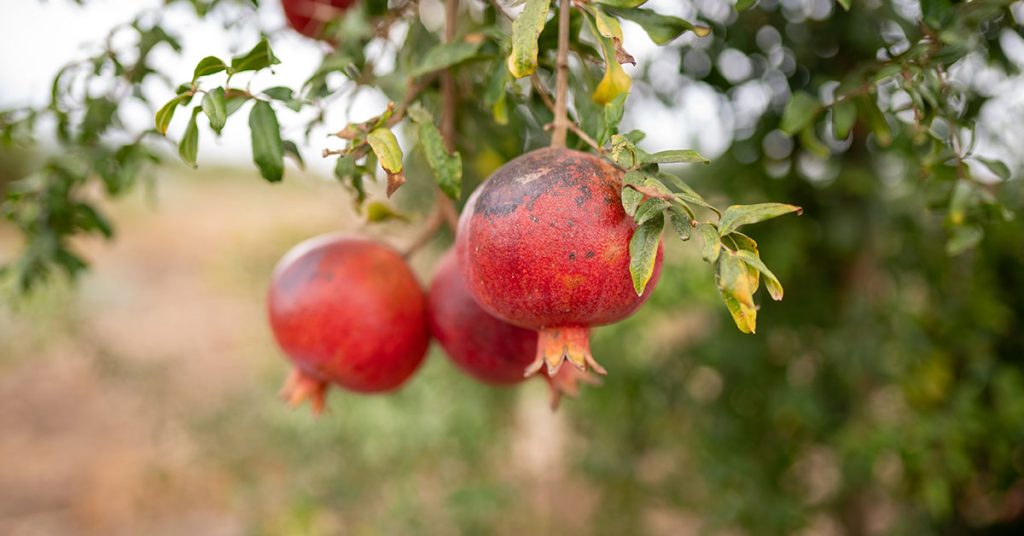
Cultivating pomegranates feels like tending a living connection to ancient orchards of the Mediterranean and Middle East—each burst of ruby arils carries centuries of flavor and tradition. Yet, it’s such a bummer when a young tree flowers beautifully only to drop its blossoms, or when fruits set but fail to ripen fully. I’ve walked that...
Fruits And Vegetables
Living off grid is a term coined by Nick Rosen, an environmentalist. It’s defined as being independent of systems like utilities and other types of conveniences. Some consider it to be a sort of exile from society, others view it as being a more environmentally positive action, and technically, both are correct.
People who live off grid often have vastly simplified lifestyles. Buying stuff, convenience, and overconsumption take a back seat to more simplistic living. Lots of DIY, self improvement, and producing the things you need yourself.
Living off grid has numerous benefits. Off grid families tend to have a lower environmental footprint due to producing energy from clean tech sources like solar, less consumerism, and producing more food themselves. People who live off grid also experience a ton of personal satisfaction for the work they put in and what they get out.
Living off grid reportedly reduces stress and anxiety and improves health overall. The physical labor involved with off grid living is better for you than sitting at a desk in an office, and the food you grow yourself is often substantially healthier than what you would find in a grocery store.
Families who live off grid don’t just live frugally but can also make a little bit of money at it. Selling extra eggs, produce, and other things can help turn your off grid lifestyle into a net financial positive.
It’s not easy to be a fully off grid individual or family, but there are steps you can take to get you started without cutting off the world and living alone in a remote cabin.
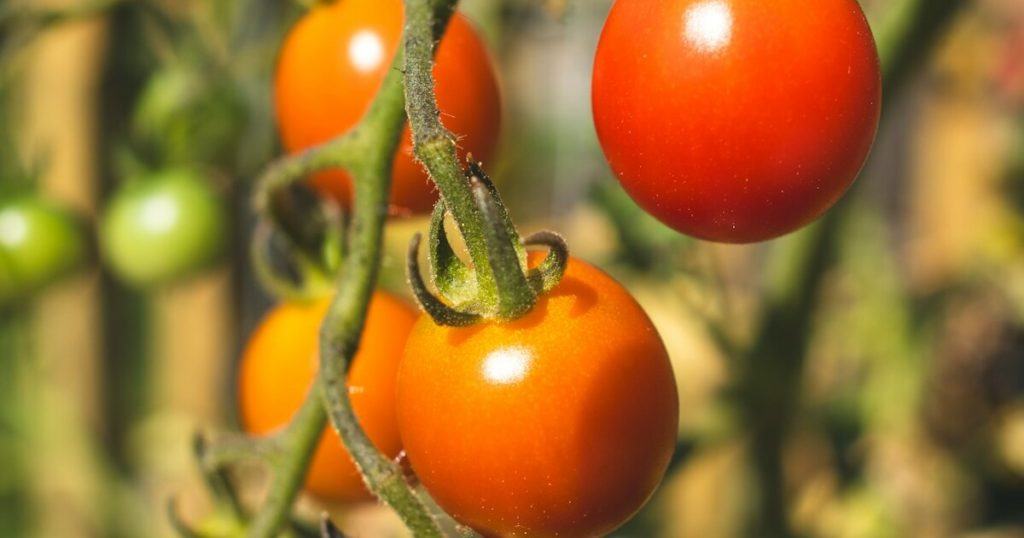
Growing cherry tomatoes is one of the most rewarding experiences for any home gardener: those little bursts of sweetness right off the vine feel like nature’s candy! Yet, I know how disheartening it can be when blooms abort, fruit cracks, or vines languish without producing. Cherry tomatoes (Solanum lycopersicum var. cerasiforme), native to the Andean...
Imagine stepping into a garden that not only dazzles the eyes but feeds your belly and nourishes your soul—right in your backyard! I know how frustrating it is to wander grocery aisles searching for elusive wild flavors, so creating a dedicated forager’s paradise brings those tastes home. As a gardener who’s spent seasons nurturing both...
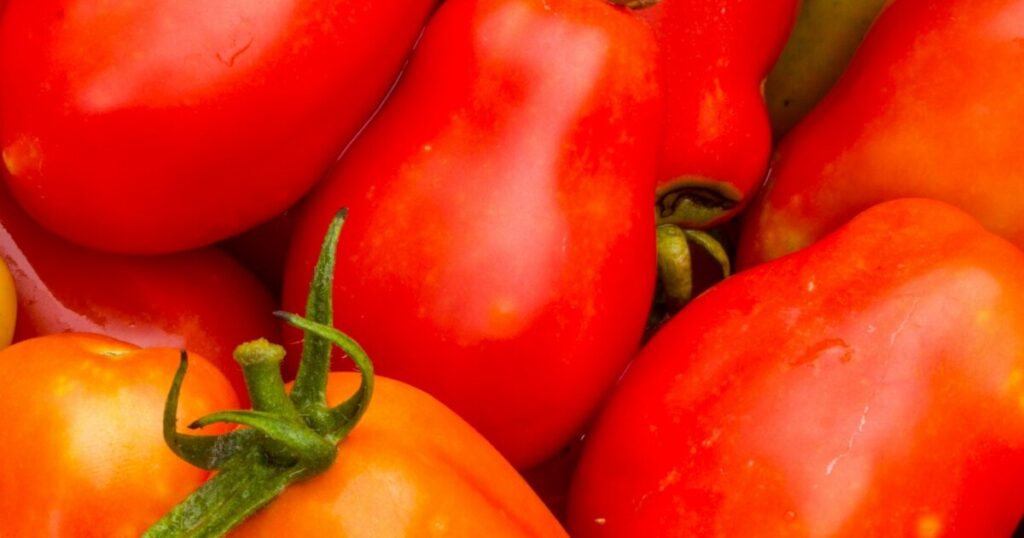
Roma tomatoes (Solanum lycopersicum ‘Roma’) trace their origins to the western slopes of the Andes in South America, where wild relatives still fuel the genetic diversity of modern cultivars. As a gardener, I know how thrilling it is to envision those slender, plum‑shaped fruits ripening on the vine—yet it’s such a bummer when blossom end...
Squash—native to the Americas and cultivated by Indigenous peoples for thousands of years—is one of my favorite crops to grow. There’s nothing quite like the thrill of seeing those broad, fuzzy leaves unfurl in the spring, dreaming of golden zucchini and plump pumpkins! Yet, it’s such a bummer when powdery mildew sets in or your...
Compost is like liquid gold for the garden—rich in organic matter, teeming with beneficial microbes, and gently feeding plants without the risk of burning roots. As a gardener, I know how tempting it is to rely on quick‑fix granular fertilizers, but there’s something so satisfying about watching plants gobble up dark, crumbly compost and reward...
I’ll never forget the first time I bit into a sun-warmed fig straight from my windowsill—its sweet, jammy flesh instantly transported me to sun-drenched Mediterranean groves! Growing figs indoors transforms your home into a miniature orchard, offering both visual delight and delicious rewards. Whether you’re a seasoned gardener or just dipping your toes into container...
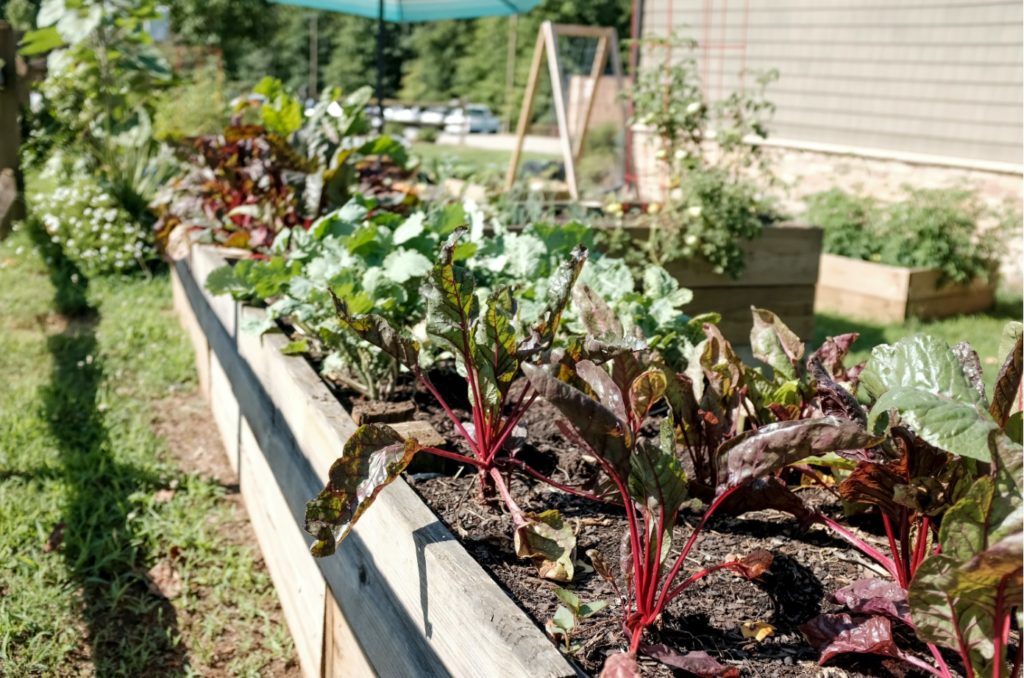
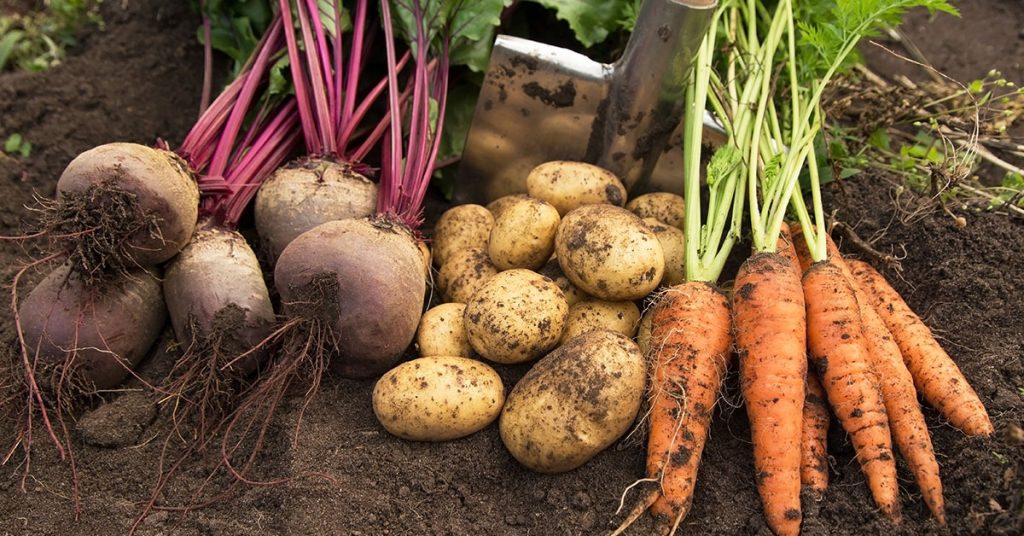
Beets (Beta vulgaris), native to the Mediterranean region, are a versatile root crop beloved for their earthy flavor and vibrant color. Yet even seasoned gardeners can find themselves pulling up puny bulbs or lamenting split roots. It’s such a bummer when you’ve nurtured seedlings for weeks only to see them bolt or stagnate before harvest!...
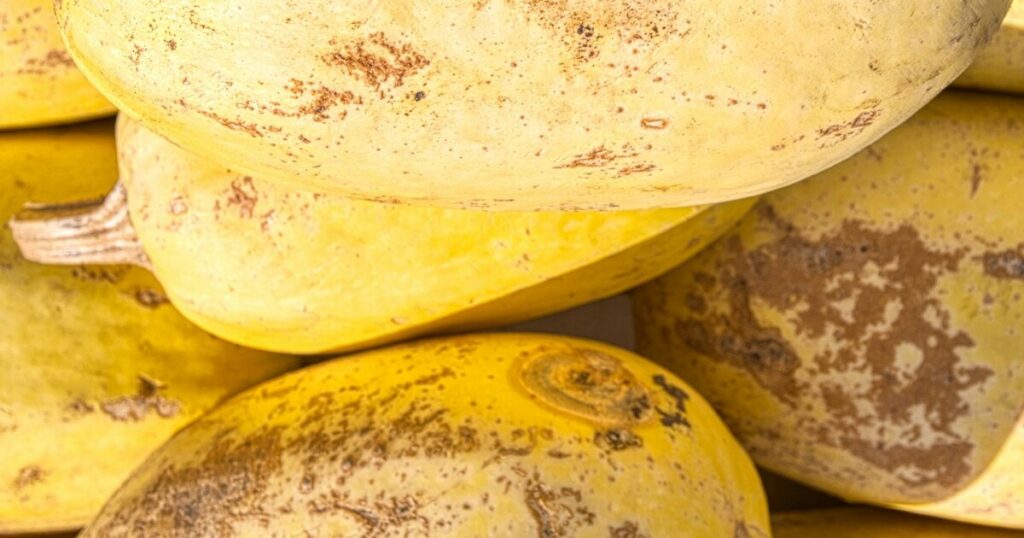
It’s such a thrill to harvest your very own butternut squash—those smooth, tan-skinned gourds packed with sweet, nutty flesh always make me beam with pride! If you’ve ever felt the disappointment of misshapen fruit or plants that petered out before setting even one squash, you’re not alone. Butternut squash (Cucurbita moschata), native to Mesoamerica and...
July’s soaring temperatures can make a garden feel like it’s winding down, but with the right picks, you can still sow a bounty of fresh veggies for autumn and beyond! Many of our beloved crops—from the crisp carrots first cultivated in Central Asia to the vining cucumbers that trace back to South Asia—thrive when given...
I’m so excited to dive into why proper storage of your freshly harvested veggies is absolutely essential! Whether you’ve just plucked plump tomatoes—native to the highlands of western South America and known to volunteer wildly if composted—or crisp cabbages, descendants of wild Brassica oleracea from European coastal cliffs, how you store them can make or...
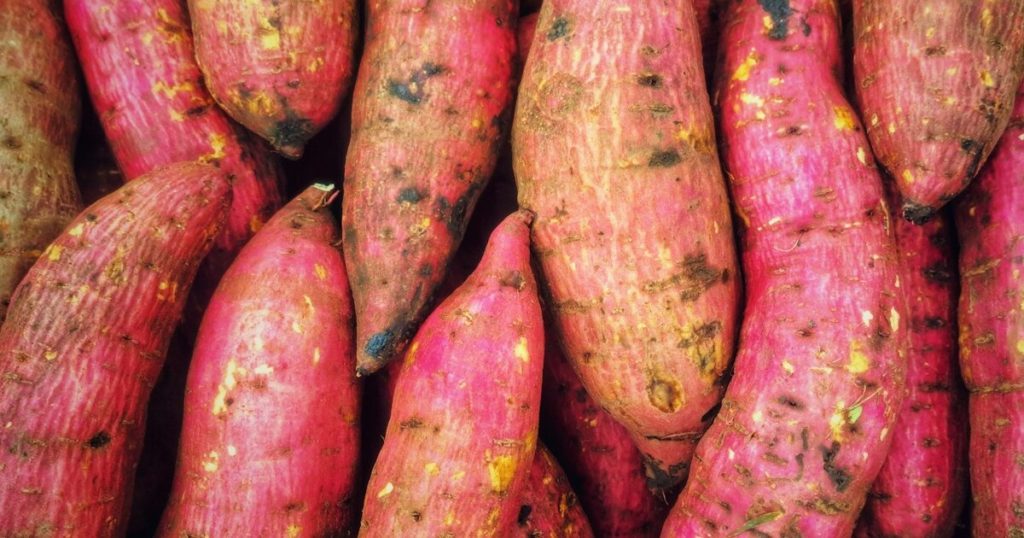
Sweet potatoes (Ipomoea batatas) trace their roots back to the tropical lowlands of Central and South America, where they sprawled across sun-drenched riverbanks and attracted native pollinators—like solitary bees—that nested in nearby bare patches of soil. These vigorous vines can become invasive in frost-free climates, sending up volunteer plants if tubers are left behind. I...