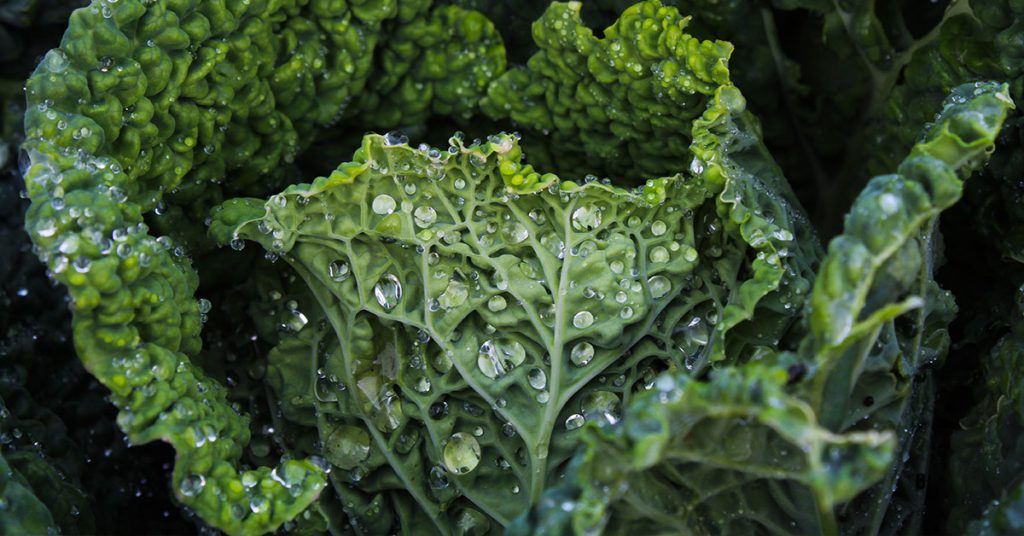
I’m absolutely delighted you’re turning your garden into a kale powerhouse this season! Kale (Brassica oleracea) originally hails from the eastern Mediterranean and Asia Minor, where ancient gardeners prized its hardy leaves long before it spread across Europe and beyond. It’s not typically invasive in home plots—unless you let it bolt and self-seed—but it does...
Fruits And Vegetables
Living off grid is a term coined by Nick Rosen, an environmentalist. It’s defined as being independent of systems like utilities and other types of conveniences. Some consider it to be a sort of exile from society, others view it as being a more environmentally positive action, and technically, both are correct.
People who live off grid often have vastly simplified lifestyles. Buying stuff, convenience, and overconsumption take a back seat to more simplistic living. Lots of DIY, self improvement, and producing the things you need yourself.
Living off grid has numerous benefits. Off grid families tend to have a lower environmental footprint due to producing energy from clean tech sources like solar, less consumerism, and producing more food themselves. People who live off grid also experience a ton of personal satisfaction for the work they put in and what they get out.
Living off grid reportedly reduces stress and anxiety and improves health overall. The physical labor involved with off grid living is better for you than sitting at a desk in an office, and the food you grow yourself is often substantially healthier than what you would find in a grocery store.
Families who live off grid don’t just live frugally but can also make a little bit of money at it. Selling extra eggs, produce, and other things can help turn your off grid lifestyle into a net financial positive.
It’s not easy to be a fully off grid individual or family, but there are steps you can take to get you started without cutting off the world and living alone in a remote cabin.
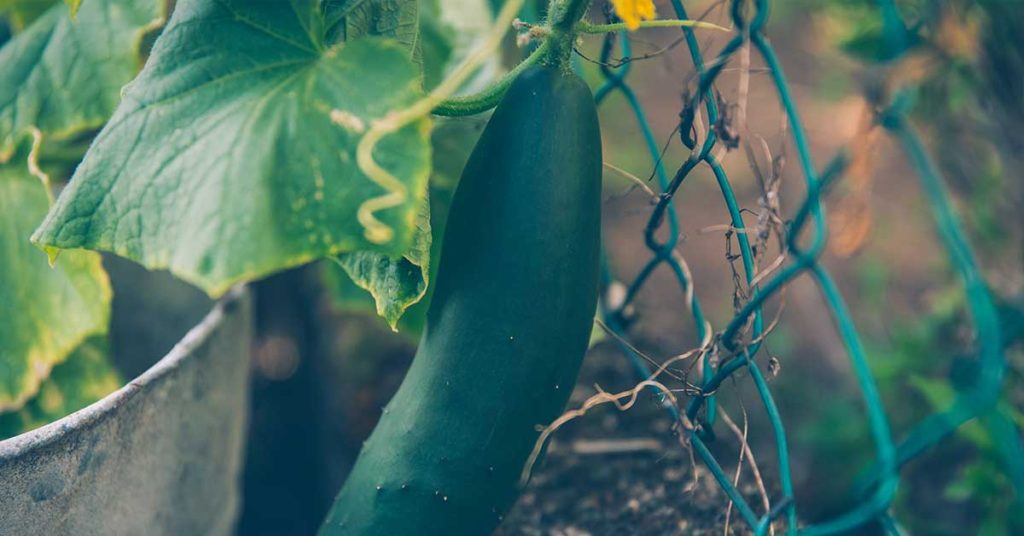
I’m so excited you’re on the quest for gigantic cucumbers this season! There’s nothing more thrilling than watching those vines unfurl and yield fruits so plump they almost bend the trellis. Cucumbers (Cucumis sativus) hail from the foothills of the Himalayas in India, where they’ve been cultivated for over 3,000 years. They’re not typically invasive—unless...
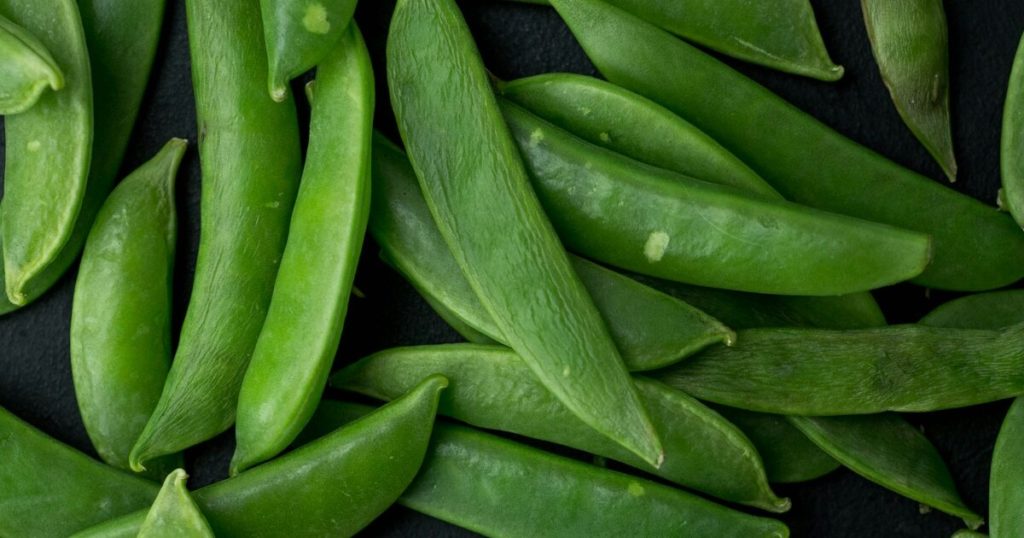
Peas are one of my favorite cool-season crops—those tender green pods and sweet, starchy peas are a joy to harvest straight from the vine! Native to the Mediterranean and Near East, garden peas (Pisum sativum) have been cultivated for millennia, and while they’re hardly invasive, they can volunteer enthusiastically if you let dried pods fall....
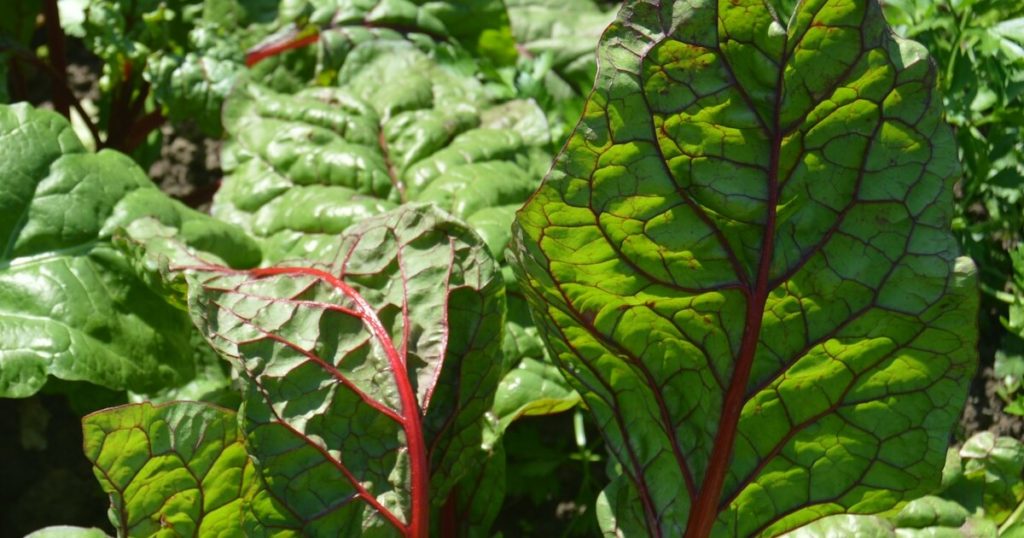
Chard’s bold, colorful stems and glossy, crinkled leaves are a joy to behold—and a treat to harvest! Native to the Mediterranean, Swiss chard (Beta vulgaris subsp. vulgaris) has been cultivated since Roman times, and it thrives in both cool springs and mild autumns. I know how frustrating it can be when your chard patch produces...
Summer container gardening is a fantastic way to enjoy homegrown produce even if you’re short on space. There’s nothing quite like stepping onto your patio to harvest sun-warmed cherry tomatoes or snipping fresh Swiss chard leaves for dinner! Yet, I know how challenging it can be to coax big harvests from pots and troughs—especially when...
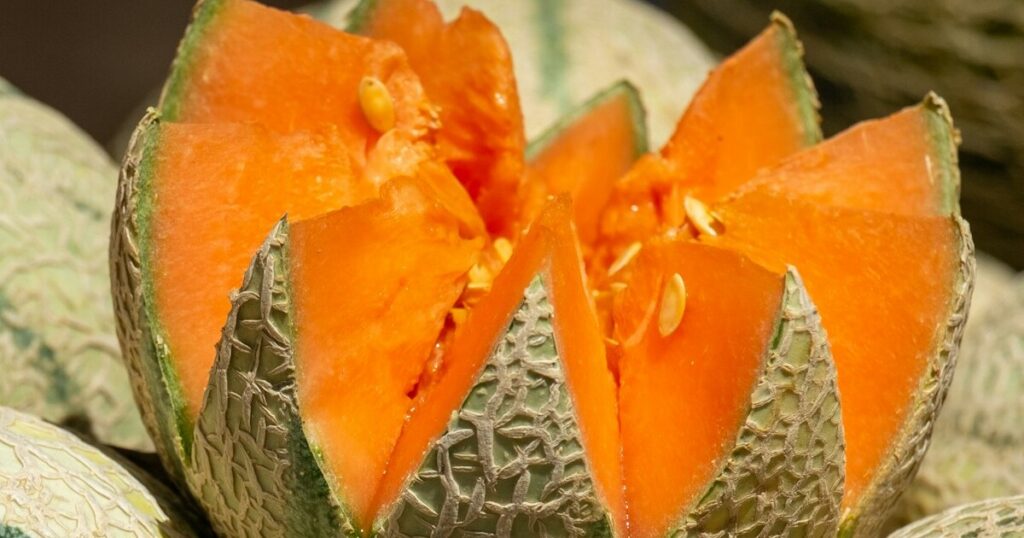
Melons—Cucumis melo—have delighted gardeners since antiquity, with wild ancestors hailing from Africa and Southwest Asia before spreading worldwide! I know how tempting it is to envision crisp cantaloupes and juicy watermelons spilling over your harvest basket, but a few missteps can leave you with underwhelming fruits. Whether you’re a first-time melon enthusiast or a seasoned...
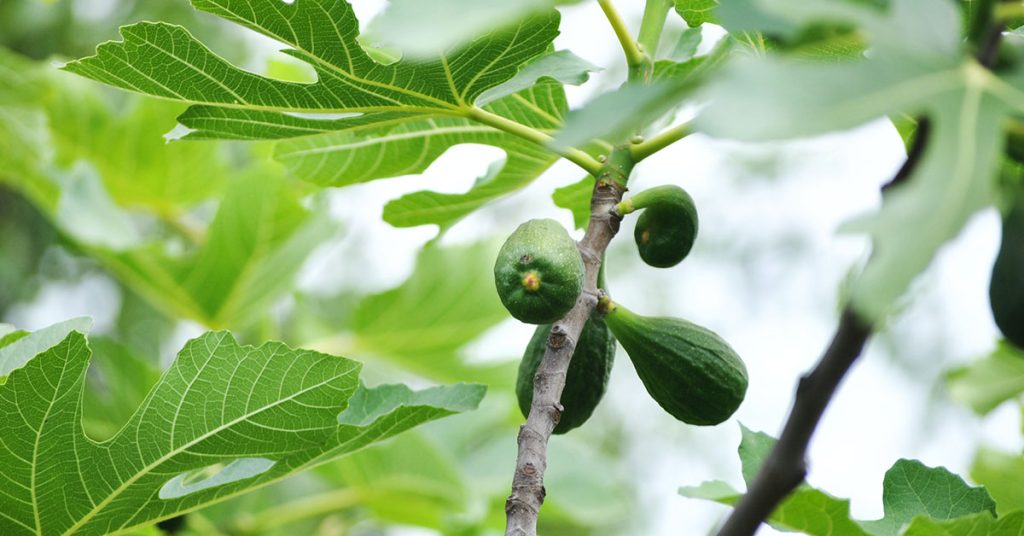
I still remember the first time I bit into a sun-warmed fig fresh off the tree—what a revelation! Yet I also know how heartbreaking it can be to nurture a stately fig tree only to end up with small, scarce fruit. Whether you’re a first-time fig grower or a seasoned arborist, I’m here to share...
Parsnips are one of those classic root vegetables that bring a sweet, nutty twist to soups, roasts, and mash. Native to Eurasia and valued since Roman times, these hardy biennials thrive in cool seasons and develop their signature flavor after a touch of frost. They aren’t invasive, but they do demand specific conditions—deep, loose soil,...
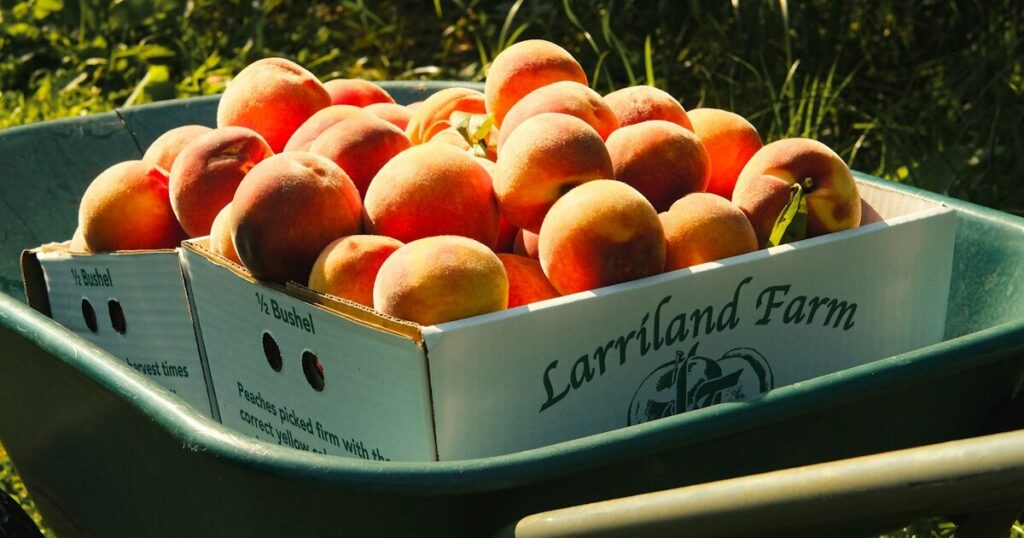
There’s something downright magical about harvesting peaches from your own tree. If you’ve been waiting all season, fussing over pests, battling birds, and keeping your peach tree watered just right, you know the anticipation can be overwhelming. But here’s the tricky part: peaches don’t ripen well after picking like some other fruits do. If you...
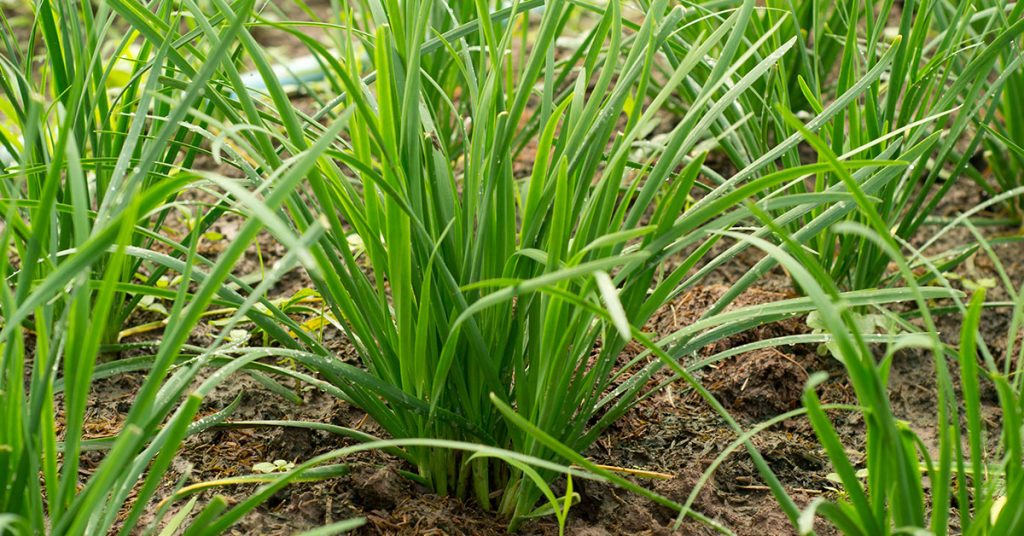
Chives are one of those herbs that quietly become essential in the garden. Whether you’re sprinkling them fresh over scrambled eggs or letting their globe-like purple blooms dance in the breeze, a full, bushy patch of chives is a joy to have. But it’s such a disappointment when they come in sparse, floppy, or weak!...
Carrots are one of those crops that seem simple on the surface but can be surprisingly tricky to grow well. If you’ve ever pulled up stubby roots, lost seedlings to weeds, or had your crop demolished by carrot rust flies, you know the struggle is real. That’s exactly why I rely on companion planting to...
Beets are such a rewarding root crop—nutritious, earthy-sweet, and beautiful both above and below ground. But if you’ve ever struggled with stunted roots, tough greens, or persistent leaf miners, you’re not alone. Companion planting has completely transformed the way I grow beets. With the right allies around them, they grow bigger, taste better, and suffer...