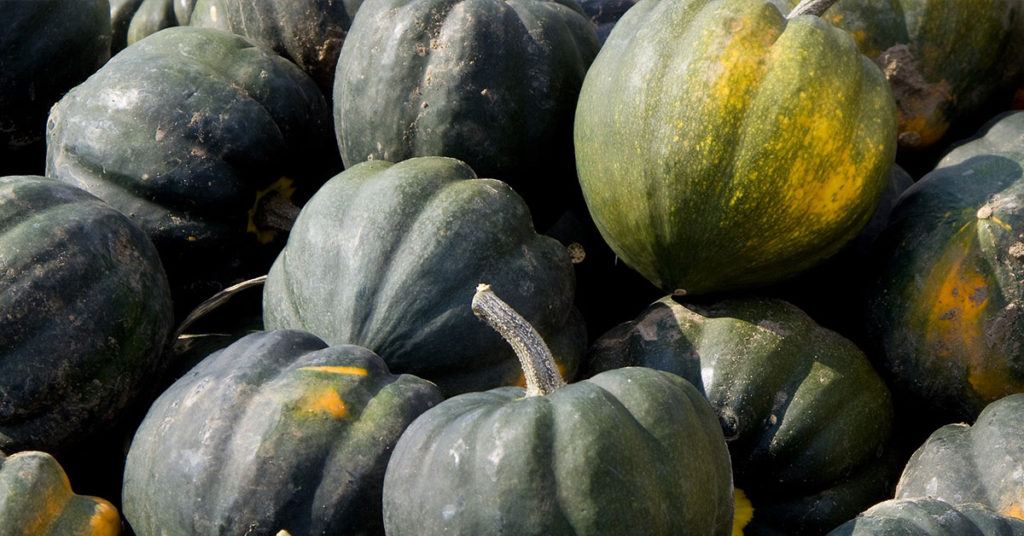
I’m so excited to share these ten tried-and-true tips for coaxing bountiful acorn squash harvests from your garden! Acorn squash (Cucurbita pepo) hails from the temperate woodlands and river valleys of North America, where its ancestors thrived on rich, well-drained soils. In those native habitats, squash vines sprawled across open ground, their bright yellow flowers...
Fruits And Vegetables
Living off grid is a term coined by Nick Rosen, an environmentalist. It’s defined as being independent of systems like utilities and other types of conveniences. Some consider it to be a sort of exile from society, others view it as being a more environmentally positive action, and technically, both are correct.
People who live off grid often have vastly simplified lifestyles. Buying stuff, convenience, and overconsumption take a back seat to more simplistic living. Lots of DIY, self improvement, and producing the things you need yourself.
Living off grid has numerous benefits. Off grid families tend to have a lower environmental footprint due to producing energy from clean tech sources like solar, less consumerism, and producing more food themselves. People who live off grid also experience a ton of personal satisfaction for the work they put in and what they get out.
Living off grid reportedly reduces stress and anxiety and improves health overall. The physical labor involved with off grid living is better for you than sitting at a desk in an office, and the food you grow yourself is often substantially healthier than what you would find in a grocery store.
Families who live off grid don’t just live frugally but can also make a little bit of money at it. Selling extra eggs, produce, and other things can help turn your off grid lifestyle into a net financial positive.
It’s not easy to be a fully off grid individual or family, but there are steps you can take to get you started without cutting off the world and living alone in a remote cabin.
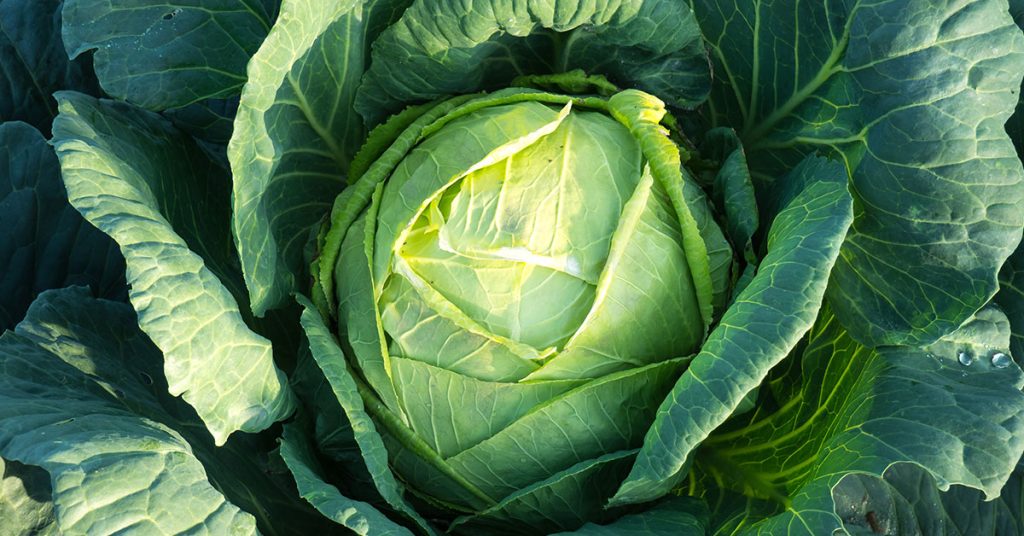
Growing cabbage—those sturdy, leafy heads descended from wild Brassica oleracea in the coastal cliffs of northern Europe—can be immensely rewarding. I love the moment when a tight, vivid green head forms, promising crunchy salads and hearty stews. Yet, it’s such a bummer when your plants bolt in the heat or succumb to voracious caterpillars before...
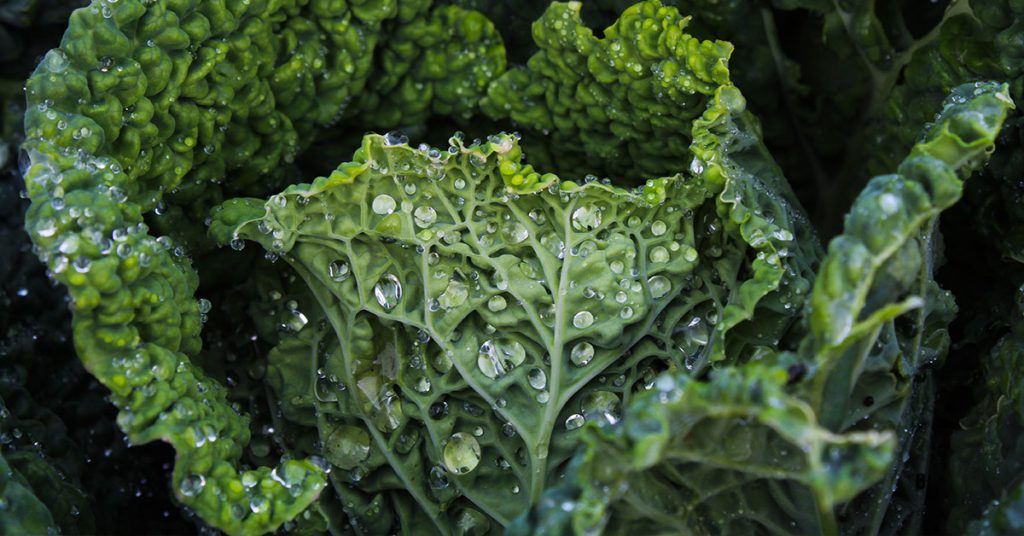
Kale, a member of the Brassica oleracea family, has its origins in the cool, damp regions of the eastern Mediterranean. In its native habitat—rocky hillsides and coastal cliffs—it thrived in well-drained, moderately fertile soils, sending out sturdy leaves that survived sea breezes and occasional droughts. I love watching those crinkly Blue Curled or Lacinato leaves...
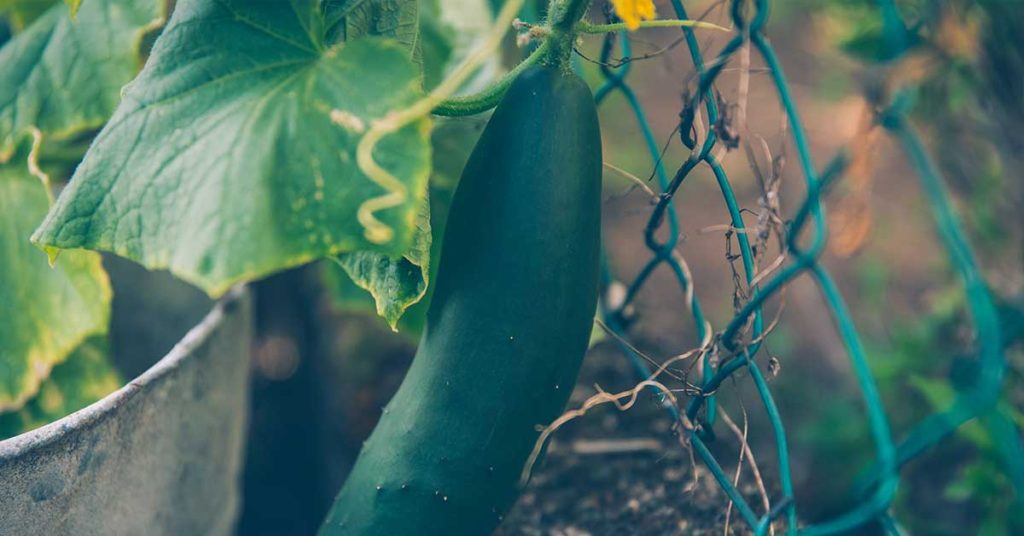
Growing cucumbers can feel like unlocking a green-thumb superpower—until one misstep turns those crisp, crunchy delights into bitter, sparse letdowns. I’ve been there: peering at drooping vines, wondering where I went wrong, and vowing to never repeat that season’s blunders! In this guide, we’ll tackle twelve of the most common cucumber-growing mistakes, so you can...
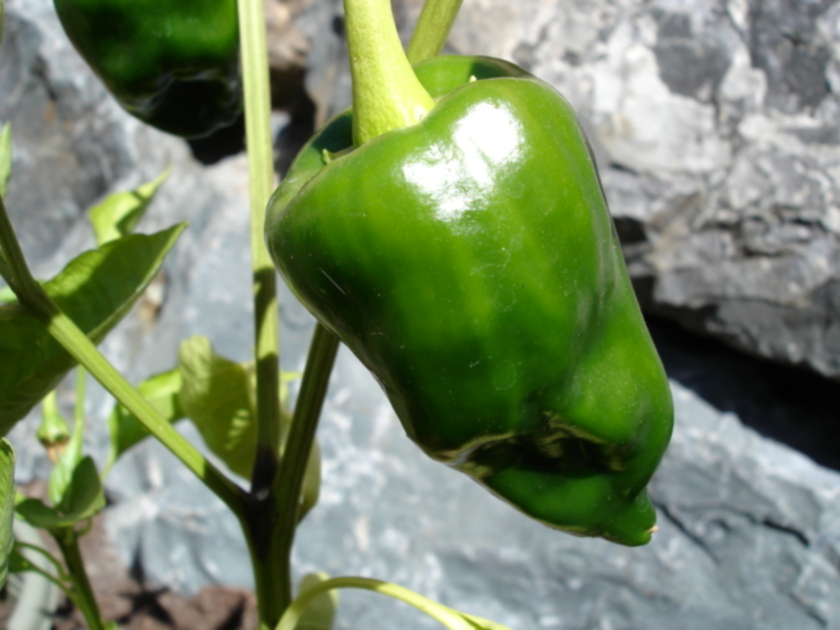
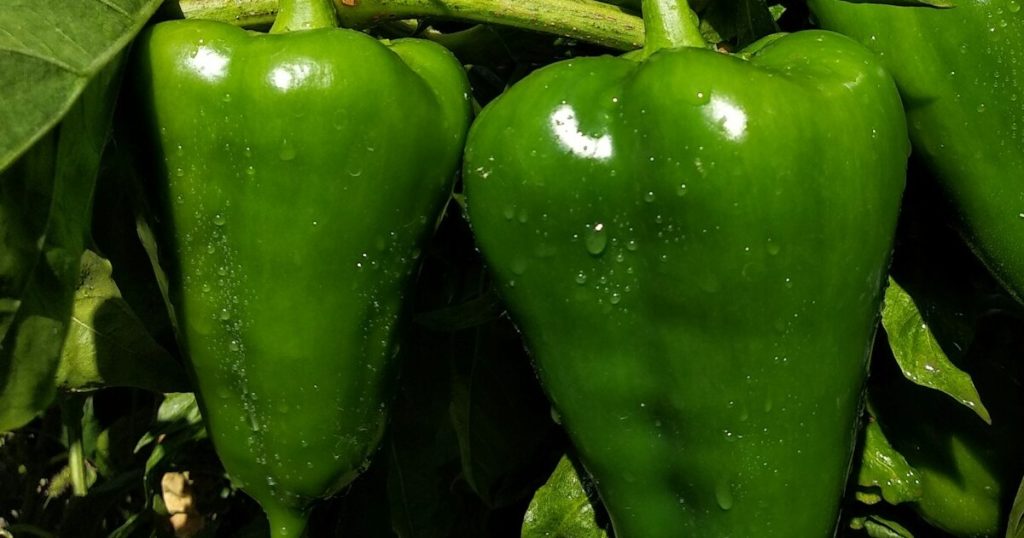
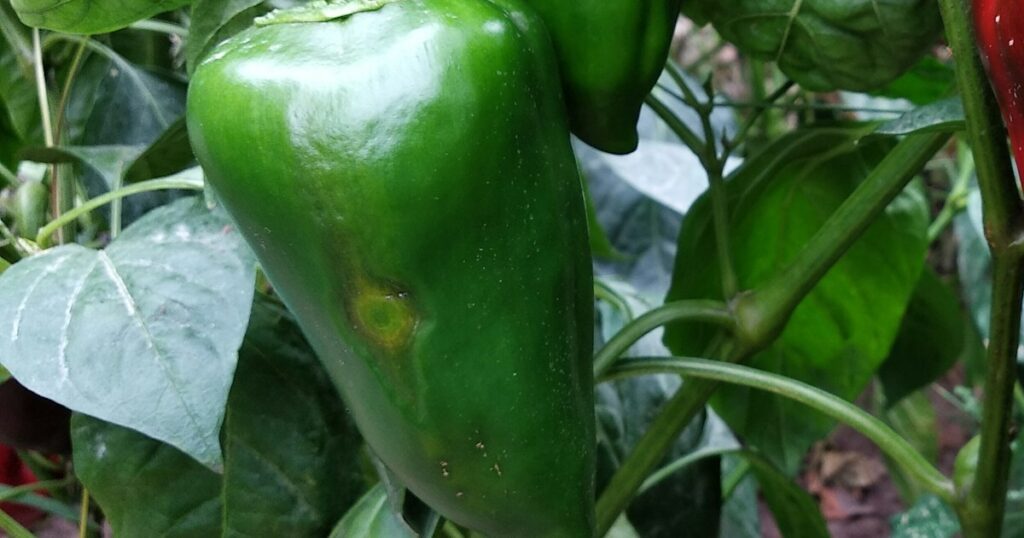
Growing poblano peppers is one of my favorite summer pleasures—they hail from the Puebla region of Mexico and bring such depth of flavor to chiles rellenos and salsas! These mild-to-medium-heat Capsicum annuum varieties thrive in warm, sunny gardens, but I know how frustrating it is when blossoms drop or pods stay small. With the right...
Growing Anaheim peppers (Capsicum annuum var. annuum) can be incredibly rewarding—the crisp, mildly spicy pods are perfect roasted, stuffed, or transformed into salsas! Native to the Pueblo region of New Mexico, these peppers have become a garden staple across warm climates. But I know how frustrating it is when those promising green shoots fizzle out...
Gardening serrano peppers can be an exhilarating journey—there’s nothing quite like the thrill of spotting that first vibrant green pod dangling from the stem! Native to the mountainous regions of northeastern Mexico, serranos (Capsicum annuum var. serrano) thrive in warm conditions and reward dedicated gardeners with fiery fruits that pack a punch. But I know...
Gardening is full of delightful surprises—and sometimes head-scratching mysteries—especially when plants start swapping pollen behind your back! Cross-pollination occurs when pollen from one variety fertilizes the flowers of another, leading to seeds that sprout offspring with mixed traits. Whether you’re saving seeds to preserve a cherished variety or experimenting with novel hybrids, knowing which plants...
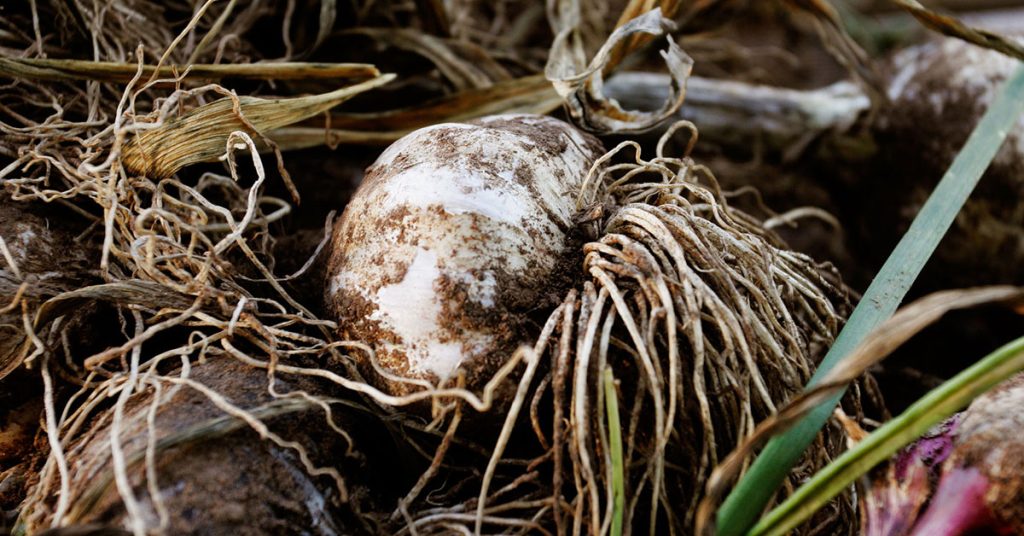
There’s nothing quite like the satisfaction of harvesting your own garlic—those pungent, flavorful bulbs elevate every dish from sauces to sautés! Native to the mountainous regions of Central Asia, Allium sativum has traveled the world on the strength of its culinary and medicinal uses. While garlic isn’t considered invasive when grown responsibly, I know how...
Growing radishes is one of my favorite quick-win pleasures in the garden—their crisp, peppery crunch fresh from the soil is unbeatable! Radishes (Raphanus sativus) were first domesticated in Southeast Asia but now brighten gardens worldwide. While cultivated radishes aren’t invasive, their wild cousins (R. raphanistrum) can become weedy if you let them bolt. I know...
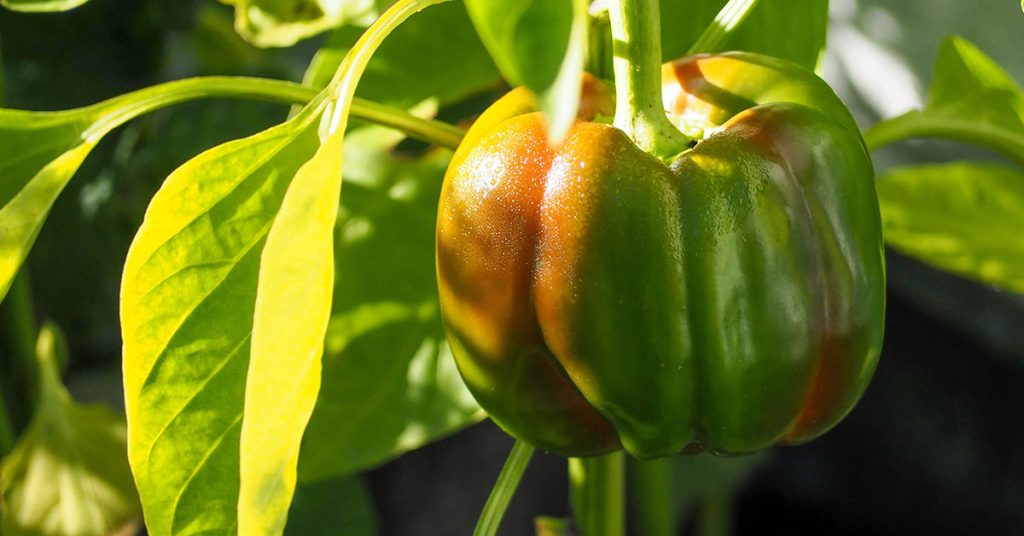
Bell peppers are one of my absolute favorite garden gems—the crunch of a homegrown pepper, whether green, yellow, or ruby red, is simply unbeatable! Native to the highlands of Central Mexico, Capsicum annuum has been cultivated by Mesoamerican civilizations for millennia. While they aren’t invasive in most home gardens, I know how disheartening it can...
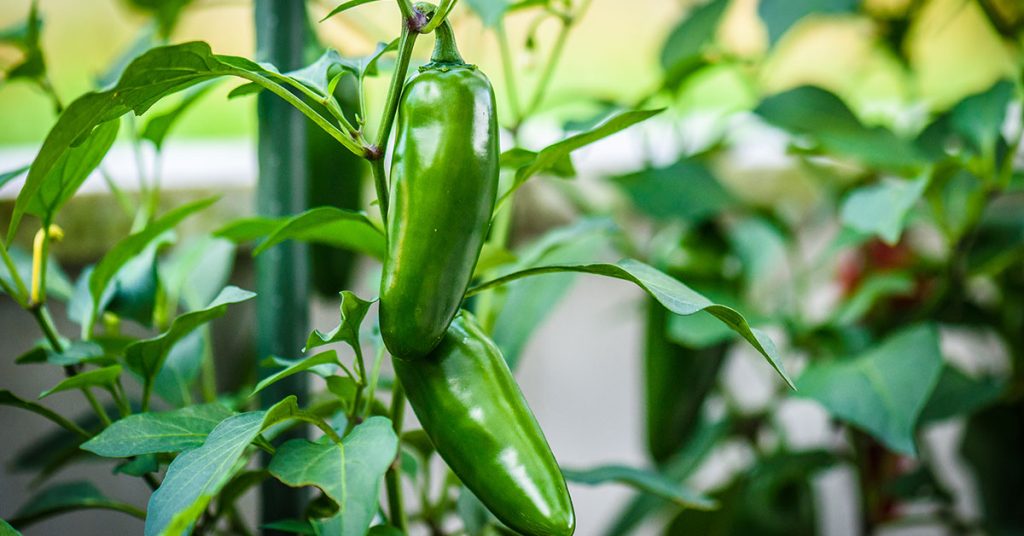
Growing jalapeño peppers can be incredibly rewarding—those crisp, spicy fruits fresh from the garden add a punch to salsas, stir-fries, and more! Native to the highlands of Mexico, Capsicum annuum has been cultivated for thousands of years, delighting gardeners with its vibrant fruit and ornamental foliage. However, it’s such a bummer when your pepper patch...