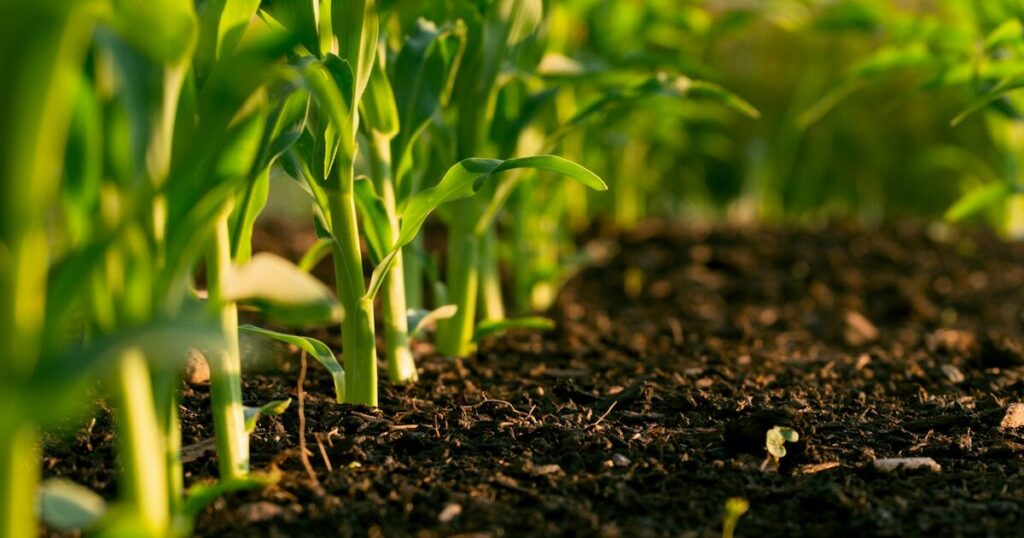
Bok choy (Brassica rapa subsp. chinensis) is a cool-season treasure, prized for its crisp white stems and tender green leaves that elevate stir-fries, soups, and salads alike! Native to the river valleys of Yunnan, China, bok choy has adapted worldwide without becoming invasive in most home gardens. Its rapid growth cycle and attractive rosettes also...
Fruits And Vegetables
Living off grid is a term coined by Nick Rosen, an environmentalist. It’s defined as being independent of systems like utilities and other types of conveniences. Some consider it to be a sort of exile from society, others view it as being a more environmentally positive action, and technically, both are correct.
People who live off grid often have vastly simplified lifestyles. Buying stuff, convenience, and overconsumption take a back seat to more simplistic living. Lots of DIY, self improvement, and producing the things you need yourself.
Living off grid has numerous benefits. Off grid families tend to have a lower environmental footprint due to producing energy from clean tech sources like solar, less consumerism, and producing more food themselves. People who live off grid also experience a ton of personal satisfaction for the work they put in and what they get out.
Living off grid reportedly reduces stress and anxiety and improves health overall. The physical labor involved with off grid living is better for you than sitting at a desk in an office, and the food you grow yourself is often substantially healthier than what you would find in a grocery store.
Families who live off grid don’t just live frugally but can also make a little bit of money at it. Selling extra eggs, produce, and other things can help turn your off grid lifestyle into a net financial positive.
It’s not easy to be a fully off grid individual or family, but there are steps you can take to get you started without cutting off the world and living alone in a remote cabin.
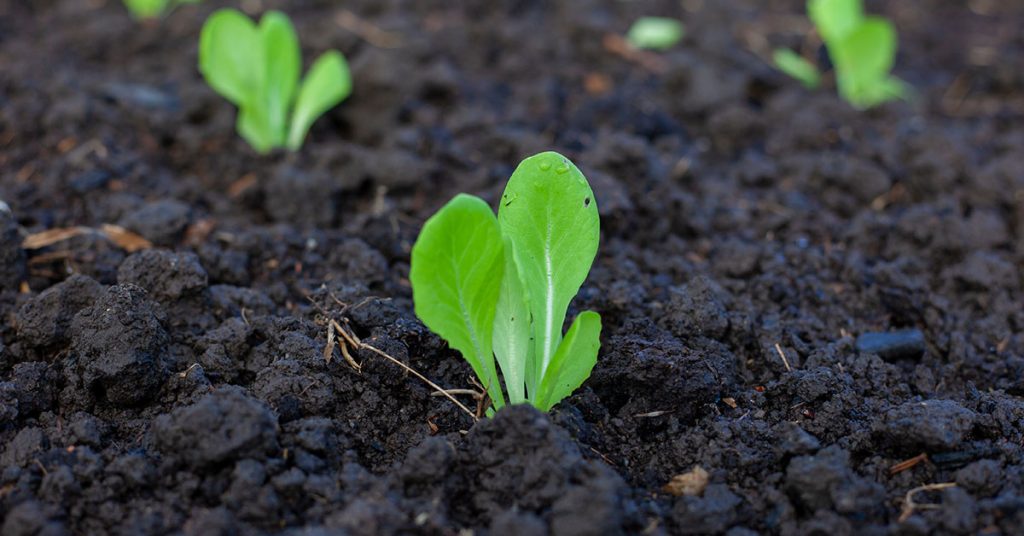
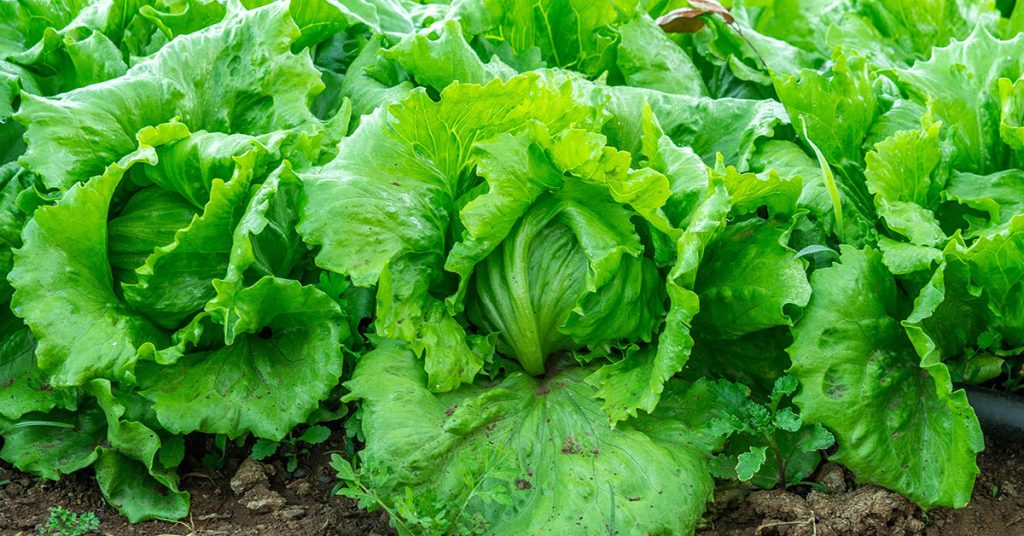
Growing your own leafy greens means stepping into a world of vibrant flavors, textures, and colors right in your backyard (or on your windowsill)! From peppery arugula to delicate mache, each leaf brings something special to the salad bowl—and knowing exactly where they come from and how to care for them only deepens the joy....
Microgreens—those tender, nutrient-packed seedlings of vegetables and herbs—have taken the culinary world by storm! Originating from the same diverse family of plants as full-grown lettuces, kale, radishes, and peas, these miniature greens trace their lineage back to centuries-old sprouting traditions in Asia and Europe. In a controlled indoor or sheltered outdoor setting, microgreens aren’t invasive,...
Green beans (Phaseolus vulgaris), cherished for their crisp pods and vibrant flavor, trace their origins to Central and South America, where indigenous peoples cultivated them for centuries. In most home gardens they’re not invasive, though self-seeding volunteers can pop up if you leave spent pods on the soil. Beyond delighting our taste buds, green beans...
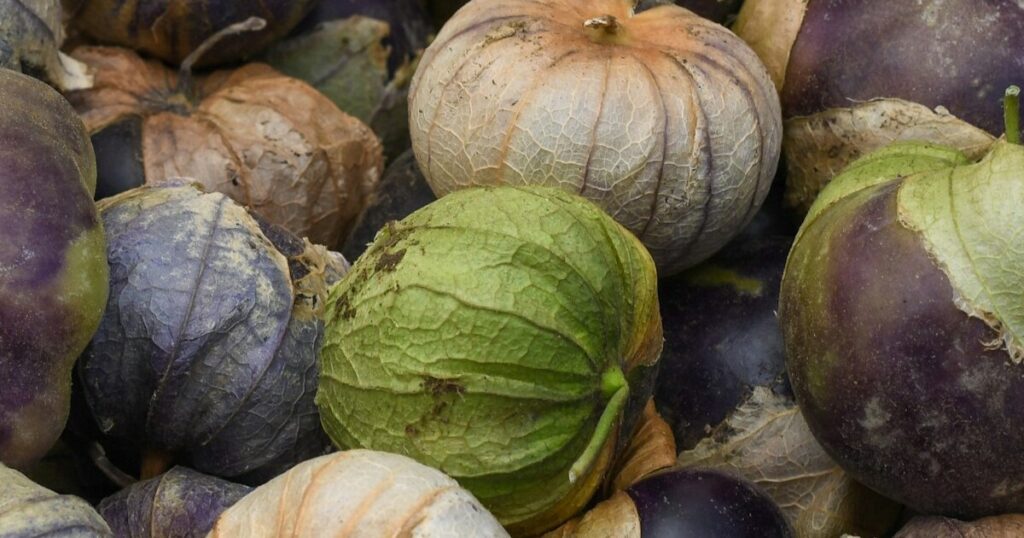
Tomatillos (Physalis philadelphica) bring a pop of citrusy tang to salsas and sauces, but they’re a bit more particular than their tomato cousins. Native to Mexico and Guatemala, these lantern-husked gems have been cultivated for centuries—and while they aren’t typically invasive in most home gardens, their habit of self-seeding can surprise the unwary grower! I’ve...
Tomatillos (Physalis philadelphica), those charming fruits encased in papery husks, hail from the highlands of Mexico and Central America, where they’ve been a staple in salsas and stews for centuries. When you grow them in your own garden, you’re inviting a piece of that vibrant culinary heritage into your backyard—and giving local wildlife a treat,...
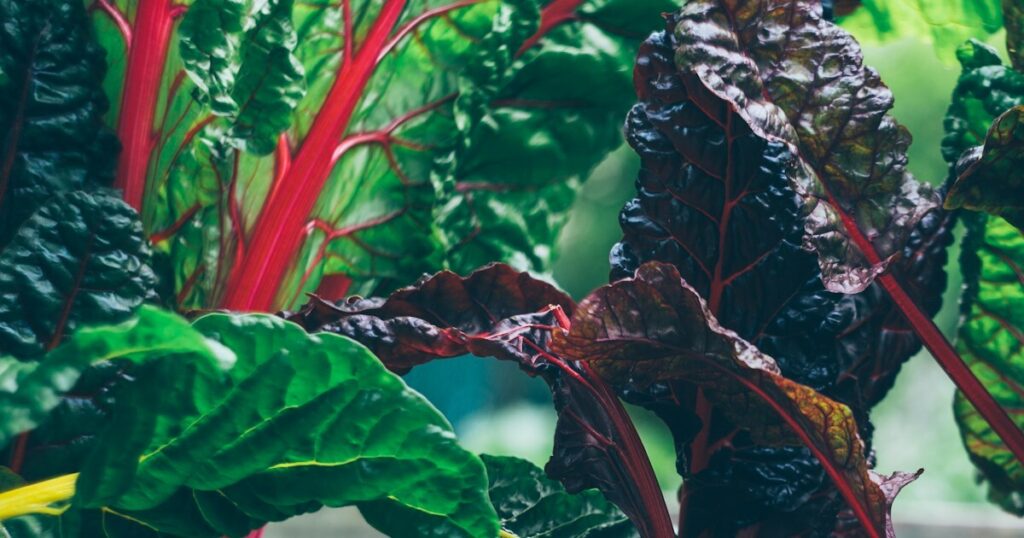
Growing Swiss chard (Beta vulgaris var. cicla), native to the Mediterranean, is one of my favorite ways to add lush greens—and a pop of color—to the vegetable patch. This hearty biennial, not considered invasive, will bounce back through multiple harvests if treated right. Yet it’s such a bummer when a few missteps leave your crop...
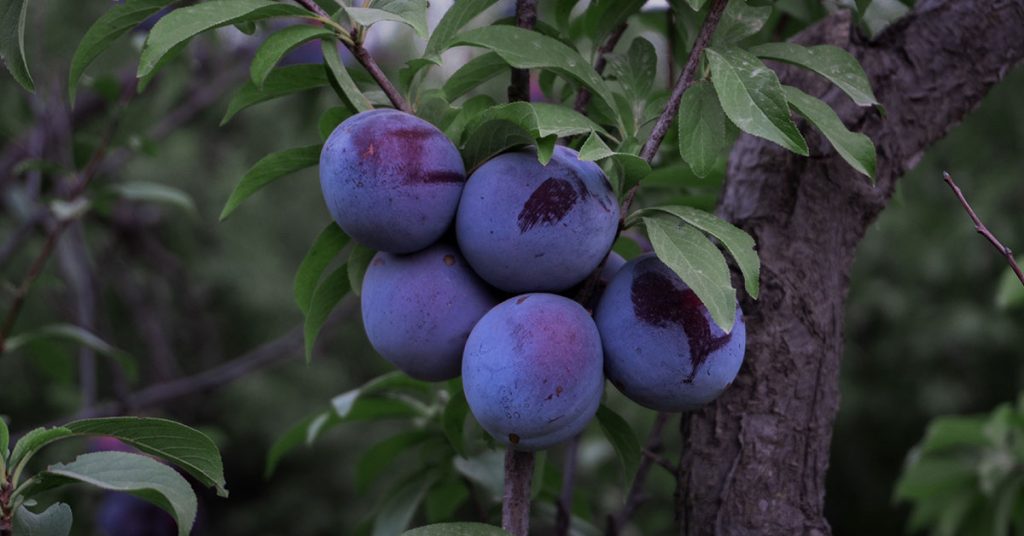
One of my favorite fruit trees to nurture is the plum (Prunus domestica), a species native to China and Central Asia that’s been delighting gardens across the world for centuries. From its delicate spring blossoms that tempt pollinating bees and early-nesting birds to its succulent summer fruit, a healthy plum tree is a true showstopper....
There’s nothing more disheartening than spending hours tending to your plants only to find them looking lackluster. Even the hardiest perennials—from native coneflowers that support local butterflies to vigorous invasives like Japanese knotweed—rely on a balanced soil diet to thrive. When the soil’s nutrients are depleted, plants signal distress in a dozen subtle and not-so-subtle...
One of my favorite plants to grow is the fig tree (Ficus carica), native to the sun-drenched Mediterranean and cherished for centuries for its sweet, pulpy fruits. Growing in a pot is fantastic for getting started—especially if you live where winters dip below freezing—but eventually your fig will outgrow its container. When you start noticing...
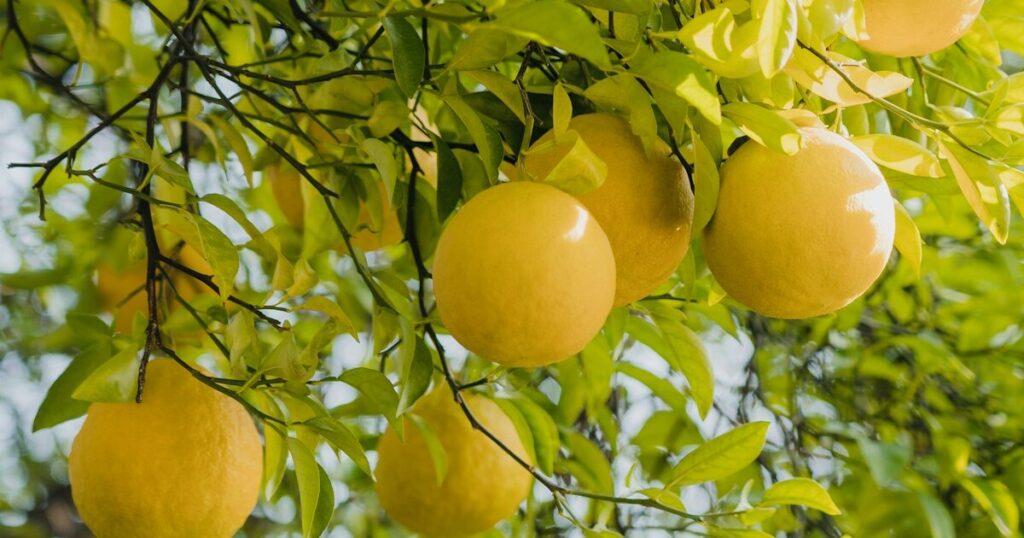
Grapefruits are such showstoppers in the citrus family—their bright, tangy flavor and impressive size feel like a gourmet treat straight from your own backyard! Yet, I know how deflating it is to watch blossoms set tiny fruit that never seem to swell, or to find half your crop dropped before ripening. Over the years, I’ve...
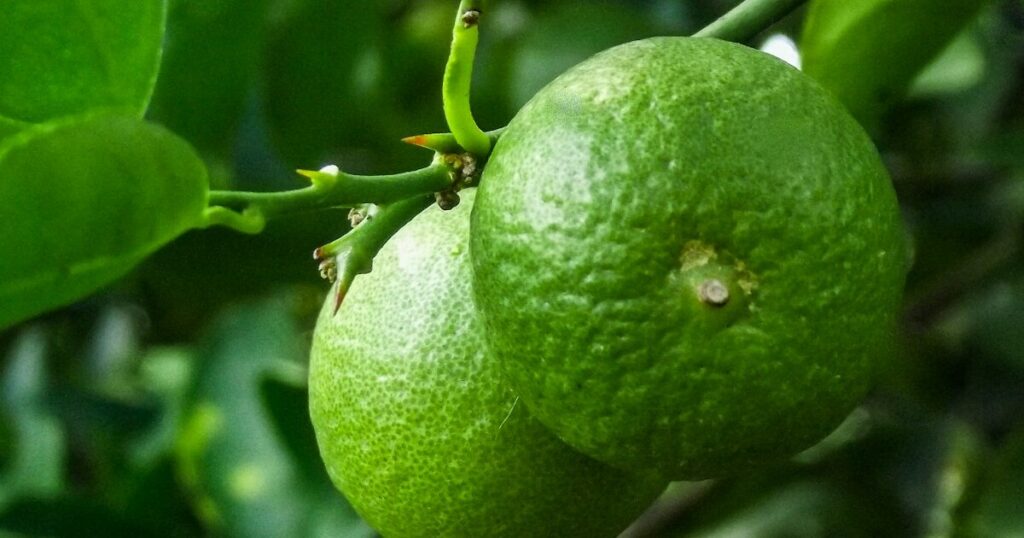
Limes are such a delight in the garden—those zesty fruits fresh off the branch can elevate any dish or cocktail to gourmet status! Yet, I know how frustrating it is when your lime tree flowers profusely but never sets fruit, or when tiny limes drop before they swell. Over the years, I’ve learned that growing...