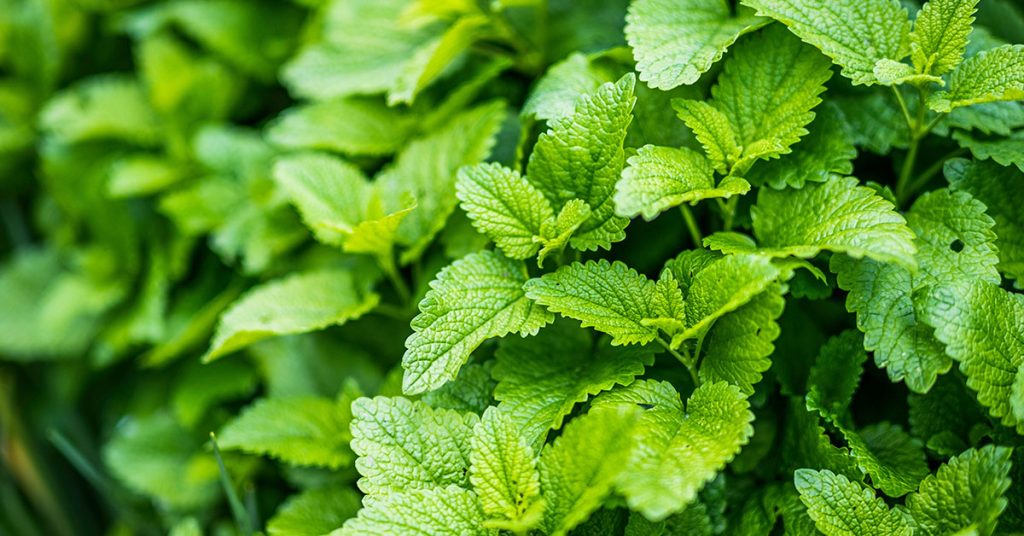
Welcome to the world of lemon balm (Melissa officinalis), a delightful mint family member native to the Mediterranean and western Asia. This cheerful herb has bright green, heart‑shaped leaves that perfume the air with a soft lemony zing—perfect for greeting guests as they approach your home. It’s not considered truly invasive in most gardens, but...
Herb Gardening
If you visit a market, you’ll probably see tons of products labeled as ‘organic.’ Everything from pizzas to burritos to bread. But how does all that organic stuff in the grocery store relate to organic gardening?
Truthfully, it doesn’t really. All that stuff, even if it’s organic, is still processed and a far cry from an organic garden.
Organic gardening is a practice that seeks to work with mother nature instead of against her, cultivating a garden ecosystem that bolsters your plants and reduces pest issues naturally.
Organic gardens are nearly always without any kind of synthetic chemical use, be it pesticides, herbicides, fungicides, or fertilizers. Organic gardeners use natural techniques to reduce common problems that gardens experience.
Organic gardeners often plant a diverse array of fruits, vegetables, and herbs. They also use natural solutions, like lady bugs and praying mantises, for getting rid of unwanted insect pests. The objective of a garden shouldn’t be to go scorched earth and destroy all pests, but to reduce their numbers enough that those beings can continue to survive and so can your garden. It’s the natural way to go about growing your own food.
The benefits of organic gardening speak for themselves. When you set up an organic garden, you do a lot of good for the environment and yourself. The fruits and vegetables you grow are healthier for the earth and for you too. And let’s face it, organic produce just seem to taste better than the conventionally grown stuff you find in the store!
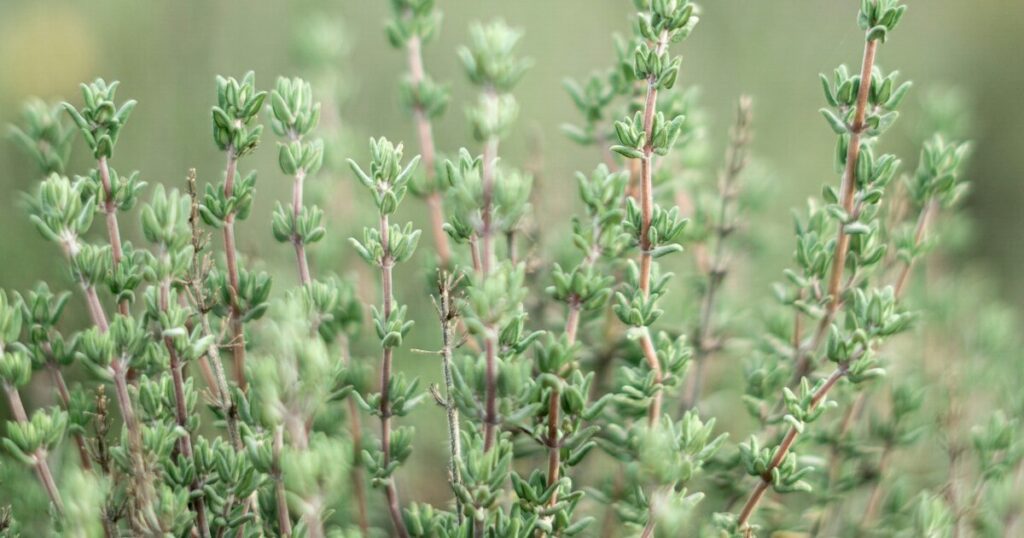
Imagine stepping up to your home and being greeted by a soft, herbal aroma that instantly lifts your mood—no more stale air or bland entryways! I know how uninspiring a plain stoop can feel after a long day, so planting thyme by your front door turns every arrival into a mini sensory retreat. As a...
Imagine stepping into a garden that not only dazzles the eyes but feeds your belly and nourishes your soul—right in your backyard! I know how frustrating it is to wander grocery aisles searching for elusive wild flavors, so creating a dedicated forager’s paradise brings those tastes home. As a gardener who’s spent seasons nurturing both...
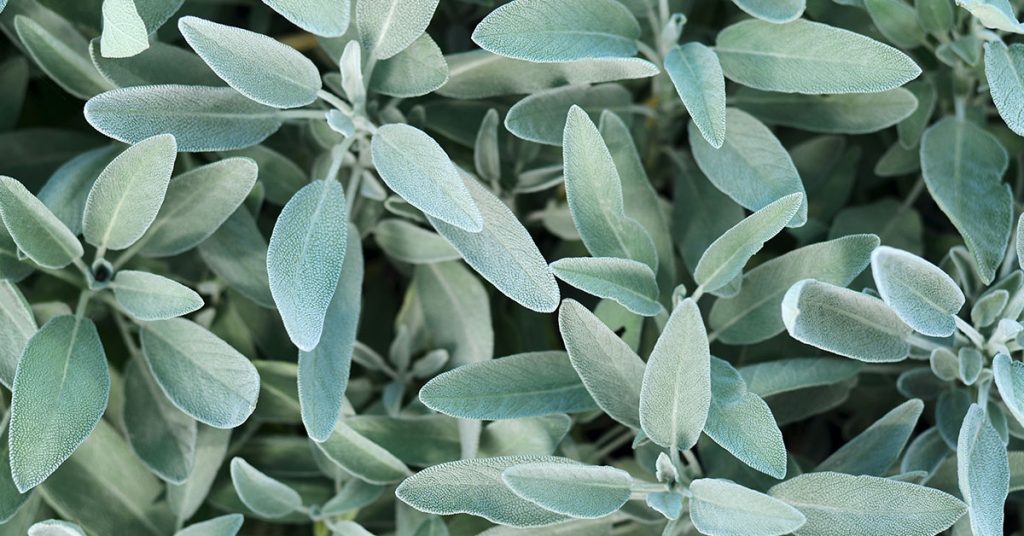
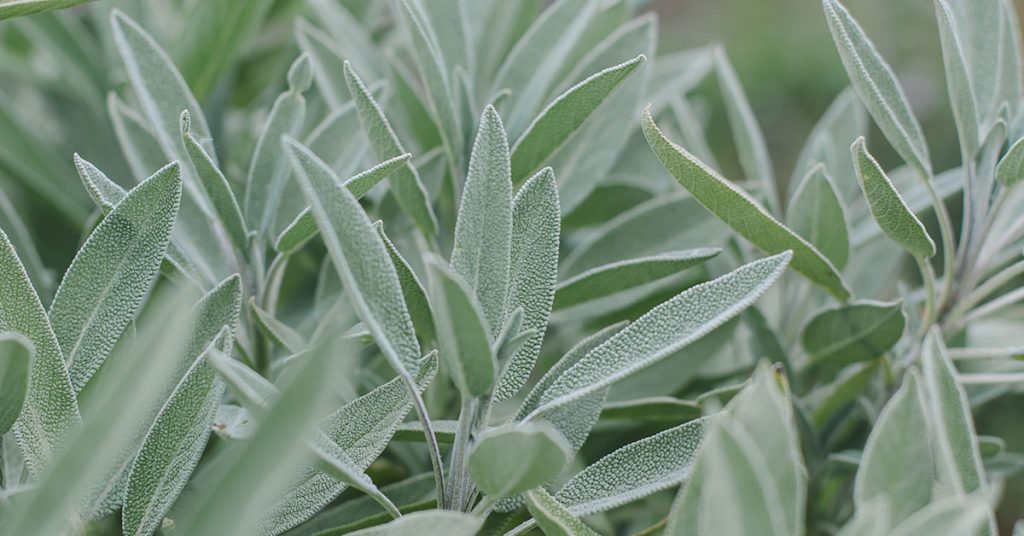
Sage (Salvia officinalis) is a culinary superstar and ornamental stunner native to the sun‑baked hills of the Mediterranean. I know how exciting it is to plant those silvery leaves in your garden, dreaming of fragrant harvests! Yet, it’s such a bummer when sage stays leggy, sulks in damp soil, or falls prey to pests before...
Sage (Salvia officinalis) is one of my favorite herbs to cultivate—there’s nothing quite like the sight of those silvery-green leaves catching the afternoon sun! Yet, it can be so disappointing when your sage plants remain leggy or sparse instead of forming those lush, bushy clumps you’ve envisioned. Whether you’ve wrestled with root rot in heavy...
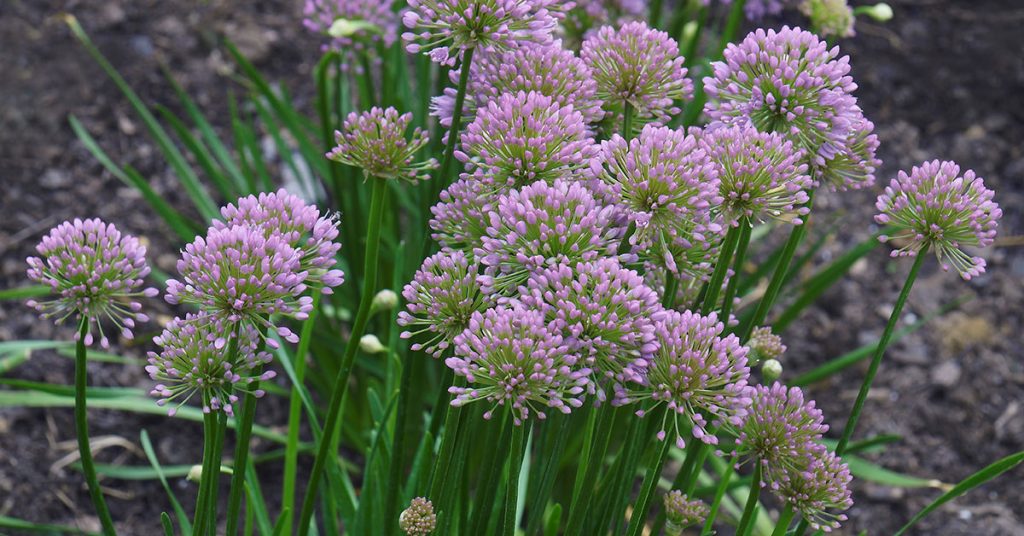
Starting a patch of chives (Allium schoenoprasum) is such a thrill—those slender, tubular leaves and their lavender blooms are a delight in the herb garden! Native to Europe and parts of Asia, chives have naturalized in many temperate areas, but they’re not considered invasive in most home gardens. Their flowers attract bees, hoverflies, and butterflies,...
It’s such a bummer when your carefully tended beds get nibbled by deer or tunneled by voles—after all that love and labor, you deserve a thriving garden, not half-eaten foliage and hollowed-out roots! I know how frustrating it is to watch seedlings disappear overnight or see holes appear where your bulbs once were. Fortunately, the...
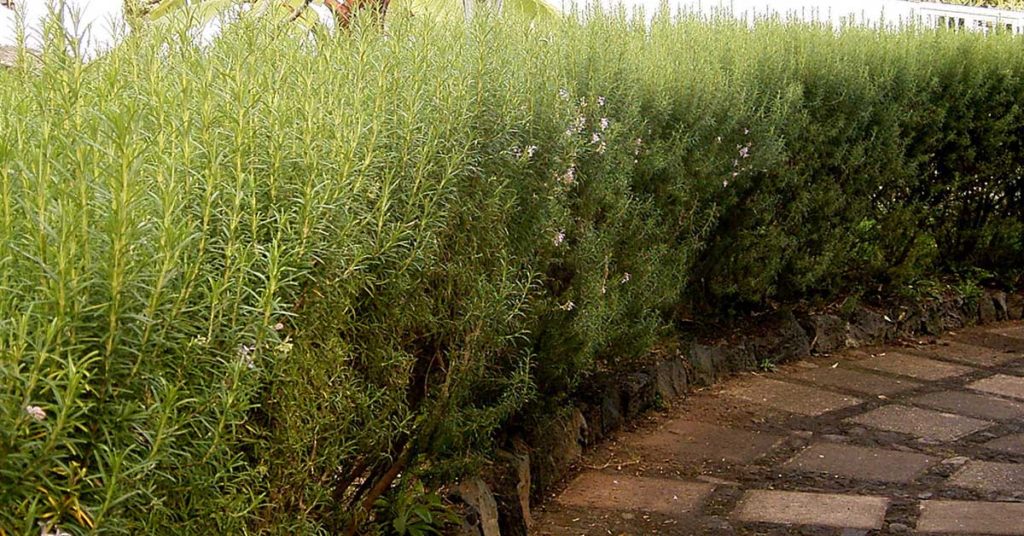
I’m thrilled to share these twelve essential tips for cultivating lush, towering rosemary hedges that will infuse your garden with fragrant beauty! Native to the sun-baked scrublands of the Mediterranean, Rosmarinus officinalis evolved to cling to rocky soil, enduring heat and drought while rewarding passing pollinators—like solitary bees and hoverflies—with nectar-rich blooms. I know how...
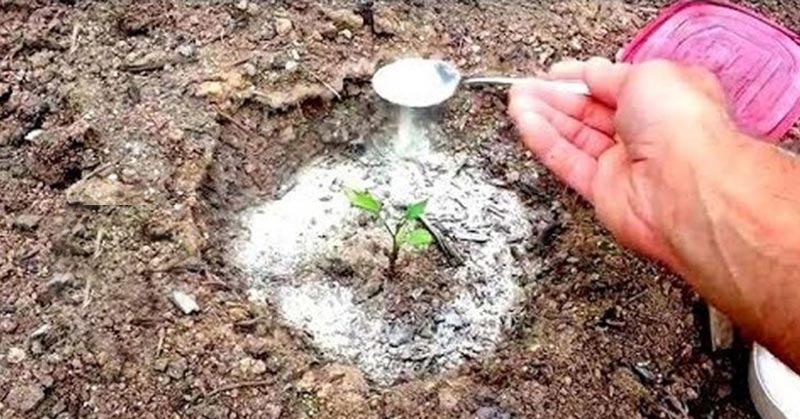
I’m so excited to dive into the surprising ways a humble box of baking soda can be your secret weapon in the garden! Sodium bicarbonate isn’t just for baking cookies—it’s a gentle fungicide that helps control powdery mildew, a soil amendment that can nudge pH upward for certain acid-sensitive blooms, and even a slug-repellent barrier...
I’m so excited you’re considering parsley (Petroselinum crispum) for that prime spot by your front door! Native to the central Mediterranean region, parsley has been cultivated for millennia, cherished not just for its bright flavor but also for its ability to attract beneficial insects like ladybugs and hoverflies—those little garden heroes that feast on aphids...
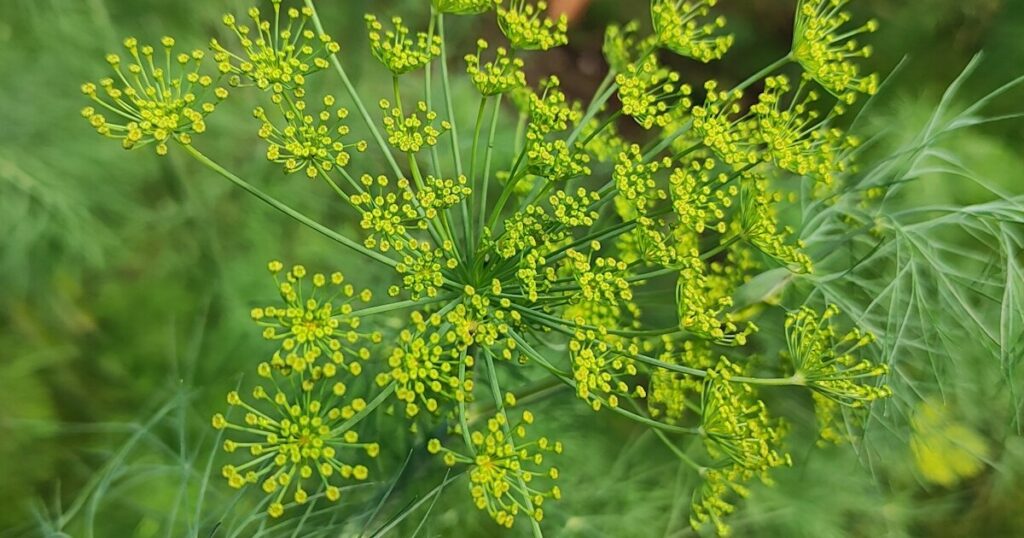
I can’t wait to share these delightful companions that thrive alongside dill! Dill (Anethum graveolens) is not only a culinary superstar but also a magnet for beneficial insects like ladybugs, lacewings, and parasitic wasps. Its feathery foliage creates inviting shelter for predatory insects that keep pests in check, and its umbrella-like flower heads provide nectar...
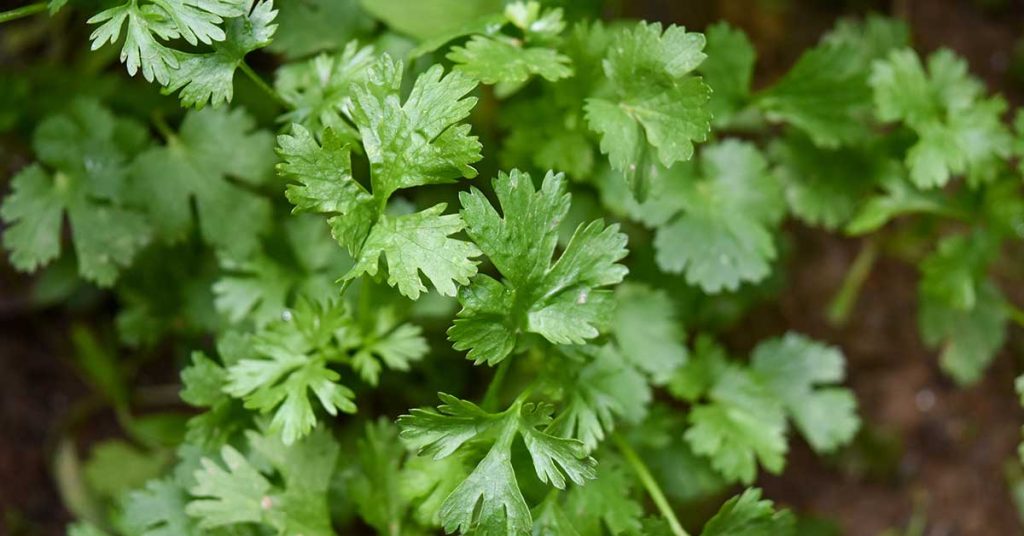
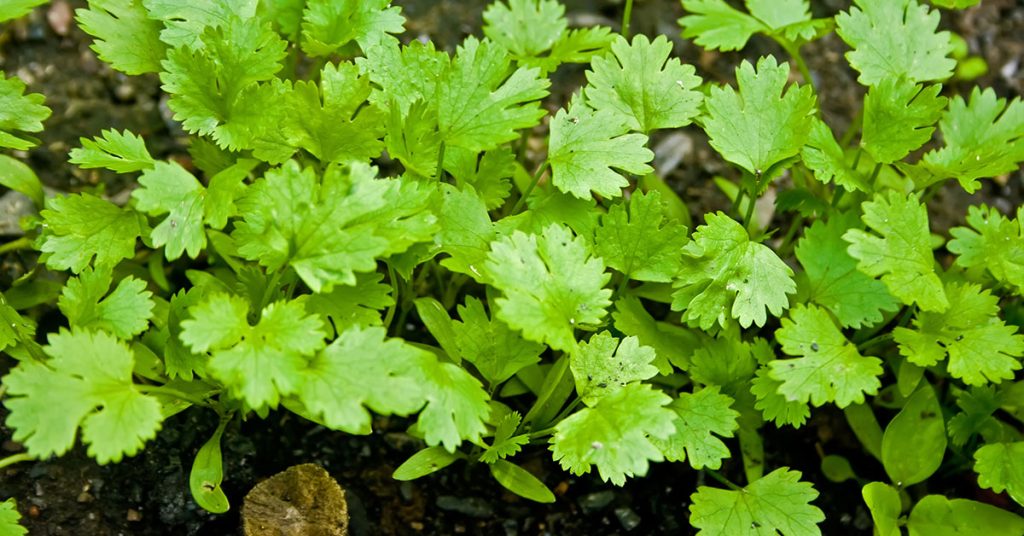
Growing cilantro (Coriandrum sativum), native to the Mediterranean and southwestern Asia, can feel like catching lightning in a bottle—one minute you have tender, lacy leaves, the next it surges into bloom! While cilantro isn’t truly invasive, it self-seeds readily, popping up in spots long after you’ve forgotten where you planted it. I’ve learned the hard...