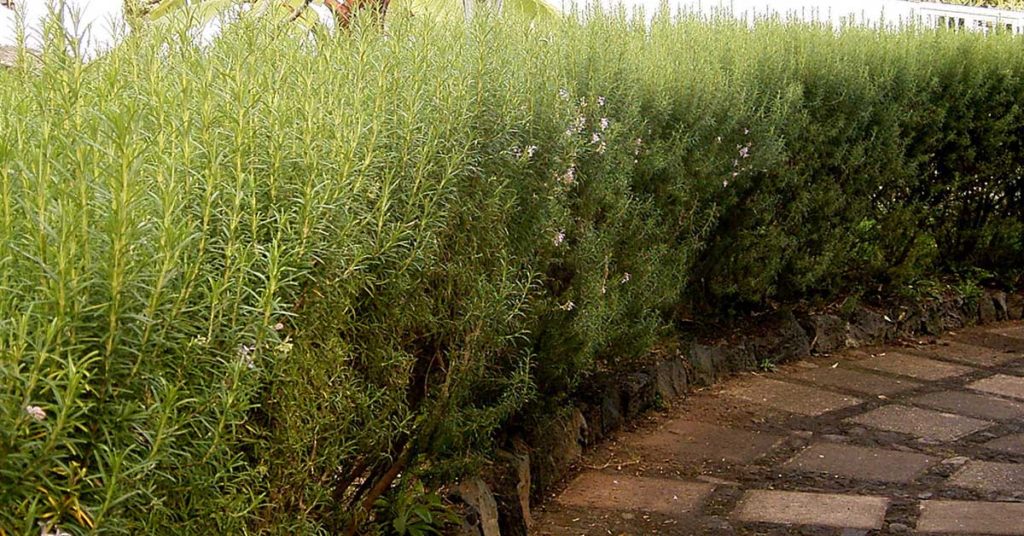
I’m thrilled to share these twelve essential tips for cultivating lush, towering rosemary hedges that will infuse your garden with fragrant beauty! Native to the sun-baked scrublands of the Mediterranean, Rosmarinus officinalis evolved to cling to rocky soil, enduring heat and drought while rewarding passing pollinators—like solitary bees and hoverflies—with nectar-rich blooms. I know how...
Herb Gardening
If you visit a market, you’ll probably see tons of products labeled as ‘organic.’ Everything from pizzas to burritos to bread. But how does all that organic stuff in the grocery store relate to organic gardening?
Truthfully, it doesn’t really. All that stuff, even if it’s organic, is still processed and a far cry from an organic garden.
Organic gardening is a practice that seeks to work with mother nature instead of against her, cultivating a garden ecosystem that bolsters your plants and reduces pest issues naturally.
Organic gardens are nearly always without any kind of synthetic chemical use, be it pesticides, herbicides, fungicides, or fertilizers. Organic gardeners use natural techniques to reduce common problems that gardens experience.
Organic gardeners often plant a diverse array of fruits, vegetables, and herbs. They also use natural solutions, like lady bugs and praying mantises, for getting rid of unwanted insect pests. The objective of a garden shouldn’t be to go scorched earth and destroy all pests, but to reduce their numbers enough that those beings can continue to survive and so can your garden. It’s the natural way to go about growing your own food.
The benefits of organic gardening speak for themselves. When you set up an organic garden, you do a lot of good for the environment and yourself. The fruits and vegetables you grow are healthier for the earth and for you too. And let’s face it, organic produce just seem to taste better than the conventionally grown stuff you find in the store!
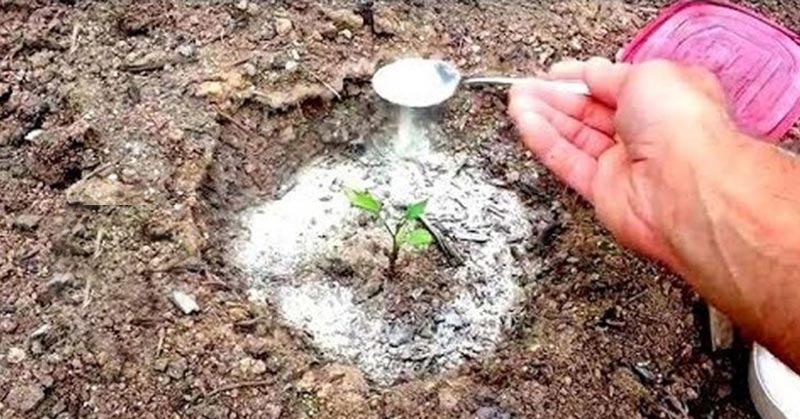
I’m so excited to dive into the surprising ways a humble box of baking soda can be your secret weapon in the garden! Sodium bicarbonate isn’t just for baking cookies—it’s a gentle fungicide that helps control powdery mildew, a soil amendment that can nudge pH upward for certain acid-sensitive blooms, and even a slug-repellent barrier...
I’m so excited you’re considering parsley (Petroselinum crispum) for that prime spot by your front door! Native to the central Mediterranean region, parsley has been cultivated for millennia, cherished not just for its bright flavor but also for its ability to attract beneficial insects like ladybugs and hoverflies—those little garden heroes that feast on aphids...
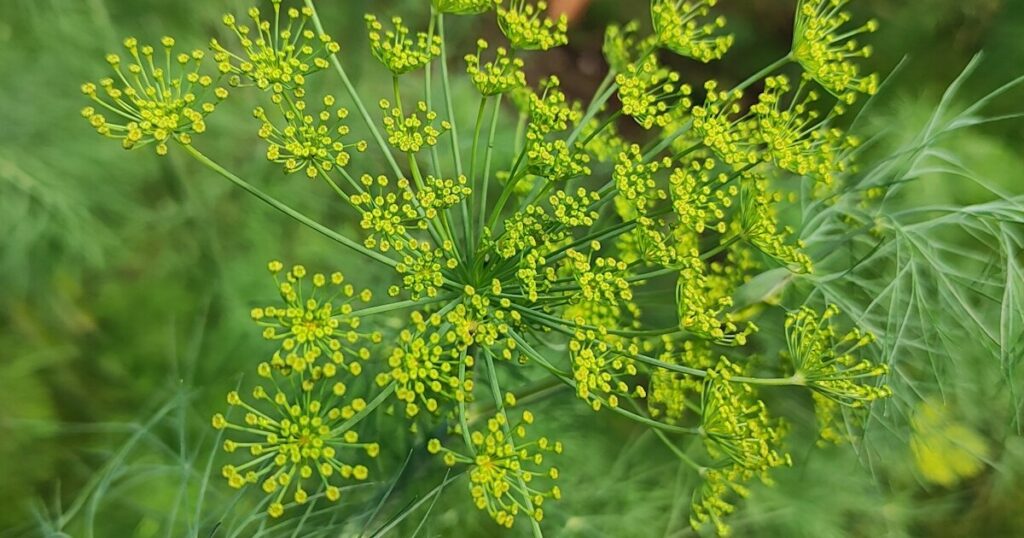
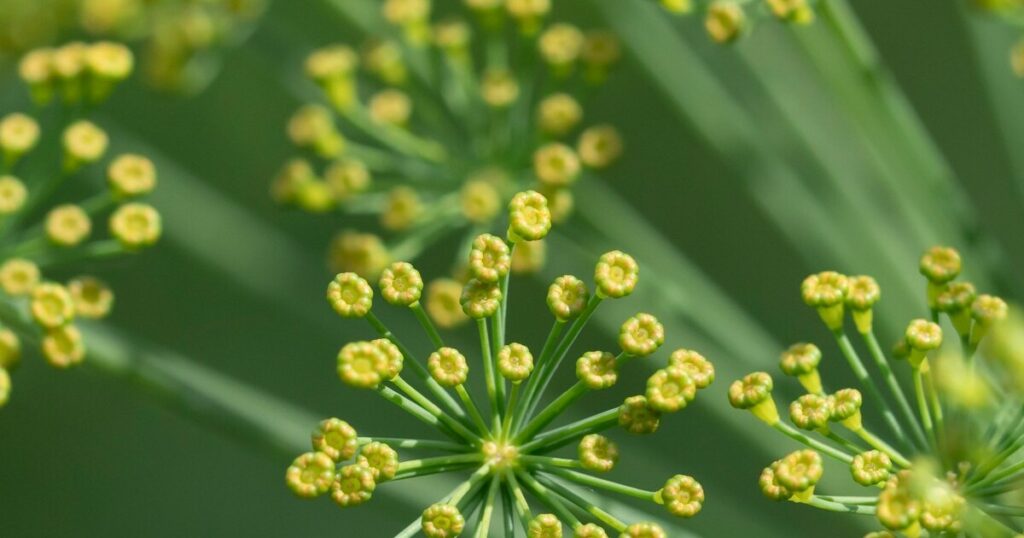
I can’t wait to share these delightful companions that thrive alongside dill! Dill (Anethum graveolens) is not only a culinary superstar but also a magnet for beneficial insects like ladybugs, lacewings, and parasitic wasps. Its feathery foliage creates inviting shelter for predatory insects that keep pests in check, and its umbrella-like flower heads provide nectar...
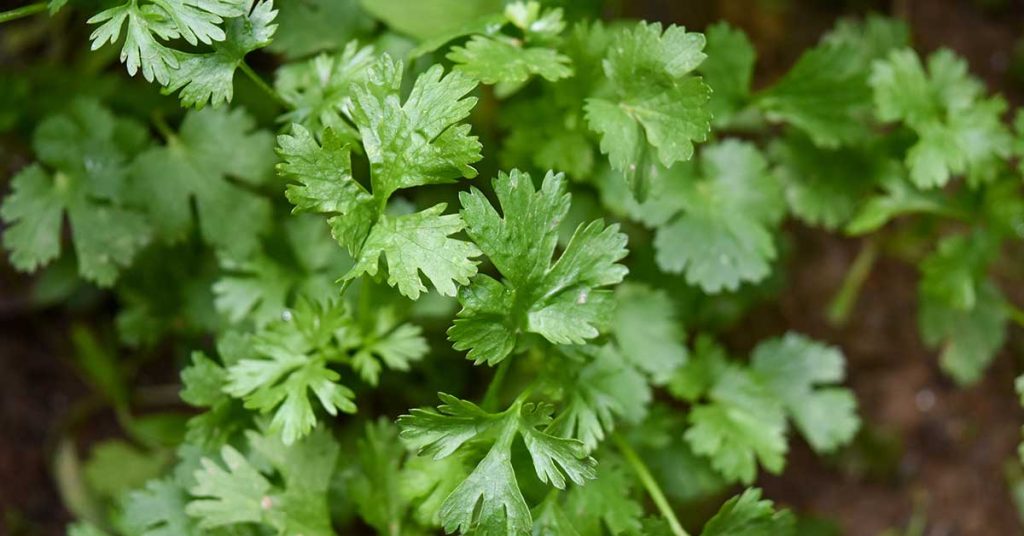
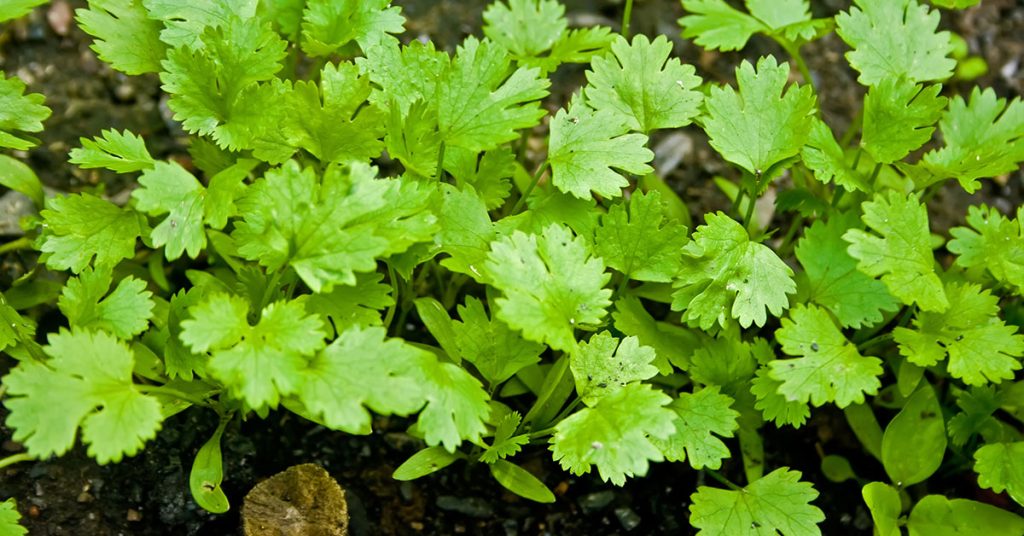
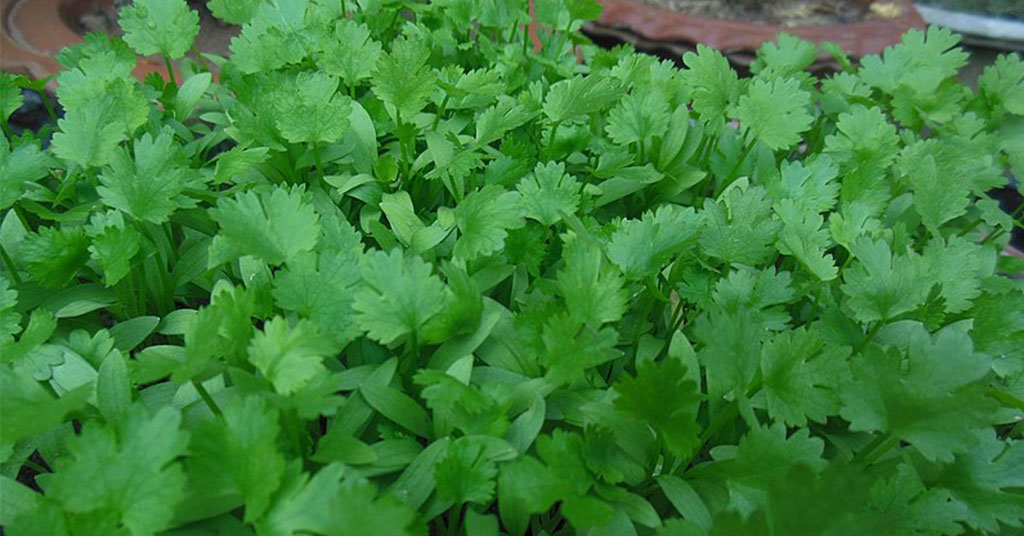
Growing cilantro (Coriandrum sativum), native to the Mediterranean and southwestern Asia, can feel like catching lightning in a bottle—one minute you have tender, lacy leaves, the next it surges into bloom! While cilantro isn’t truly invasive, it self-seeds readily, popping up in spots long after you’ve forgotten where you planted it. I’ve learned the hard...
Nothing beats the welcome of fresh herbs greeting you at the threshold—imagine snipping fragrant basil for dinner or brushing past mint leaves that release a cool, uplifting scent! Placing herbs by your front door not only offers kitchen convenience but also creates a sensory delight for visitors and passersby. Plus, many herbs are magnets for...
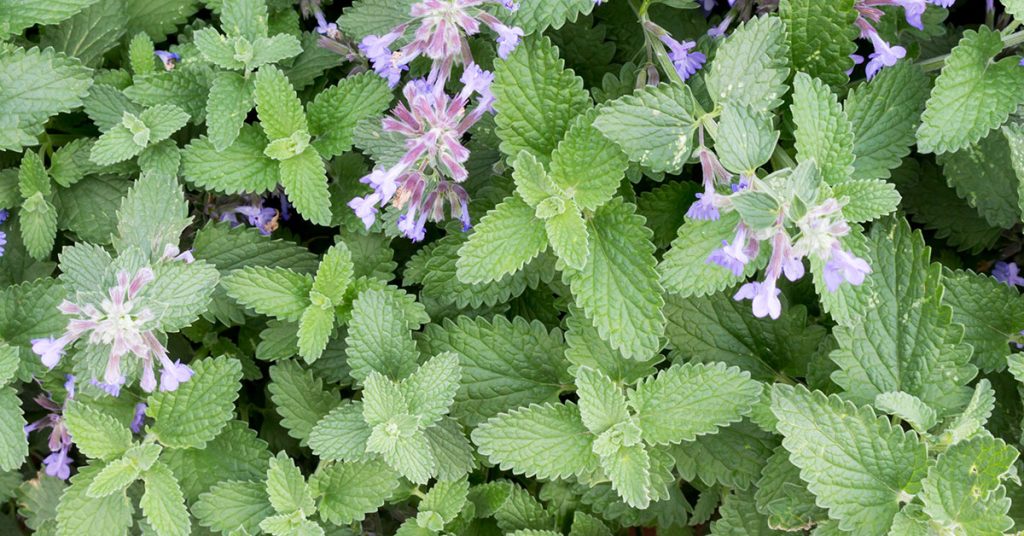
Catnip (Nepeta cataria) is one of my all-time favorite herbs to grow—not only because it drives our resident kitties wild, but also because its delicate lavender blooms attract a host of beneficial pollinators! Native to Europe and parts of Asia, catnip has naturalized widely in North America and can become invasive if left unchecked. But...
Mint is one of those plants that seems so easy to grow—until it’s not. I’ve seen new gardeners get frustrated because their mint suddenly goes wild, dies off, or refuses to thrive despite their best intentions. Whether you’re dreaming of mint tea, mojitos, or just a fragrant border to your herb garden, it helps to...
If there’s one plant I’ll always make room for near my entryway, it’s borage. There’s just something magical about those bright blue, star-shaped flowers popping up as you come and go—they give off an old-world cottage garden charm while quietly doing some serious work in the garden. Whether you’re looking for a pollinator magnet, a...
Cilantro is one of those herbs that stirs up strong opinions in the kitchen—but in the garden? It’s a universal winner. Whether you’re growing it for its fragrant leaves or its spicy coriander seeds, cilantro (Coriandrum sativum) pulls double duty as a companion plant. It doesn’t just quietly coexist—it actively improves its neighbors’ lives! I...
Parsley is such a powerhouse in the garden. Not only does it make meals sing with freshness, but it’s also a secret ally to many of your favorite vegetables. If you’ve ever struggled with aphids, poor pollination, or bland plantings, parsley can come to the rescue—not just as a garnish but as a brilliant companion...
There’s something incredibly satisfying about stepping onto your patio, pinching off a few fresh herb leaves, and tossing them straight into a meal or cup of tea. Whether you’re working with a big backyard or a small balcony, herbs are some of the most rewarding—and forgiving—plants you can grow. Plus, they offer so much more...