Growing African blue basil (Ocimum kilimandscharicum × basilicum ‘Dark Opal’) can be a rewarding experience for gardeners looking to add a unique and visually striking herb to their gardens. This herb is best grown in warm and frost-free climates, typically suited for USDA hardiness zones 9-11. It requires a location with full sun or partial...
Herb Gardening
If you visit a market, you’ll probably see tons of products labeled as ‘organic.’ Everything from pizzas to burritos to bread. But how does all that organic stuff in the grocery store relate to organic gardening?
Truthfully, it doesn’t really. All that stuff, even if it’s organic, is still processed and a far cry from an organic garden.
Organic gardening is a practice that seeks to work with mother nature instead of against her, cultivating a garden ecosystem that bolsters your plants and reduces pest issues naturally.
Organic gardens are nearly always without any kind of synthetic chemical use, be it pesticides, herbicides, fungicides, or fertilizers. Organic gardeners use natural techniques to reduce common problems that gardens experience.
Organic gardeners often plant a diverse array of fruits, vegetables, and herbs. They also use natural solutions, like lady bugs and praying mantises, for getting rid of unwanted insect pests. The objective of a garden shouldn’t be to go scorched earth and destroy all pests, but to reduce their numbers enough that those beings can continue to survive and so can your garden. It’s the natural way to go about growing your own food.
The benefits of organic gardening speak for themselves. When you set up an organic garden, you do a lot of good for the environment and yourself. The fruits and vegetables you grow are healthier for the earth and for you too. And let’s face it, organic produce just seem to taste better than the conventionally grown stuff you find in the store!
Growing perennial herbs in Zone 10 offers an exciting opportunity to cultivate a diverse and vibrant herb garden that can thrive in the warm and favorable conditions of this climate. With a wide range of options to choose from, such as aromatic rosemary, versatile mint, and fragrant lavender, gardeners in Zone 10 can enjoy a...
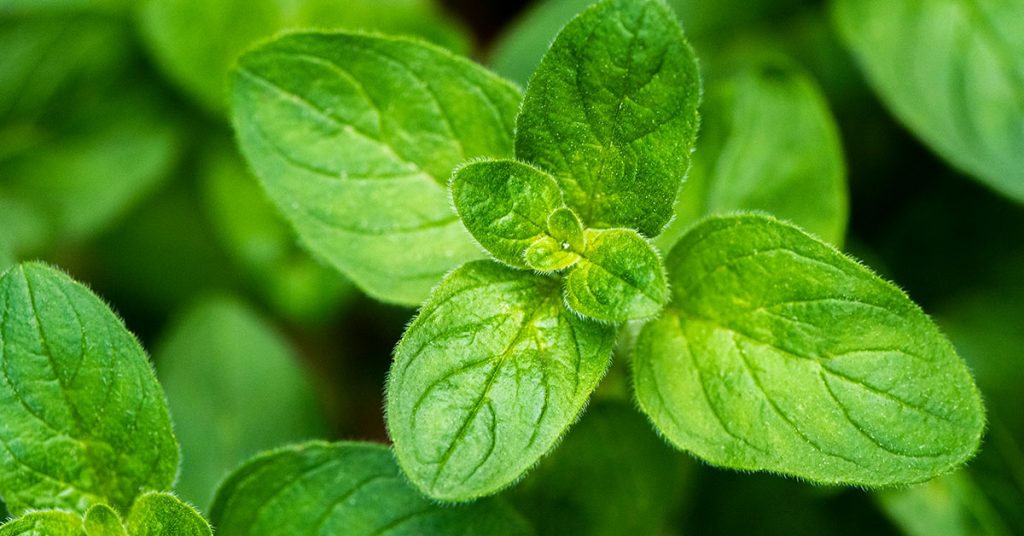
Marjoram (Origanum majorana) is a delightful herb that boasts a fragrant aroma and a delicate, slightly sweet flavor. With its versatility in the kitchen and its ornamental appeal, marjoram is a favorite among herb enthusiasts. In this comprehensive guide, we will explore the cultivation, care, and utilization of marjoram, including its ideal hardiness zones, flavor...
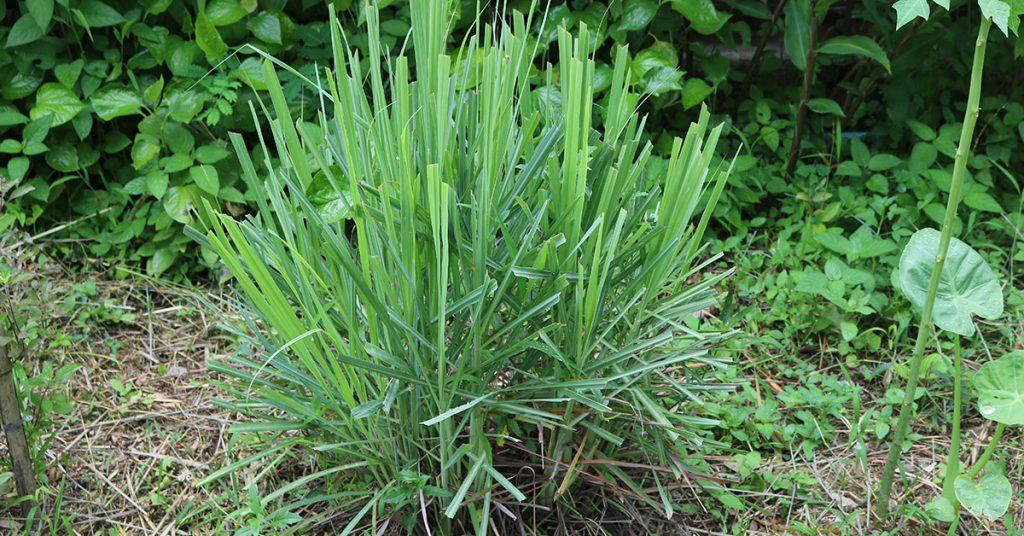
Lemongrass (Cymbopogon citratus) is a versatile and aromatic herb commonly used in culinary, medicinal, and landscaping applications. With its citrusy fragrance and refreshing taste, lemongrass adds a delightful touch to various dishes, teas, and even homemade beauty products. In this comprehensive guide, we will explore the cultivation, care, and utilization of this herb, including its...
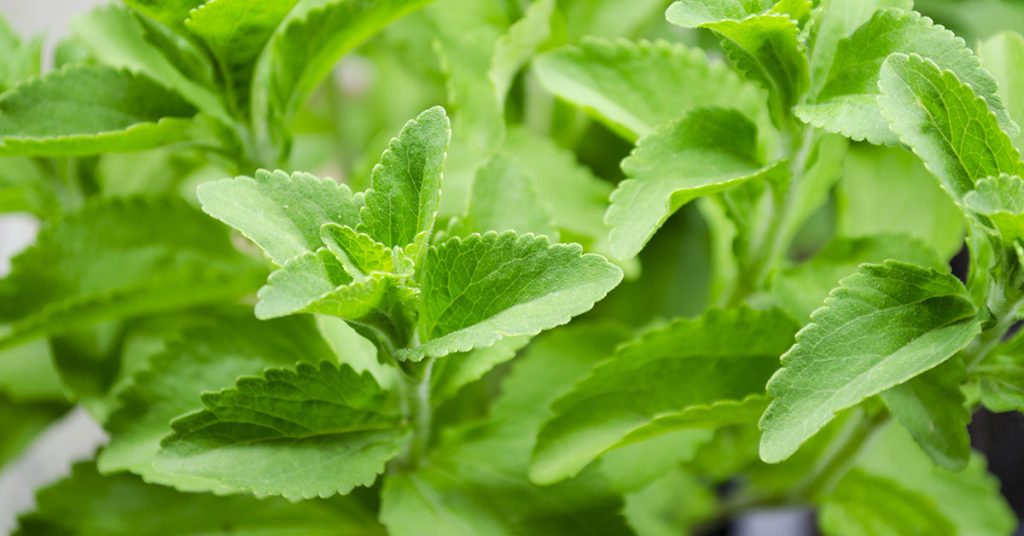
Stevia, scientifically known as Stevia rebaudiana, is a remarkable plant that has gained popularity as a natural sweetener and sugar substitute. Originating from South America, stevia has been used for centuries by indigenous communities to sweeten beverages and treat various ailments. With its intense sweetness and negligible calories, stevia has become an appealing option for...
Growing perennial herbs in Zone 9 is a delight for gardeners, thanks to the warm climate that fosters the thriving growth of a wide variety of herbs. The favorable conditions make it relatively easy to cultivate and maintain perennial herbs just about year-round. With mild winters and hot summers, many perennial herbs can establish themselves...
Growing perennial herbs in Zone 8 offers a rewarding experience for gardeners, as the region’s mild winters and warm summers create a favorable environment for a variety of these versatile plants. From culinary staples like rosemary and thyme to fragrant ornamentals like lavender and medicinal herbs such as echinacea, Zone 8 gardens can accommodate an...
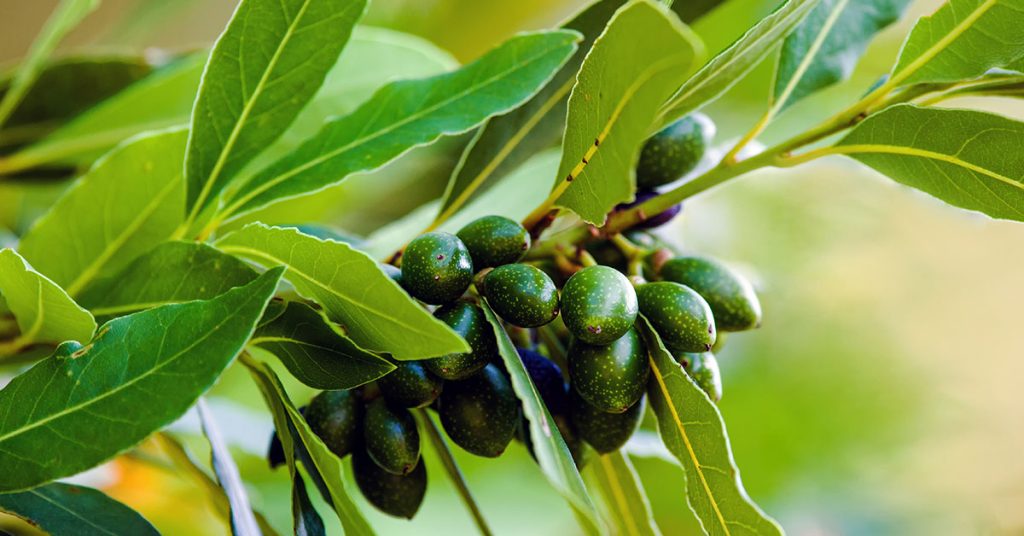
Bay laurel (Laurus nobilis) is a small, evergreen tree that is native to the Mediterranean region. It is a member of the Laurel family (Lauraceae), and its leaves are widely used as a culinary herb in Mediterranean cuisine, particularly in French and Italian cooking. Bay laurel has a rich history, with mentions in Greek and...
The mild winters and overall temperate climate make growing perennial herbs in zone 7 a total breeze. You’re also fortunate enough to have a pretty wide variety of herbs that will continue to come back y ear after year. In this article, we’ll explore the top perennial herbs that thrive in Zone 7 and provide...
Growing perennial herbs in Zone 6 offers a diverse range of options for gardeners looking to add both culinary and medicinal plants to their landscape. With a climate that typically experiences cold winters and moderate summers, Zone 6 provides the ideal environment for many hardy perennial herbs to thrive. To ensure success, it’s important to...
Zone 5 offers a suitable environment for growing a wide variety of perennial herbs, despite the moderately cold winters with minimum temperatures ranging from -20 to -10 degrees Fahrenheit (-29 to -23 degrees Celsius). Growing perennial herbs in zone 5 is quite possible! By selecting cold-hardy plant species and cultivars, gardeners can establish a thriving...
Zone 4 is known for its cold winters and relatively short growing seasons, which can pose challenges for gardeners seeking to cultivate perennial herbs. However, with proper care and plant selection, it is entirely possible to grow perennial herbs in zone 4. By choosing cold-hardy perennial herbs that can withstand the low temperatures of zone...