Daffodil bulbs are an excellent choice for gardeners in Wisconsin. They are hardy, dependable, and easy to grow. Daffodils are available in a wide variety of colors and heights, so you can create a spectacular display in your garden. Planting daffodil bulbs in the fall will provide you with an early spring show of cheerful...
Gardening Tips
Having a garden is a key aspect of a sustainable lifestyle. When you go to the grocery store to buy produce like fruits and vegetables, as well as eggs, each of those items comes with a carbon footprint and other environmental complications. Unfortunately, a lot of industrial-level farming practices aren’t good for the environment and they aren’t sustainable either. Growing your own fruits and vegetables reduces the negative impact that industrial farming has.
We are strong proponents of living a sustainable lifestyle, both by having a garden and by making environmentally friendly choices that put you on a more sustainable path. That includes using less single-use plastic, conserving energy and water, gardening using organic methods, avoiding synthetic chemicals inside and outside of the home, driving less, living off the grid, and other sustainable efforts.
Sustainable living isn’t just good for the planet but it’s good for you too. Often times, living sustainably means simplifying your life – you get more out of life with less. Sustainable living helps avoid unnecessary consumerism, save money, save the earth, and save your sanity all along the way.
Our gardening tips will help guide you to a greener lifestyle that benefits the planet, your pocket, your community, and yourself too. If all of us did just a little bit to be more sustainable, we could have a massive positive impact and change our world.
So let’s explore these gardening tips together and work toward a greener future for our kids and grandkids.
In the verdant realms of our backyards and gardens, there’s a silent battle taking place. It’s a clash not of swords, but of roots and leaves, a war waged by invasive plants against native flora. These seemingly innocent invaders, often chosen for their aesthetic appeal or hardy nature, can swiftly overrun landscapes, crowding out native...
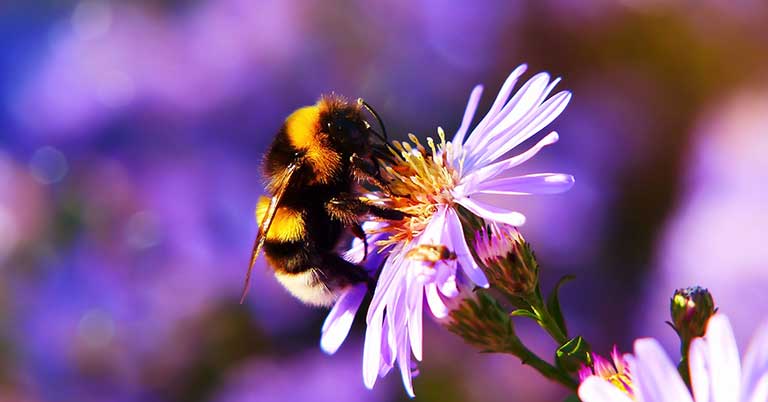
There’s something special about the break of dawn, when the first light touches your backyard and you can hear the faint buzz of life waking up. See, it’s not just the birds and the squirrels out there. Those buzzing sounds? Those are some of the countless pollinators native to North America. We’re talking bees, butterflies,...
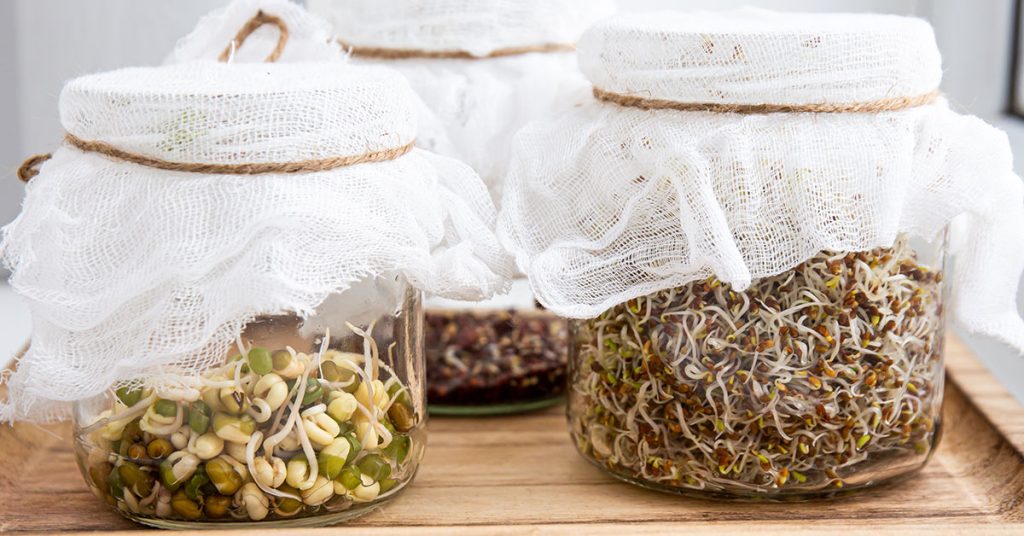
Growing sprouts in a jar is a simple and convenient way to enjoy fresh and healthy sprouts at home. Sprouts are packed with vitamins, minerals, and enzymes that provide numerous health benefits, making them a popular addition to salads, sandwiches, and other dishes. Growing sprouts in a jar requires minimal equipment and can be done...
Finding a good gardening forum can be a little bit tricky. A lot of the time, these forums are seldom used and are filled with unvetted information. This is one of the reasons why I like to turn to Reddit forums, called “subreddits,” for information, discussion, and inspiration. Subreddits have the advantage of the upvote/downvote...
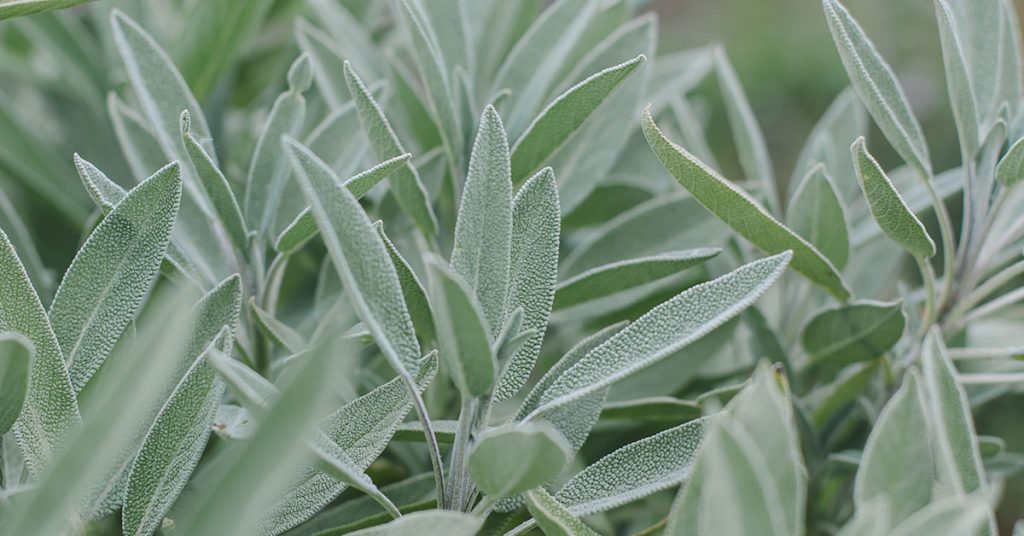
Zone 5 offers a suitable environment for growing a wide variety of perennial herbs, despite the moderately cold winters with minimum temperatures ranging from -20 to -10 degrees Fahrenheit (-29 to -23 degrees Celsius). Growing perennial herbs in zone 5 is quite possible! By selecting cold-hardy plant species and cultivars, gardeners can establish a thriving...
Zone 4 is known for its cold winters and relatively short growing seasons, which can pose challenges for gardeners seeking to cultivate perennial herbs. However, with proper care and plant selection, it is entirely possible to grow perennial herbs in zone 4. By choosing cold-hardy perennial herbs that can withstand the low temperatures of zone...
Growing perennial herbs in zone 3 presents both advantages and challenges for gardeners. On the positive side, the cold-hardy perennial herbs that thrive in this zone often require less maintenance and watering than their annual counterparts, and they can provide a consistent supply of fresh herbs year after year. On the other hand, zone 3’s...
Growing perennial herbs in zone 2 is hard – there really is no sugarcoating it. The region’s severe climate is characterized by very cold winters, short growing seasons, and the possibility of poor soil quality. The survival of perennial herbs in this inhospitable environment is not guaranteed, as only a limited number of cold-hardy species...
Growing perennial herbs in zone 1 is a challenging endeavor due to the harsh climate conditions, marked by extremely cold temperatures, short growing seasons, and often poor soil quality. The survival of perennial herbs in such an inhospitable environment is uncertain, as they may or may not be able to withstand the frigid conditions. Gardeners...
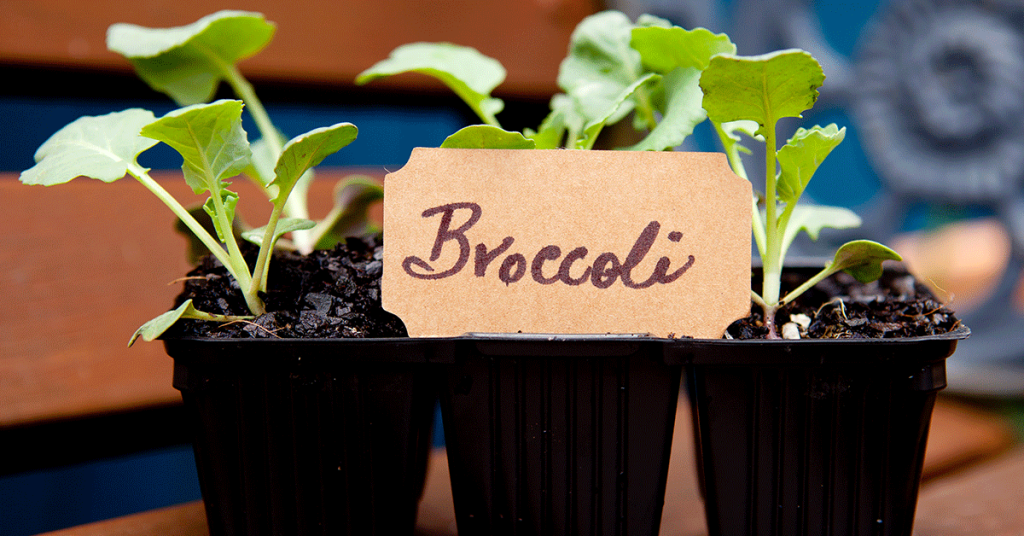
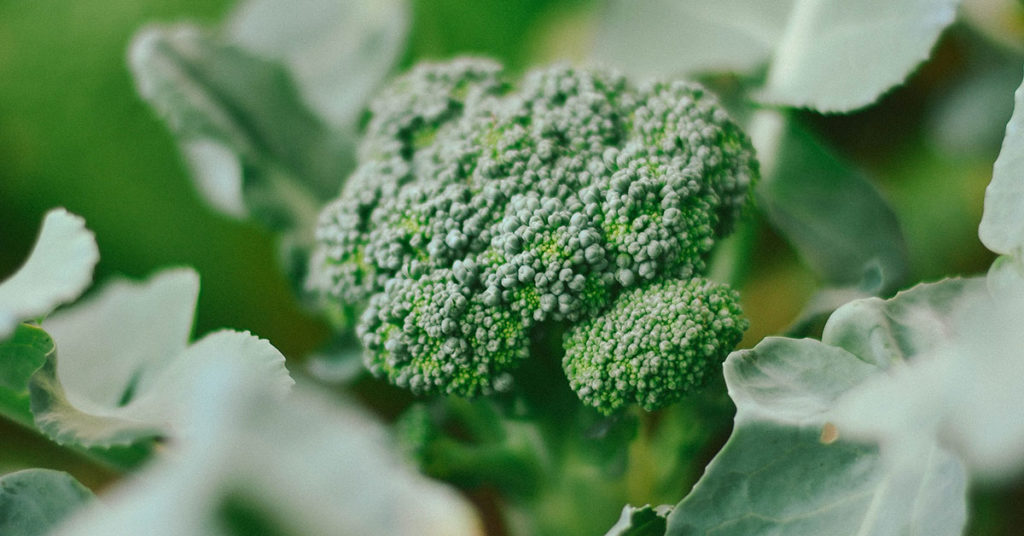
Growing broccoli in Rhode Island can be a rewarding experience. With the right climate, soil, and knowledge of how to care for the plant, you can enjoy a delicious harvest. Rhode Island’s mild climate and plentiful rainfall provide an excellent environment for growing broccoli. The soil in Rhode Island is generally well-drained and rich in...
Growing broccoli in Connecticut can be a rewarding experience. As the state’s climate is ideally suited for growing this nutritious vegetable. The mild winters and hot summers, along with adequate rainfall, provide the ideal environment for growing broccoli. Connecticut’s soil is also ideal for growing vegetables, as it is rich in nutrients and well-drained. With...