

Watching young seedlings emerge in the spring is one of the greatest joys of gardening—until you spot telltale signs of slimy invaders. Native to Europe but now widespread (and invasive) in many regions, slugs feed on a wide variety of plants, from tender basil (Ocimum basilicum, native to India) to ornamental hostas (native to northeast Asia). It’s such a bummer when these nocturnal nibblers turn your lush beds into a ghost town of ragged foliage!
I know how frustrating it is to wake up and find your carefully tended vegetables peppered with holes—or worse, completely stripped at ground level. As a gardener who’s battled slug invasions, I’m excited to share nine unmistakable warning signals. By recognizing these cues early—like silvery slime trails or flattened hiding spots—you can take swift action, protect your favorite plants, and restore harmony to your beds.
Presence of Slugs at Dawn or Dusk

Spotting slugs on plant surfaces during the cooler, dim hours is a direct sign of their activity. Watch for them on leaves, stems, and fruit when the sun is low or after rain—those are prime foraging times! I always feel a mix of awe and dismay when I catch them in the act, their smooth bodies glistening in morning light.
These sightings also reveal their preferred pathways: they often travel the same routes nightly, creating well-worn trails through mulch or soil. Noticing these corridors helps you target traps or barriers more effectively and gives insight into where they nest during the day.
Slimy Eggs in Soil and Mulch

Slugs lay clusters of pearly, translucent eggs in damp, protected areas just below the soil surface or under loose mulch. These round “pearls” are about 3–5 mm in diameter and may be hidden near your prized begonias or celery seedlings. Discovering even a few egg masses signals a burgeoning population waiting to hatch!
It’s such a relief to remove these before they rupture—each clutch can yield dozens of new slugs. When you clear away leaf litter or turn mulch, keep an eye out for these eggs and dispose of them away from your garden beds to curb the next generation.
Ragged Seedlings and Young Leaves

Newly emerged seedlings are particularly vulnerable: slugs carve irregular, jagged holes in tender cotyledons, often reducing young plants to skeletons overnight. I once lost an entire patch of lettuce (Lactuca sativa, native to the Mediterranean) this way—it’s heartbreaking to see those delicate leaves vanish under slimy siege!
Because slugs lack teeth, their feeding edges are rough and torn. This pattern distinguishes them from snails (which leave clean-edged arcs) and caterpillars (which may leave droppings). Recognizing this ragged damage early gives you a head start on protection measures.
Damp, Shaded Hiding Spots Under Debris
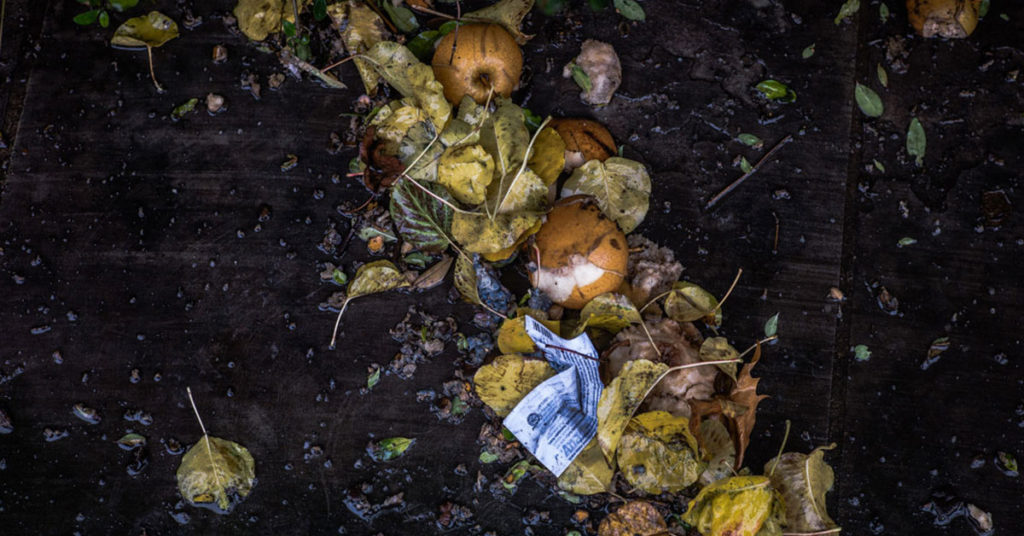
Slugs adore moist, cool shelters by day—think under flat stones, boards, or thick leaf piles. If you lift garden debris and find glistening bodies or wet patches, it’s a clear sign of their daytime hideouts. I always check under pots and discarded boards first, as slugs often congregate there in tight groups!
These shelters also attract ground‑nesting beneficial insects like carabid beetles, so when you disturb slug hideouts, proceed gently to preserve your helpful garden allies while evicting the pests.
Increased Bird and Beetle Activity

Birds—especially thrushes and blackbirds—and predatory ground beetles relish slug feasts. If you notice frequent foraging visits by these creatures and missing slug bodies near feeding areas, it indicates a substantial slug presence. I love watching robins hunt at dawn, but their scavenger behavior hints at a slug problem lurking underground!
Encouraging these natural predators by providing water dishes and ground cover benefits your garden’s balance. Yet their activity levels can also serve as a living alert system, pointing you toward slug hotspots needing attention.
Irregular Holes in Fruit and Blossoms
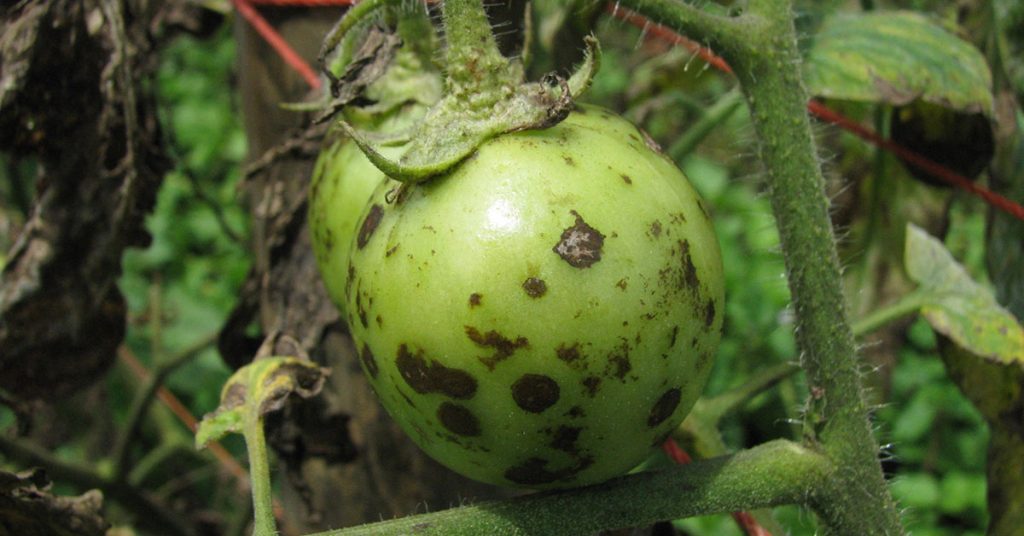
Slugs don’t limit themselves to foliage—they assault ripening strawberries, glossy tomatoes, and delicate blossoms like those of nasturtiums (Tropaeolum majus, native to South America). Look for large, irregular bite marks along edges or small pits on fruit surfaces. Finding slimy trails radiating from damaged produce is practically a smoking gun!
This kind of damage not only spoils your harvest but also invites fungal infections at those open wounds. Harvesting early and inspecting each berry or fruit for slime can protect both yield and overall plant health.
Silvery Mucus Trails on Leaves and Soil

Perhaps the most iconic slug sign is the thin, silvery ribbon of dried mucus they leave behind. These shimmering trails appear overnight on leaves, patio stones, and garden paths. One of my favorite garden rituals is morning patrols with a flashlight—those trails glow eerily under a beam!
While the trails themselves don’t harm plants, they map out slug traffic patterns. Following them back often leads you right to their hiding spots, making targeted control much more efficient.
Damaged Shade-Loving Plants Like Hostas
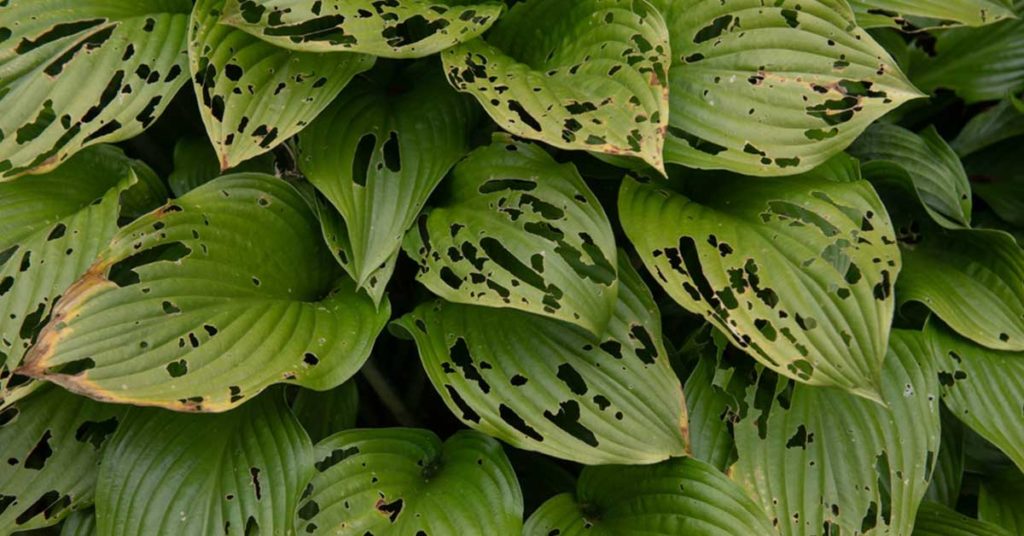
Hostas (Hemerocallis spp.), native to parts of Asia, are notorious slug magnets with their broad, succulent leaves. When you see large, irregular holes or entire leaves reduced to skeletons, it’s a strong indicator of slug infestation. I always plant hostas in shaded areas—but too much shade and moisture turns them into slug buffets!
Keep an eye on these indicator plants; if your hostas suffer nightly raids, chances are other plants are at risk too. Using copper tape or diatomaceous earth around hosta beds can create effective barriers without harming soil health.
Fruiting Bodies of Slime-Loving Fungi
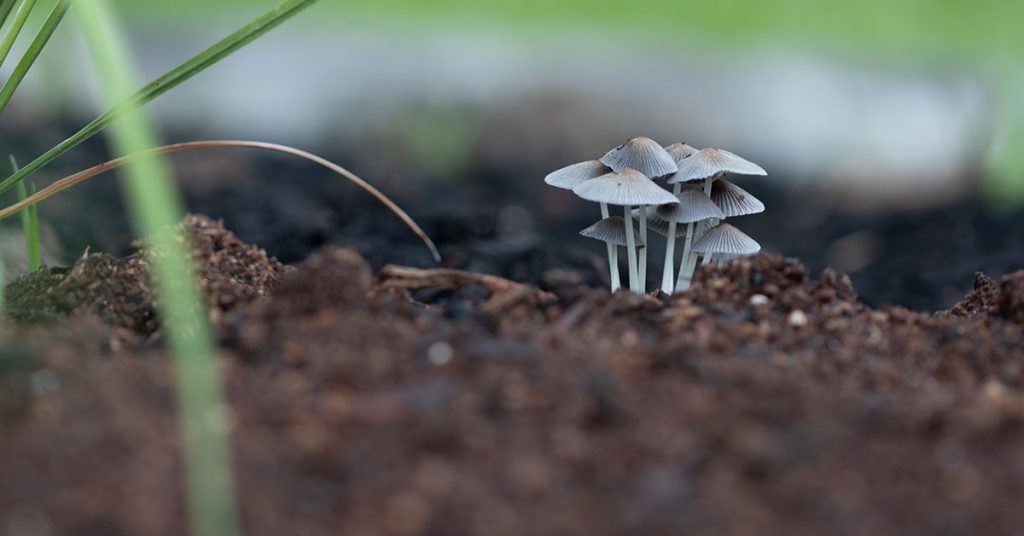
Damp conditions that favor slugs also encourage slime molds and other fungi to appear on mulch and soil surfaces. While these fungal patches don’t feed the slugs directly, their presence signals the moist microclimate slugs crave. I once discovered slimy, iridescent fungi carpeting my beds—and sure enough, it coincided with a spike in slug sightings!
By improving drainage—through raised beds or coarser mulch—you discourage both fungi and slugs. Observing these fungal outbreaks gives you another indirect clue that your garden is primed for slug activity.