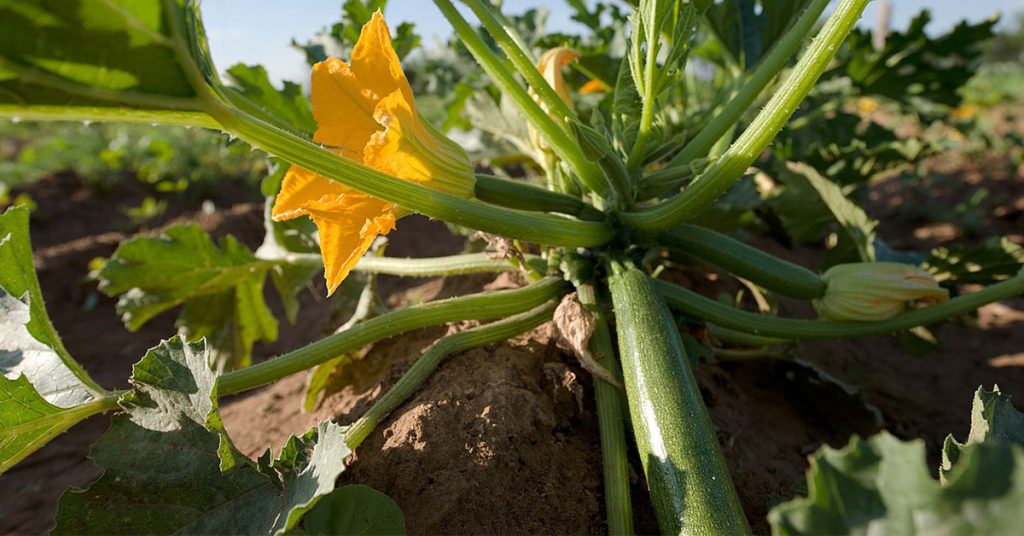
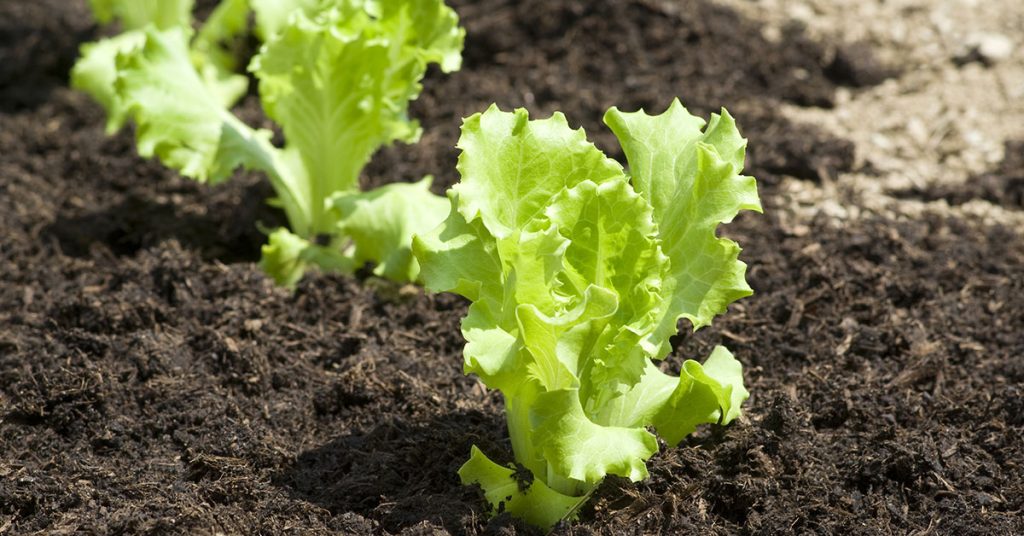
As the summer heat wanes and the days grow shorter, many gardeners start to wind down their gardening activities. However, fall can be a fantastic time to enjoy a bountiful harvest of fresh vegetables. With the right choices and timing, you can extend your growing season and enjoy delicious homegrown produce well into late fall....
Gardening Tips
Having a garden is a key aspect of a sustainable lifestyle. When you go to the grocery store to buy produce like fruits and vegetables, as well as eggs, each of those items comes with a carbon footprint and other environmental complications. Unfortunately, a lot of industrial-level farming practices aren’t good for the environment and they aren’t sustainable either. Growing your own fruits and vegetables reduces the negative impact that industrial farming has.
We are strong proponents of living a sustainable lifestyle, both by having a garden and by making environmentally friendly choices that put you on a more sustainable path. That includes using less single-use plastic, conserving energy and water, gardening using organic methods, avoiding synthetic chemicals inside and outside of the home, driving less, living off the grid, and other sustainable efforts.
Sustainable living isn’t just good for the planet but it’s good for you too. Often times, living sustainably means simplifying your life – you get more out of life with less. Sustainable living helps avoid unnecessary consumerism, save money, save the earth, and save your sanity all along the way.
Our gardening tips will help guide you to a greener lifestyle that benefits the planet, your pocket, your community, and yourself too. If all of us did just a little bit to be more sustainable, we could have a massive positive impact and change our world.
So let’s explore these gardening tips together and work toward a greener future for our kids and grandkids.
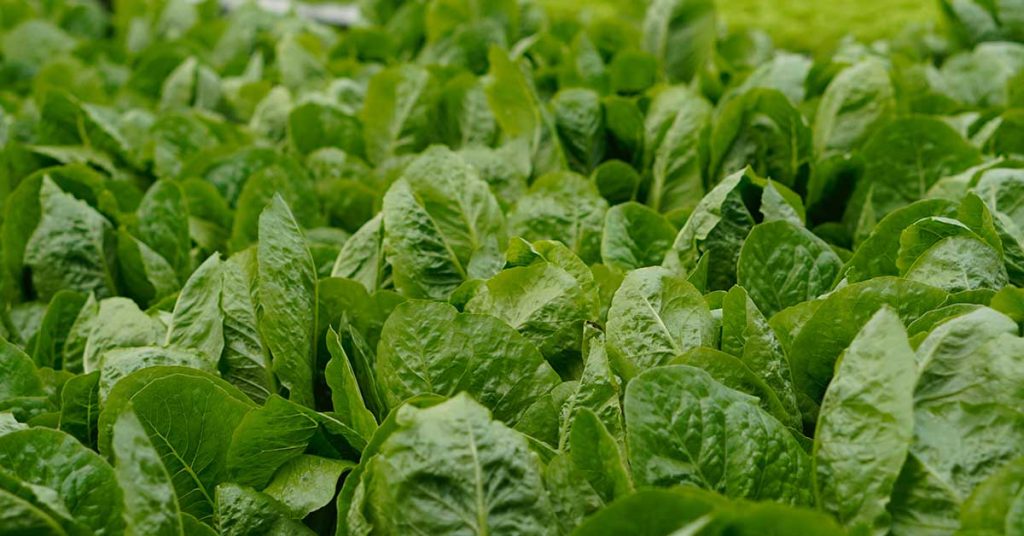
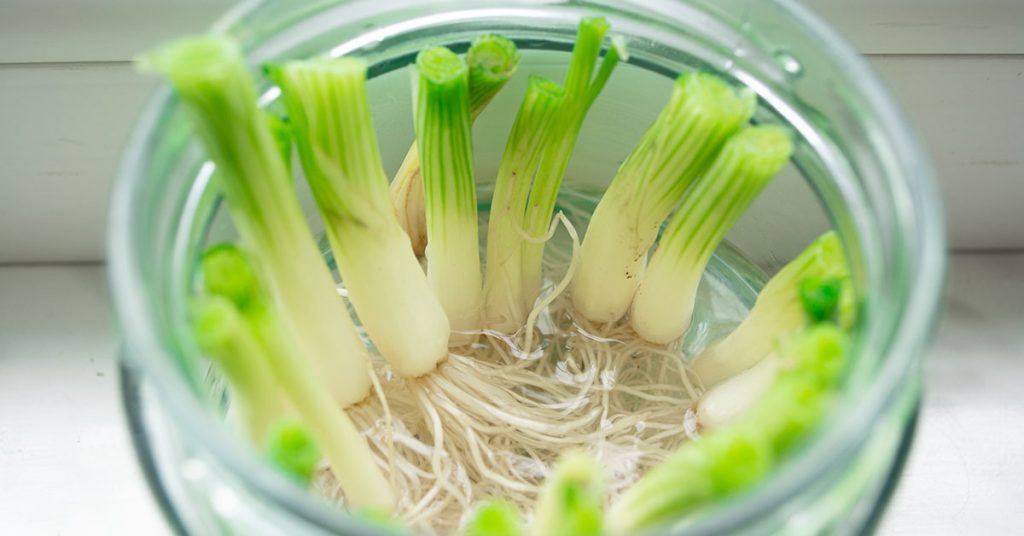
Gardening can be both rewarding and economical, especially when you realize that many vegetables can be regrown from kitchen scraps. This practice not only saves money but also reduces waste and keeps your garden producing fresh vegetables year-round. As an enthusiastic gardener, I’m excited to share how you can turn your vegetable scraps into a...
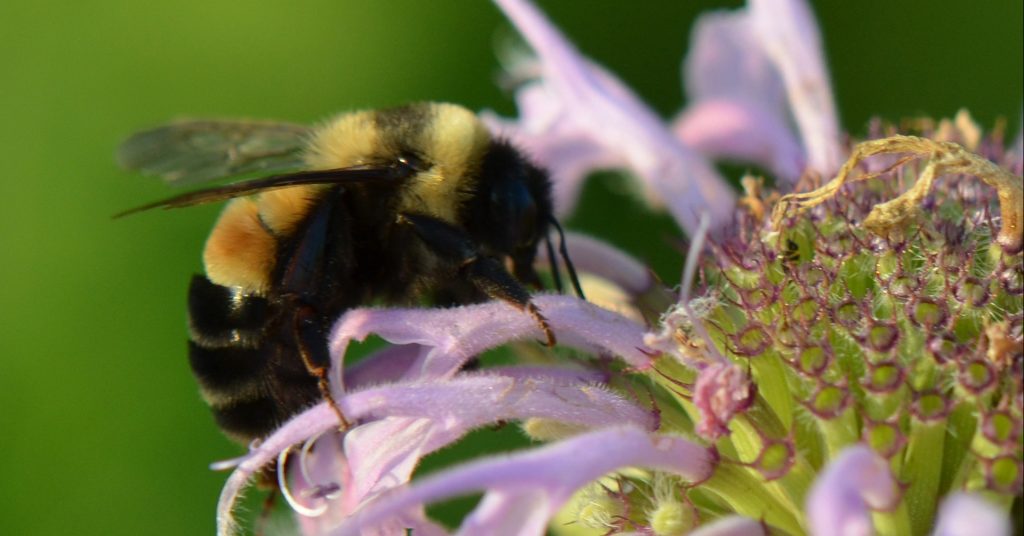
As gardeners, we have the unique opportunity to make a positive impact on our environment. One way we can contribute is by planting species that support threatened and endangered wildlife. By creating a habitat that provides food, shelter, and breeding grounds for these species, we can help protect and preserve biodiversity right in our own...
There’s something magical about watching ruby-throated hummingbirds darting and hovering around vibrant flowers in your garden. These tiny, jewel-like birds are a joy to observe and play a crucial role in pollination. As a gardener passionate about supporting wildlife, I’m thrilled to share how you can attract these beautiful birds to your garden by planting...
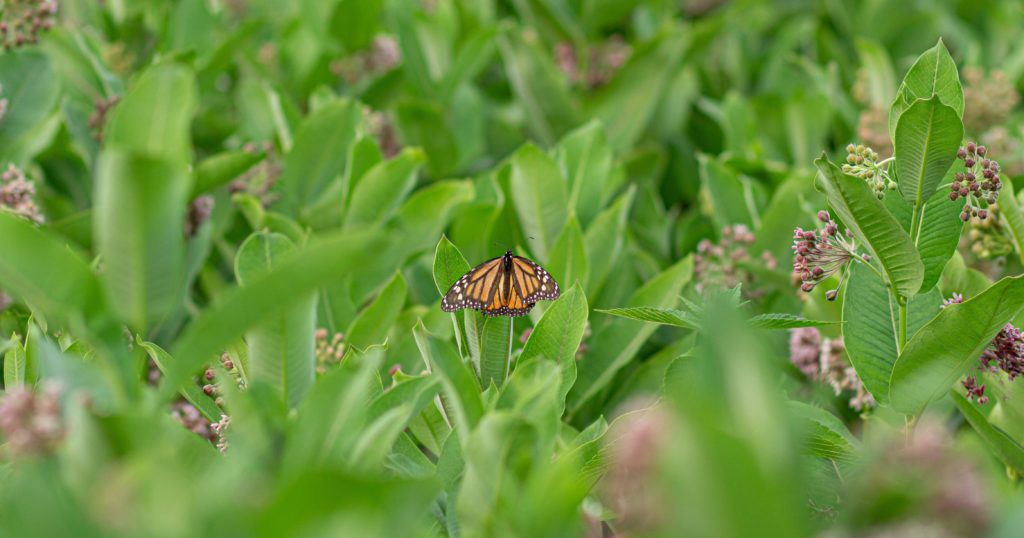
Milkweed is a crucial plant for many ecosystems, particularly for the survival of monarch butterflies. However, it has garnered a reputation for being invasive and problematic in gardens, leading many gardeners to shy away from planting it. As a passionate gardener who loves to see thriving, diverse gardens, I’m here to bust some common myths...
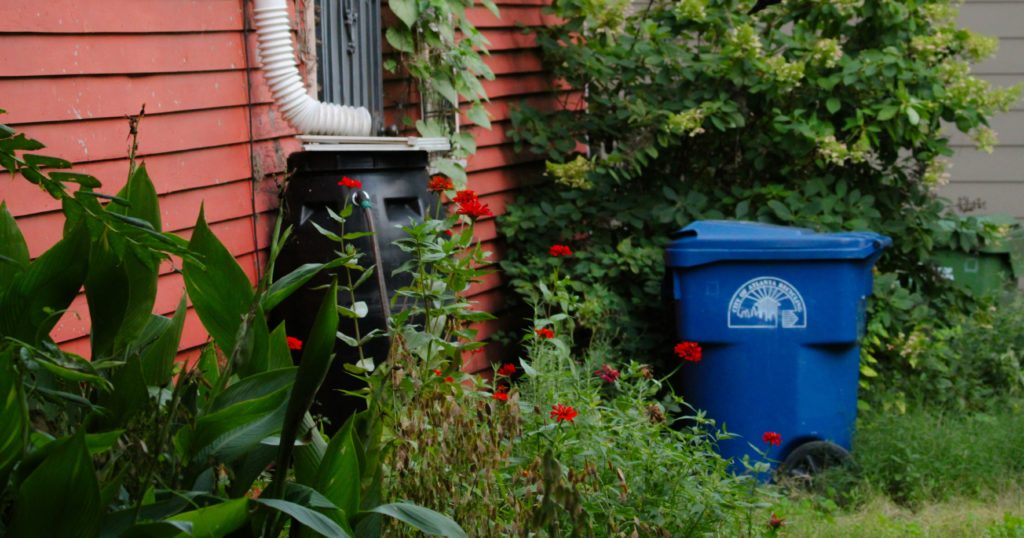
Rainwater collection systems are an excellent way to conserve water and maintain a sustainable garden. They help reduce your reliance on municipal water supplies and can be a great source of clean water for your plants. However, ensuring that the collected water is safe and uncontaminated is crucial. Without proper maintenance and attention, your rainwater...
Raised bed gardening offers many advantages, from better soil drainage and aeration to easier access for planting and harvesting. Raised beds can also help extend the growing season and reduce weed problems. For those who love gardening, raised beds can make the whole experience more enjoyable and productive. However, not all vegetables thrive in raised...
Growing roses can be a rewarding experience for any gardener. With their stunning blooms and delightful fragrance, roses are often considered the queens of the garden. While they may have a reputation for being finicky, with the right care and attention, roses can thrive and produce an abundance of beautiful flowers. Whether you’re a seasoned...
June is an exciting month for gardeners as it marks the beginning of the summer harvest season. After months of planting and nurturing, it’s finally time to enjoy the fruits (and vegetables) of your labor. There’s nothing quite like stepping into your garden and picking fresh, homegrown produce to enjoy in your meals. Whether you’re...
As a gardener, one of the most satisfying experiences is harvesting fresh vegetables from your garden throughout the entire year. Continuously producing vegetables not only ensure a steady supply of fresh produce but also make the most of your gardening efforts. If you’re looking to maximize your garden’s productivity and enjoy homegrown vegetables all year...
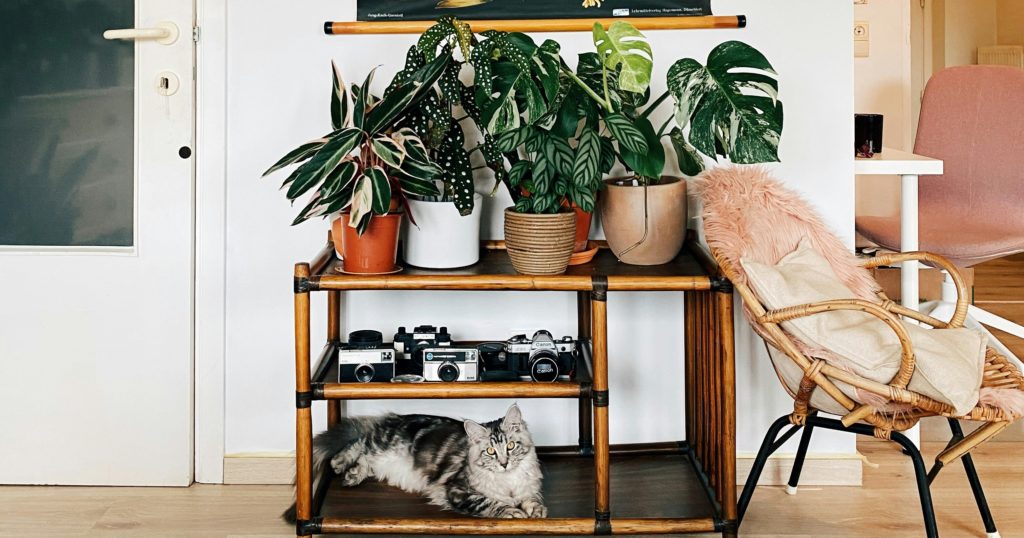
Finding indoor plants that are safe for pets can be a bit of a challenge. Many popular houseplants are toxic to cats and dogs, which makes it crucial to choose greenery that won’t harm your furry friends. Fortunately, there are plenty of beautiful, pet-friendly plants that you can grow indoors to create a lush, vibrant...
Plants have always held a profound place in spiritual traditions and practices across cultures. They are often seen as symbols of growth, healing, and connection to the divine. Many plants are believed to possess unique energies that can enhance spiritual experiences, provide protection, or bring peace and prosperity. This article explores 15 plants known for...