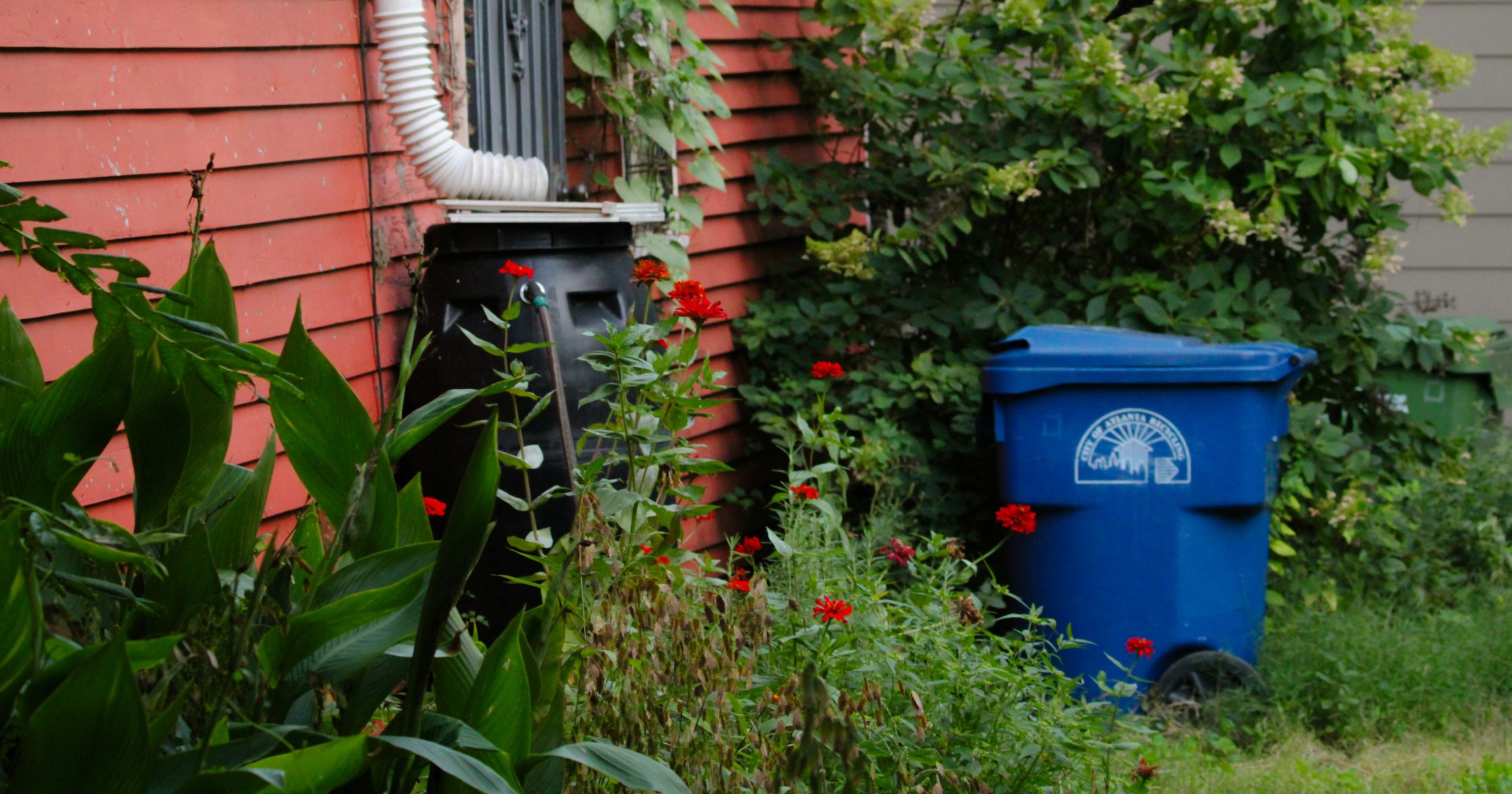

Rainwater collection systems are an excellent way to conserve water and maintain a sustainable garden. They help reduce your reliance on municipal water supplies and can be a great source of clean water for your plants. However, ensuring that the collected water is safe and uncontaminated is crucial. Without proper maintenance and attention, your rainwater collection system could become a breeding ground for contaminants that could harm your plants and even your health.
Understanding the potential sources of contamination is the first step in safeguarding your rainwater collection system. In this article, we’ll explore seven common ways that your system could become contaminated and offer tips on how to prevent these issues. As a fellow gardener, I know how important it is to provide the best care for your plants, so let’s dive into these potential pitfalls and learn how to keep your rainwater pure and beneficial for your garden.
Roof Runoff Contamination
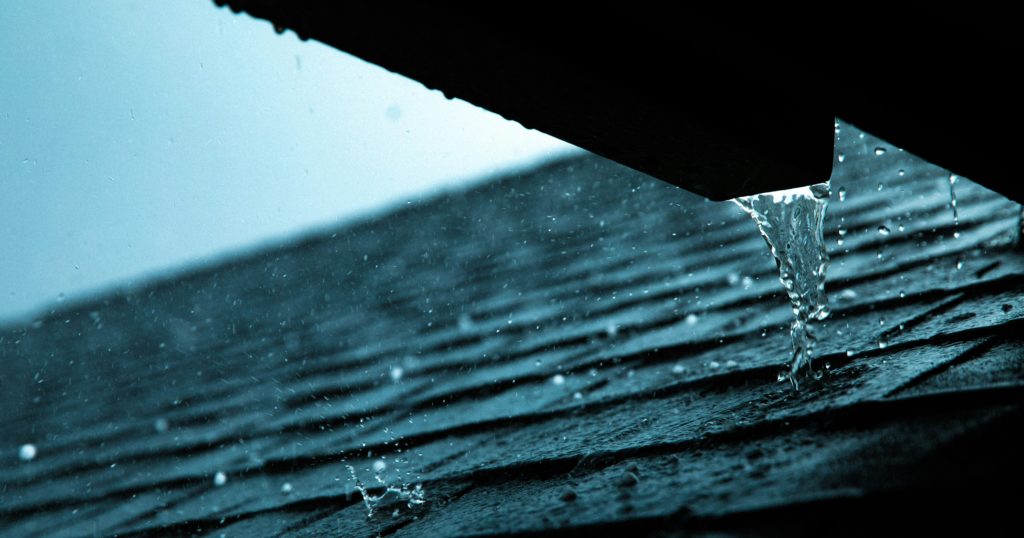
One common source of contamination in rainwater collection systems is roof runoff. Roofs can accumulate various pollutants, including dust, bird droppings, and debris. When rainwater washes these contaminants into your collection system, it can introduce harmful bacteria and pathogens. Bird droppings, in particular, can carry harmful bacteria like E. coli and Salmonella, which can pose health risks.
To mitigate this risk, regularly clean your roof and gutters to remove debris and reduce the buildup of pollutants. Installing a first flush diverter can also help by diverting the initial flow of contaminated water away from your collection system. By ensuring that the water entering your system is as clean as possible, you can minimize the risk of contamination.
Insects and Vermin
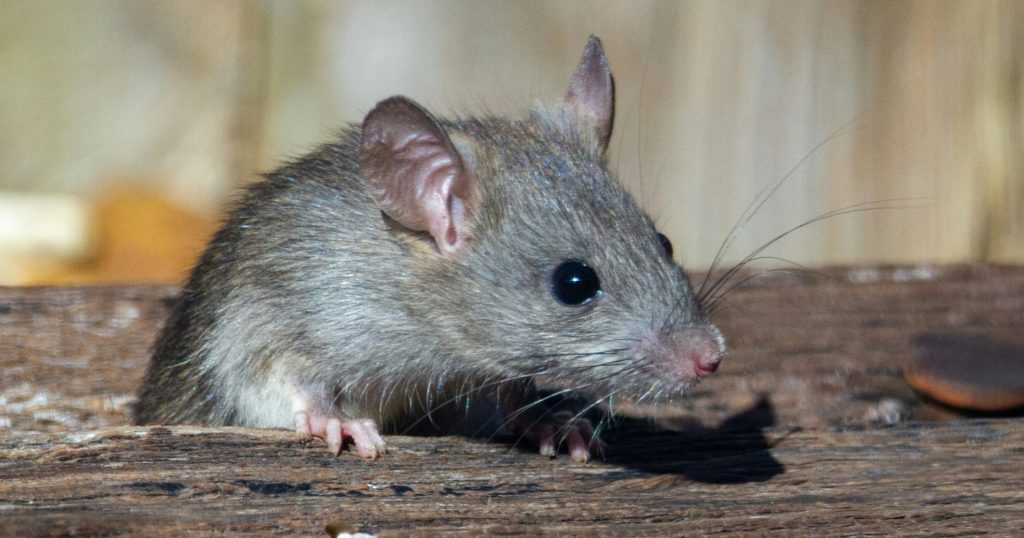
Insects and vermin can be another significant source of contamination in rainwater collection systems. Mosquitoes, for example, can breed in standing water, turning your collection system into a breeding ground for these pests. Rodents and other small animals may also find their way into your system, introducing bacteria and other pathogens.
To prevent insect and vermin contamination, ensure that your rainwater collection system is properly sealed. Use fine mesh screens on inlets and outlets to keep insects and small animals out. Regularly inspect your system for any signs of infestation and take action immediately if you find any. Keeping your system secure and clean will help maintain the quality of your collected water.
Algae Growth
Algae growth is a common problem in rainwater collection systems, especially if the water is exposed to sunlight. Algae can thrive in stagnant water, leading to contamination that can affect both the appearance and quality of your collected water. While algae are not typically harmful to plants, they can clog your system and create unpleasant odors.
To prevent algae growth, store your collected rainwater in opaque or dark-colored containers to block sunlight. Ensure that your storage tanks are covered and sealed to minimize light exposure and reduce the risk of algae proliferation. Regularly cleaning your system can also help prevent algae buildup and keep your water clear and clean.
Chemical Contaminants
Chemical contaminants can enter your rainwater collection system from various sources, including roofing materials and air pollution. Certain roofing materials, such as treated wood or certain types of metal, can leach chemicals into the collected water. Additionally, airborne pollutants like pesticides, herbicides, and industrial emissions can settle on your roof and be washed into your system by rainwater.
To reduce the risk of chemical contamination, choose roofing materials that are safe for rainwater collection and avoid using chemicals near your collection area. Regularly cleaning your roof and gutters can help minimize the accumulation of airborne pollutants. Installing a first flush diverter can also help by directing the initial flow of potentially contaminated water away from your storage tanks.
Organic Debris
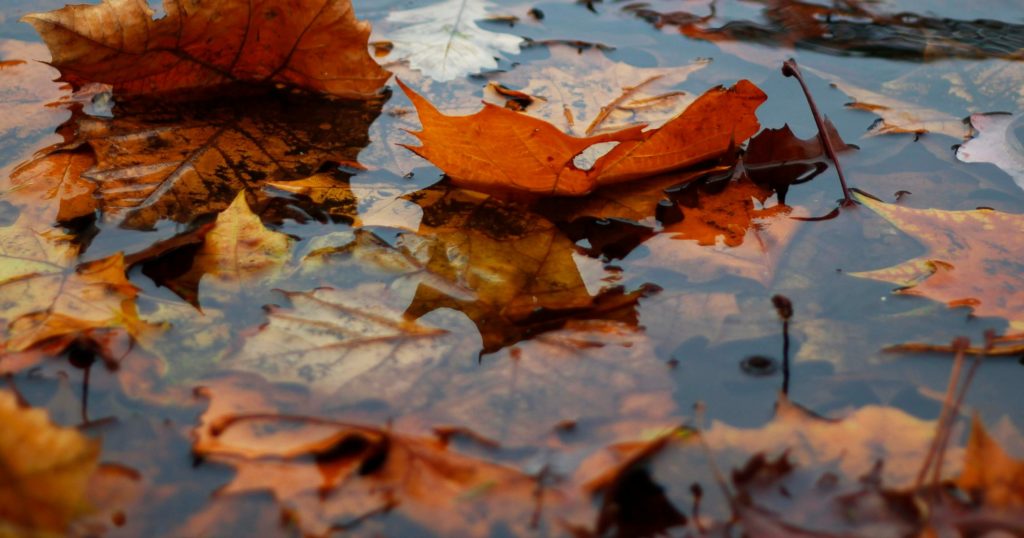
Organic debris, such as leaves, twigs, and pollen, can easily find its way into your rainwater collection system. As this debris decomposes, it can introduce bacteria and other pathogens into your water. Additionally, decomposing organic matter can produce unpleasant odors and affect the taste of the water.
To prevent organic debris from contaminating your rainwater, install gutter guards and screens to filter out larger particles before they enter your system. Regularly clean your gutters and collection tanks to remove any accumulated debris. Ensuring that your system is free of organic matter will help maintain the quality of your collected rainwater.
Microbial Contamination
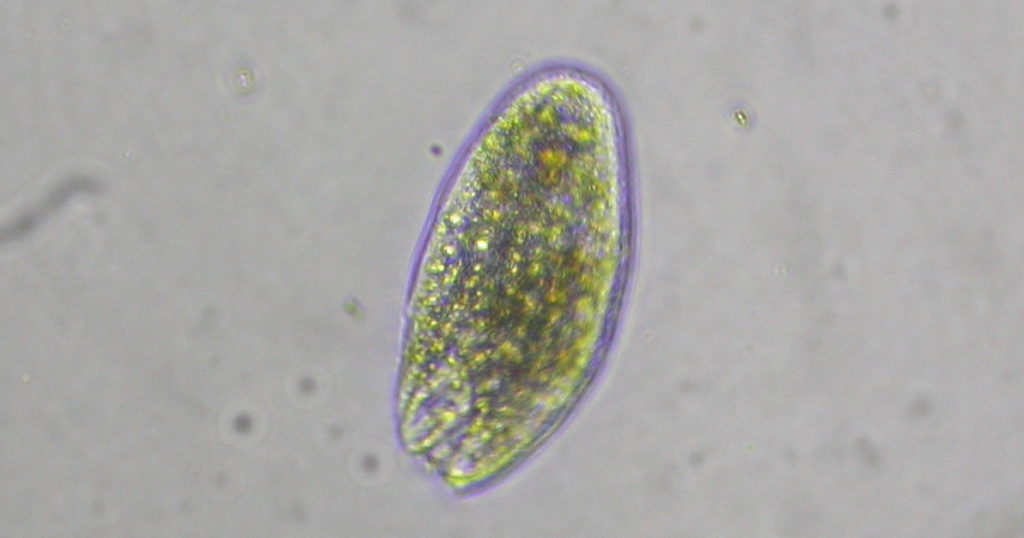
Microbial contamination is a significant concern for rainwater collection systems, as bacteria, viruses, and protozoa can pose serious health risks. Sources of microbial contamination include animal droppings, decaying organic matter, and standing water. These microbes can cause various illnesses if the water is used for drinking or irrigating edible plants.
To minimize microbial contamination, regularly clean and disinfect your rainwater collection system. Use UV filters or other water purification methods to treat the collected water before use. Ensuring proper system maintenance and water treatment will help keep your rainwater safe for garden use.
Improper Storage
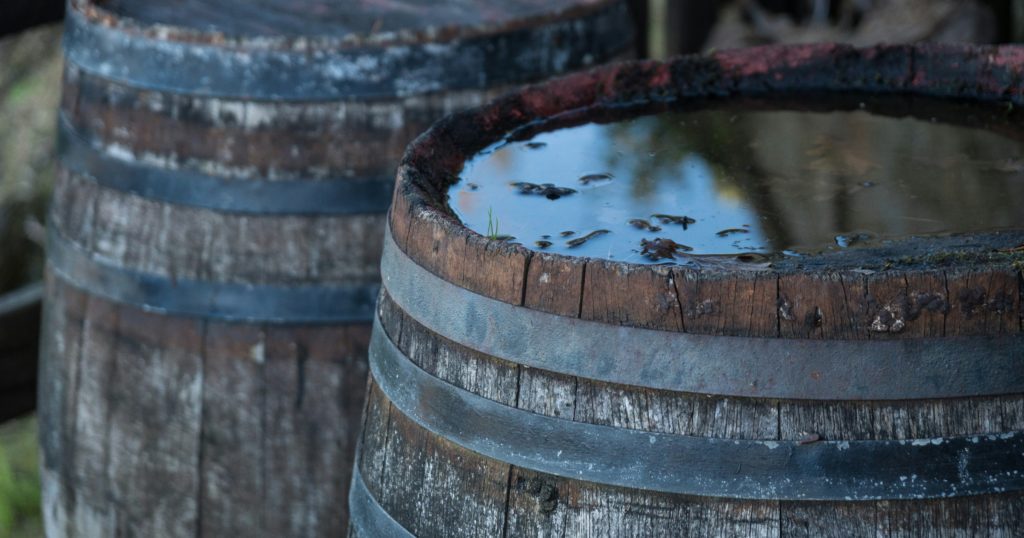
Improper storage of collected rainwater can lead to contamination and degradation of water quality. Storage containers that are not adequately sealed can allow debris, insects, and other contaminants to enter. Additionally, exposure to sunlight can promote algae growth and degrade the quality of the water.
To ensure proper storage, use sealed, opaque containers to store your collected rainwater. Regularly inspect and clean your storage tanks to remove any accumulated debris or contaminants. Proper storage practices will help maintain the quality of your collected rainwater and prevent contamination.
By understanding these common sources of contamination and taking proactive steps to prevent them, you can ensure that your rainwater collection system remains a valuable and safe resource for your garden. With proper care and maintenance, you can enjoy the benefits of sustainable gardening and provide your plants with clean, nourishing water.