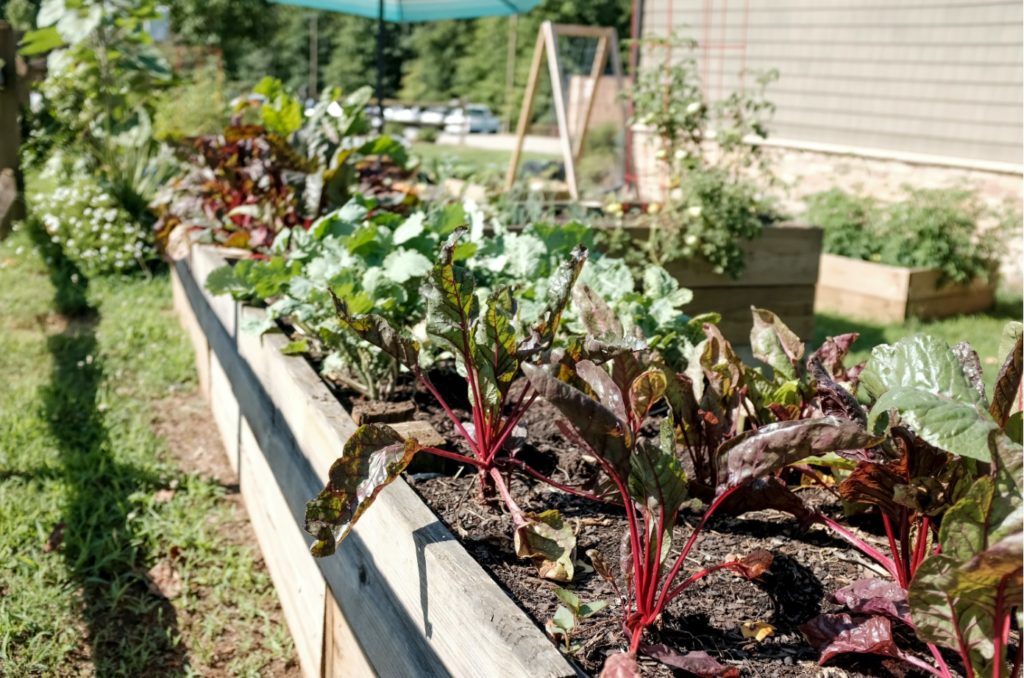
Compost is like liquid gold for the garden—rich in organic matter, teeming with beneficial microbes, and gently feeding plants without the risk of burning roots. As a gardener, I know how tempting it is to rely on quick‑fix granular fertilizers, but there’s something so satisfying about watching plants gobble up dark, crumbly compost and reward...
Fruits And Vegetables
Living off grid is a term coined by Nick Rosen, an environmentalist. It’s defined as being independent of systems like utilities and other types of conveniences. Some consider it to be a sort of exile from society, others view it as being a more environmentally positive action, and technically, both are correct.
People who live off grid often have vastly simplified lifestyles. Buying stuff, convenience, and overconsumption take a back seat to more simplistic living. Lots of DIY, self improvement, and producing the things you need yourself.
Living off grid has numerous benefits. Off grid families tend to have a lower environmental footprint due to producing energy from clean tech sources like solar, less consumerism, and producing more food themselves. People who live off grid also experience a ton of personal satisfaction for the work they put in and what they get out.
Living off grid reportedly reduces stress and anxiety and improves health overall. The physical labor involved with off grid living is better for you than sitting at a desk in an office, and the food you grow yourself is often substantially healthier than what you would find in a grocery store.
Families who live off grid don’t just live frugally but can also make a little bit of money at it. Selling extra eggs, produce, and other things can help turn your off grid lifestyle into a net financial positive.
It’s not easy to be a fully off grid individual or family, but there are steps you can take to get you started without cutting off the world and living alone in a remote cabin.
I’ll never forget the first time I bit into a sun-warmed fig straight from my windowsill—its sweet, jammy flesh instantly transported me to sun-drenched Mediterranean groves! Growing figs indoors transforms your home into a miniature orchard, offering both visual delight and delicious rewards. Whether you’re a seasoned gardener or just dipping your toes into container...
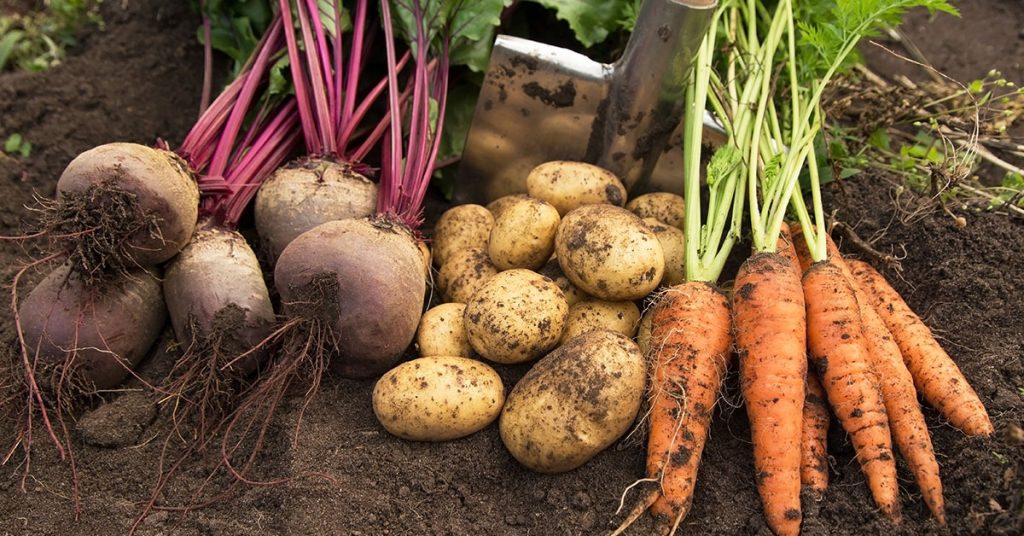
Beets (Beta vulgaris), native to the Mediterranean region, are a versatile root crop beloved for their earthy flavor and vibrant color. Yet even seasoned gardeners can find themselves pulling up puny bulbs or lamenting split roots. It’s such a bummer when you’ve nurtured seedlings for weeks only to see them bolt or stagnate before harvest!...
It’s such a thrill to harvest your very own butternut squash—those smooth, tan-skinned gourds packed with sweet, nutty flesh always make me beam with pride! If you’ve ever felt the disappointment of misshapen fruit or plants that petered out before setting even one squash, you’re not alone. Butternut squash (Cucurbita moschata), native to Mesoamerica and...
July’s soaring temperatures can make a garden feel like it’s winding down, but with the right picks, you can still sow a bounty of fresh veggies for autumn and beyond! Many of our beloved crops—from the crisp carrots first cultivated in Central Asia to the vining cucumbers that trace back to South Asia—thrive when given...
I’m so excited to dive into why proper storage of your freshly harvested veggies is absolutely essential! Whether you’ve just plucked plump tomatoes—native to the highlands of western South America and known to volunteer wildly if composted—or crisp cabbages, descendants of wild Brassica oleracea from European coastal cliffs, how you store them can make or...
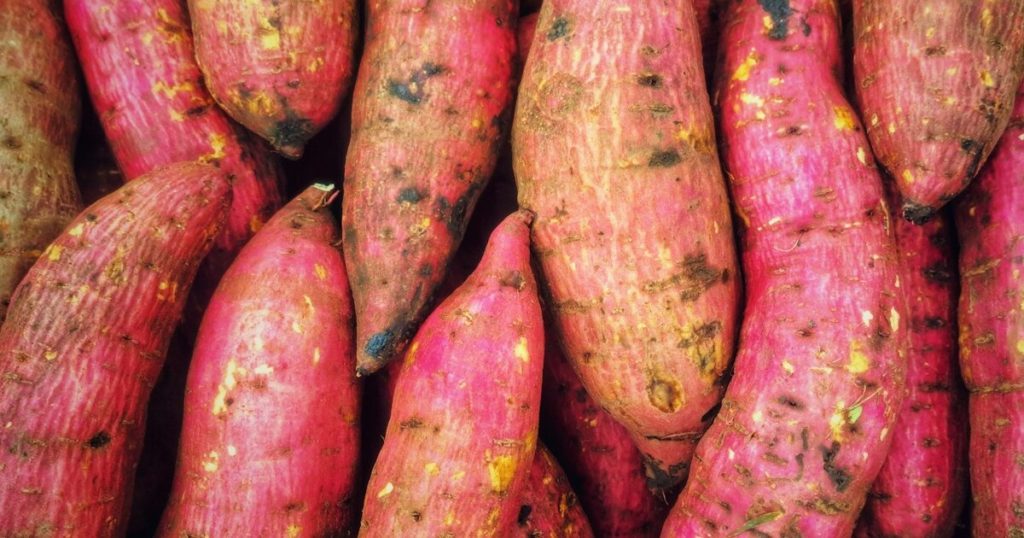
Sweet potatoes (Ipomoea batatas) trace their roots back to the tropical lowlands of Central and South America, where they sprawled across sun-drenched riverbanks and attracted native pollinators—like solitary bees—that nested in nearby bare patches of soil. These vigorous vines can become invasive in frost-free climates, sending up volunteer plants if tubers are left behind. I...
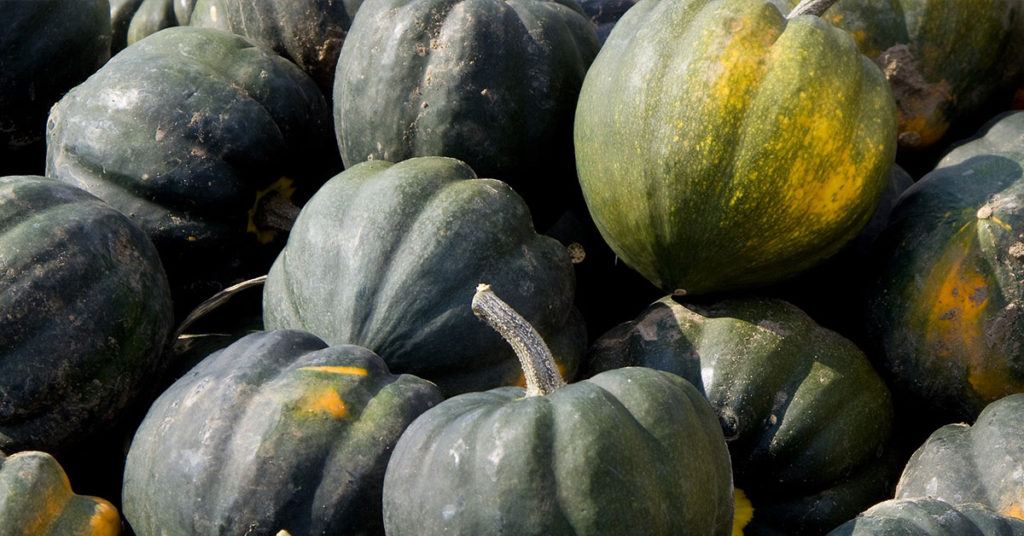
I’m so excited to share these ten tried-and-true tips for coaxing bountiful acorn squash harvests from your garden! Acorn squash (Cucurbita pepo) hails from the temperate woodlands and river valleys of North America, where its ancestors thrived on rich, well-drained soils. In those native habitats, squash vines sprawled across open ground, their bright yellow flowers...
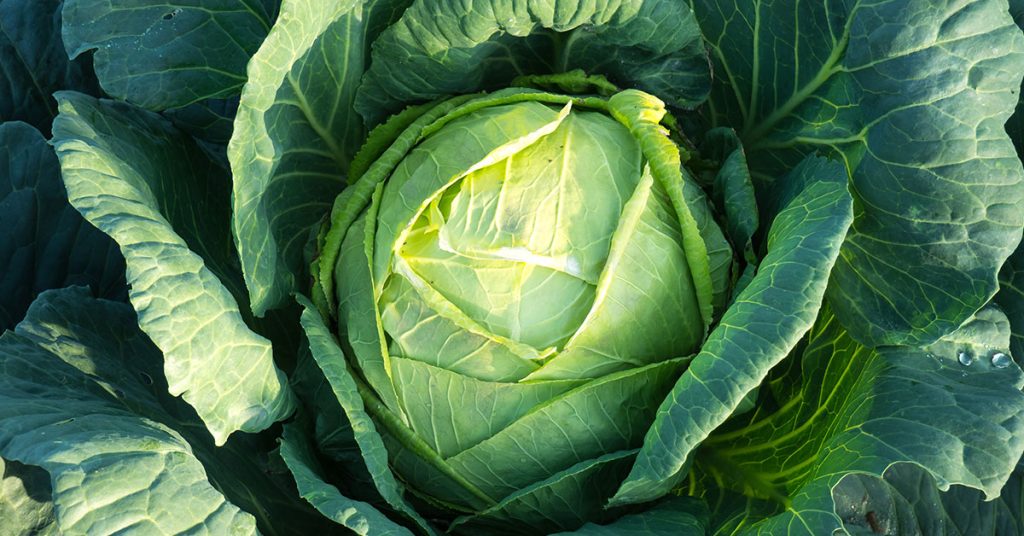
Growing cabbage—those sturdy, leafy heads descended from wild Brassica oleracea in the coastal cliffs of northern Europe—can be immensely rewarding. I love the moment when a tight, vivid green head forms, promising crunchy salads and hearty stews. Yet, it’s such a bummer when your plants bolt in the heat or succumb to voracious caterpillars before...
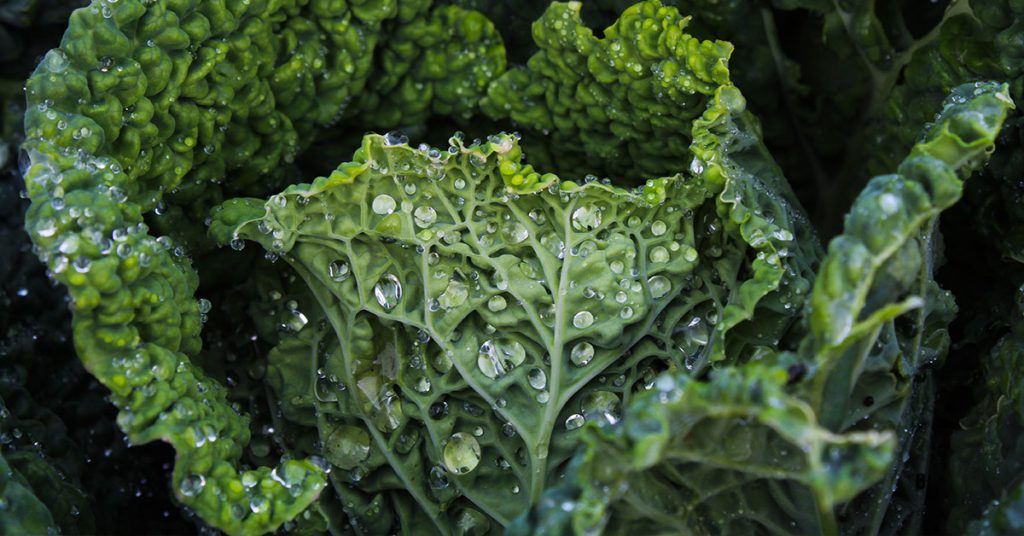
Kale, a member of the Brassica oleracea family, has its origins in the cool, damp regions of the eastern Mediterranean. In its native habitat—rocky hillsides and coastal cliffs—it thrived in well-drained, moderately fertile soils, sending out sturdy leaves that survived sea breezes and occasional droughts. I love watching those crinkly Blue Curled or Lacinato leaves...
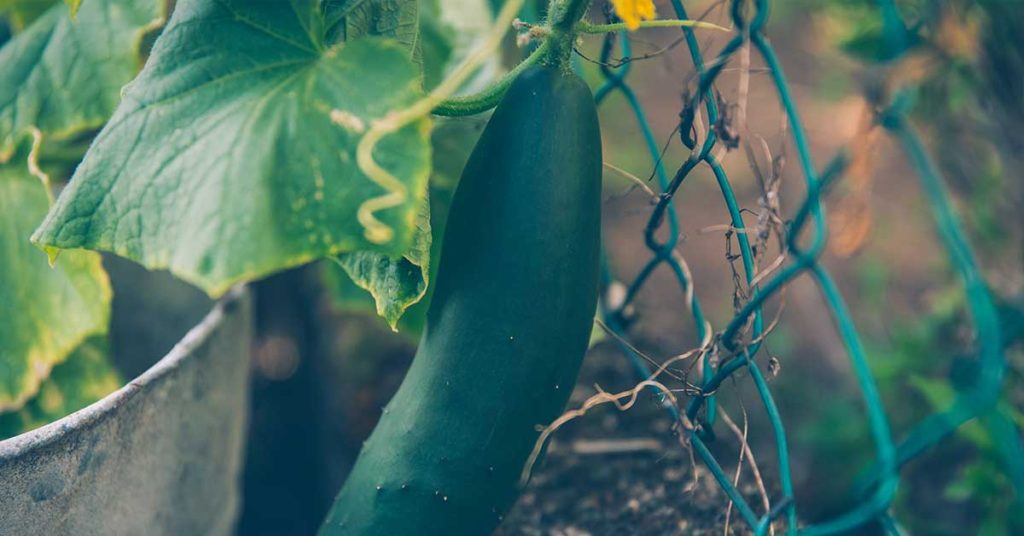
Growing cucumbers can feel like unlocking a green-thumb superpower—until one misstep turns those crisp, crunchy delights into bitter, sparse letdowns. I’ve been there: peering at drooping vines, wondering where I went wrong, and vowing to never repeat that season’s blunders! In this guide, we’ll tackle twelve of the most common cucumber-growing mistakes, so you can...
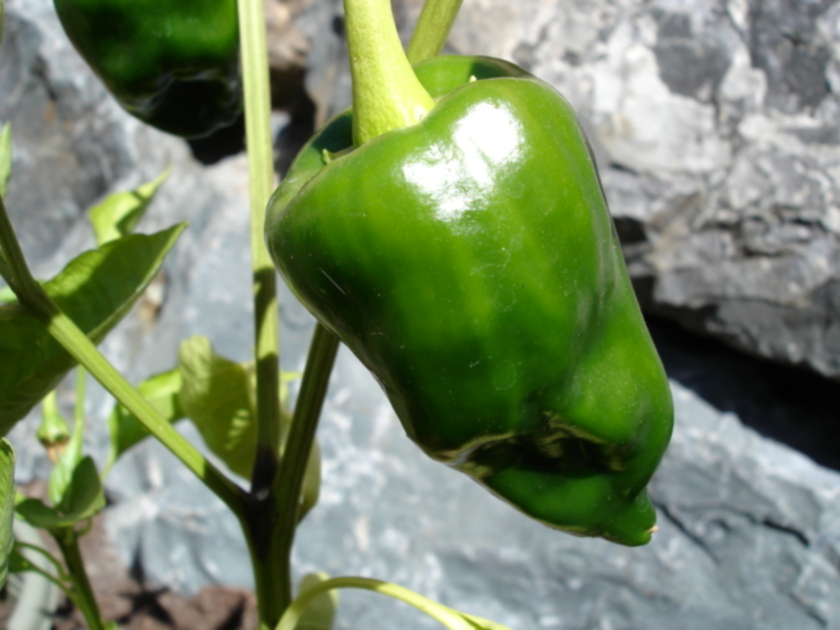
Growing poblano peppers is one of my favorite summer pleasures—they hail from the Puebla region of Mexico and bring such depth of flavor to chiles rellenos and salsas! These mild-to-medium-heat Capsicum annuum varieties thrive in warm, sunny gardens, but I know how frustrating it is when blossoms drop or pods stay small. With the right...