Plants have long held a deep connection to various religious practices and beliefs across cultures and traditions. From ancient rituals to modern-day ceremonies, plants serve as powerful symbols, representing purity, life, and the divine. Whether used in sacred rituals, as offerings, or as symbols of spiritual truths, these plants carry profound meaning in different religious...
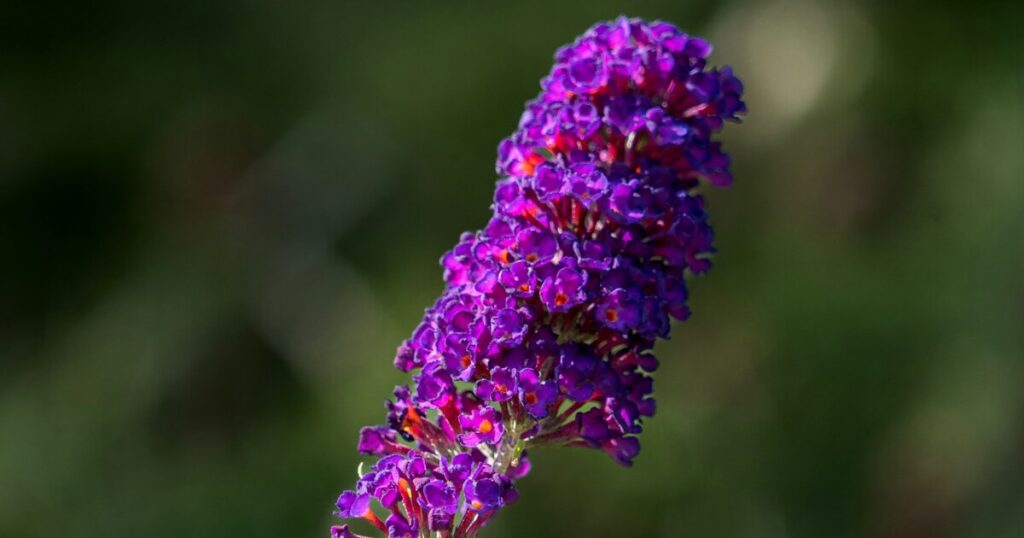
Walk through any garden center in spring, and you are almost guaranteed to see rows of butterfly bushes covered in bright blooms and buzzing with pollinators. These shrubs are marketed as must-haves for creating a butterfly-friendly garden, but the truth is more complicated. While butterfly bushes do attract adult butterflies with their nectar, they fail...
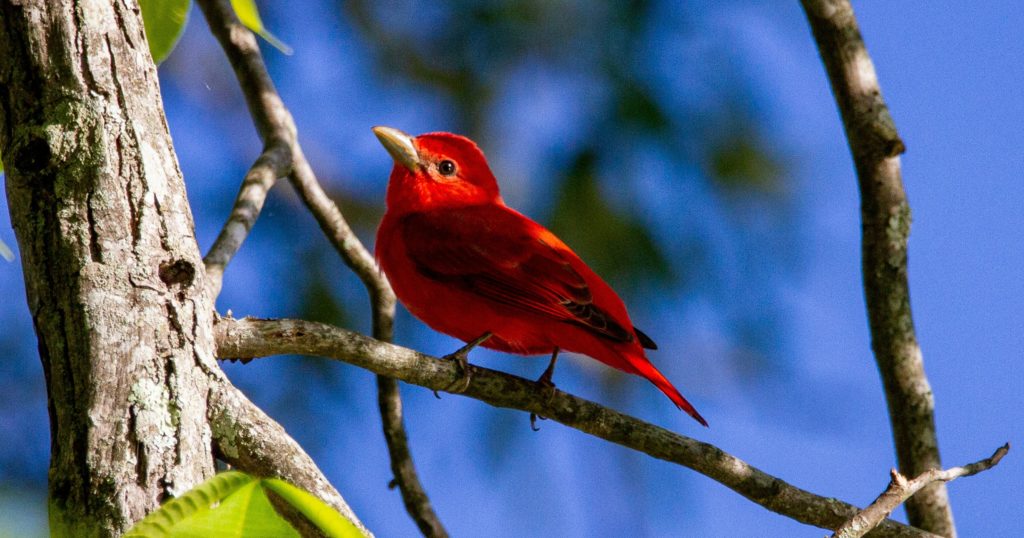
Nothing disrupts a peaceful afternoon in the garden quite like a swarm of wasps. These aggressive insects can make outdoor spaces uncomfortable and even dangerous for those with allergies. But did you know there’s a natural ally in the fight against wasps? The Summer Tanager, a brightly colored bird known for its appetite for wasps...
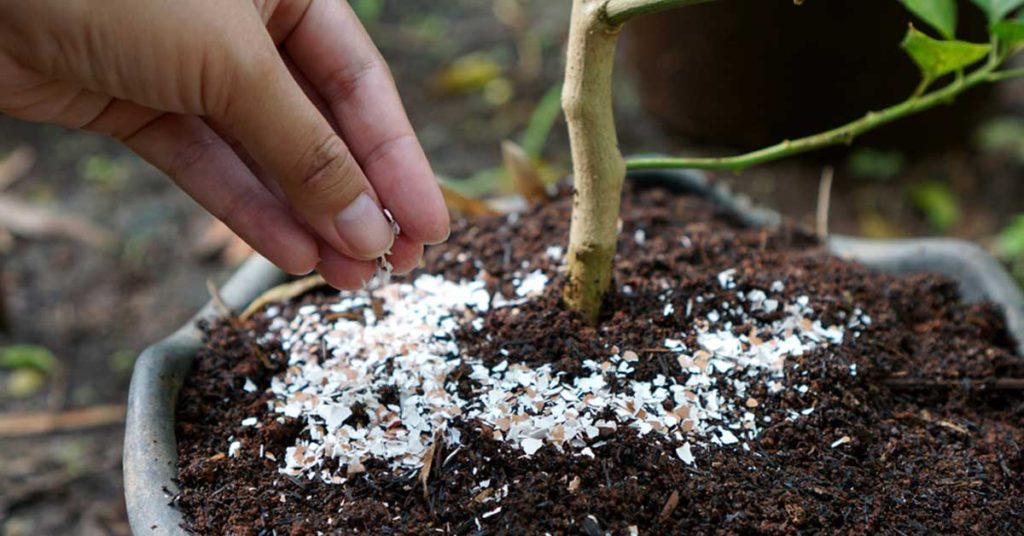
Walk into any garden center and you will find shelves packed with products labeled as “organic soil boosters,” “natural enhancers,” or “miracle amendments.” They promise bigger blooms, healthier plants, and thriving soil ecosystems, often with the allure of being eco-friendly. The problem? Many of these expensive additives do little or nothing to improve your garden’s...
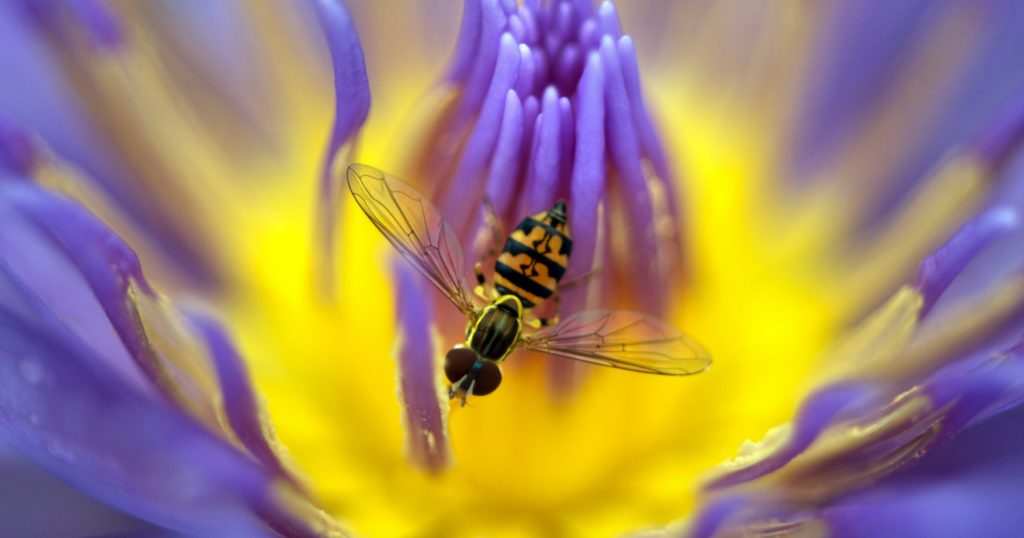
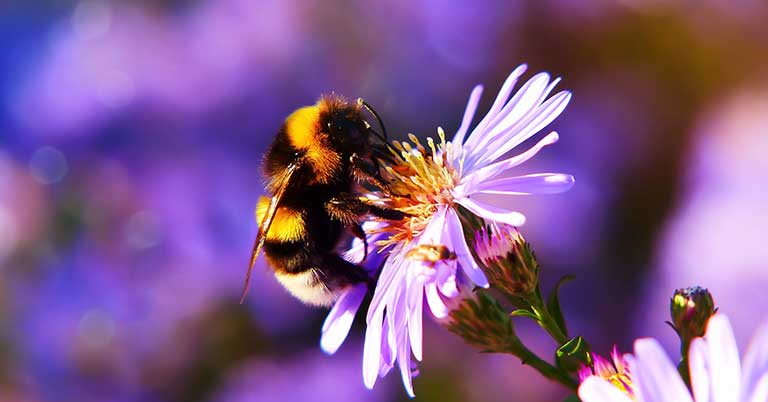
By the time late summer fades into fall, many gardens begin to lose their color. But for pollinators like bees, butterflies, and hummingbirds, this is one of the most critical times of the year. As natural food sources dwindle, late-blooming flowers provide essential nectar and pollen that help pollinators survive migration, reproduction, and winter hibernation....
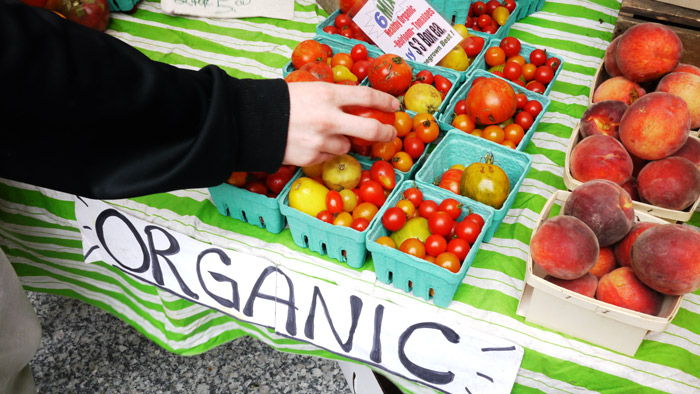
Walk into any garden center, and you will see bags of fertilizers labeled “organic,” “natural,” or “eco-friendly.” The packaging often features lush vegetables, bright flowers, and earthy tones designed to make you feel like you are choosing the healthiest option for your garden and the planet. But the reality is that many so-called “organic” fertilizers...
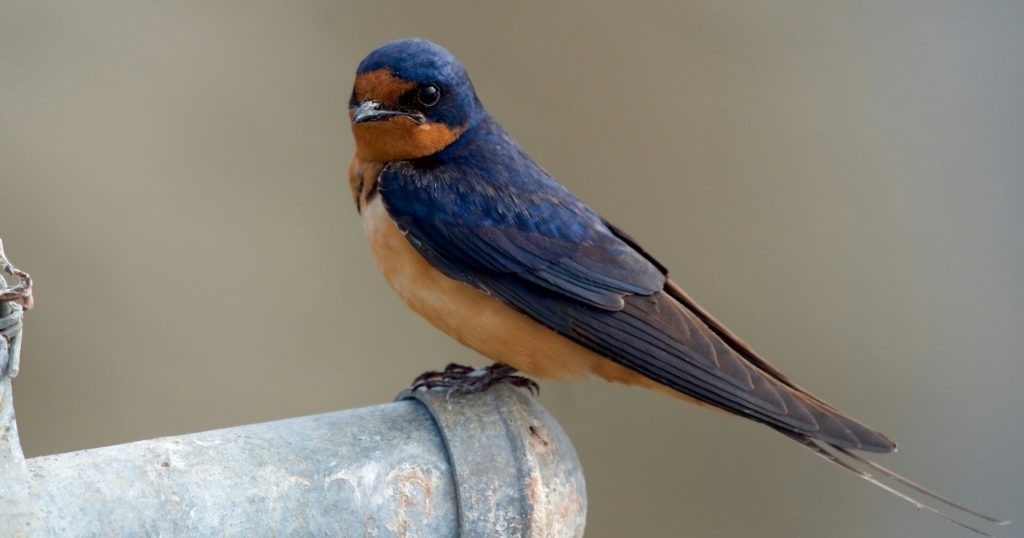
The barn swallow is truly one of nature’s most efficient mosquito hunters, and it’s a bird that can be found in all 50 states. With their striking blue and rust-colored plumage and acrobatic flying skills, barn swallows are not only a joy to watch but also an incredible asset in the battle against pesky mosquitoes....
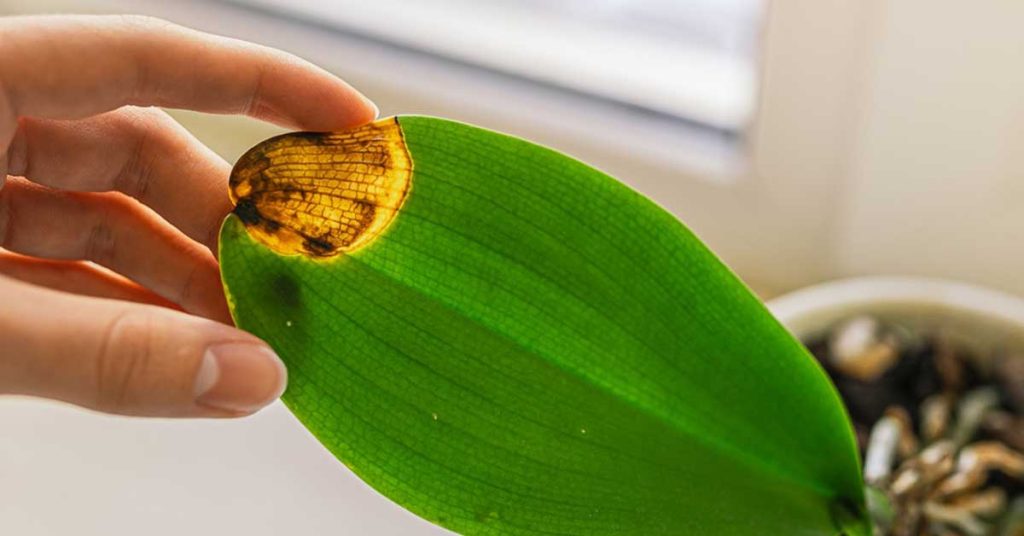
Houseplant care advice is everywhere—social media, garden centers, and well-meaning friends all have their tips and tricks for keeping your plants healthy. But here is the truth: a lot of those “must-follow” rules are outdated, oversimplified, or just plain wrong. Sticking to them can actually make your houseplants less healthy and lead to more frustration...
If you’ve spent any time in a garden center or browsing online for plant care products, you’ve likely come across those vibrant blue synthetic fertilizers. They’re often marketed as a quick and easy way to boost plant growth and increase yields, promising lush, green foliage and abundant blooms with just a few applications. But while...
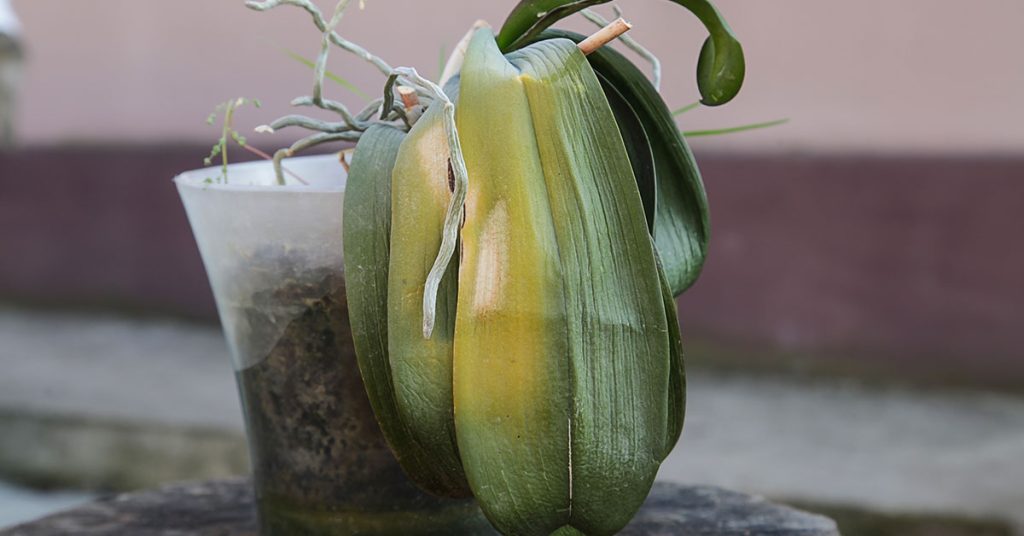
Caring for houseplants should be simple, but thanks to outdated advice, social media hacks, and persistent gardening folklore, misinformation spreads quickly. Many common houseplant “tips” sound helpful but can actually harm your plants or keep them from thriving. Whether it is adding ice cubes to orchids or watering with leftover coffee, these myths are surprisingly...
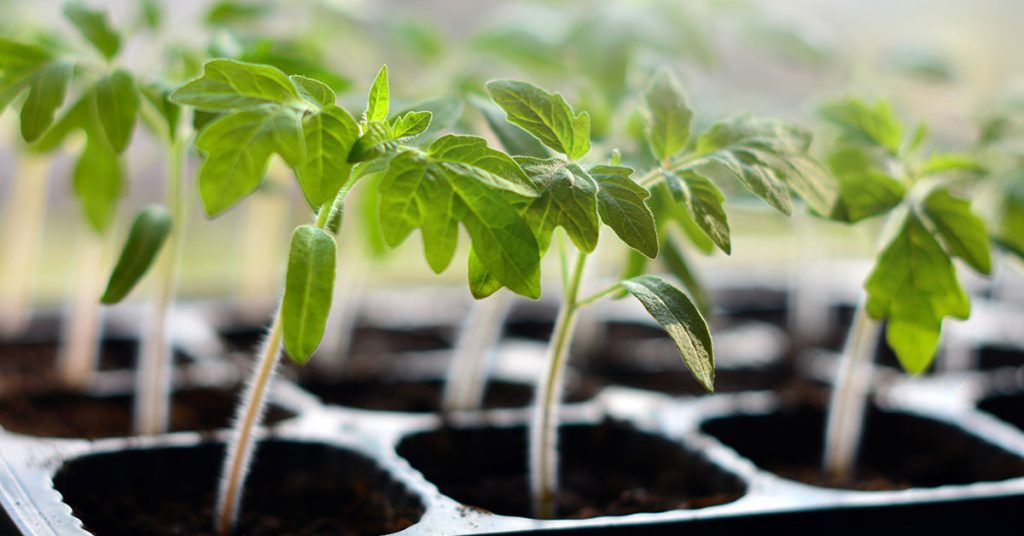
There’s something truly satisfying about growing your tomatoes from seeds you’ve saved yourself. Not only does it allow you to preserve your favorite varieties, but it also connects you more deeply to the gardening process. If you’ve enjoyed a particularly delicious or productive tomato variety this season, why not save the seeds and grow them...
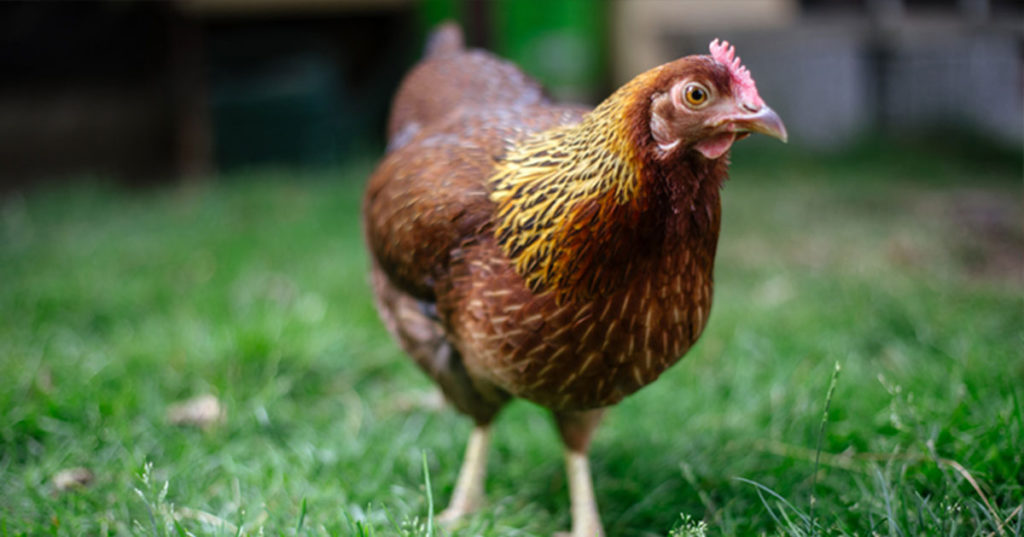
Keeping your own flock of chickens is a real treat for a number of reasons. They provide fresh eggs, and hours of entertainment, and their manure can be composted and used in your garden. But not every type of chicken is the same. Some are larger, some are smaller. Some are docile and others can...