Growing vegetables in Arizona, with its hot and arid climate, presents both challenges and advantages for gardeners. The intense heat, low humidity, and limited water resources can make it difficult to cultivate certain crops, especially those that are sensitive to high temperatures or require consistent moisture. To overcome these challenges, gardeners need to carefully select...
USDA hardiness zone 7 is definitely quite a bit cooler than some of the more ideal growing zones for fruit trees, and a few fruit trees that grow in zone 8 simply won’t grow in zone 7, but there are still tons of really great fruit trees that grow in zone 7. Apples, pears, mulberries,...
If you like fresh fruit, living in USDA hardiness zone 8 puts you at a pretty big advantage: there are a number of fruit trees that grow in zone 8 that you can plant today! Growing fruit trees in USDA hardiness zone 8 offers several advantages. Zone 8 enjoys a moderate climate with relatively mild...
Alabama’s unique climate and soil conditions make it an excellent place to grow onions. However, to get the most out of your onion crop, it’s crucial to select the right time for planting. Timing is everything, and planting onions at the wrong time can lead to disappointing results. Knowing exactly when to plant onions in...
Florida’s warm and humid climate presents unique challenges to onion cultivation. Knowing the best time to plant onions in Florida can be the key to a successful harvest. The right planting time not only maximizes the yield and quality of the crop but also helps to avoid potential issues such as disease and pest infestations....
Onion cultivation is a popular practice in Virginia due to its suitability for the state’s climate and soil. To maximize the yield and quality of the crop, it’s crucial to plant onions at the right time. Understanding the unique Virginian climates and optimal planting times will lead to more productive growing seasons and larger yields....
As a versatile and flavorful ingredient, onions are a beloved staple in West Virginian horticulture. Growing onions in the Mountain State can present challenges due to its diverse weather patterns and soil types. To ensure a successful onion harvest, it’s essential to understand the best time to plant them. Some gardeners will want to use...
Massachusetts offers a temperate climate that can be challenging for onions. The shorter growing season and possible late freeze dates can play havoc on young onions. Knowing when to plant onions in Massachusetts is crucial to ensure a bountiful harvest. With the right planting window picked you may want to start your onions indoors, ahead...
A summer garden isn’t complete for me unless I’m growing some kind of squash. Whether it’s zucchini, butternut, or spaghetti squash, there’s always a squash plant growing. Squash, like all vegetables, has specific needs, and if those needs aren’t met, they can fall ill and die. Squash needs the right nutrients, sunlight, and water in...
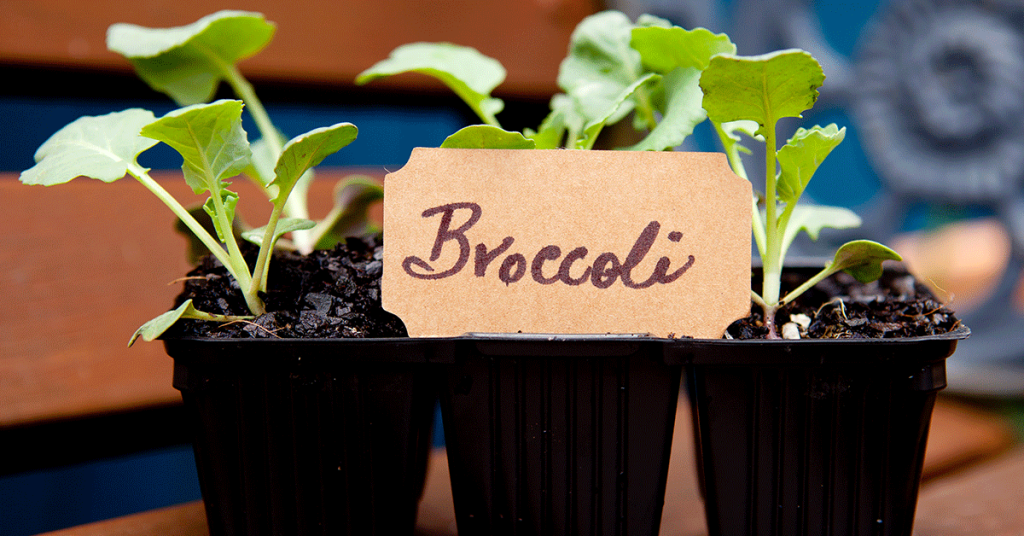
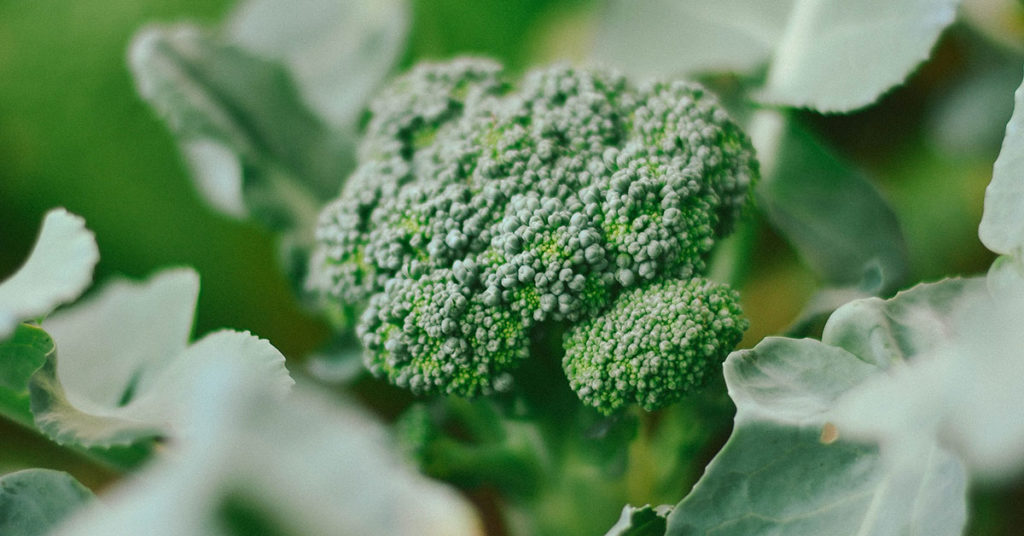
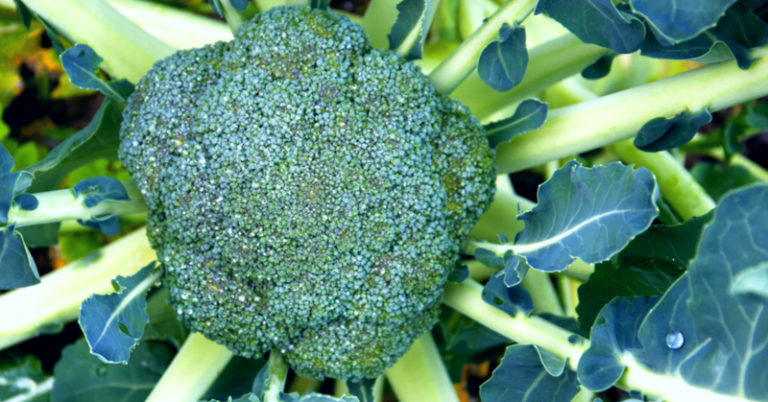
Growing broccoli in hardiness zone 13 can be a challenging but rewarding endeavor. Broccoli is a cool-season crop, so it is best planted in spring or early fall in hardiness zone 13. Broccoli requires full sun to thrive and should be planted in well-drained soil that is rich in organic matter. For best results, fertilize...
Growing broccoli in hardiness zone 12 can be a rewarding experience for gardeners. Not only is broccoli a nutritious vegetable to add to meals, but it is also relatively easy to cultivate. Broccoli is a cool-season crop, meaning it should be planted in early spring. As soon as the soil can be worked. It does...
Growing broccoli in hardiness zone 11 is a great way to enjoy fresh, homegrown vegetables. Broccoli is a cool-season crop that grows best in full sun. As well as in soil that is rich in organic matter and well-drained. It can be planted in spring or fall and can be harvested in about two to...