I’m so excited you’re exploring vining plants to grace your indoor spaces! Vines bring a lush, dynamic feel—trailing tendrils softening shelves, spilling from hanging baskets, or climbing up a moss pole. These adaptable climbers hail from diverse corners of the world—tropical rainforests, arid scrublands, and steamy mountaintops—and many have naturalized beyond their native ranges, though...
English ivy (Hedera helix) hails from the woodlands of Europe and western Asia, where it thrives under a forest canopy with dappled light and well-drained soils. In its native range, ivy provides nectar-rich flowers in late autumn that are a magnet for pollinators, and its dense foliage offers nesting sites for small birds and beneficial...
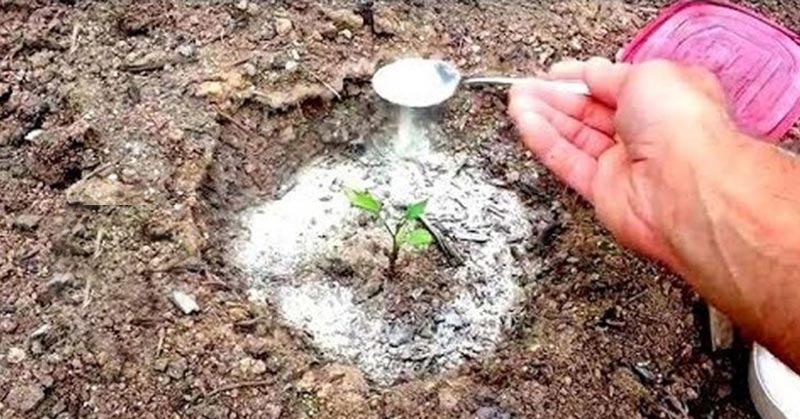
I’m so excited to dive into the surprising ways a humble box of baking soda can be your secret weapon in the garden! Sodium bicarbonate isn’t just for baking cookies—it’s a gentle fungicide that helps control powdery mildew, a soil amendment that can nudge pH upward for certain acid-sensitive blooms, and even a slug-repellent barrier...
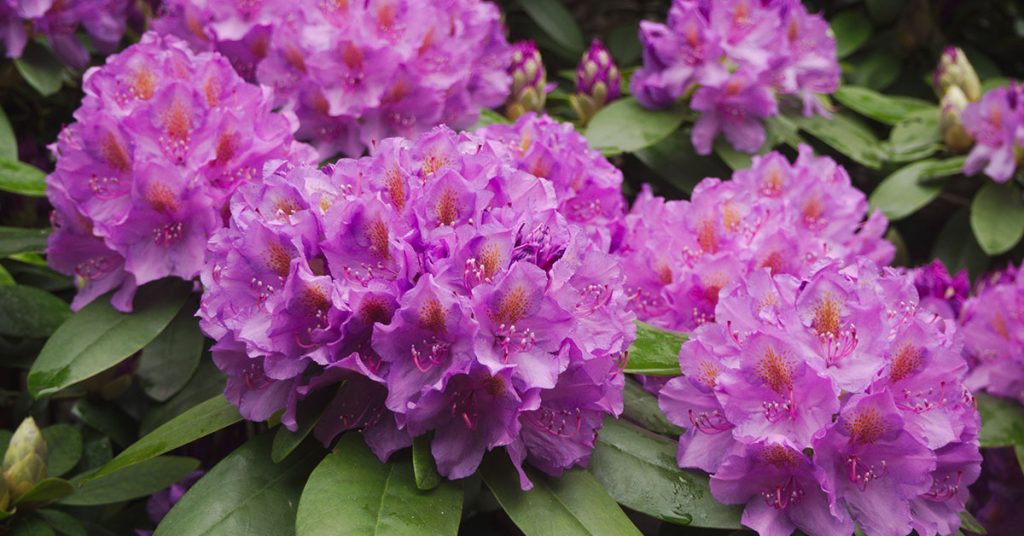
Rhododendrons (Rhododendron spp.) are a gardener’s dream, offering spectacular trusses of bell-shaped flowers that range from pure white to deep magenta. Native to the temperate woodlands of Asia, North America, and Europe, these evergreen shrubs thrive in acidic, well-draining soils that mirror their forest-floor origins. Though they’re rarely invasive when planted in the right conditions,...
I’m so excited you’re embarking on the journey to grow your own luscious kiwis (Actinidia spp.) at home! These vigorous vines hail from the mountainous regions of China, where they’ve thrived in well-drained soils and climates with warm summers and cool winters. In their native habitat, kiwis attract a bustling community of pollinators—honeybees and native...
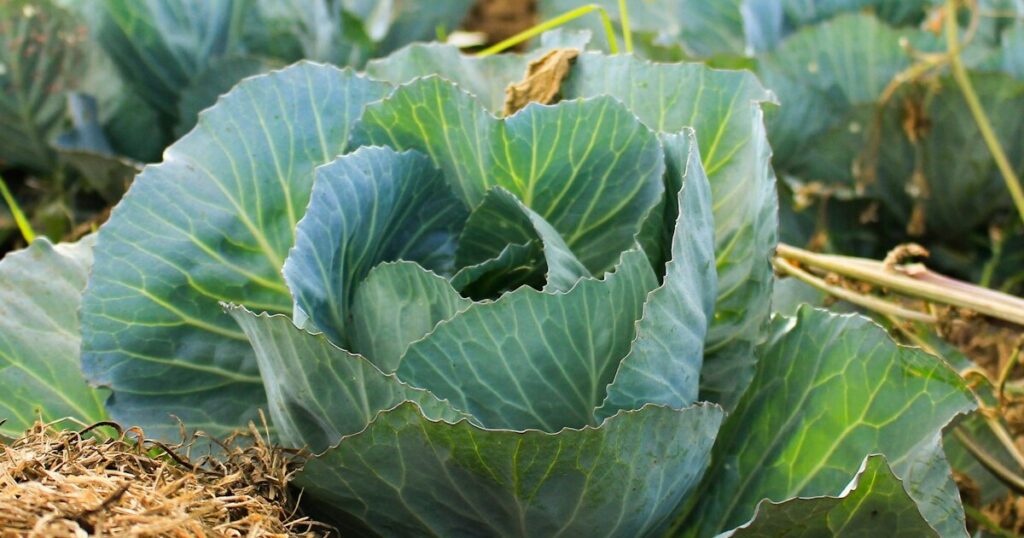
I’m so excited you’re diving into the world of companion planting with cabbage (Brassica oleracea)! Native to coastal southern and western Europe, cabbage has been cultivated for over 4,000 years and is prized for its versatility in the kitchen. Its broad leaves form wonderful shelters for ground-nesting beneficial insects like solitary bees and soldier beetles,...
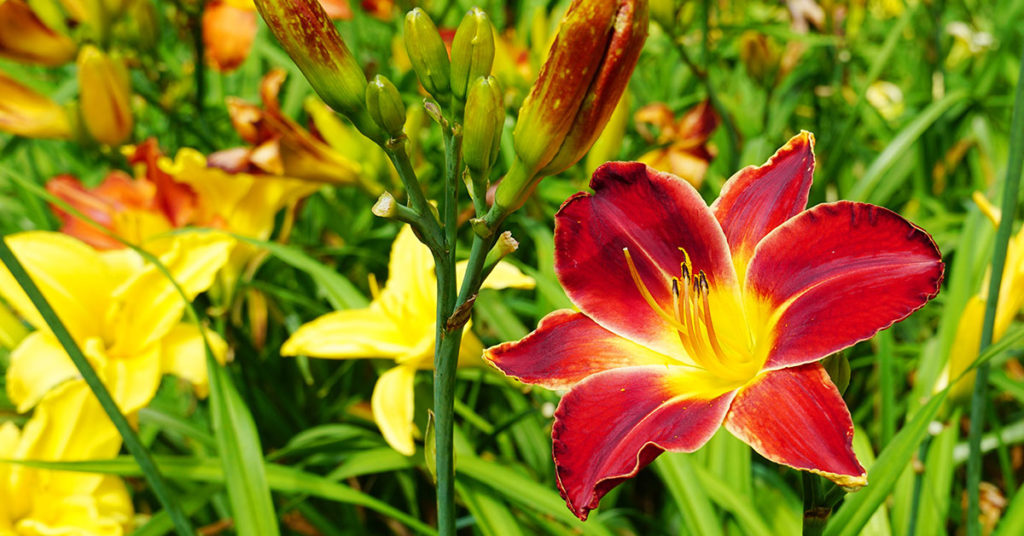
I’m so excited to share companion ideas that will make your daylily beds burst with color and brimming with beneficial wildlife! Daylilies (Hemerocallis spp.) hail from Asia—China, Korea, and Japan—and have naturalized across many temperate regions, where they form clumps of arching foliage and trumpet-like blooms. While some gardeners worry about invasiveness, most garden cultivars...
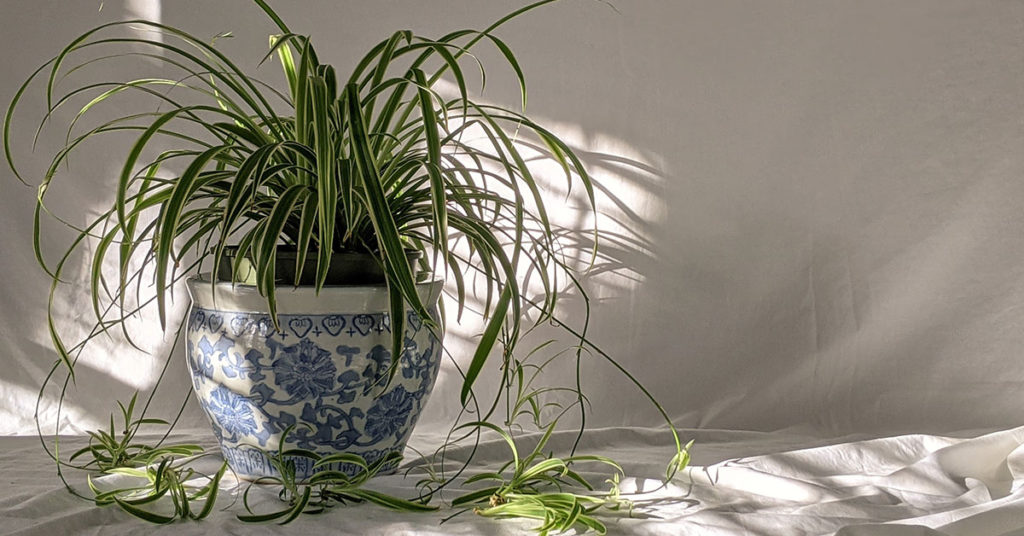
I’m thrilled you’re diving into the world of spider plant (Chlorophytum comosum) care! These adaptable houseplants hail from the forests and grasslands of South Africa, where they’ve evolved to handle both bright shade and sporadic rainfall. While they’re not considered invasive in most regions—though they can naturalize if discarded outdoors in frost-free areas—their lush, arching...
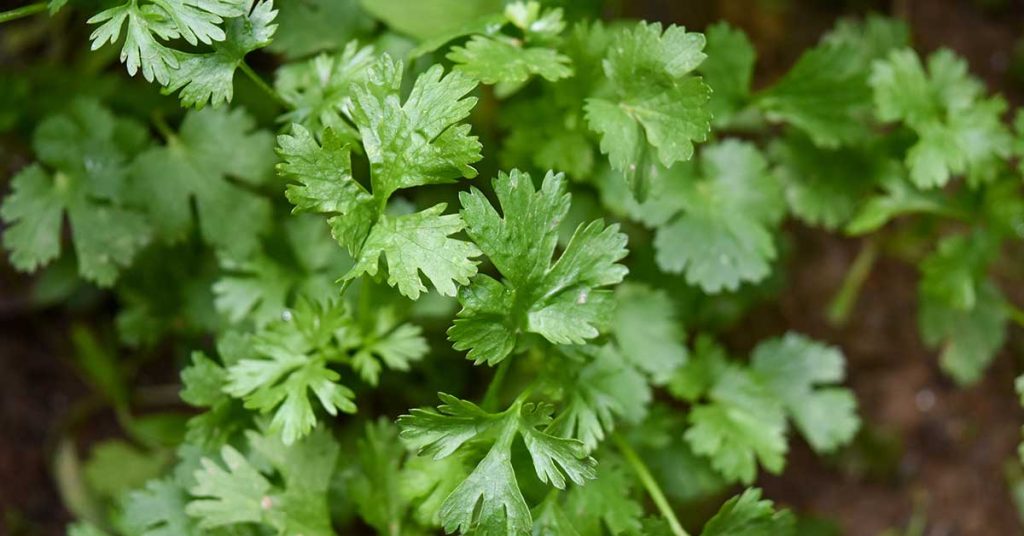
I’m so excited you’re considering parsley (Petroselinum crispum) for that prime spot by your front door! Native to the central Mediterranean region, parsley has been cultivated for millennia, cherished not just for its bright flavor but also for its ability to attract beneficial insects like ladybugs and hoverflies—those little garden heroes that feast on aphids...
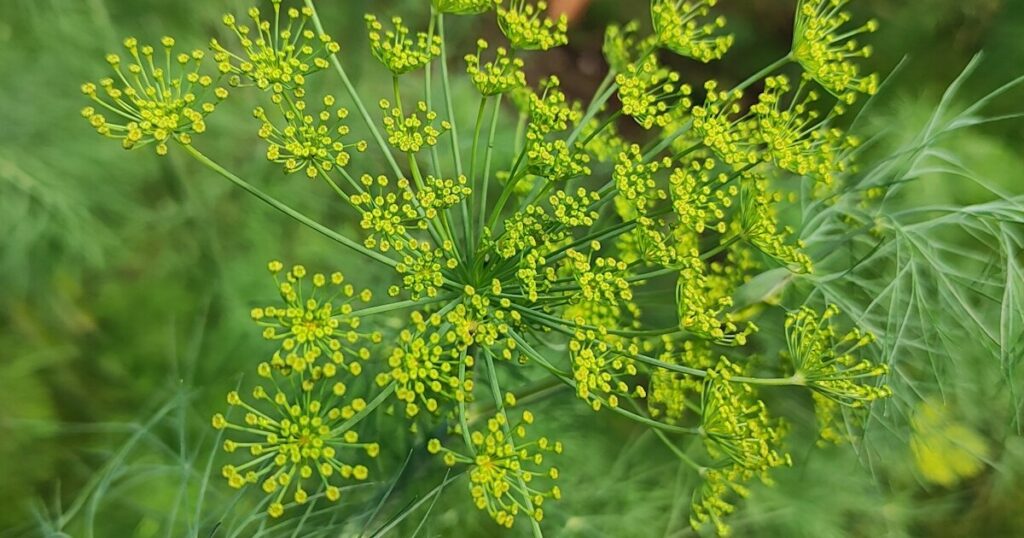
I can’t wait to share these delightful companions that thrive alongside dill! Dill (Anethum graveolens) is not only a culinary superstar but also a magnet for beneficial insects like ladybugs, lacewings, and parasitic wasps. Its feathery foliage creates inviting shelter for predatory insects that keep pests in check, and its umbrella-like flower heads provide nectar...
The charming Chinese Money Plant (Pilea peperomioides), native to the Yunnan province of southern China, has won hearts worldwide with its pancake-shaped leaves and easy-going nature. While it isn’t considered invasive, its prolific production of baby “pup” offsets makes it feel like it could take over a shelf or two! I remember the first time...
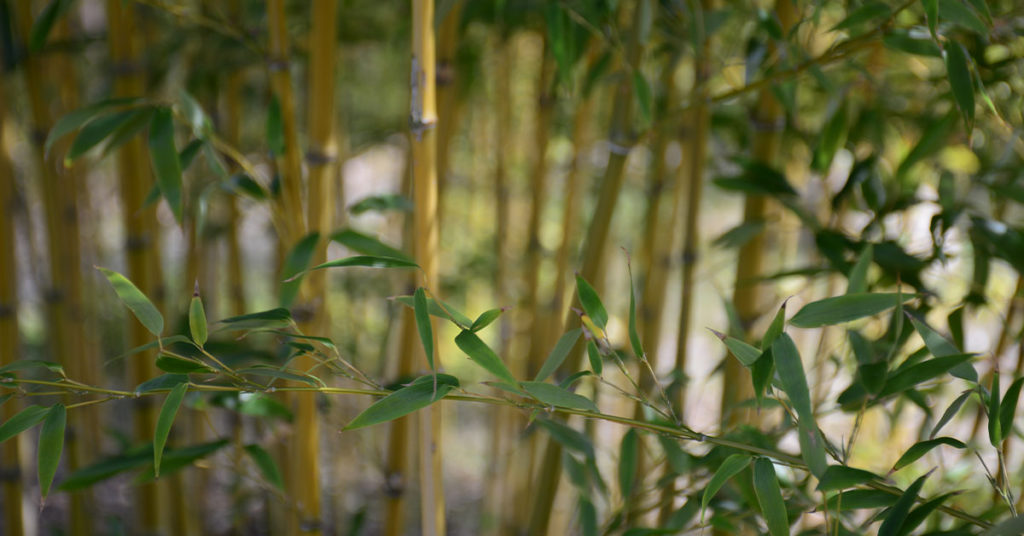
Bamboo, native to Asia, Africa, and the Americas, offers an exotic touch to gardens with its graceful canes and lush foliage. While many species are non-invasive clump-formers, several running bamboos can spread aggressively if left unchecked. It’s such a bummer to see a promising bamboo grove start popping up in unintended corners of your yard!...