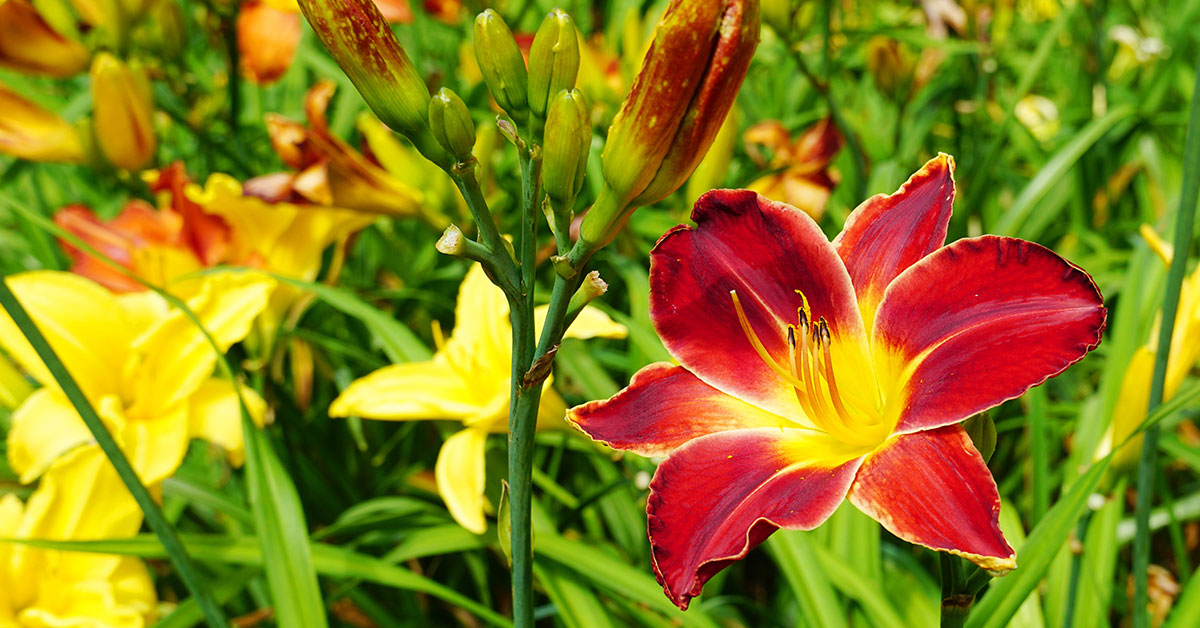

I’m so excited to share companion ideas that will make your daylily beds burst with color and brimming with beneficial wildlife! Daylilies (Hemerocallis spp.) hail from Asia—China, Korea, and Japan—and have naturalized across many temperate regions, where they form clumps of arching foliage and trumpet-like blooms. While some gardeners worry about invasiveness, most garden cultivars stay well-behaved, and their sturdy fans provide perfect hiding spots for ground-nesting pollinators and predatory insects that patrol for pests.
I know how frustrating it is when daylily scapes flop over in heavy rain or when the border looks bare before spring bulbs emerge. That’s why pairing them with the right neighbors is a game-changer: you’ll enjoy continuous bloom, layer textures, and an uptick in beneficial visitors like lacewings nesting in leafy thickets or bumblebees buzzing through aromatic blooms. Let’s dive into thirteen of my favorite companions—each section in a fresh order so you’ll discover something unexpected at every turn!
Black-eyed Susan

Black-eyed Susan (Rudbeckia hirta) is native to North America and brings cheerful golden petals around a dark center that dances in the breeze. Its sturdy stems rise above the clump, offering a bold contrast to daylilies’ arching leaves. Pollinators like butterflies often nestle among the petals, and you’ll spot solitary bees excavating small tunnels in the soil beneath!
These daisies self-seed readily if you let spent flower heads remain, but they’re not generally invasive in most garden settings. I love how their late-summer bloom extends the color party in the border when early daylilies wind down—such a relief for gardeners craving continuous interest!
Shasta Daisy
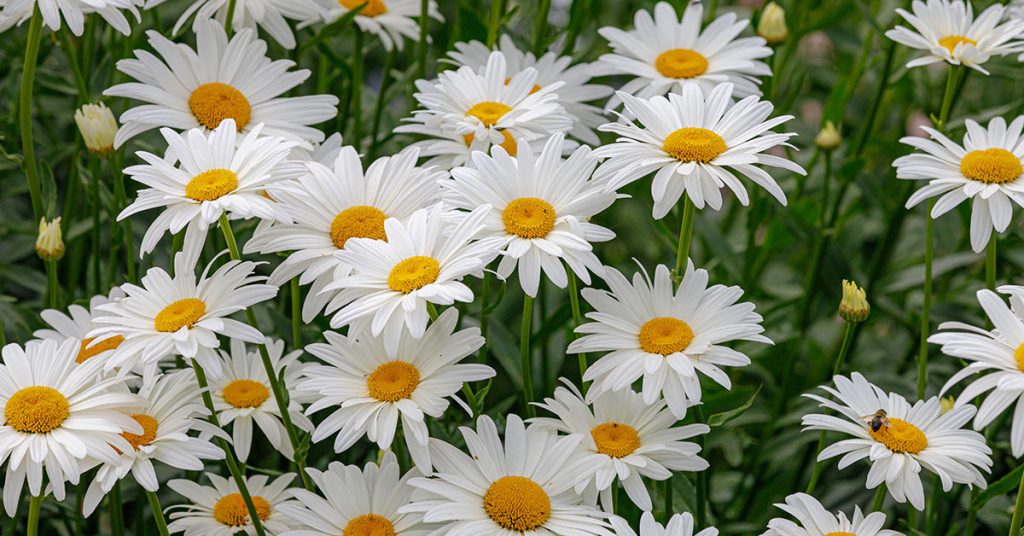
Shasta Daisy (Leucanthemum × superbum) hails from a hybrid lineage involving European and American species, offering large white blooms atop stiff, upright stalks. These crisp flowers complement daylilies’ vivid hues and create visual balance. Hoverflies are drawn to the broad discs, and their larvae feast on aphids hiding on the daylily foliage.
Though not invasive, Shasta daisies may spread slowly via rhizomes—ideal if you want to thicken a border over time. I remember planting these on a shady slope and seeing tiny lacewings taking up residence under the blooms—nature’s pest control at its finest!
Russian Sage
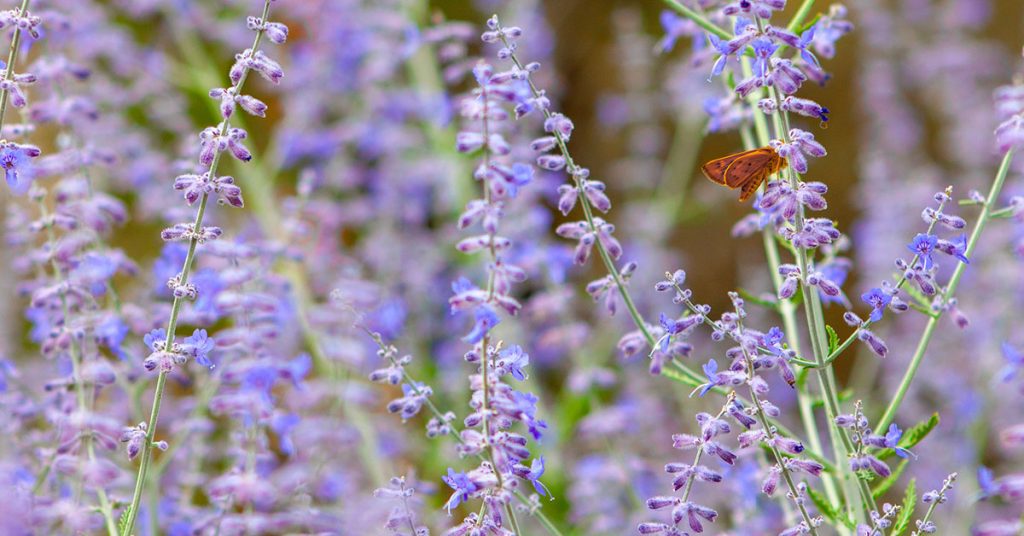
Russian Sage (Perovskia atriplicifolia) originates from Central Asia’s arid steppes, so it’s drought-tolerant once established. Its silvery stems and lavender-blue flowers create an ethereal backdrop to daylilies’ bolder colors. Bees love to nest among the woody stems and sip nectar from the long flower spikes!
As a non-invasive shrub, it won’t overrun the bed, and its airy habit helps break up heavy daylily masses. One of my favorite moments is watching bumblebees hover midair, harvesting pollen from those tubular blooms—pure garden magic!
Bee Balm

Bee Balm (Monarda didyma) is a native North American gem known for its fiery red or pink blooms. Hummingbirds and bees flock to its nectar-rich flowers, often nesting in nearby brush piles or thick foliage. Planting bee balm next to daylilies amps up wildlife activity and adds vertical flair to the border.
However, bee balm can spread via rhizomes and self-seeding, so plan for occasional thinning to keep it in bounds. I once spent a summer marveling at the kaleidoscope of pollinators—hoverflies, honeybees, and ruby-throated hummingbirds—dancing between daylily and bee balm blooms. It felt like hosting a mini wildlife sanctuary!
Ornamental Grasses

Ornamental grasses such as Feather Reed Grass (Calamagrostis x acutiflora) or Fountain Grass (Pennisetum alopecuroides) introduce wispy texture and movement alongside the sturdy daylily clumps. Native varieties like little bluestem (Schizachyrium scoparium) also work beautifully, supporting ground-nesting bees that tunnel in the base of the tufts.
Most ornamental grasses remain well-contained, but watch out for self-seeding in some cultivars. I adore hearing the soft rustle of grass seed heads brushing against daylily leaves in the evening breeze—it’s like a gentle lullaby for the garden!
Echinacea

Echinacea (Echinacea purpurea), native to the prairies of central and eastern North America, is famed for its coneflower blooms and medicinal roots. The raised central cones provide landing platforms for butterflies, and small beetles often nest in the leaf litter below, patrolling for aphids.
Echinacea rarely escapes a cultivated bed, making it a reliable partner. When planted with daylilies, I love watching cardinal flowers flit among purple coneflowers and bright daylily trumpets—a dynamic trio that delights all season long!
Yarrow
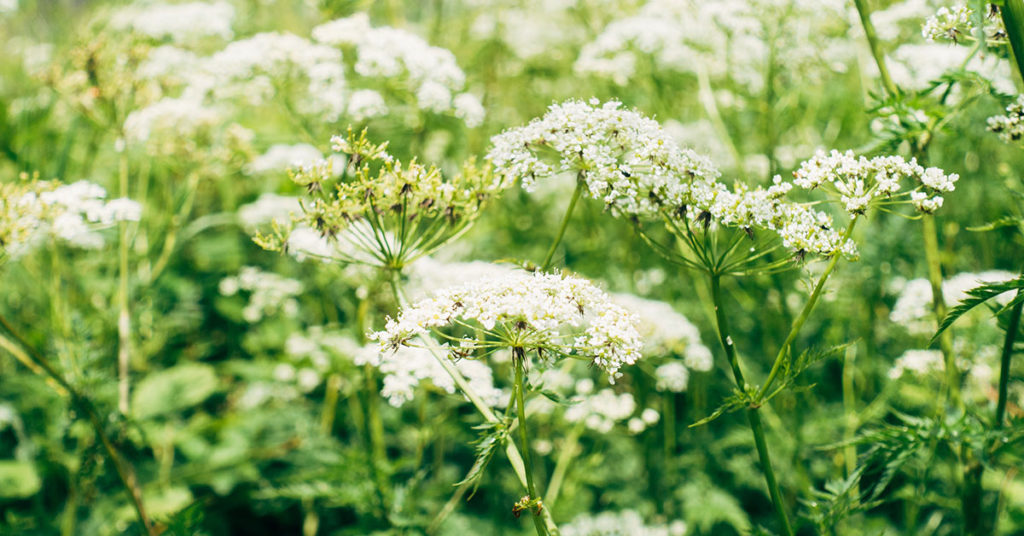
Yarrow (Achillea millefolium) is another North American native known for its flat-topped clusters of white, pink, or yellow flowers. These umbels draw in syrphid flies whose larvae munch on pests, and the ferny foliage beneath offers shelter for ground beetles on the hunt.
Though yarrow can spread aggressively via rhizomes, you can corral it with garden edging. I once edged my daylily island with yarrow and was amazed at the increase in beneficial insects—nature’s own pest patrol right at my doorstep!
Catmint

Catmint (Nepeta × faassenii) hails from hybridized Mediterranean species and exudes a gentle minty fragrance that bees adore. Its soft purple flowers form a low mound, perfect for front-of-border texture next to daylilies’ bold blooms. Ground-nesting pollinators often create tiny burrows in the loamy soil around catmint clusters.
This plant seldom self-seeds, making it tidy and low-maintenance. One spring, I watched leafcutter bees carrying neat discs of catmint foliage back to their nests—such industrious little builders! Their activity translated into fewer spider mite outbreaks on my daylilies, too.
Gaura

Gaura (Oenothera lindheimeri) comes from the American South and displays delicate white or pink flowers that flutter on wiry stems like tiny butterflies. Its airy form contrasts fabulously with daylilies’ robust fans, and each blossom beckons small pollinators to nest in the undersides of foliage.
While gaura can self-seed in warm climates, it isn’t invasive in most gardens. I love the way those delicate blooms dance in the breeze—it’s like choreography, providing a whimsical backdrop to the daylily’s bold statements!
Sedum
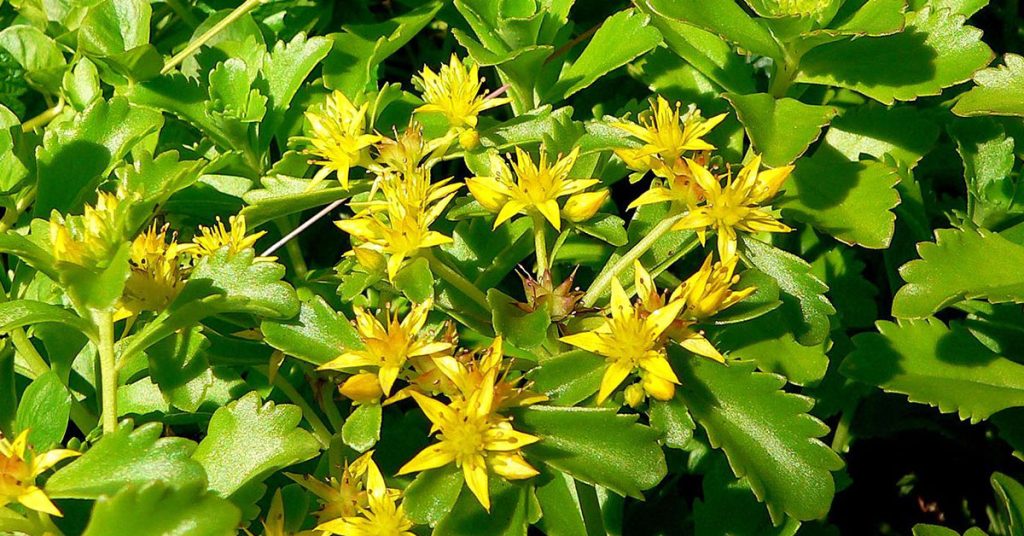
Stonecrop or Sedum (Sedum spectabile and friends) offers succulent leaves and clusters of starry flowers in late summer. Native sedums come from various regions, including Europe and Asia, and their thick leaves store water, making them drought-tolerant companions. Ladybugs often nest under the fleshy foliage, emerging to feast on aphids crawling up daylily stalks.
Sedums generally stay put, but stray seeds can sprout nearby if conditions are right. One of my favorite practices is planting sedum around the edges of a daylily bed—when autumn arrives, the color harmony between rust-hued sedums and late-blooming daylilies is simply stunning!
Coreopsis
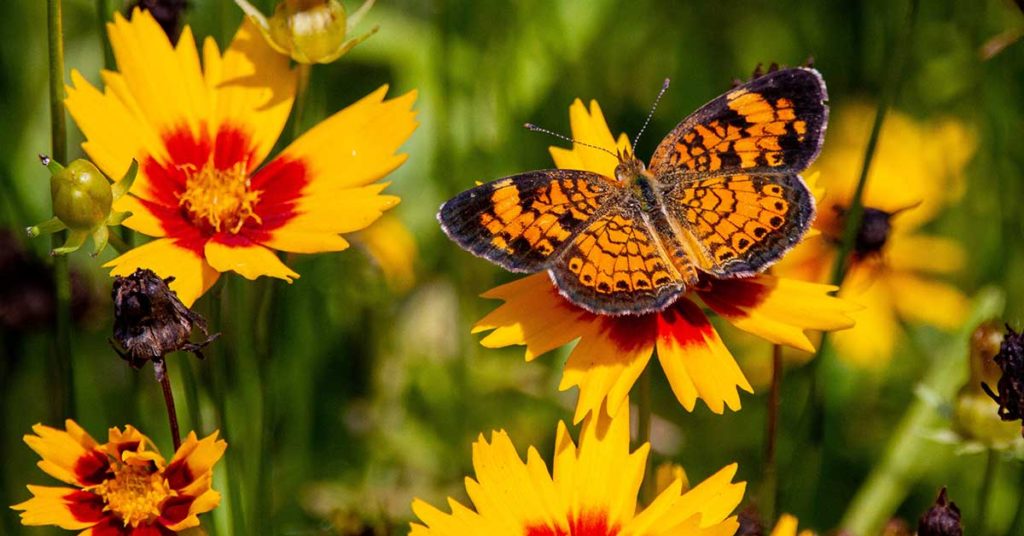
Coreopsis (Coreopsis lanceolata), native to eastern North America, produces cheerful yellow daisy-like flowers that flutter atop slender stems. Butterflies gravitate to the blooms, and tiny predatory wasps often nest in the vacant soil spaces near the clump.
Coreopsis can self-sow but seldom becomes invasive in cultivated beds. I once had a patch volunteer so enthusiastically that I had to share extras with neighbors—a testament to its sunny resilience! When set alongside daylilies, they create a warm sunrise palette that lights up the garden.
Phlox

Garden Phlox (Phlox paniculata), native to the eastern United States, showcases fragrant clusters of pink, white, or red blooms. Its heady scent draws hummingbirds and butterflies, which may then explore nearby daylily flowers. The tall stems provide perching spots for lacewing larvae that munch on pest insects.
While phlox can spread if conditions are ideal, it’s easily managed by division. I’ve rescued tiny hummingbird nests tucked into phlox clumps—an unforgettable moment that reminded me how companion planting deepens the garden’s story!
Lavender
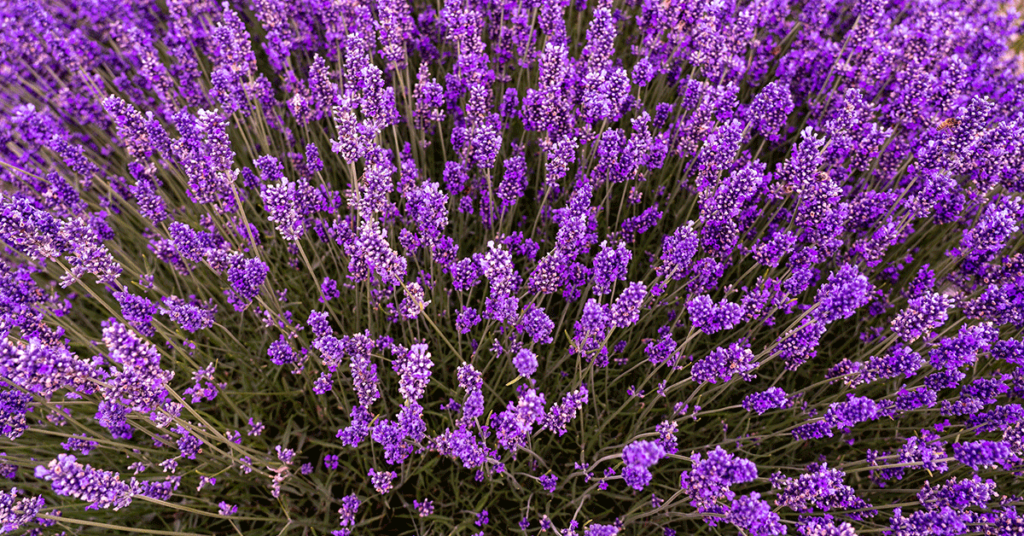
Lavender (Lavandula angustifolia) comes from the Mediterranean mountains and brings silvery foliage and fragrant purple flower spikes to the border. Bees love the blooms and often establish small nests in sandy patches beneath the plants. Daylilies next to lavender benefit from this heightened pollinator presence.
Though lavender rarely self-seeds in most soils, it thrives in well-draining conditions like those daylilies appreciate once established. I can’t resist brushing past lavender blooms to inhale that calming scent—then turning to marvel at daylilies opening in the morning sun. Garden therapy at its finest!