Many gardeners have some form of lavender in their garden, simply because it’s one of the best and easiest herbs you could grow! The smell, the texture, and the way they look, lavender is an excellent plant to have in your garden. However, there are a few tricks to fertilizing lavender the right way without...
Gardening Tips
Having a garden is a key aspect of a sustainable lifestyle. When you go to the grocery store to buy produce like fruits and vegetables, as well as eggs, each of those items comes with a carbon footprint and other environmental complications. Unfortunately, a lot of industrial-level farming practices aren’t good for the environment and they aren’t sustainable either. Growing your own fruits and vegetables reduces the negative impact that industrial farming has.
We are strong proponents of living a sustainable lifestyle, both by having a garden and by making environmentally friendly choices that put you on a more sustainable path. That includes using less single-use plastic, conserving energy and water, gardening using organic methods, avoiding synthetic chemicals inside and outside of the home, driving less, living off the grid, and other sustainable efforts.
Sustainable living isn’t just good for the planet but it’s good for you too. Often times, living sustainably means simplifying your life – you get more out of life with less. Sustainable living helps avoid unnecessary consumerism, save money, save the earth, and save your sanity all along the way.
Our gardening tips will help guide you to a greener lifestyle that benefits the planet, your pocket, your community, and yourself too. If all of us did just a little bit to be more sustainable, we could have a massive positive impact and change our world.
So let’s explore these gardening tips together and work toward a greener future for our kids and grandkids.
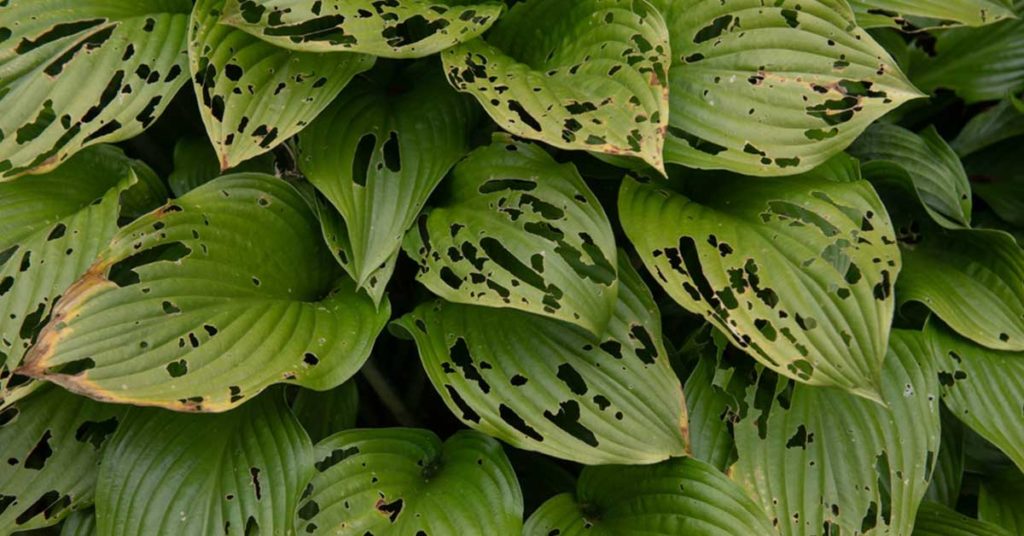
The north-facing side of my house is shrouded in shade for most of the day, so what do I plant? Hostas. But for years, my hostas would be covered in holes, especially as the summer wore on. It drove me nuts seeing those large, thick, deep green leaves covered in holes like that. Through research...
Lavender is one of those plants that surprise gardeners when it fails to thrive. It’s so hardy and tolerant of abuse that seeing a drooping, wilting lavender plant is a pretty rare occurrence. But if you are experiencing lavender drooping, take no offense: it can be caused by a few different reasons, some of which...
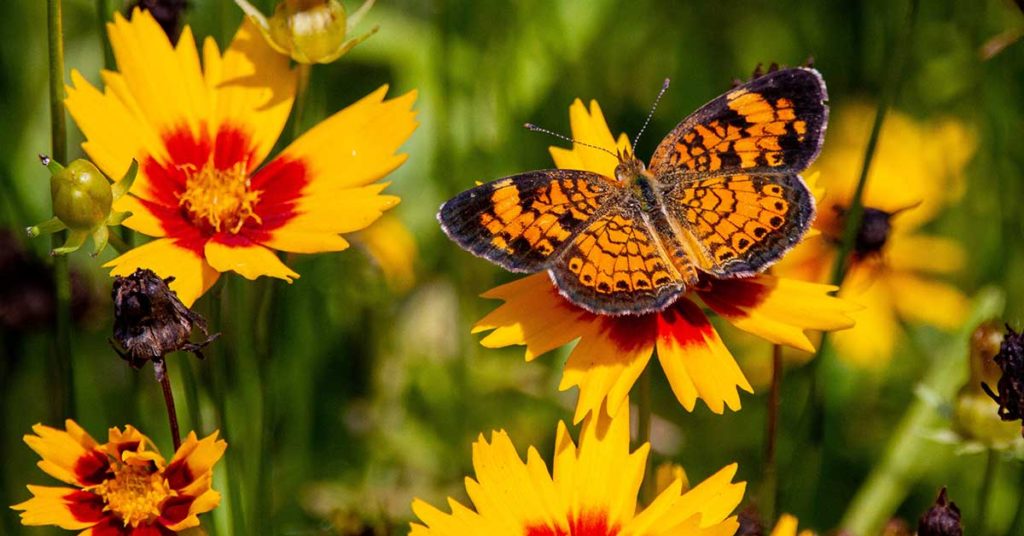
Coreopsis is one of the most popular plants in any perennial garden and is valued for its prolonged blooming season and also the minimal hassle required to grow it. Also known as tickseed, this elegant native prairie plant produces cheerful, daisy-like blooms all through the summer, and flourishes despite the blazing sun and the sweltering...
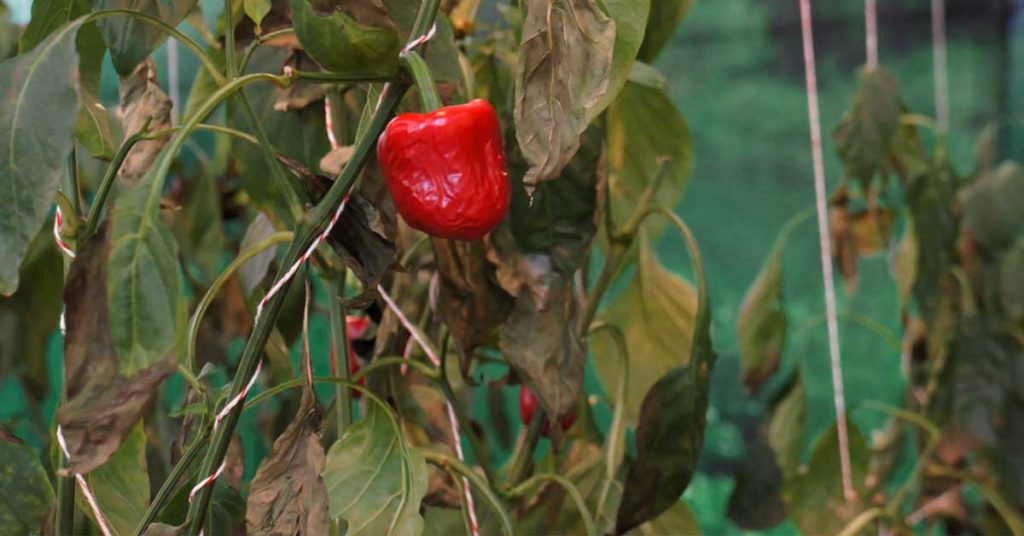
Stress, nutritional imbalances, pests, and diseases are all threats to pepper crops. Browning of the pepper plant’s leaves is a regular issue. If the leaves on your pepper plant are turning brown, and it might be due to a number of different things. Read on to learn why and how to treat pepper plant leaf...
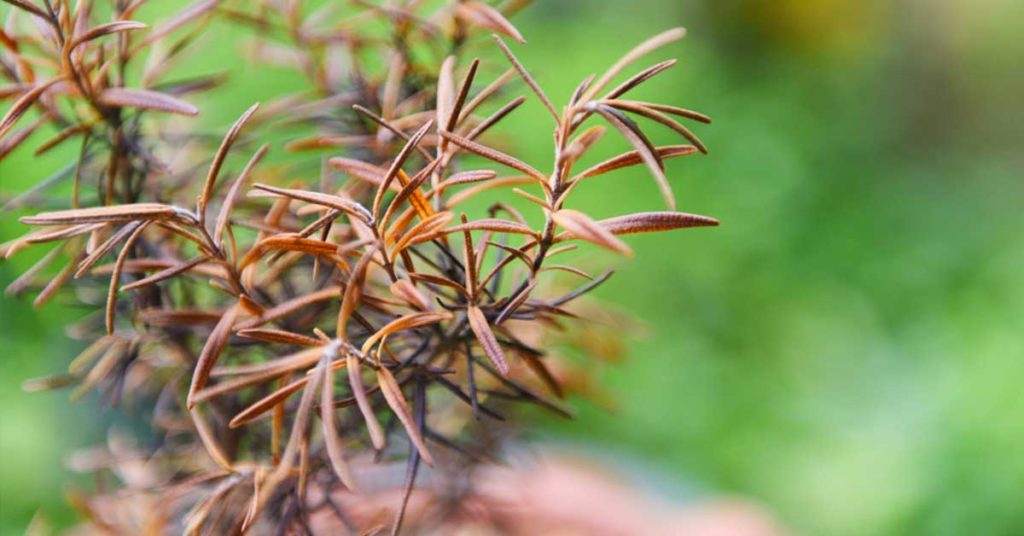
Aromatic rosemary originates in the Mediterranean and is an evergreen herb. In addition to its possible health advantages, it is also used as a flavoring agent, and in the creation of personal scents. Rosemary, as well as other herbs including oregano, thyme, basil, and lavender, belongs to the mint family Lamiaceae. Rosemary is a tasty...
I’ve heard it time and time again: my peace lily is getting way too big, how do I go about dividing a peace lily? Peace lilies are an evergreen, tropical plant that, in the wild, thrives growing on the forest floor. In captivity, they thrive simply as house plants. Peace lilies are a favorite of...
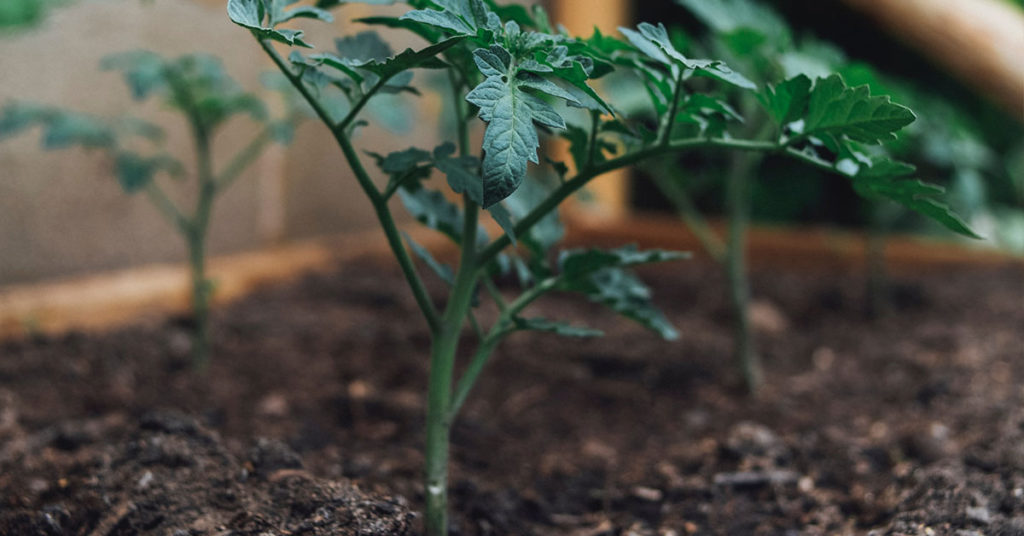
I’ve gotten this question many times: why are my tomato leaves turning white? I grow tomatoes every year and have personally experienced just about every possible problem they can throw at you, including their leaves turning white. The good news is that the most common causes of leaf whitening on tomatoes are easily walked back...
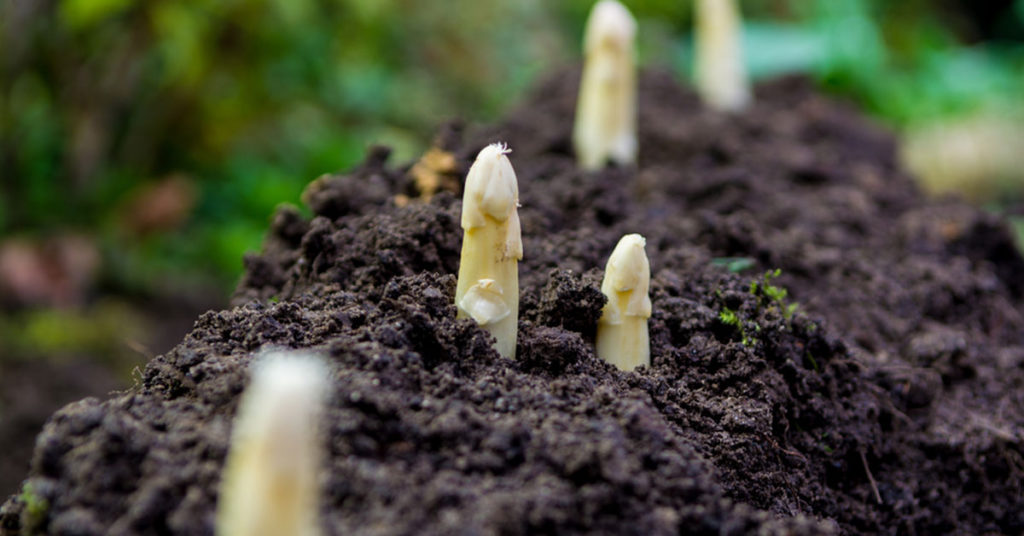
Asparagus can be one of the most rewarding vegetables that you could propagate over and over again. One of the more ideal methods of propagating asparagus with succession is using the root crowns of the plant. Although you can technically propagate asparagus through plant division, it should grow just fine that way as well. However,...
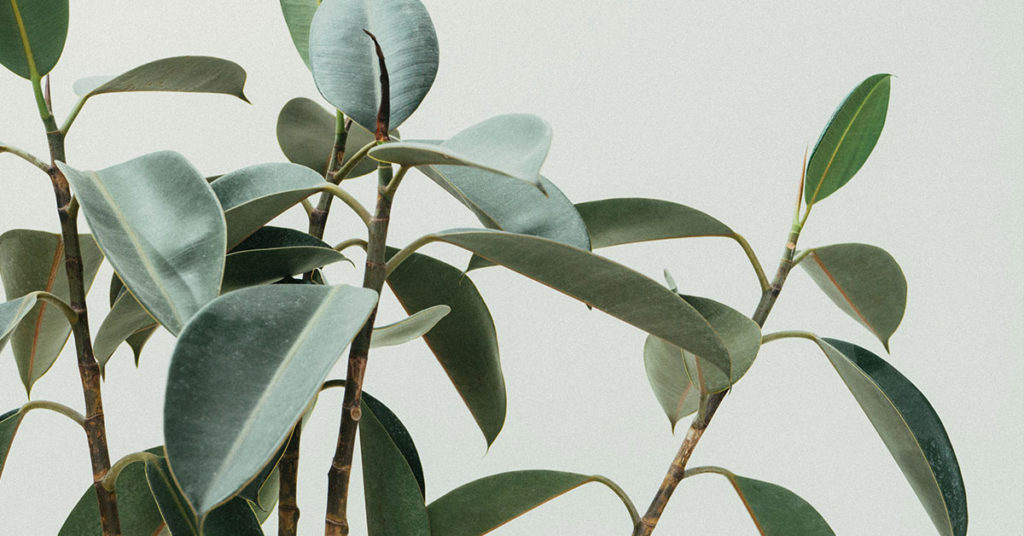
Rubber plants are some of the most unique-looking plants you could have around your household. They may also be one of the trickiest house plants you could have as well. The growth of the plant is very upright and their deep green leaves have this interesting glossy texture to them. The appearance of this plant...
There really are few things in this life that are more tragic than putting your heart and soul into something only to be thwarted by natural forces. Deer can be a serious thorn in the side of rose gardeners – no pun intended in this case. Unfortunately, deer eat roses. But selecting the right type...
Collecting yucca seeds and replanting them yourself is a great way to propagate new yucca plants. Yuccas aren’t just one plant but a genus of plant that contains around 50 species. Yuccas are native to hot, dry, and arid regions of the Americas and the Caribbean. They are tough, hardy plants with sword-like leaves and...