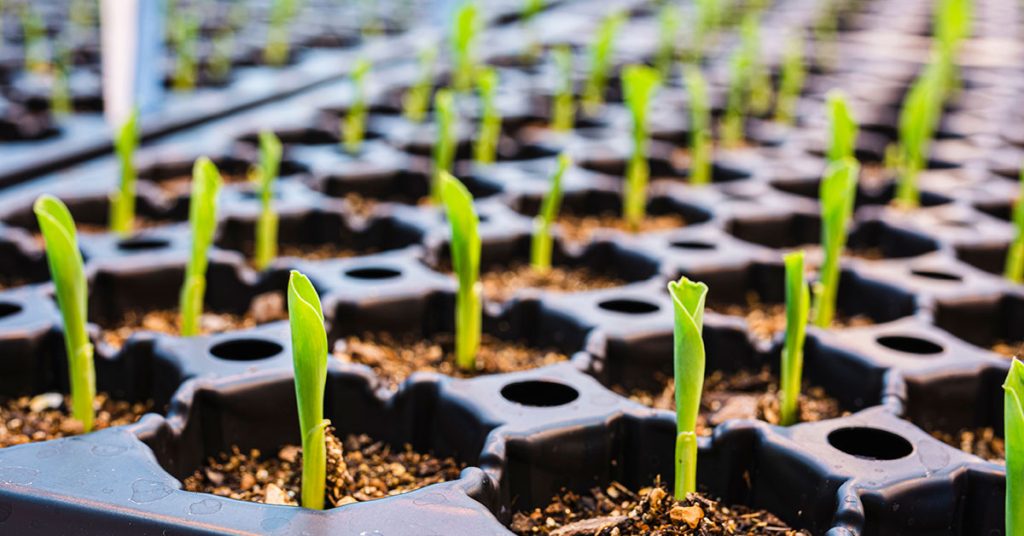
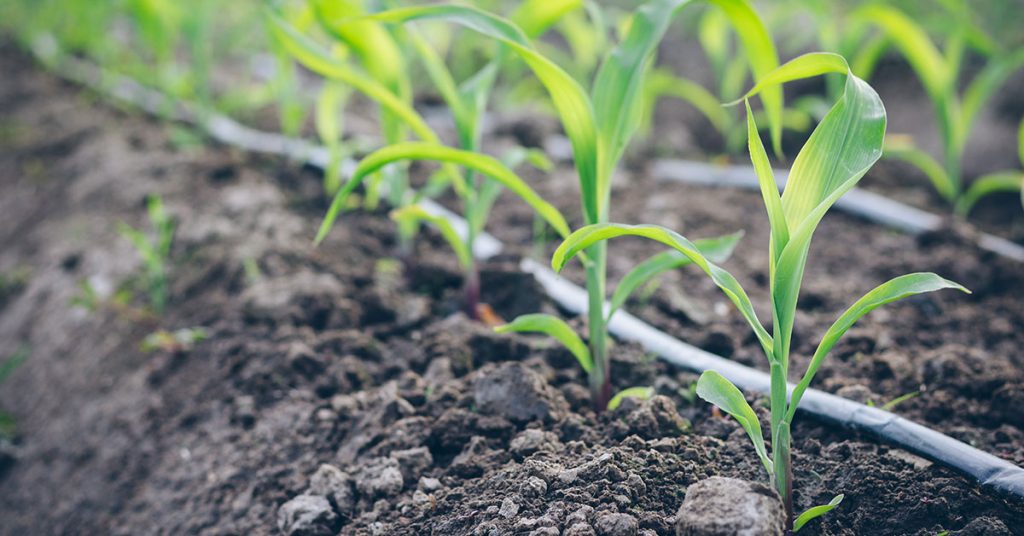
Knowing when to plant corn in hardiness zone 5 is very important because the climate in this zone can vary significantly. Corn requires warm temperatures and a long growing season in order to reach its full potential. Planting too early can lead to a failed crop due to cold temperatures or freezes while planting too...
Gardening Tips
Having a garden is a key aspect of a sustainable lifestyle. When you go to the grocery store to buy produce like fruits and vegetables, as well as eggs, each of those items comes with a carbon footprint and other environmental complications. Unfortunately, a lot of industrial-level farming practices aren’t good for the environment and they aren’t sustainable either. Growing your own fruits and vegetables reduces the negative impact that industrial farming has.
We are strong proponents of living a sustainable lifestyle, both by having a garden and by making environmentally friendly choices that put you on a more sustainable path. That includes using less single-use plastic, conserving energy and water, gardening using organic methods, avoiding synthetic chemicals inside and outside of the home, driving less, living off the grid, and other sustainable efforts.
Sustainable living isn’t just good for the planet but it’s good for you too. Often times, living sustainably means simplifying your life – you get more out of life with less. Sustainable living helps avoid unnecessary consumerism, save money, save the earth, and save your sanity all along the way.
Our gardening tips will help guide you to a greener lifestyle that benefits the planet, your pocket, your community, and yourself too. If all of us did just a little bit to be more sustainable, we could have a massive positive impact and change our world.
So let’s explore these gardening tips together and work toward a greener future for our kids and grandkids.
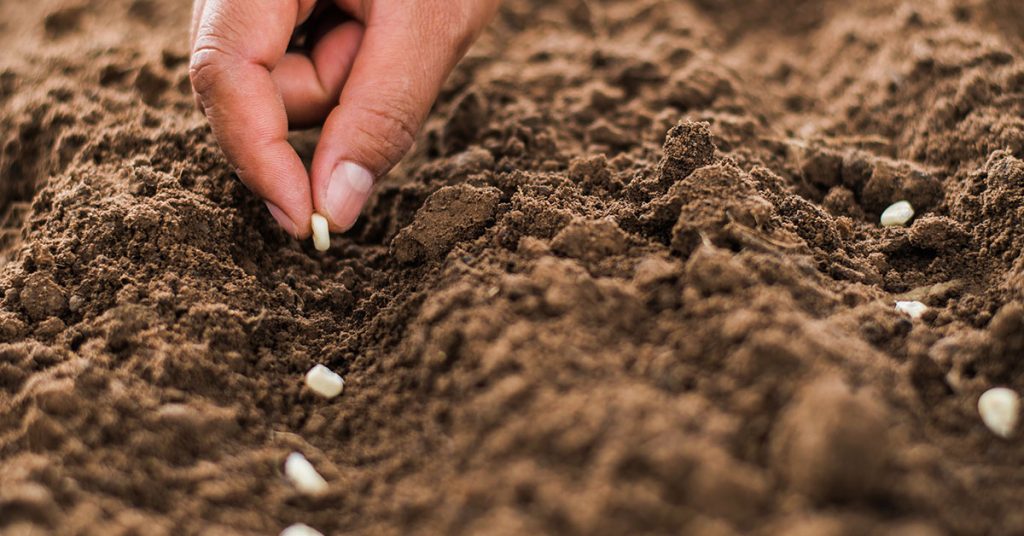
Knowing when to plant corn in hardiness zone 4 is essential for a successful harvest. Corn is a warm-season crop and should be planted after the danger of frost has passed. This is usually around mid-May or early June, depending on the location. If planted too early, the corn will suffer from cold temperatures and...
Knowing when to plant corn in hardiness zone 3 is essential for growing a successful crop. Planting corn too early can result in seedlings that are weak and vulnerable to frost. Planting too late can result in lower yields and a shorter growing season. Corn is a warm-season crop, so the ideal time to plant...
Knowing when to plant corn in hardiness zone 2 is incredibly important for successful yields. Corn grows best in temperatures between 65 and 95 degrees Fahrenheit, and most of the corn crop needs about 100 frost-free days to mature. In hardiness zone 2, where average last frost dates range from late May to early June,...
Knowing when to plant corn in hardiness zone 1 is important for successful yields and a healthy harvest. Corn is a heat-loving crop, so planting too early can lead to stunted growth or extreme cold damage. Additionally, if planted too late, corn will not have enough time to mature and may not reach the desired...
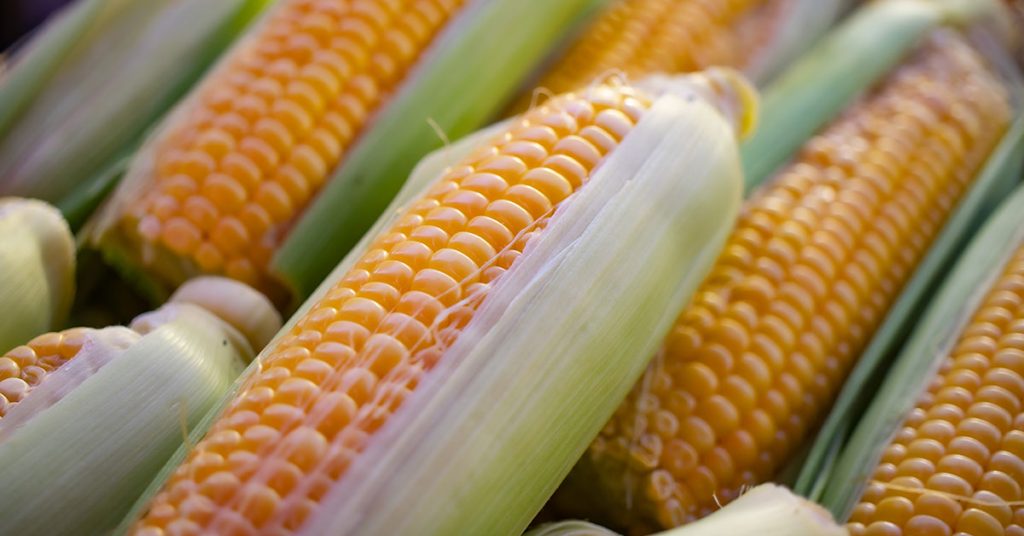
Heirloom sweet corn varieties are prized for their flavor, texture, and rich history. These unique and diverse corns have been passed down through generations, carefully preserved for their distinctive characteristics. Growing heirloom sweet corn in your garden can be a rewarding experience, as you savor the flavors of the past while enjoying a taste of...
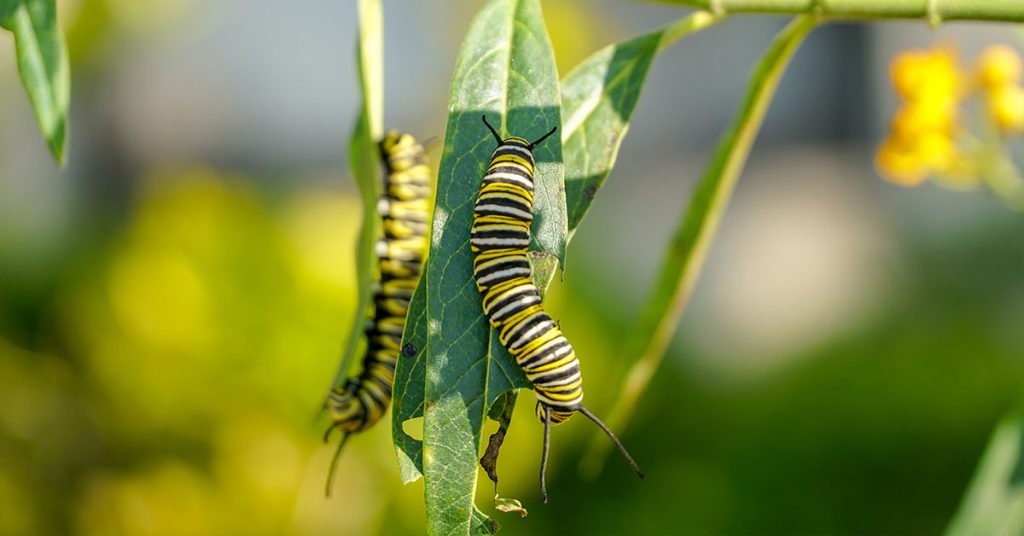
If you’ve ever seen a butterfly fluttering around your garden, you know how beautiful and peaceful it can be. But did you know that there are some simple steps you can take to help support the butterflies attracted to your garden? Creating a butterfly-friendly garden will not only help the butterflies, but it can also...
Rhode Island has a unique climate that is well-suited to growing carrots. This small state has a moderate climate and is rarely subject to extreme temperatures, making it a great place to grow carrots. The warm, humid summers provide the ideal conditions for carrots to grow and produce a healthy crop, while the cold winters...
Growing carrots in Connecticut can be a rewarding experience. The climate in Connecticut is ideal for the cultivation of carrots, with warm summers, cold winters, and plenty of rainfall. Carrots require a lot of sunlight and well-drained, fertile soil to thrive, both of which can be found in abundance in Connecticut. Carrots also need a...
Growing carrots in Massachusetts can be a rewarding experience, as the climate in the state is ideal for the vegetable. Massachusetts has a humid continental climate with warm summers and cold winters, which is perfect for growing carrots. The warm weather during the summer months allows for plenty of sunshine for photosynthesis and the cold...
Growing carrots in New Hampshire can be a rewarding experience. The climate in New Hampshire is ideal for growing carrots as it is generally mild with cool summers and cold winters. The soil is rich in organic matter, which is essential for growing healthy carrots. The average annual rainfall in New Hampshire is sufficient for...
Growing carrots in Vermont is a rewarding experience. The climate in Vermont is ideal for growing carrots, providing the perfect balance of cold winters and warm summers. The soil is rich and well-drained, allowing for ample moisture and nutrients to be available to the growing plants. Vermont benefits from an abundance of rainfall, providing carrots...