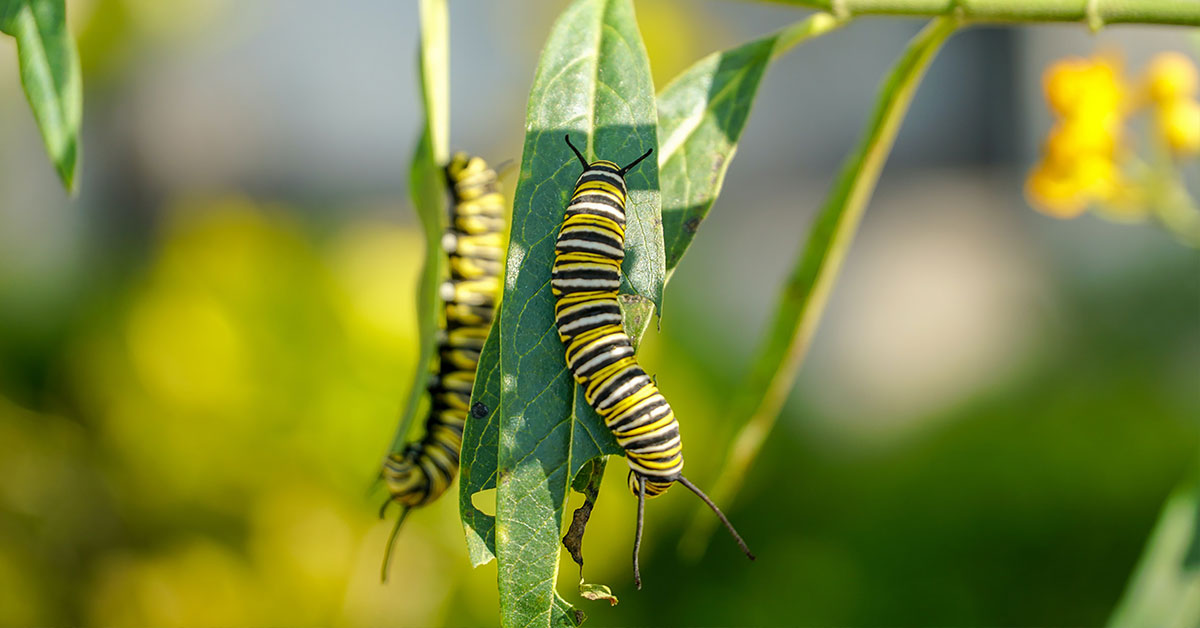

If you’ve ever seen a butterfly fluttering around your garden, you know how beautiful and peaceful it can be. But did you know that there are some simple steps you can take to help support the butterflies attracted to your garden?
Creating a butterfly-friendly garden will not only help the butterflies, but it can also be a great way to add a splash of color and interest to your outdoor space. In this article, we’ll discuss the best ways to create a butterfly-friendly garden and provide tips on how to support these beautiful creatures.
Why You Should Support Butterflies
Butterflies play an important role in pollinating gardens, helping to ensure that plants produce the food, flowers, and other products that we enjoy. Without butterflies, we could see a decline in the variety and abundance of plants in our gardens. Supporting butterflies that pollinate your garden is essential for providing food for the butterflies and for keeping the garden healthy.
By creating a butterfly-friendly environment, you can help ensure that your garden is pollinated by butterflies and is productive and vibrant. Building a butterfly garden with nectar-rich plants, providing clean water and mud, and avoiding the use of pesticides are all great ways to support butterflies in your garden.
How To Create A Butterfly-Friendly Environment
To start, plant native flowers that are rich in nectar, such as zinnias, asters, and cosmos. Butterflies love these flowers as they provide them with a main food source. You can also add shrubs and trees that provide shelter, such as lilac and dogwood. Butterflies need places to hide from the sun and wind.
Additionally, provide a source of water, such as a shallow dish or birdbath, that is filled with stones for the butterflies to land on. Lastly, avoid chemical pesticides and herbicides as these can be toxic to butterflies.
To attract butterflies with nectar, it’s important to provide and maintain a variety of nectar-producing plants in your garden. Annuals, perennials, and shrubs that produce nectar-rich blooms are ideal for butterflies, such as coneflowers, lantana, bee balm, and butterfly bush. Butterflies are attracted to a variety of colors, so be sure to include a wide range of colorful blossoms in your garden.
The Importance Of Supporting Butterfly Populations
Butterfly populations are important for a variety of reasons. Firstly, butterflies are important pollinators for many plants, allowing for the spread of pollen, which is essential for plant growth and reproduction. In addition, butterflies can serve as indicators of the health of an ecosystem, with their presence or absence often indicative of the overall health of the environment.
Supporting local butterfly populations can also help ensure a healthy and diverse food web, as butterflies are often prey for a variety of other animals. Finally, local butterfly populations can provide a sense of beauty and wonder to local areas, making them more attractive places to live. Supporting local butterfly populations is therefore essential for the maintenance of healthy ecosystems, essential services, and vibrant communities.
Research Local Butterfly Support Groups
Researching for local butterfly support groups can help further understand how to help local butterfly populations by connecting with like-minded individuals and groups who share a common interest in conserving butterflies.
By joining a support group, you can learn from experts and volunteers who are knowledgeable about the local butterfly species, their habitats, and their conservation needs. You can also benefit from the resources and advice they provide, such as information on how to create butterfly-friendly gardens, how to identify local species, and how to participate in local conservation efforts.
Additionally, by joining a local support group, you can connect with other butterfly enthusiasts who can provide valuable insights, advice, and resources that can help you better understand and help local butterflies.