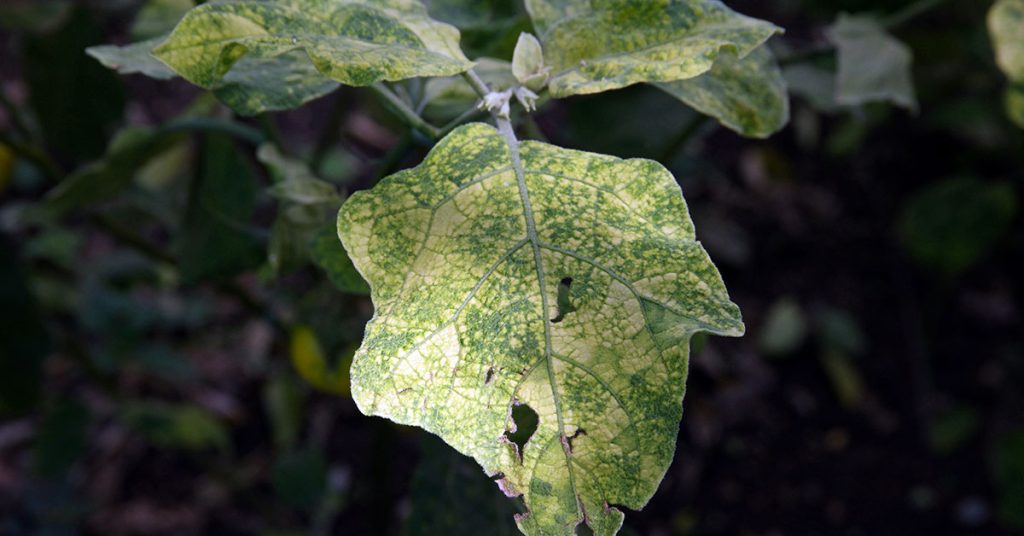
Eggplants, also known as aubergines, are versatile and delicious vegetables that can be used in a wide range of dishes. However, like any other plant, there are various eggplant problems that can hinder their growth and development. In this article, we will explore some of the common eggplant problems, including diseases, pests, and other issues,...
Gardening Tips
Having a garden is a key aspect of a sustainable lifestyle. When you go to the grocery store to buy produce like fruits and vegetables, as well as eggs, each of those items comes with a carbon footprint and other environmental complications. Unfortunately, a lot of industrial-level farming practices aren’t good for the environment and they aren’t sustainable either. Growing your own fruits and vegetables reduces the negative impact that industrial farming has.
We are strong proponents of living a sustainable lifestyle, both by having a garden and by making environmentally friendly choices that put you on a more sustainable path. That includes using less single-use plastic, conserving energy and water, gardening using organic methods, avoiding synthetic chemicals inside and outside of the home, driving less, living off the grid, and other sustainable efforts.
Sustainable living isn’t just good for the planet but it’s good for you too. Often times, living sustainably means simplifying your life – you get more out of life with less. Sustainable living helps avoid unnecessary consumerism, save money, save the earth, and save your sanity all along the way.
Our gardening tips will help guide you to a greener lifestyle that benefits the planet, your pocket, your community, and yourself too. If all of us did just a little bit to be more sustainable, we could have a massive positive impact and change our world.
So let’s explore these gardening tips together and work toward a greener future for our kids and grandkids.
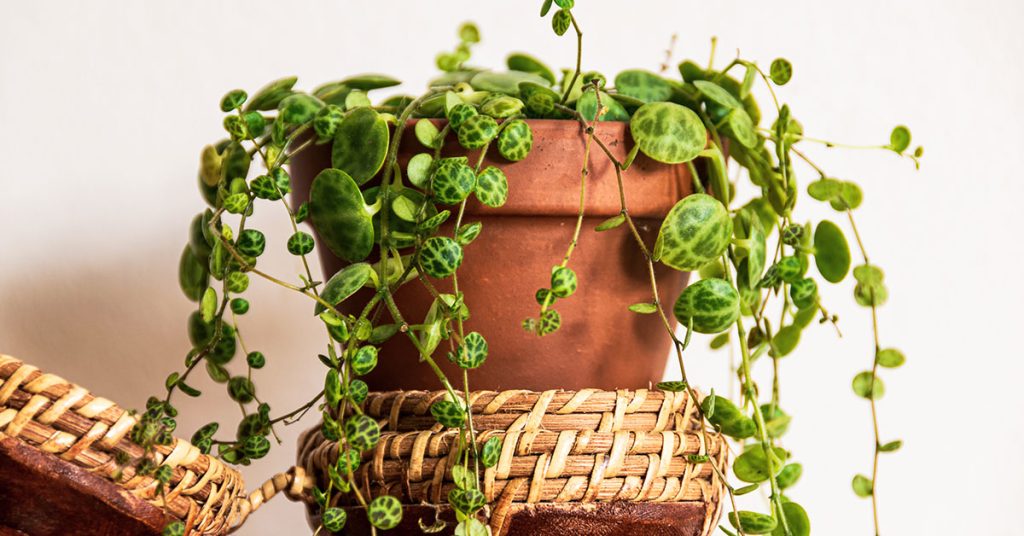
A String of Turtles (Peperomia prostrata) is a type of succulent plant that is native to Central and South America. You can find this plant in its habitat attached to other trees. It has gotten very popular in recent years for its long, trailing stems and small, oval-shaped leaves that look like tiny turtle shells....
Maidenhair Ferns are cherished for their delicate beauty and unique appearance. However, they can be somewhat finicky plants, and without the right care, you might find your Maidenhair Fern looking less than lush. In this article, we’ll explore the signs your Maidenhair Fern is dying and, most importantly, how to breathe life back into it....
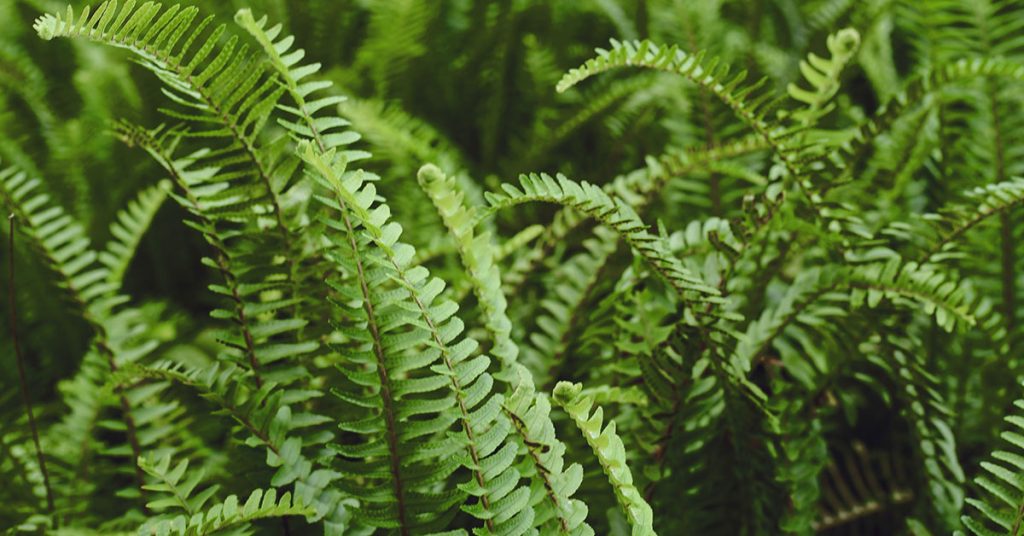
There’s nothing quite as disheartening as watching a beloved Boston fern (Nephrolepis exaltata ‘Bostoniensis’) struggle and decline. Whether it’s due to neglect, improper care, or unforeseen circumstances, a dying Boston fern can leave even experienced gardeners feeling perplexed and concerned. However, before giving up hope and bidding farewell to your once-vibrant green companion, take solace...
The Aji Amarillo pepper plant is a popular variety of chili pepper that is native to South America, particularly Peru. It is widely known for its distinctive bright yellow color and fruity flavor, which is often described as a combination of citrus and apricot. It is commonly used in Peruvian cuisine to add heat and...
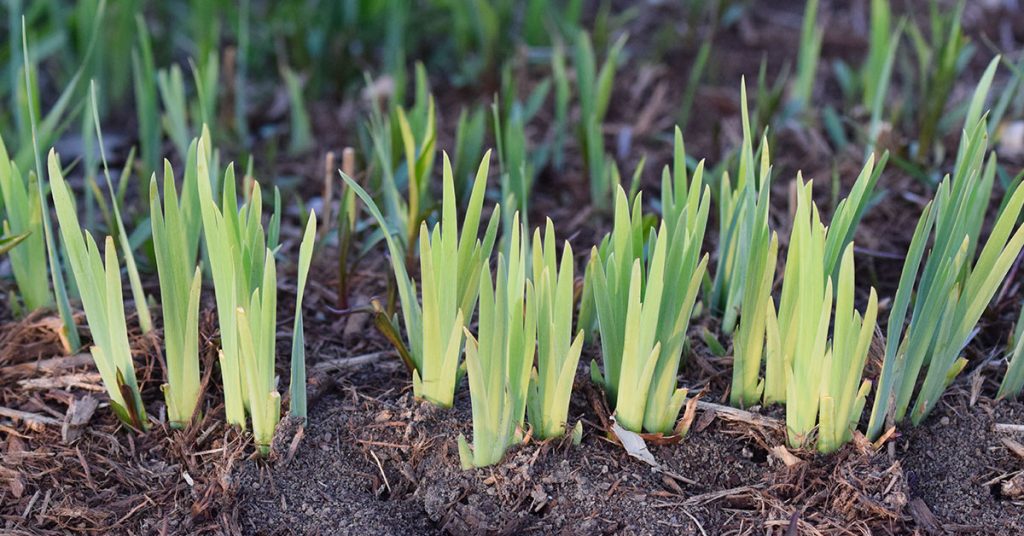
Iris bulbs are an eye-catching and fragrant flower that can be grown in Rhode Island. This small northeastern state has a humid continental climate consisting of warm summers and cold winters, making it suitable for growing a variety of iris bulbs. All of Rhode Island is within hardiness zones 5, 6, and 7, and the...
Iris bulbs can be successfully grown in Connecticut, as the climate and hardiness zones in the state accommodate them. The growing season for irises in Connecticut lasts from mid-spring to early summer. The state ranges from hardiness zones 5 to 7 and features four distinct seasons: spring, summer, fall, and winter. The cold winters and...
Growing iris bulbs in Massachusetts is a great way to enjoy their eye-catching blues, purples, yellows, and other colors. Iris are hardy plants and partially drought tolerant, making them ideal for the Massachusetts climate. Massachusetts is generally divided into three distinct hardiness zones: 5, 6, and 7, with many areas further split into A and...
Iris bulbs are an ideal choice for growing in New Hampshire because they thrive in the cooler climate of the region. The hardiness zones in NH range from 3 – 6, with zone 3 covering the extreme northern parts of the state and zone 6 covering the more southern parts. The average winter temperatures in...
Iris bulbs are popular among gardeners in Vermont due to their hardiness and their ability to bloom in cold climates. Vermont is located in climate zones 3, 4, and 5 and is known for its cold winters. This climate is ideal for growing iris bulbs as they typically thrive when exposed to cold temperatures. Iris...
Iris bulbs make a great choice for gardening in New Jersey. Growing iris bulbs in New Jersey is easy with the state’s favorable climate. The state spans climate hardiness zones 6 and 7, which are both conducive to iris growth. There’s plenty of sunshine and the appropriate amount of rainfall, making for a great home...
Iris bulbs are well suited for growing in Delaware due to the range of climates available here. The state lies in hardiness zone 7, which is ideal for growing most Iris bulbs, as the temperatures range from -15°F to +10°F. Depending on where you are in Delaware, you can have a range of climates including...