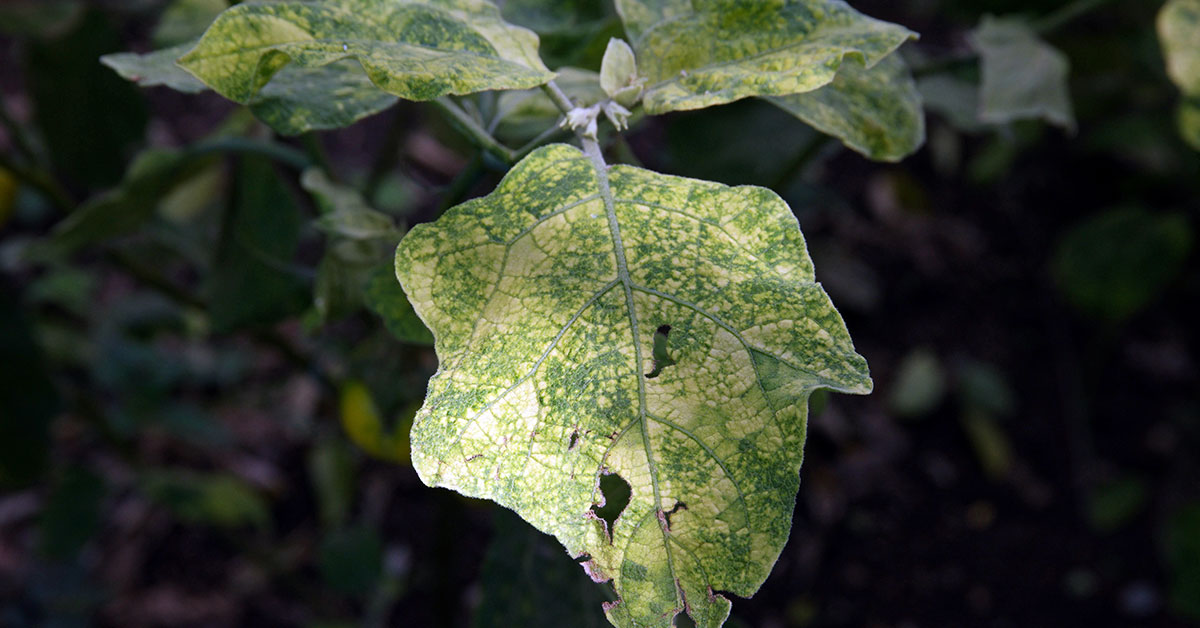

Eggplants, also known as aubergines, are versatile and delicious vegetables that can be used in a wide range of dishes. However, like any other plant, there are various eggplant problems that can hinder their growth and development. In this article, we will explore some of the common eggplant problems, including diseases, pests, and other issues, and provide effective solutions to help you maintain a healthy and productive eggplant garden.
Common Eggplant Diseases
Eggplants are prone to several diseases that can impact their overall health and yield. Understanding these diseases and their remedies is crucial for successful eggplant cultivation.
Early Blight (Alternaria solani): Early blight is a fungal disease characterized by dark brown spots on the lower leaves, which eventually spread to the upper leaves. To combat early blight, remove and destroy infected leaves, ensure proper air circulation, and practice crop rotation to reduce the disease’s recurrence.
Verticillium Wilt (Verticillium spp.): Verticillium wilt is a soilborne fungal disease that causes wilting, yellowing, and eventual death of eggplant plants. The best preventive measure is to choose resistant varieties. If infected, remove and destroy affected plants, and avoid replanting eggplants in the same area for several years.
Phytophthora Blight (Phytophthora spp.): Phytophthora blight causes water-soaked lesions on stems, leaves, and fruits. Improve drainage and avoid overwatering to prevent this disease. Apply appropriate fungicides as a preventative measure, and promptly remove and destroy infected plants.
Common Eggplant Pests
Pests can pose a significant threat to eggplants, causing damage to leaves, stems, and fruits. Here are some common pests to watch out for:
Aphids: Aphids are small, sap-sucking insects that cluster on the undersides of leaves. Use insecticidal soap or neem oil to control aphid populations. Encourage beneficial insects like ladybugs and lacewings, which prey on aphids, to help maintain a natural balance.
Flea Beetles: Flea beetles cause tiny holes in the leaves, giving them a “shot-hole” appearance. Use floating row covers or apply an insecticidal spray to protect young plants. Regularly remove and destroy affected leaves to minimize the population.
Tomato Hornworms: These large green caterpillars can rapidly defoliate eggplants. Handpick and destroy them, or use biological controls such as Bacillus thuringiensis (Bt). Companion planting with marigolds and basil can also help deter hornworms.
Other Eggplant Problems
In addition to diseases and pests, eggplants may encounter other issues that can impact their growth and productivity. Here are some common problems and their solutions:
Nutrient Deficiencies: Eggplants require balanced nutrition for healthy growth. Yellowing leaves may indicate nitrogen deficiency, while purple discoloration may suggest phosphorus deficiency. Regularly fertilize with a balanced organic fertilizer to ensure adequate nutrient supply.
Sunscald: Excessive sun exposure can lead to sunscald, causing whitish or yellowish patches on fruits. Protect developing fruits by providing shade or using light-colored row covers. Harvesting ripe fruits promptly can also prevent sunscald.
Improper Pollination: Poor pollination can result in misshapen or underdeveloped fruits. Encourage pollinators like bees by planting nectar-rich flowers nearby. If pollination remains inadequate, hand pollination can be done by transferring pollen from male to female flowers using a small brush or cotton swab.
Successful eggplant cultivation requires addressing common problems promptly and effectively. By understanding and implementing the solutions mentioned in this article, you can maintain healthy eggplant plants, improve their resistance to diseases and pests, and enjoy a bountiful harvest of delicious eggplants for your culinary delights.